
Facing ball valve shut off problems in your industrial operations? Leaks, stiff handles, or incomplete shut off can disrupt workflows and cost thousands in downtime. As a B2B valve manufacturer with over 20 years of experience, BCST has seen it all from chemical plants to oil & gas pipelines. This guide dives deep into fixing common ball valve shut off issues, offering practical steps to keep your systems running smoothly. Whether you’re troubleshooting a leaking valve or planning preventive maintenance, we’ll equip you with expert solutions tailored for industrial applications. Let’s get started.

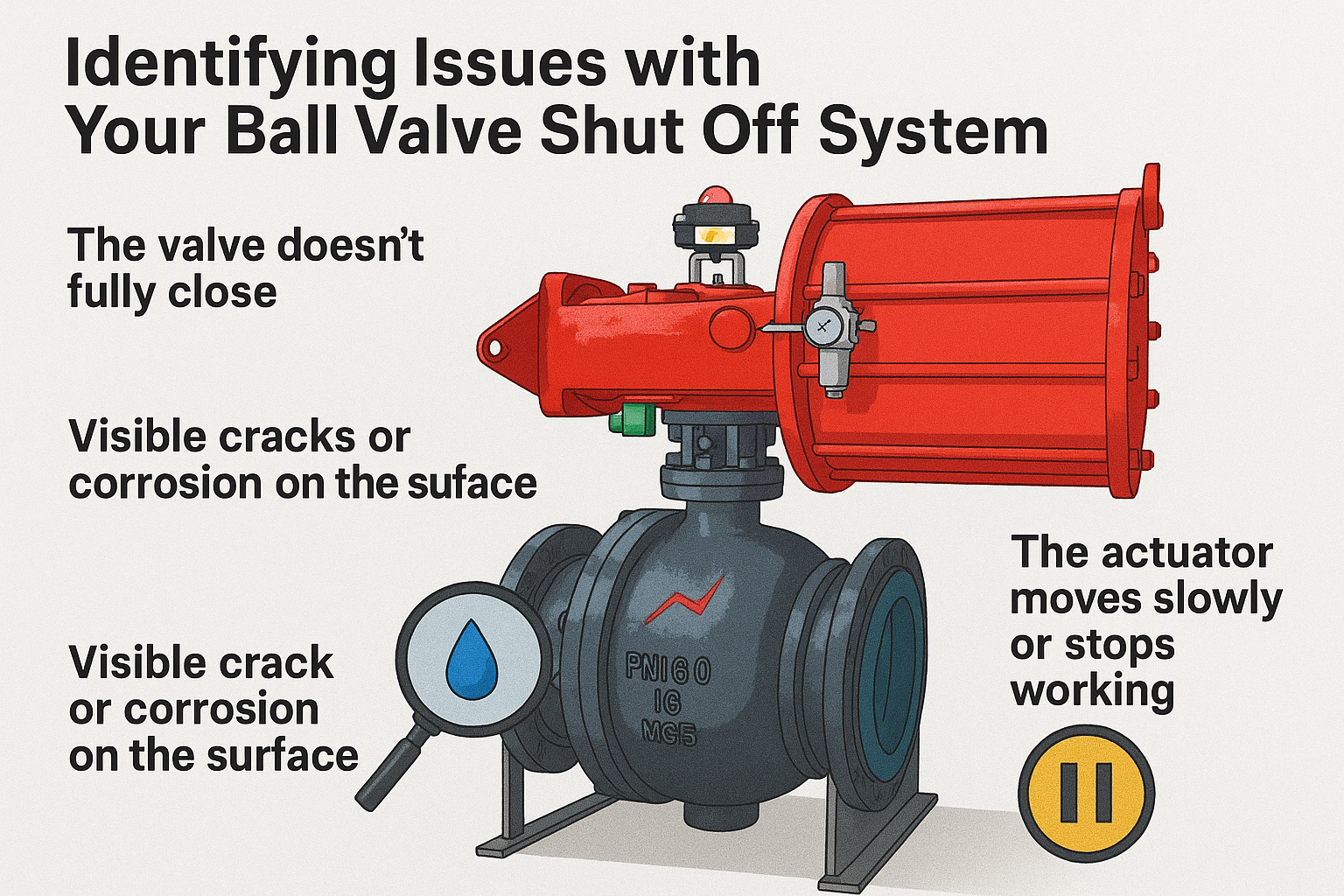
Identifying Issues with Your Ball Valve Shut Off System
Ball valves are the workhorses of industrial flow control, prized for their quick quarter-turn shut off and durability. But when problems arise, they can halt operations. Understanding the root causes of ball valve shut off problems is the first step to restoring reliability. Here are the most common issues and what’s behind them:
- Fuites: A leaking ball valve often stems from worn seals, improper installation, or corrosion, especially in high-pressure systems like water treatment or oil & gas. For example, a chemical plant we worked with in the UAE faced persistent leaks until switching to our corrosion-resistant stainless steel valves.
- Fonctionnement rigide: Debris buildup, lack of lubrication, or actuator failure in pneumatic valves can make handles tough to turn. This is common in dusty environments or after long periods of inactivity.
- Incomplete Shut Off: When a valve doesn’t fully close, damaged balls or seats are often to blame, particularly in older valves exposed to abrasive fluids.
These issues aren’t just annoyances they can lead to safety risks or costly repairs. By identifying symptoms early, you can act fast. For instance, a procurement manager we advised caught a minor leak during routine checks, saving their facility from a major pipeline failure.
How to Repair a Leaking Ball Valve Shut Off
A leaking ball valve can wreak havoc, from water loss to hazardous spills. Fixing it promptly is critical, especially in high-stakes industries. Here’s a step-by-step guide to repair a leaking ball valve shut off:
- Safety First: Always depressurize the system and isolate the valve to avoid injury or damage. Double-check that the pipeline is shut off upstream.
- L'inspection: Disassemble the valve to check seals and seats for wear or damage. Look for cracks or corrosion, especially in brass or PVC models exposed to harsh chemicals.
- Seal Replacement: Replace worn seals with compatible parts. BCST offers high-quality seal kits designed for our industrial valves, ensuring a perfect fit.
- Essais: Reassemble and test the valve under low pressure to confirm a tight shut off. Gradually increase pressure to verify performance.
I recall a client in metallurgy who fixed a leak in their cooling system valve using this method, avoiding a costly shutdown. If leaks persist, it may signal deeper damage—more on that later.
Fixing Stiff or Incomplete Ball Valve Shut Off Issues
Stiff handles or valves that won’t fully close are frustrating and can compromise system efficiency. Here’s how to tackle these ball valve shut off problems:
- Cleaning Debris: Disassemble the valve (after isolating it) and clean the ball and seats with a non-abrasive solvent. Debris like sand or rust often causes stiffness, especially in mining applications.
- Lubrication Tips: Apply an industrial-grade lubricant to the stem and moving parts. We recommend silicone-based lubricants for high-temperature environments. Lubricate every 6 months for optimal performance.
- Actuator Checks: For pneumatic valves, verify actuator alignment and pressure settings. A misaligned actuator caused a stiff valve in one of our client’s gas pipelines, resolved with a quick adjustment.
- When to Call Experts: If cleaning and lubrication don’t work, consult a professional. Persistent issues may indicate internal damage requiring specialized tools.
A facility manager we worked with in water treatment shared how regular cleaning saved their valves from early replacement, extending lifespan by years. For advanced solutions, check BCST’s pneumatic ball valves designed for smooth operation.
Best Practices for Ball Valve Maintenance to Avoid Problems
Prevention is better than repair. A solid ball valve maintenance routine can stop issues before they start, saving time and money. Here’s how to keep your shut off systems in top shape:
- Regular Inspections: Schedule quarterly checks for seals, handles, and actuators. Look for early signs of wear, like slight leaks or resistance when turning.
- Lubrication Schedules: Lubricate stems and moving parts every 6-12 months, depending on usage. High-pressure systems may need more frequent attention.
- Environmental Protection: In harsh conditions (e.g., coastal plants), use corrosion-resistant coatings or stainless steel valves. Our UAE project case study shows how this doubled valve lifespan.
- BCST Advantage: Our valves, built with SIL2 certification and stainless steel, are engineered for durability in demanding industries like metallurgy or chemical processing.
Case Studies: Real-World Solutions for Ball Valve Shut Off Problems
Nothing proves reliability like real-world success. Below, we share two case studies from BCST’s global projects, demonstrating how we’ve solved ball valve shut off problems for industrial clients. These examples highlight our expertise and the durability of our industrial ball valves.
Case Study 1: Resolving Leaks in a UAE Chemical Plant
A chemical processing facility in the UAE faced persistent leaks in their shut off ball valves due to corrosive fluids eroding standard brass components. Downtime costs were mounting, and safety was at risk. BCST supplied stainless steel ball valves with ATEX certification, designed for harsh environments. After installation, the client reported zero leaks over 18 months, with maintenance reduced by 40%. Regular inspections, as outlined in our guide, ensured long-term performance.
Case Study 2: Fixing Stiff Operation in an Oil & Gas Pipeline
An oil & gas operator in Southeast Asia struggled with stiff pneumatic ball valves, caused by debris buildup in high-pressure pipelines. Our team recommended a cleaning protocol and upgraded their system with BCST’s pneumatic ball valves featuring anti-static devices. The result? Smooth operation restored, with a 25% increase in valve lifespan. The client now follows our quarterly lubrication schedule to prevent future issues.
Signs It’s Time to Upgrade Your Shut Off Ball Valve
Sometimes, repairs aren’t enough. Knowing when to replace a ball valve prevents bigger problems. Watch for these signs:
- Persistent Issues: Ongoing leaks or frequent repairs indicate a failing valve.
- Outdated Technology: Older valves lack modern features like automation compatibility or energy-efficient designs.
- Operational Inefficiency: Incomplete shut off or slow operation can disrupt workflows.
Upgrading to modern valves offers benefits like improved sealing and smart monitoring. BCST’s high-pressure ball valves are built for oil & gas, with ATEX certification for hazardous environments. Here’s a quick comparison:
| Fonctionnalité | Old Valve | BCST Modern Valve |
|---|---|---|
| Matériau | Basic brass | Acier inoxydable |
| Pression nominale | Up to 1000 PSI | Up to 6000 PSI |
| Automation | Manual only | Pneumatic/smart options |
| Certifications | Aucun | SIL2, ATEX |
A client in energy upgraded their valves with us, cutting maintenance costs by 30%. Explore our range to find the right fit.
Frequently Asked Questions About Ball Valve Shut Off Issues
What Causes a Ball Valve Shut Off to Leak?
Leaks often result from worn seals, corrosion, or improper installation. Regular inspections and using durable materials like stainless steel can prevent issues. BCST’s stainless steel ball valves are built for tough environments.
How Do I Fix a Stiff Ball Valve Shut Off?
Clean debris from the valve and lubricate the stem with silicone-based lubricant. For pneumatic valves, check actuator alignment. BCST’s pneumatic ball valves ensure smooth operation.
Can I Repair a Ball Valve Shut Off Myself?
Yes, for minor fixes like seal replacement, with proper tools. Complex issues need professionals. Follow our maintenance guide for DIY tips.
When Should I Replace My Industrial Ball Valve?
Replace valves with persistent leaks, frequent repairs, or outdated designs. Upgrade to BCST’s high-pressure ball valves for reliability.
Why Is My Ball Valve Shut Off Not Closing Fully?
Damaged balls or seats, or debris, may prevent full closure. Clean or replace components. Explore BCST’s full-port ball valves for robust shut off.
How Often Should I Maintain My Ball Valve Shut Off System?
Inspect every 6-12 months, lubricate stems, and check actuators. Harsh environments require quarterly checks. See our maintenance guide.
What Materials Are Best for Ball Valve Shut Off Systems in Harsh Environments?
Stainless steel or brass resists corrosion in chemical or coastal settings. BCST’s stainless steel valves are ATEX-certified for durability.
Can Ball Valve Shut Off Systems Be Used for High-Pressure Applications?
Yes, especially full-port designs. BCST’s high-pressure ball valves handle up to 6000 PSI for oil & gas.
Keep Your Systems Running with BCST’s Reliable Solutions
From leaks to stiff handles, ball valve shut off problems can disrupt your operations—but they don’t have to. Our case studies prove that with the right solutions, like BCST’s stainless steel or pneumatic valves, you can achieve lasting reliability. Follow our repair steps, stick to a maintenance schedule, and upgrade when needed to keep your systems humming. With 20+ years of expertise and certifications like ATEX and SIL2, BCST is your partner in flow control. Don’t let valve issues slow you down.


 English
 Arabic
 Russian
 French
 Spanish