
Industry Solutions
Cement Plant Industrial Damper Solutions
BCST provides industrial dampers for cement production systems exposed to high temperature, abrasive dust and demanding operating cycles. Our solutions support gas isolation, airflow regulation and process routing across kilns, preheaters, exhaust-gas ducts and dust-collection systems.
- High-temperature dampers for hot gas systems
- Louver dampers for airflow and gas regulation
- Butterfly dampers for compact duct control
- Guillotine dampers for process isolation
- Materials selected for heat, dust, abrasion and corrosion
Haute température
Construction selected for normal operation and defined temperature excursions.
Abrasive Dust
Critical surfaces protected against clinker, raw meal and process dust.
Reliable Isolation
Blade and sealing systems selected for the required shutoff duty.
Contrôle des processus
Actuation configured for airflow regulation, isolation or gas routing.
Product Portfolio
Industrial Dampers for Cement Production
Select the damper according to the required function, duct geometry, gas temperature, dust loading and acceptable leakage.
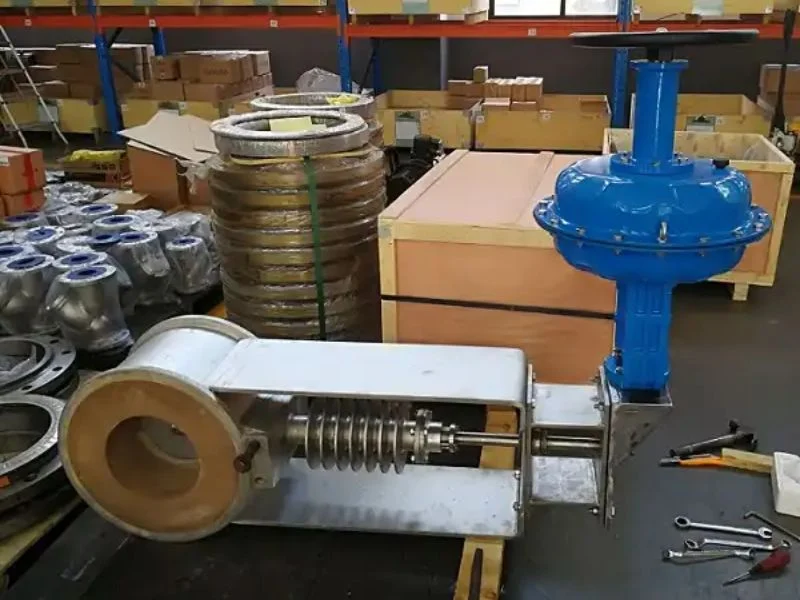
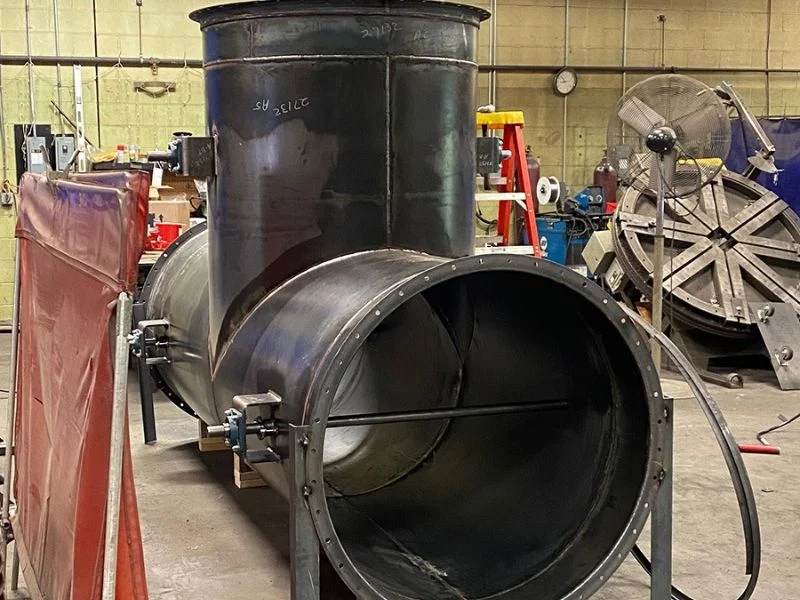
High Temperature Damper
Engineered for hot gas applications where thermal expansion, material strength and bearing protection are critical.
- Heat-resistant material options
- Insulated or refractory-ready construction
- External bearing arrangements
- Manual or automated operation
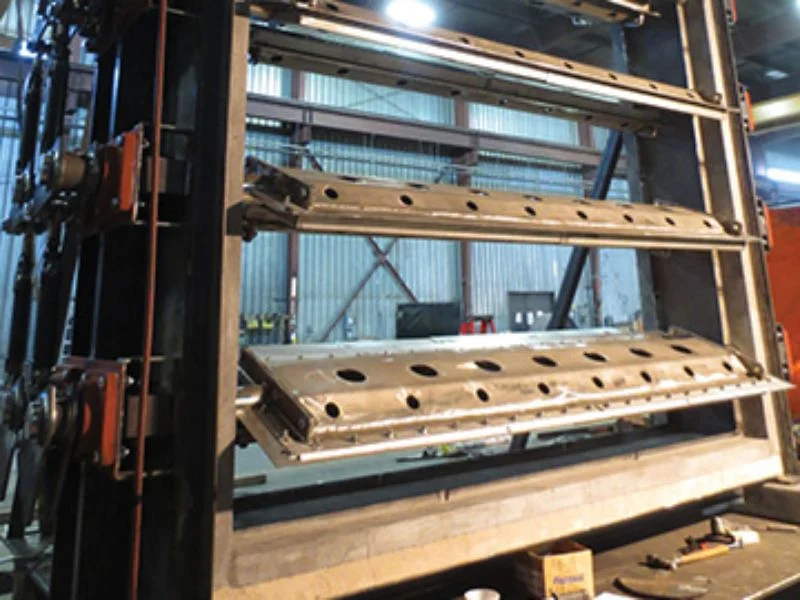
Louver Damper
Multiple linked blades provide airflow regulation and pressure balancing across large rectangular ducts.
- Parallel or opposed blades
- Large duct-area coverage
- Modulating actuator compatibility
- Custom frame dimensions
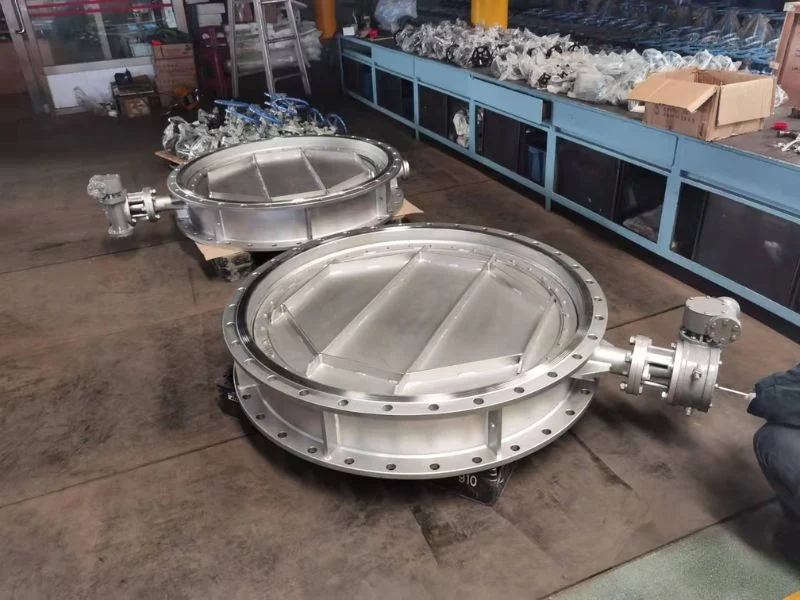
Butterfly Damper
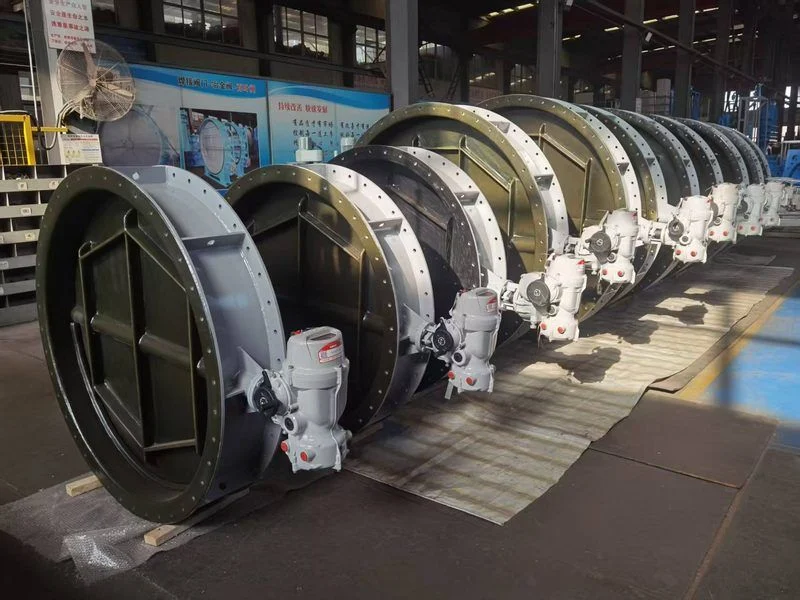
A compact single-blade solution for isolation or flow regulation in round gas and air ducts.
- Compact face-to-face design
- Round or custom duct connections
- Suitable for large nominal sizes
- Electric or pneumatic actuation
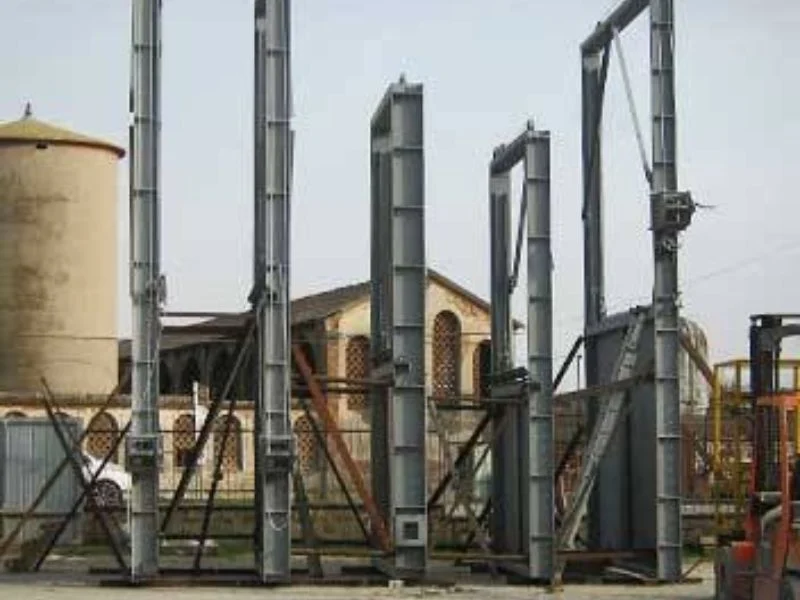
Guillotine Damper
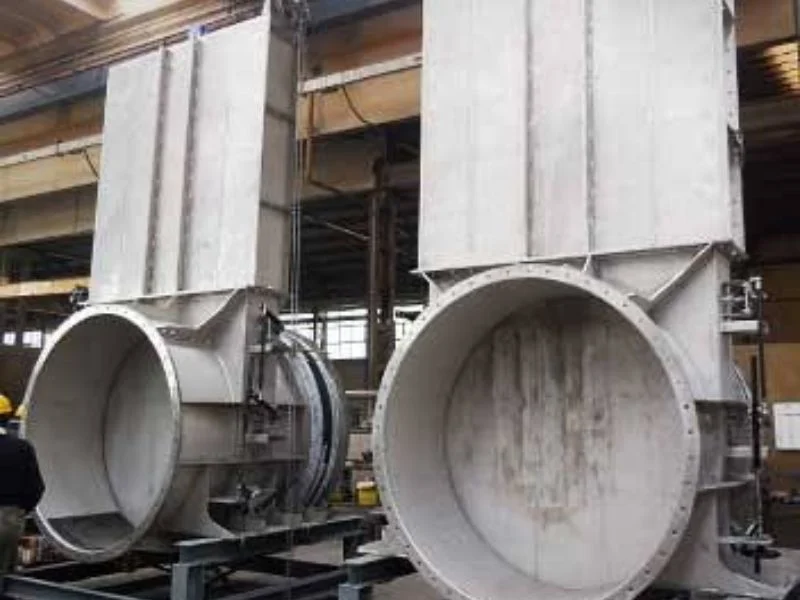
A sliding-blade design for isolating equipment and duct sections in dust-laden process systems.
- Clear passage in the open position
- Open or enclosed frame options
- Purge and seal-air options
- Suitable for maintenance isolation
Product Comparison
Choose the Right Cement Damper
| Damper Type | Fonction principale | Typical Installation | Avantage clé | Critical Selection Point |
|---|---|---|---|---|
| High Temperature Damper | Hot gas control or isolation | Kiln, preheater and hot gas duct | Temperature-resistant construction | Maximum temperature and thermal expansion |
| Louver Damper | Régulation du débit | Air and exhaust-gas ducts | Broad modulating range | Blade arrangement and control accuracy |
| Butterfly Damper | Compact isolation or regulation | Round process ducts | Simple and compact design | Differential pressure and blade exposure |
| Guillotine Damper | Equipment isolation | Dust collection and material-handling ducts | Clear open flow path | Dust sealing and blade cleaning |
Domaines d'application
Dampers Across the Cement Process
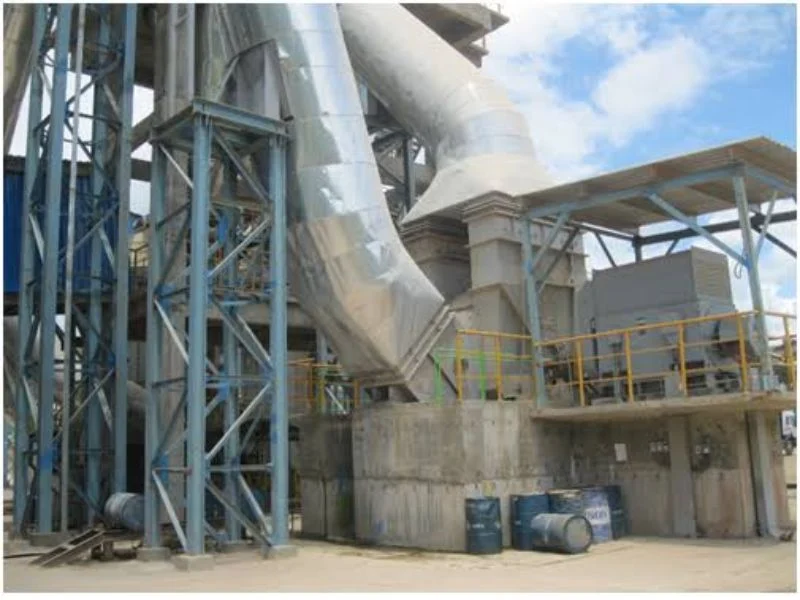
Kiln
Kiln-related dampers must operate under elevated temperatures, process dust and changing production conditions.
- Hot gas isolation
- Combustion-air regulation
- Bypass and process routing
- Shutdown and maintenance duties
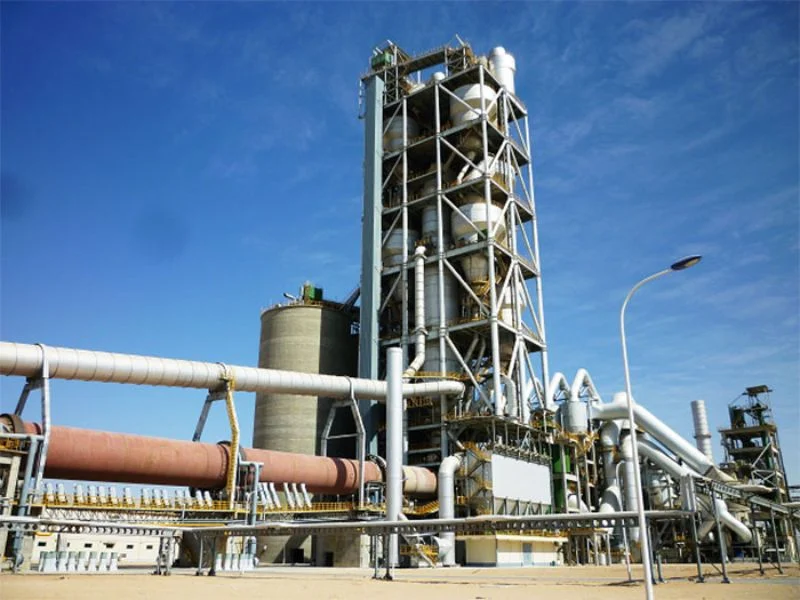
Preheater
Preheater dampers regulate or isolate dust-laden gas streams where heat and abrasive particles affect moving components.
- Stage and branch isolation
- Hot gas flow balancing
- External shaft-bearing protection
- Wear-resistant blade options
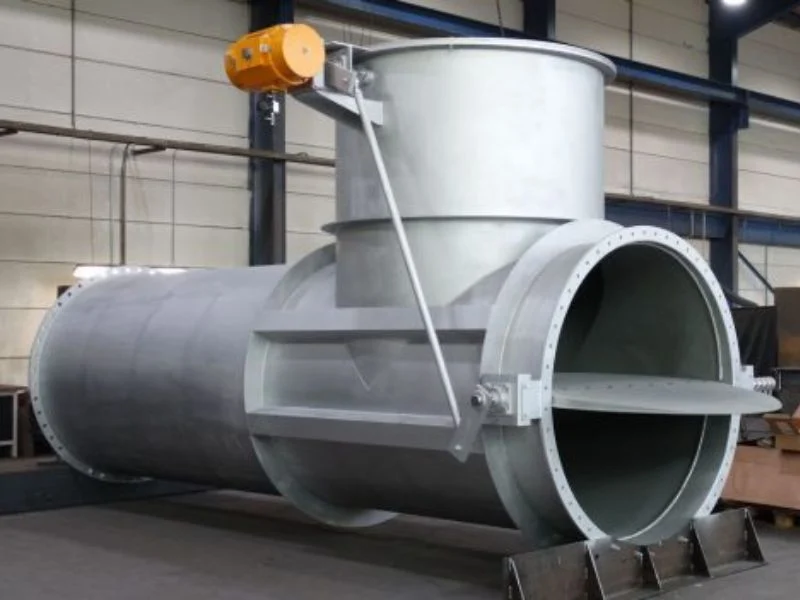
Exhaust Gas
Exhaust-gas dampers control or isolate flow through fans, heat-recovery systems and treatment equipment.
- Fan inlet and outlet control
- Process-gas diversion
- Stack and bypass isolation
- Modulating flow control
Dust Collection
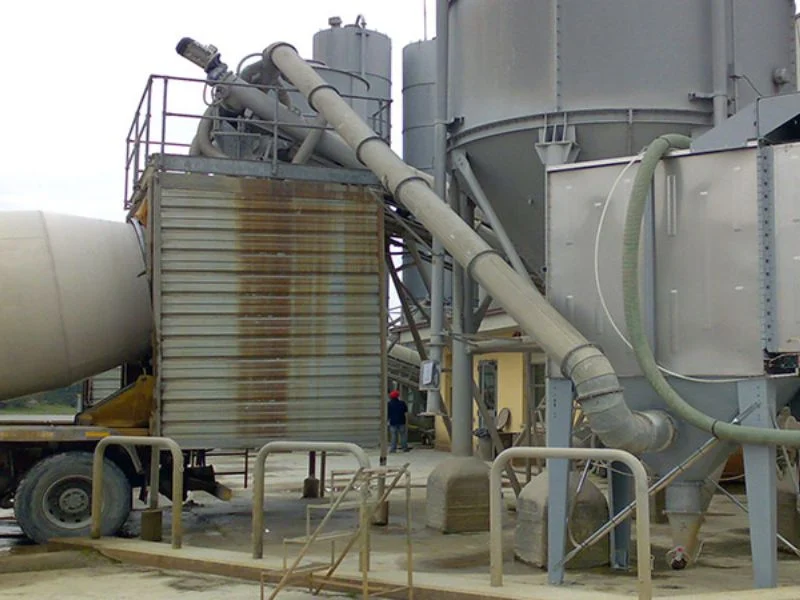
Dust-collection dampers isolate branches, balance airflow and support maintenance of filters and collection equipment.
- Baghouse inlet and outlet isolation
- Duct airflow balancing
- Branch-line shutoff
- Maintenance access control
Control the Flow
Regulate air and gas to support stable production and equipment performance.
Manage the Dust
Reduce deposit-related movement problems through suitable design and access.
Handle the Heat
Allow for temperature, thermal expansion and heat exposure at critical components.
Application Engineering
Designing for Heat, Dust and Abrasion
Cement-process dampers face several operating challenges simultaneously. The correct design must account for gas conditions and the behavior of entrained material.
- Define whether the damper will isolate, regulate or divert the gas.
- Confirm normal, startup, shutdown and upset temperatures.
- Provide gas flow, duct pressure and maximum differential pressure.
- Identify dust type, concentration, particle size and abrasiveness.
- Evaluate buildup around blades, shafts and sealing surfaces.
- Select suitable body, blade, shaft, seal and bearing materials.
- Allow for thermal expansion in the frame and moving components.
- Size the actuator for pressure load, friction and deposits.
Process Challenges
Operating Risks and Design Responses
| Process Challenge | Potential Effect | Design Response | Customer Benefit |
|---|---|---|---|
| High gas temperature | Distortion, reduced strength and seal damage | Heat-resistant materials and thermal-expansion allowance | More stable operation at elevated temperature |
| Abrasive process dust | Blade, body and seal wear | Wear-resistant materials or replaceable protection | Reduced premature component damage |
| Dust accumulation | Restricted movement and higher actuator torque | Low-trap geometry, purge points and cleaning access | Improved movement and maintainability |
| Thermal cycling | Repeated expansion, contraction and alignment change | Flexible connections and guided expansion design | Lower risk of binding and distortion |
| High differential pressure | Increased blade load and operating torque | Reinforced blade, shaft and correctly sized actuator | Reliable opening and closing |
| Maintenance isolation | Gas or dust entering isolated equipment | Suitable sealing system and isolation procedure | Better support for planned maintenance |
Technical Configuration
Typical Cement Damper Options
| Design Element | Typical Options | Engineering Consideration |
|---|---|---|
| Damper shape | Round, square or rectangular | Duct layout, support and installation space |
| Blade arrangement | Single, parallel, opposed or sliding blade | Isolation, regulation and gas-flow behavior |
| Body construction | Welded steel or fabricated alloy | Temperature, pressure and structural loading |
| Blade protection | Heat-resistant alloy, hard-facing or replaceable liner | Abrasion pattern and expected service life |
| Sealing system | Metal seal, flexible seal, double seal or seal air | Temperature and acceptable closed-position leakage |
| Shaft and bearings | Protected shaft with external or high-temperature bearings | Heat, dust and maintenance accessibility |
| Fonctionnement | Manual, pneumatic, electric or hydraulic | Torque, speed, modulation and fail position |
| Accessoires | Limit switches, positioner, solenoid valve and local indicator | Plant control and status-monitoring requirements |
High Temperature Design
Protect Critical Components from Heat
- Select body and blade materials for the specified design temperature
- Keep bearings and actuator components away from direct gas exposure
- Allow the blade, shaft and frame to expand without binding
- Use sealing materials compatible with the temperature range
- Consider insulation or refractory interfaces where required
- Evaluate heat transfer into the actuator mounting structure
- Define operating requirements during startup and shutdown
Maximum temperature alone does not determine the final construction. Exposure duration, thermal cycling and gas chemistry must also be reviewed.
Control and Actuation
Operating Options for Cement Dampers
Manual Operation
Suitable for smaller dampers or infrequently operated isolation points with safe local access.
Actionnement pneumatique
Supports rapid movement, defined fail action and integration with plant instrument-air systems.
Actionnement électrique
Suitable for remote isolation or modulation where electrical power and position control are available.
Hydraulic Actuation
Considered for high-thrust duties, large guillotine dampers and demanding operating conditions.
Send Us Your Cement Damper Data
Share the application, duct dimensions, gas flow, temperature, pressure, dust conditions and required function. Our team will help identify a suitable damper configuration.
Selection Checklist
Information Required for Damper Selection
Process and Duct Data
- Kiln, preheater, exhaust or dust-collection application
- Air or gas composition
- Normal and maximum flow rate
- Normal, maximum and upset temperature
- Operating and maximum differential pressure
- Dust concentration, particle size and abrasiveness
- Round, square or rectangular duct dimensions
Functional Requirements
- Isolation, regulation or diversion duty
- Acceptable closed-position leakage
- Required opening and closing time
- Operating frequency and expected cycle life
- Preferred actuator and available utilities
- Fail position and control signal
- Inspection and documentation requirements
Manufacturer Support
From Application Review to Delivery
1. Application Review
We evaluate the required function, duct arrangement, temperature, pressure and dust conditions.
2. Design Confirmation
Damper type, materials, blade, sealing system and actuator are prepared for approval.
3. Inspection and Testing
Applicable dimensional, operational, actuator and leakage checks are completed.
4. Documentation
Approved drawings and agreed inspection records are prepared according to the order.
Inspection and Maintenance
Keep Cement Dampers Operating Reliably
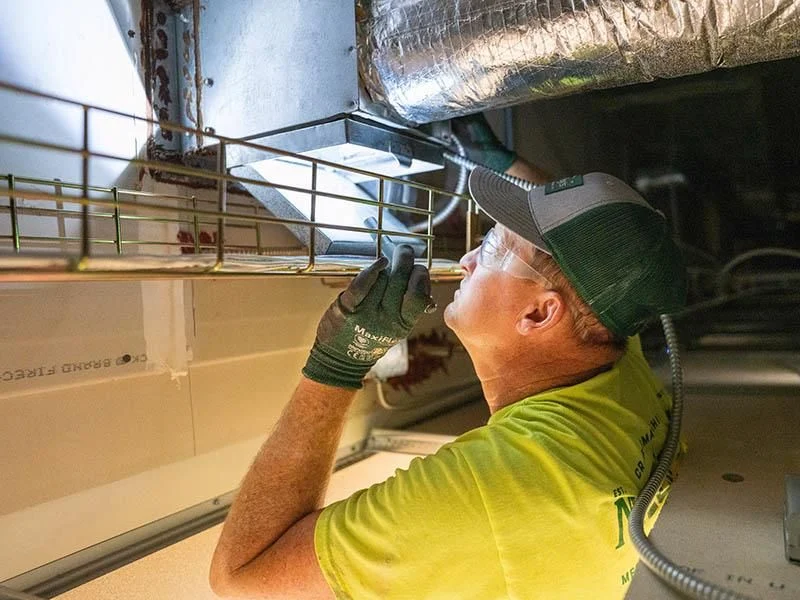
- Inspect blades, frames, shafts and operating linkages
- Remove deposits that restrict blade or gate travel
- Check seals for abrasion, distortion and material loss
- Inspect wear plates and protected surfaces
- Maintain bearings, actuator joints and support structures
- Verify limit switches, position feedback and full travel
- Check refractory or insulation interfaces where applicable
- Record torque changes and recurring deposit patterns
Questions fréquemment posées
Cement Plant Damper FAQ
Which damper is suitable for a cement kiln?
The suitable design depends on whether the duty is isolation or regulation, together with gas temperature, pressure, dust loading, duct size and leakage requirements.
What makes a damper suitable for high temperature?
Its body, blade, shaft, seals and bearings must be selected for the specified temperature while allowing controlled thermal expansion.
What is the difference between a louver and butterfly damper?
A louver damper uses multiple blades and is well suited to large rectangular ducts and modulation. A butterfly damper uses one rotating blade and offers a compact arrangement.
When should a guillotine damper be used?
It is commonly considered for equipment or duct isolation where a sliding blade and clear open passage suit the process and installation.
How does cement dust affect damper performance?
Dust can abrade surfaces, accumulate around seals and increase operating torque. Damper geometry, wear protection and cleaning access should address these effects.
Can a cement damper provide zero leakage?
Actual leakage depends on the damper design, seals, temperature, pressure and deposits. The required leakage limit must be defined before selection.
How is the actuator sized?
Actuator sizing considers blade area, differential pressure, seal friction, bearing resistance, dust buildup, operating speed and an appropriate service margin.
What information is required for a quotation?
Provide the application, duct dimensions, gas flow, pressure, temperature, dust properties, required function, leakage limit and actuator preference.
 English
 Arabic
 Russian
 French
 Spanish