
Engineering Services
Inspection & Testing for Industrial Flow Products
BCST applies product-specific inspection and testing according to the approved datasheet, purchase specification and agreed inspection plan. The test scope is confirmed before production because pressure vessels, breather valves, flame arrestors, dampers and specialty valves require different verification methods.
- Incoming material and component inspection
- Dimensional and visual verification
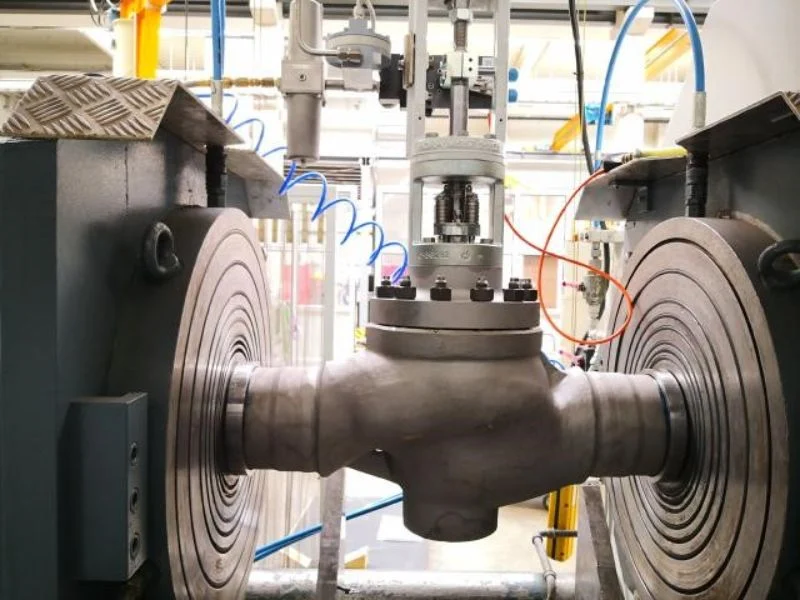
- Hydrostatic and leakage testing where applicable
- Set-pressure and vacuum-pressure checks for breather valves
- Functional testing of actuators and accessories
- Traceable inspection and test records within the agreed scope

Product-Specific Scope
Apply inspection methods appropriate to the actual product and design.
Agreed Acceptance Criteria
Confirm test conditions and acceptance requirements before production.
Controlled Records
Record product identification, test parameters and final results.
Evidence-Based Claims
State certifications and performance only when supported by valid documents.
Inspection Process
Quality Checks from Material Receipt to Release
The exact sequence varies by product, but a controlled inspection process helps connect approved requirements with manufacturing and final documentation.
1. Requirement Review
Review the approved datasheet, drawing, purchase specification and inspection plan.
2. Material and Component Check
Verify specified materials, critical components and available supporting records.
3. Inspection and Testing
Perform the approved dimensional, pressure, leakage or functional checks.
4. Record and Release
Review results, identification, marking and applicable documents before release.
Product Test Matrix
Inspection Scope by Product Category
Tests marked as applicable depend on the product design, order requirements, approved procedures and available facilities.
| Product Category | Typical Inspection | Typical Test | Important Limitation |
|---|---|---|---|
| Strainers and Filters | Visual, dimensional, connection and screen inspection | Hydrostatic test where specified and applicable | Filtration efficiency or flow performance requires separately agreed test methods |
| Soupapes de reniflard | Visual, dimensional, pallet, seat and assembly inspection | Pressure set point, vacuum set point and leakage checks as applicable | Test range, medium and acceptance criteria must be defined |
| Flame Arrestors | Visual, dimensional, element identification and assembly inspection | Only agreed routine checks within the confirmed scope | Flame performance must not be claimed without model-specific valid evidence |
| Industrial Dampers | Dimensions, blade travel, seals, shaft and actuator inspection | Functional and leakage checks where specified | Leakage criteria and test pressure must be agreed in advance |
| Specialty Valves | Visual, dimensional, material and assembly inspection | Shell, seat and functional tests where applicable | Test method depends on valve type, seat design and pressure rating |
| Actuated Products | Actuator, accessories, orientation and wiring inspection | Open-close travel, indication and fail-action checks | Utilities and control signals must match the approved configuration |
Strainers and Filters
Pressure Integrity and Dimensional Inspection
Strainers and filter housings are inspected according to their construction, pressure rating and agreed project requirements. The screen or basket is also checked because its opening and fit directly affect equipment protection.
Typical Inspection Items
- Body, cover and connection dimensions
- Face-to-face or end-to-end dimension
- Flange drilling, facing and orientation
- Screen or basket material and construction
- Mesh or perforation size where specified
- Drain, vent and differential-pressure connections
- Cover closure, gasket and internal fit
- Nameplate, marking and flow-direction indication
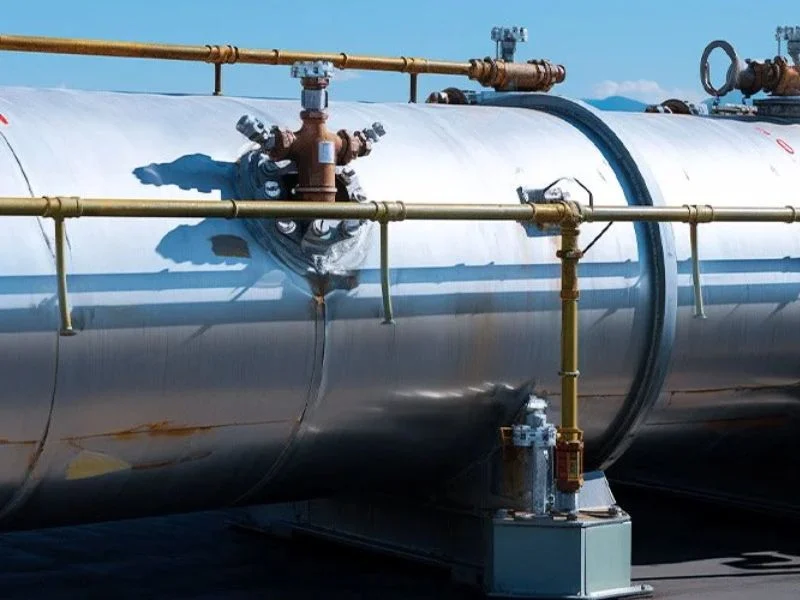
Filter Testing
Hydrostatic Test and Inspection Records
| Inspection or Test | What Is Checked | Typical Record | Scope Condition |
|---|---|---|---|
| Inspection visuelle | Surface condition, assembly, cleanliness and visible defects | Inspection checklist or report | Applied according to the agreed inspection plan |
| Dimensional Inspection | Main dimensions, flange details and connection locations | Dimensional report where requested | Compared with the approved drawing |
| Test hydrostatique | Pressure-containing housing integrity | Hydrostatic test report | Pressure, duration and acceptance criteria must be approved |
| Screen or Basket Check | Material, opening, fit and mechanical condition | Inspection record where required | Based on the approved technical specification |
| Coating Inspection | Color, appearance and specified coating properties | Coating report where included | Test method depends on the coating specification |
| Final Inspection | Marking, accessories, quantity and packing condition | Final inspection report | Completed before product release |
Pressure Integrity
Confirm housing integrity under the agreed hydrostatic conditions.
Dimensional Conformity
Verify interfaces against the approved product drawing.
Element Verification
Check screen or basket construction against the confirmed specification.
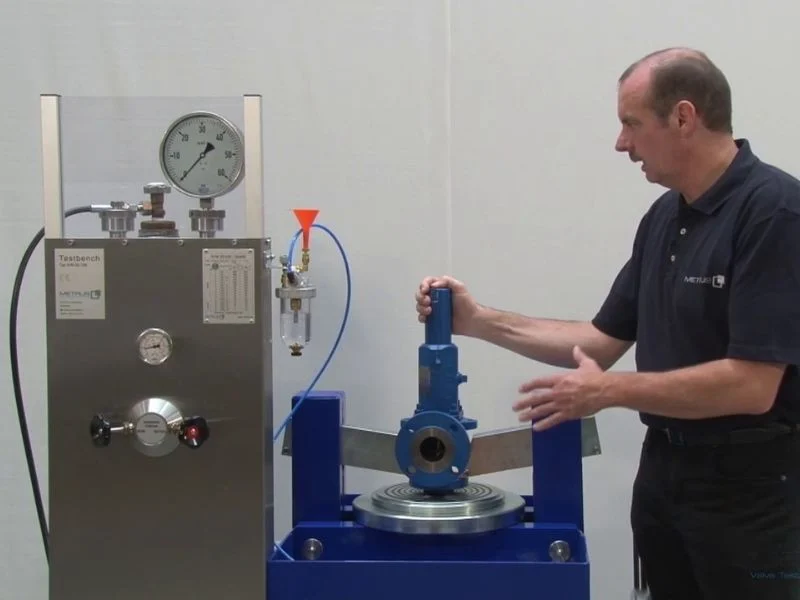
Soupapes de reniflard
Set Pressure, Vacuum Pressure and Leakage Checks
Breather valves must be evaluated at low pressure and vacuum levels appropriate to the ordered configuration. The test arrangement, instrument range and acceptance criteria should match the approved product data.
Typical Verification Items
- Pressure-side opening or set-point behavior
- Vacuum-side opening or set-point behavior
- Pressure-side leakage where specified
- Vacuum-side leakage where specified
- Pallet movement and guide condition
- Seat cleanliness and sealing-surface condition
- Weather hood, screen and accessory installation
- Nameplate and set-point marking
Breather Valve Test Matrix
What the Test Is Intended to Verify
| Test or Check | Purpose | Required Input | Recorded Information |
|---|---|---|---|
| Pressure Set-Point Check | Verify pressure-side opening behavior | Ordered pressure set point and acceptance criteria | Applied pressure and observed response |
| Vacuum Set-Point Check | Verify vacuum-side opening behavior | Ordered vacuum set point and acceptance criteria | Applied vacuum and observed response |
| Pressure Leakage Check | Evaluate sealing below the opening point | Specified test pressure and leakage criterion | Test condition and measured or observed result |
| Vacuum Leakage Check | Evaluate vacuum-side sealing | Specified vacuum condition and leakage criterion | Test condition and measured or observed result |
| Functional Inspection | Confirm free pallet movement and correct assembly | Approved drawing and assembly requirements | Inspection result and relevant observations |
| Dimensional Inspection | Confirm product interface and overall dimensions | Approved GA drawing | Measured critical dimensions |
Flame Arrestors
Evidence-Based Inspection and Certification
Flame arrestor performance claims require exceptional care. Product appearance, dimensions and assembly can be inspected routinely, but flame transmission, deflagration or detonation performance cannot be inferred from these checks.
Routine Product Inspection May Include
- Model, size and product identification
- Body and connection dimensions
- Flame-arresting element identification
- Element orientation, fit and assembly condition
- Gasket, housing and fastener inspection
- Drain and instrument connections where applicable
- Marking and nameplate verification
- Document review against the ordered configuration
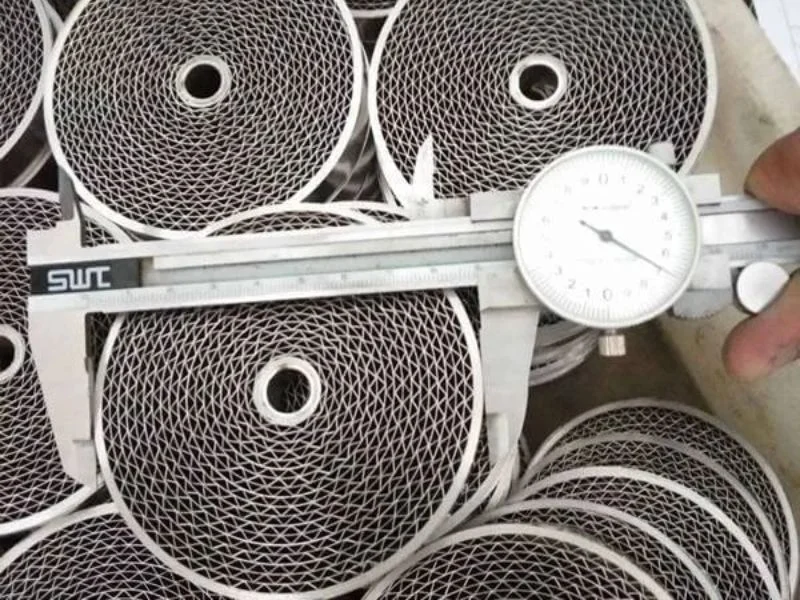
Flame Arrestor Claims Require Model-Specific Evidence
A flame arrestor should be described as certified, approved or tested for a particular flame scenario only when valid documentation covers the exact model, size, gas group, installation arrangement and operating conditions being supplied.
Flame Arrestor Verification
What Must Be Confirmed Before Making a Performance Claim
| Verification Item | Why It Matters | Required Evidence |
|---|---|---|
| Exact Model and Size | Performance may vary with geometry and dimensions | Certificate or test report covering the supplied configuration |
| Flame Scenario | End-of-line deflagration, in-line deflagration and detonation are different duties | Documentation identifying the applicable test category |
| Gas or Vapor Group | Different gases have different flame-propagation characteristics | Evidence covering the relevant gas group or test medium |
| Installation Arrangement | Pipe length, orientation and location can affect applicability | Installation conditions stated in the supporting documentation |
| Conditions de fonctionnement | Pressure and temperature can affect suitability | Documented operating limits for the covered model |
| Element Construction | Material and geometry are critical to flame performance | Traceable design and manufacturing records |
| Certification Status | Certificates may expire, change or cover limited variants | Valid and applicable certificate information |
Other Product Categories
Inspection for Dampers and Specialty Valves
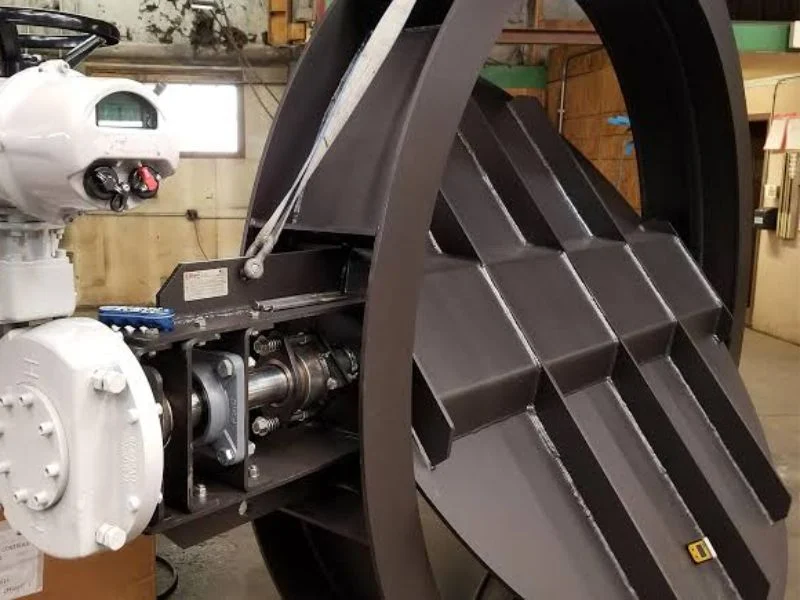
Industrial Dampers
- Body and duct-interface dimensions
- Blade, shaft, bearing and linkage inspection
- Full open-close travel check
- Actuator direction and position indication
- Seal and closed-position inspection
- Leakage test when specified with agreed criteria
- Coating and nameplate inspection

Specialty Valves
- Body, trim, liner and seat inspection
- Critical dimensional verification
- Shell test where applicable
- Seat leakage test where applicable
- Manual or actuator operation check
- Accessory and fail-action verification
- Marking and final assembly inspection
Specialty Valve Matrix
Inspection Priorities by Valve Design
| Type de vanne | Important Inspection Area | Applicable Functional Check | Special Consideration |
|---|---|---|---|
| Lined Valve | Lining continuity, surface and protected flange face | Operation and leakage test as specified | Prevent damage to the lining during inspection |
| Ceramic Valve | Ceramic surfaces, fit and visible damage | Operation and applicable pressure test | Avoid impact and excessive assembly stress |
| Jacketed Valve | Process body, jacket and connection orientation | Separate applicable body and jacket tests | Process and jacket sides may have different conditions |
| Valve à pincement | Sleeve material, condition and installation | Open-close and sealing-function check | Closing pressure and sleeve compatibility matter |
| Vanne à guillotine | Gate surface, seat, guides and packing | Travel and applicable leakage test | Flow direction and seat design must be confirmed |
| Sampling Valve | Flow path, sealing, ports and orientation | Operation and leakage check where specified | Cleanliness and containment requirements may apply |
Actuator Testing
Functional Checks for Automated Products
- Verify actuator type, size and mounting orientation
- Confirm the direction of opening and closing
- Check full travel and mechanical stops
- Verify open and closed position indication
- Check limit switches and solenoid-valve operation
- Confirm control signal and positioner response where applicable
- Verify fail-open, fail-closed or fail-in-place action where specified
- Record the applied air pressure, voltage or hydraulic condition as required
Specify the Method
Identify the test procedure and applicable product configuration.
Agree on Acceptance
Define pressure, duration, leakage and pass-fail requirements.
Record the Result
Connect each report to the product, tag, serial number or order item.
Inspection Documentation
Typical Quality Records
Dimensional Report
Records selected measurements against the approved product drawing.
Pressure Test Report
Records the test medium, pressure, duration, criteria and result.
Functional Test Report
Records travel, indication, controls and applicable fail-action checks.
Final Inspection Report
Records final appearance, marking, quantity and release checks.
Report Content
What a Test Record Should Identify
| Record Field | Typical Information | Purpose |
|---|---|---|
| Product Identification | Model, size, tag, serial number or order item | Connects the report to the tested product |
| Test Method | Approved procedure or project requirement | Defines how the test was performed |
| Test Medium | Water, air or another approved medium | Clarifies the physical test condition |
| Test Parameters | Pressure, vacuum, duration, signal or travel | Records the applied conditions |
| Acceptance Criteria | Allowable leakage, tolerance or required response | Defines the basis for acceptance |
| Test Result | Measured result, observation and acceptance status | Provides evidence of the completed check |
| Equipment Reference | Instrument identification where required | Supports measurement traceability |
| Authorization | Date and responsible inspection personnel | Confirms review and release responsibility |
Customer Inspection
Witness and Third-Party Inspection
Customer or third-party involvement can be arranged when it is included in the agreed inspection plan and commercial scope.
- Submit the ITP for review before production
- Identify review, witness and hold points clearly
- Agree on notification periods before each inspection
- Confirm the test procedure and acceptance criteria
- Define inspector access and safety requirements
- Record comments, findings and final disposition
- Confirm report and certificate formats
- Include applicable records in the final dossier

Define the Inspection Scope Before Production
Send the product list, inspection requirements, test criteria, witness points and required reports with the inquiry. BCST will review the requested scope and confirm applicability.
Submission Checklist
Information Required for an Inspection Plan
Product Information
- Product type, model and quantity
- Size, pressure rating and materials
- Operating and design conditions
- Actuator and accessory configuration
- Product tags and item references
- Applicable drawings and datasheets
Quality Requirements
- Required inspections and tests
- Specified test pressures and durations
- Leakage or performance acceptance criteria
- Applicable project procedures or standards
- Review, witness and hold points
- Required reports and final dossier format
Questions fréquemment posées
Inspection & Testing FAQ
Are all products tested in the same way?
No. Inspection and testing must match the product design, pressure rating, operating principle and agreed purchase requirements.
Can filter housings receive a hydrostatic test?
Hydrostatic testing can be performed where applicable and specified. The pressure, duration and acceptance criteria must be confirmed for the ordered product.
What dimensions are inspected on a strainer?
Typical checks include end-to-end dimensions, flange details, connection locations, screen or basket fit and other critical drawing dimensions.
What is checked on a breather valve?
Depending on the ordered design, checks may include pressure set point, vacuum set point, leakage, pallet movement, seat condition and dimensional conformity.
Does routine inspection prove flame arrestor performance?
No. Visual, dimensional and assembly inspection does not prove flame transmission performance. Such claims require valid evidence covering the exact supplied configuration.
Can you arrange third-party inspection?
Third-party inspection can be reviewed when the agency, scope, notification period, witness points and commercial responsibility are agreed before production.
Which reports can be provided?
Applicable records may include dimensional, pressure, leakage, functional and final inspection reports according to the agreed order scope.
When should test requirements be submitted?
Inspection methods, acceptance criteria, witness points and report requirements should be submitted with the inquiry and confirmed before manufacturing.
 English
 Arabic
 Russian
 French
 Spanish