
BCST Engineering Support
Engineering Support for Reliable Flow Protection
BCST Valve helps plant owners, engineers, EPC contractors, and maintenance teams select products around actual process conditions rather than nominal size alone.
From application review and material selection to drawings, testing, installation, and replacement, our engineering support is focused on reducing technical risk before products enter service.

Customer Concerns
The Questions We Help You Answer
Industrial equipment must fit the process, installation, maintenance strategy, and project documentation requirements.
Is It the Right Product?
We compare product types and operating principles against the required protection, filtration, isolation, or control function.
Will the Material Last?
We review corrosion, abrasion, solids, temperature, chemical compatibility, and external operating conditions.
Will It Fit the System?
We check size, connection, pressure rating, orientation, available space, actuator arrangement, and maintenance access.
Can It Be Verified?
We coordinate drawings, datasheets, material records, inspection plans, test reports, and manuals according to scope.
Engineering Services
Support from Selection to Operation
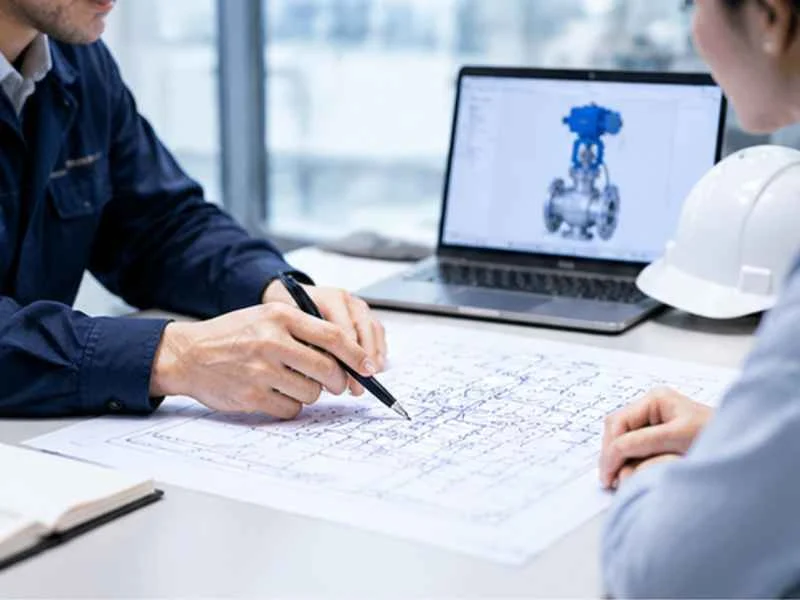
Application Review
Review of the medium, flow, pressure, temperature, equipment, operating function, installation, and project specifications.
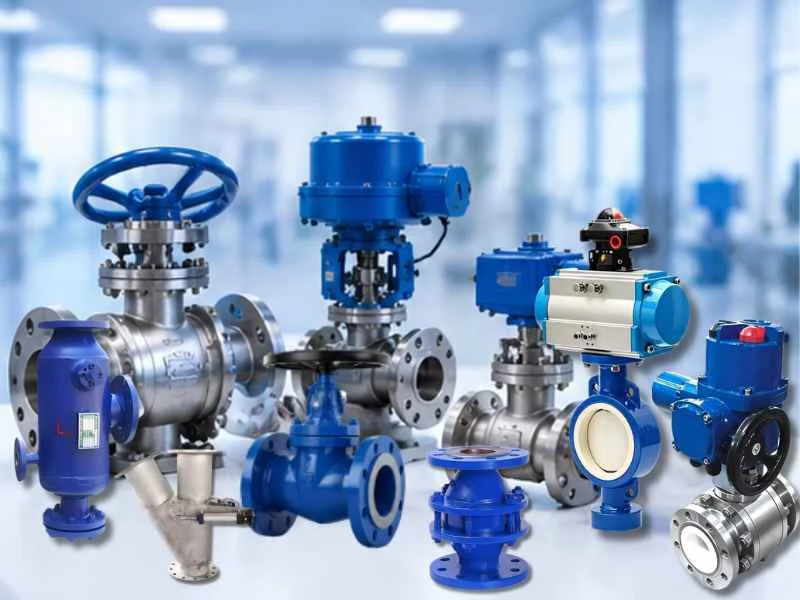
Product Selection
Evaluation of product type, size, capacity, pressure rating, connection, internal components, and accessories.
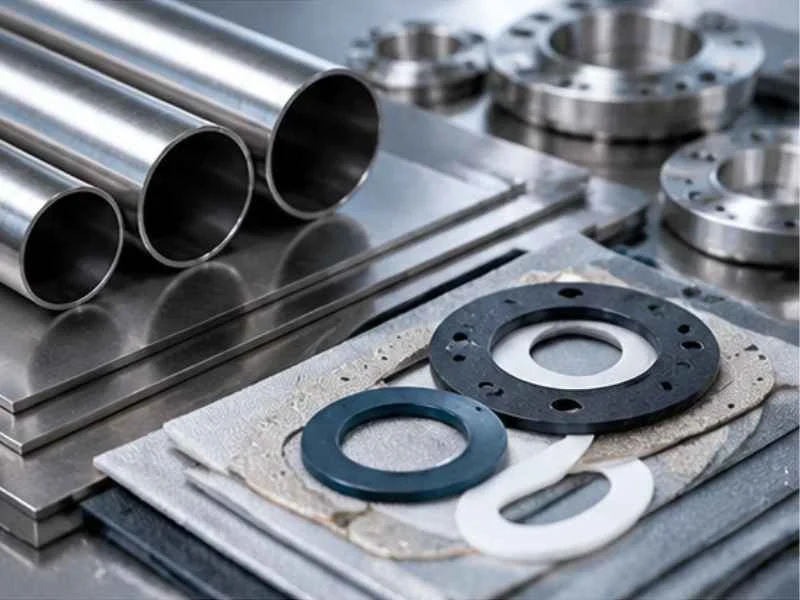
Sélection des matériaux
Selection of body, trim, screen, seal, lining, sleeve, coating, and special-alloy materials for the application.

Sizing and Capacity Review
Review of required flow, venting capacity, velocity, pressure drop, set points, duct dimensions, and operating margins.
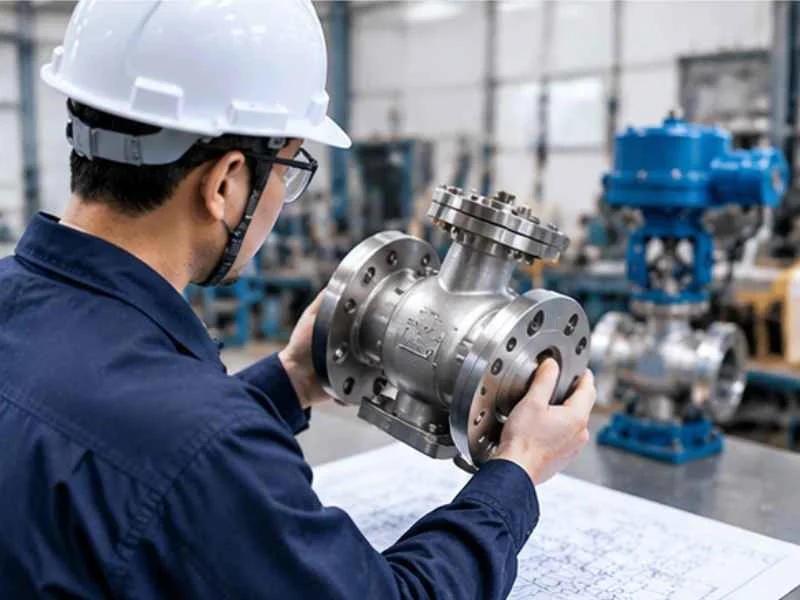
Custom Engineering
Evaluation of non-standard dimensions, materials, flanges, orientations, internals, actuators, and accessories.

Technical Documentation
Coordination of datasheets, drawings, material certificates, inspection records, test reports, and manuals.
Application Data
What Information Should You Send?
The quality of a product recommendation depends on the quality of the application data provided.
| Product Group | Essential Application Data | Key Engineering Decision |
|---|---|---|
| Tank Protection | Tank dimensions, medium, design pressure, design vacuum, temperature, filling rate, emptying rate, and connection | Valve type, set points, venting capacity, material, and installation arrangement |
| Pipeline Filtration | Medium, flow rate, pipe size, pressure, temperature, particle size, dirt load, and allowable pressure drop | Strainer type, filtration opening, screen area, material, and maintenance method |
| Industrial Dampers | Gas composition, flow, temperature, duct dimensions, pressure, leakage target, function, and operating frequency | Damper type, blade arrangement, material, sealing system, shaft, and actuator |
| Specialty Valves | Medium composition, solids content, particle size, viscosity, pressure, temperature, size, and operating function | Valve type, flow path, lining, sleeve, trim, seal, connection, and actuator |
| Replacement Products | Nameplate, manufacturer, model, dimensions, photographs, process data, connection, and failure history | Compatibility, upgrade options, installation changes, and replacement scope |
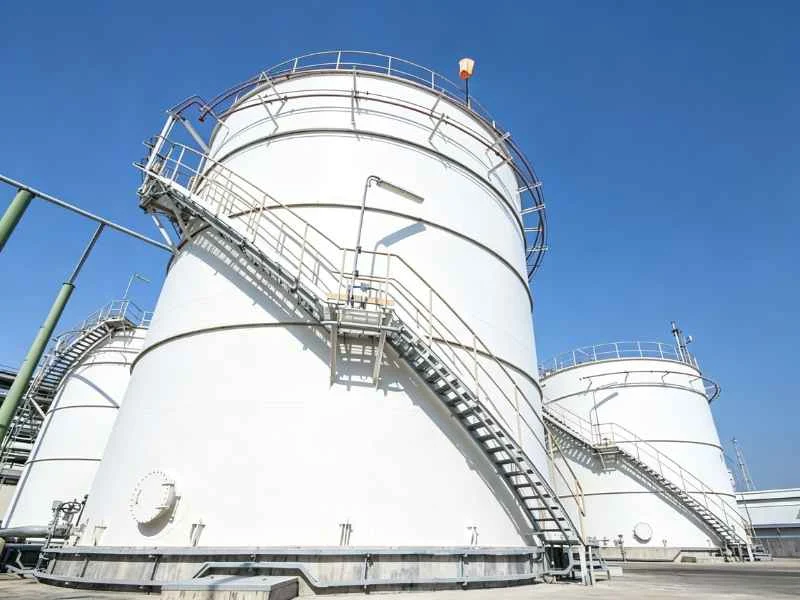
Tank Protection Engineering
How Do We Protect the Tank Without Affecting Operation?
Tank protection products must operate within the tank design limits while providing sufficient inbreathing, outbreathing, emergency relief, or flame-protection capacity.
- Review tank design pressure and design vacuum
- Evaluate filling and emptying rates
- Consider thermal breathing requirements
- Select appropriate pressure and vacuum set points
- Review vapor characteristics and material compatibility
- Evaluate inlet and outlet pressure losses
- Consider combined flame arrester arrangements
- Confirm installation and maintenance access
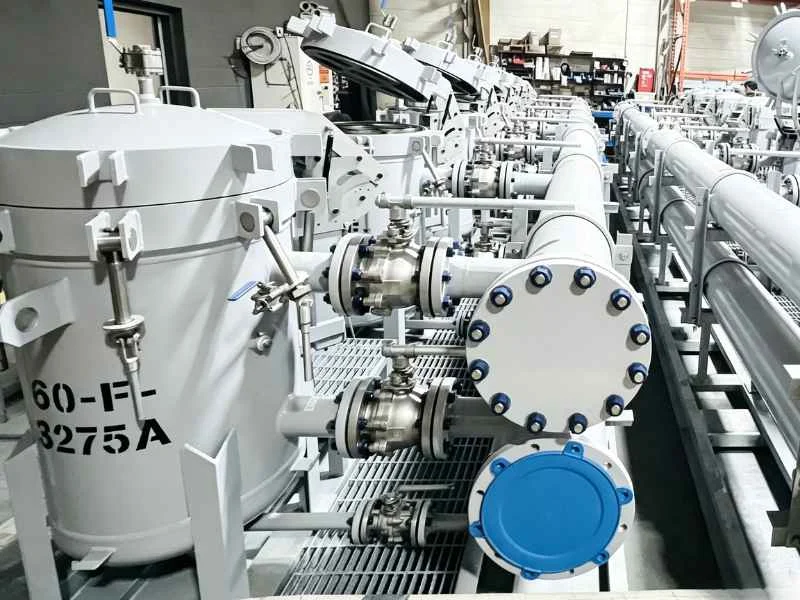
Pipeline Filtration Engineering
How Do We Protect Equipment Without Excessive Pressure Drop?
A strainer should capture damaging particles while maintaining sufficient flow and practical cleaning intervals.
- Identify the equipment requiring protection
- Review particle size, shape, hardness, and dirt load
- Select mesh or perforation around the protection requirement
- Evaluate clean and dirty pressure drop
- Confirm flow direction and installation orientation
- Provide sufficient screen or basket area
- Review cleaning frequency and maintenance access
- Consider duplex or self-cleaning designs for continuous service
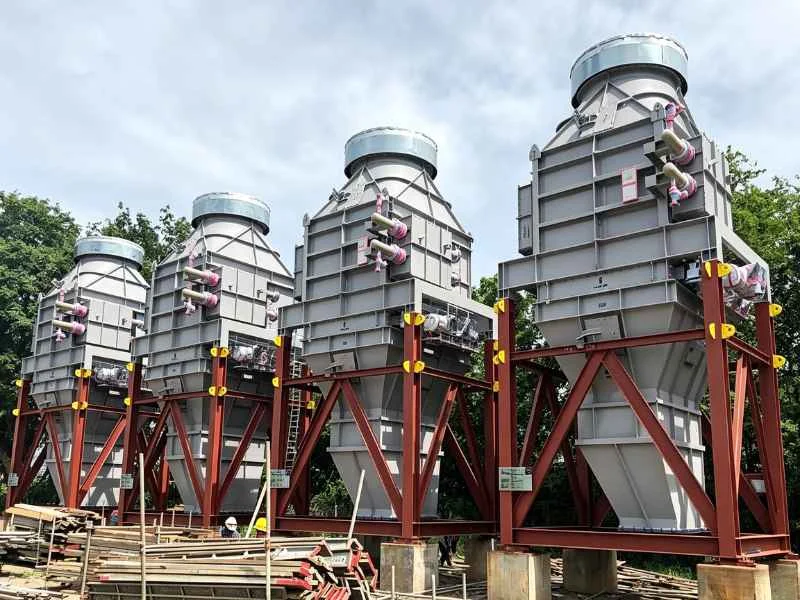
Damper Engineering
How Do We Control Hot, Corrosive, or Dust-Laden Gas?
Industrial dampers are engineered around the required function, duct geometry, gas conditions, leakage target, operating frequency, and actuator duty.
- Define regulation, isolation, balancing, or diversion duty
- Review normal and maximum gas temperature
- Consider corrosion, moisture, dust, and deposits
- Confirm round or rectangular duct dimensions
- Evaluate pressure forces and required actuator torque
- Select blade, shaft, bearing, and sealing arrangements
- Allow for thermal expansion and distortion
- Confirm fail position and control requirements
Specialty Valve Engineering
How Do We Handle Abrasion, Corrosion, and Solids?
Specialty valve selection begins with the process medium and failure mechanism rather than a standard valve name.
- Review solids concentration and particle characteristics
- Evaluate corrosion and chemical compatibility
- Consider settling, crystallization, and clogging
- Review viscosity and operating temperature
- Select a suitable flow path and body-cavity design
- Evaluate lining, sleeve, ceramic, and alloy options
- Confirm required sealing direction and leakage performance
- Review operating force, actuator, and maintenance frequency
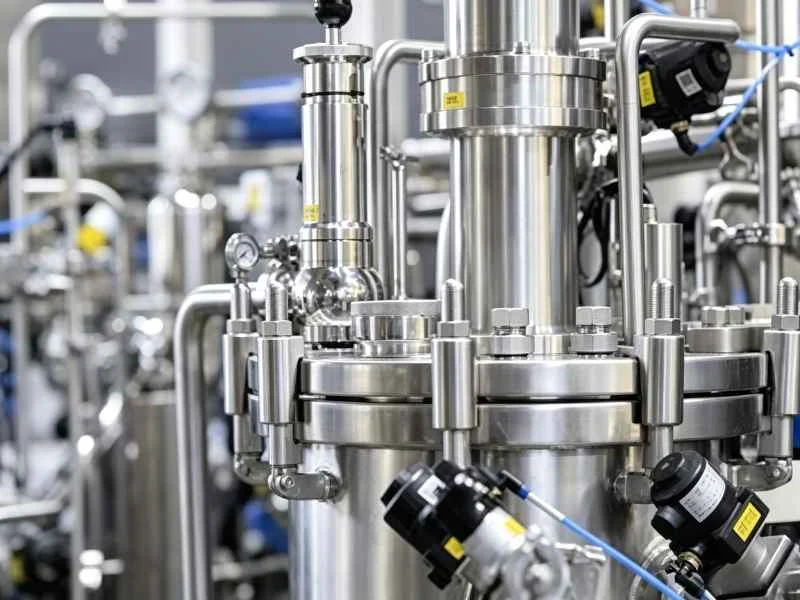
Sélection des matériaux
How Do We Evaluate Material Compatibility?
Material selection should consider all wetted components, not only the product body.
| Engineering Factor | Questions to Review | Components Affected |
|---|---|---|
| Chemical Compatibility | What is the medium, concentration, pH, contamination level, and chemical composition? | Body, trim, lining, sleeve, seat, gasket, and packing |
| Température | What are the normal, maximum, minimum, startup, and cleaning temperatures? | Body, seals, springs, bearings, lining, actuator, and coating |
| Abrasion | What are the solids concentration, particle size, hardness, shape, and velocity? | Flow path, screen, seat, trim, sleeve, blade, and coating |
| Pression | What are the design pressure, operating pressure, differential pressure, and vacuum conditions? | Body, cover, flange, shaft, seat, fasteners, and actuator |
| External Environment | Is the installation exposed to coastal air, rain, dust, freezing, heat, or chemicals? | External coating, fasteners, actuator, switches, and enclosure |
| Maintenance Strategy | How often can the equipment be inspected, cleaned, isolated, or replaced? | Cover design, removable parts, spare components, and access arrangement |
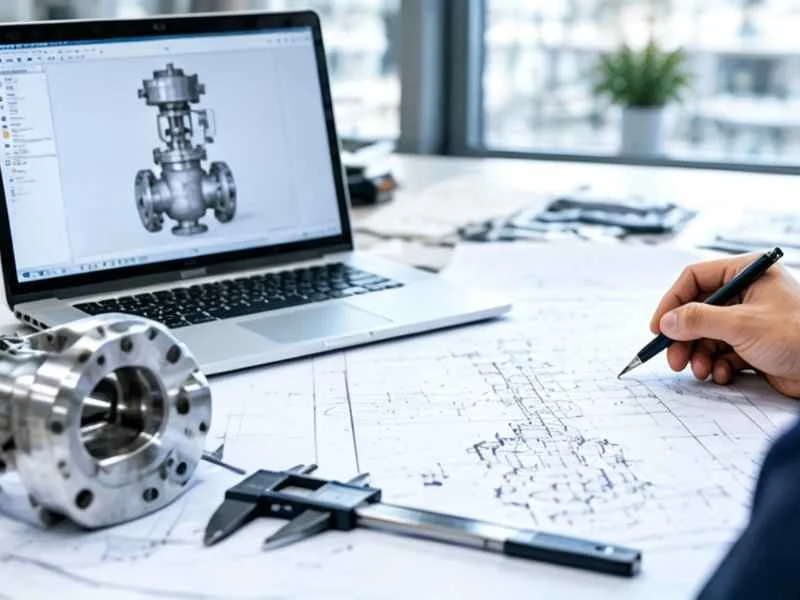
Custom Engineering
What If a Standard Product Does Not Fit?
Custom engineering may be appropriate when the required size, material, connection, capacity, orientation, sealing arrangement, or operating method is not available in a standard configuration.
- Non-standard dimensions and pressure ratings
- Special flange standards and drilling
- Alternative nozzle or duct orientations
- Special body and internal materials
- Custom mesh, perforation, lining, sleeve, or coating
- Special set points and venting capacities
- Custom actuator, linkage, and accessory arrangements
- Installation-space and maintenance-access adjustments
- Replacement and retrofit compatibility
Engineering Deliverables
What Technical Documents Can You Request?
The required document list should be agreed during quotation and confirmed before production.
Selection Documents
- Product datasheet
- Technical proposal
- Material recommendation
- Capacity or sizing information
- Product comparison
Approval Documents
- General arrangement drawing
- Connection dimensions
- Actuator and accessory details
- Bill of materials
- Inspection and test plan
Final Documents
- Material certificates
- Inspection records
- Applicable test reports
- Installation manual
- Operation and maintenance manual
Replacement Engineering
Can You Replace an Existing Product Without Major Piping Changes?
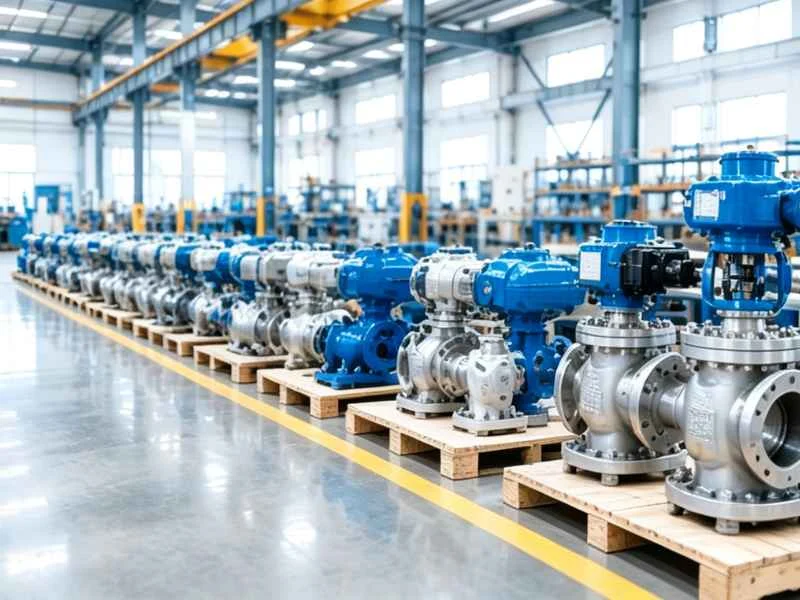
Replacement compatibility requires more than matching the nominal size. We compare the existing product, process duty, connection geometry, available space, and failure history.
- Existing manufacturer and model
- Nameplate and product photographs
- Face-to-face or installation dimensions
- Flange standard, size, rating, and drilling
- Flow direction and installation orientation
- Actuator dimensions and power supply
- Existing operating problem or failure mode
- Required spare parts and future maintenance access
Engineering Workflow
From Process Data to Approved Product
Define the Problem
Tell us what needs to be protected, filtered, controlled, isolated, upgraded, or replaced.
Review the Application
We review process data, specifications, drawings, installation conditions, and customer concerns.
Confirm the Solution
Product type, material, size, configuration, documents, testing, and delivery scope are confirmed.
Support Delivery
Engineering questions, production changes, inspection, installation, and after-sales issues are coordinated.

Verification Support
How Is the Engineering Requirement Verified?
Engineering requirements should be connected to defined inspection points, acceptance criteria, and project records.
- Approved datasheet and drawing review
- Material and component verification
- Critical dimensional inspection
- Applicable pressure and leakage testing
- Set-point or functional testing where applicable
- Actuator and accessory operation checks
- Customer or third-party witness points where agreed
- Final document-package review
Start an Engineering Review
Send Us Your Process Conditions
Provide your medium, flow, pressure, temperature, size, material, operating function, installation conditions, technical specification, and current operating concerns.

Questions fréquemment posées
Engineering Support FAQ
What information is required for product selection?
Please provide the medium, flow, pressure, temperature, size, material, operating function, connection, installation conditions, and applicable specifications.
Can you recommend a product from a datasheet?
Yes. A completed datasheet can be reviewed together with process information, drawings, specifications, and any special project requirements.
Can you help select materials for corrosive service?
Material options can be evaluated from the medium, concentration, temperature, pressure, contaminants, velocity, solids, and expected service conditions.
Can you calculate pressure drop or capacity?
Applicable sizing, capacity, or pressure-drop information can be reviewed when complete operating data and the required calculation basis are available.
Can you manufacture a non-standard size?
Non-standard dimensions, materials, connections, internals, actuators, and accessories can be evaluated according to technical feasibility.
Can you replace another manufacturer’s product?
Replacement can be evaluated using the existing nameplate, dimensions, drawings, photographs, process conditions, connection details, and failure history.
Can you provide drawings before production?
Approval drawings can be provided when included in the agreed order scope. Production can proceed after the required technical confirmation.
Can customers review the material and testing plan?
Material requirements, inspection points, test methods, acceptance criteria, and documentation can be defined in the agreed quality plan.
Do you support installation and commissioning?
Installation guidance, document review, troubleshooting, and remote technical support can be coordinated according to the project scope.
Can you provide spare-parts recommendations?
Recommended spare parts can be prepared according to the product type, quantity, operating duty, maintenance strategy, and expected service period.
 English
 Arabic
 Russian
 French
 Spanish