
Industry Solutions
Water & Wastewater Filtration and Valve Solutions
BCST provides strainers, filters and solids-handling valves for municipal water, industrial wastewater, sludge and treatment-chemical systems. Our solutions help protect equipment, control debris, isolate slurry and support reliable plant maintenance.
- Strainers for pumps, meters and process equipment
- Automatic filters for continuous water systems
- Knife gate valves for sludge and solids-bearing flow
- Pinch valves with replaceable flexible sleeves
- Slurry valves for abrasive treatment processes
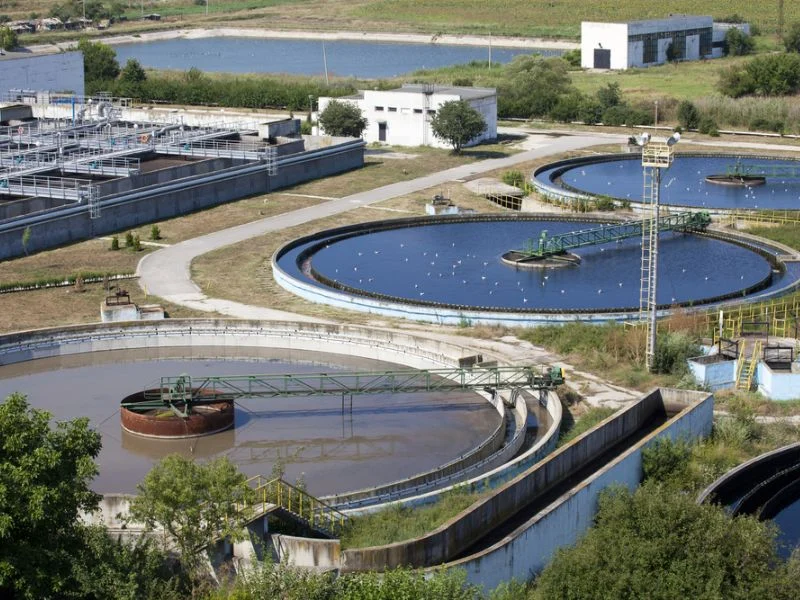
Remove Debris
Capture damaging solids before pumps, meters and treatment equipment.
Control Sludge
Select full-bore and low-cavity valves for solids-bearing flow.
Resist Wear
Match sleeves, seats and liners to abrasive process conditions.
Simplify Maintenance
Use accessible or replaceable components to reduce service time.
Product Portfolio
Products for Water, Sludge and Slurry Systems
Select each product according to the medium, particle characteristics, flow rate, pressure and maintenance requirements.
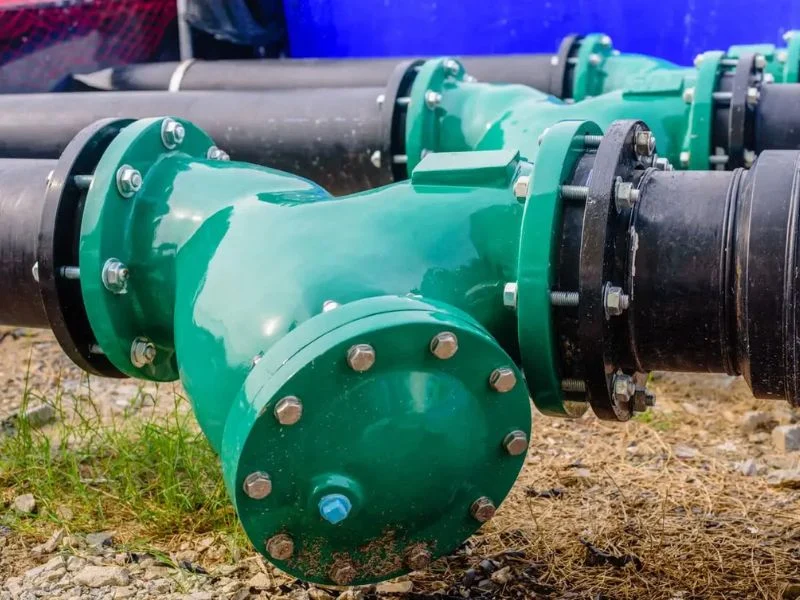
Crépine
Captures larger debris before it reaches pumps, meters, valves, nozzles and downstream equipment.
- Filtre en Y
- Basket strainer
- Duplex strainer
- Temporary strainer
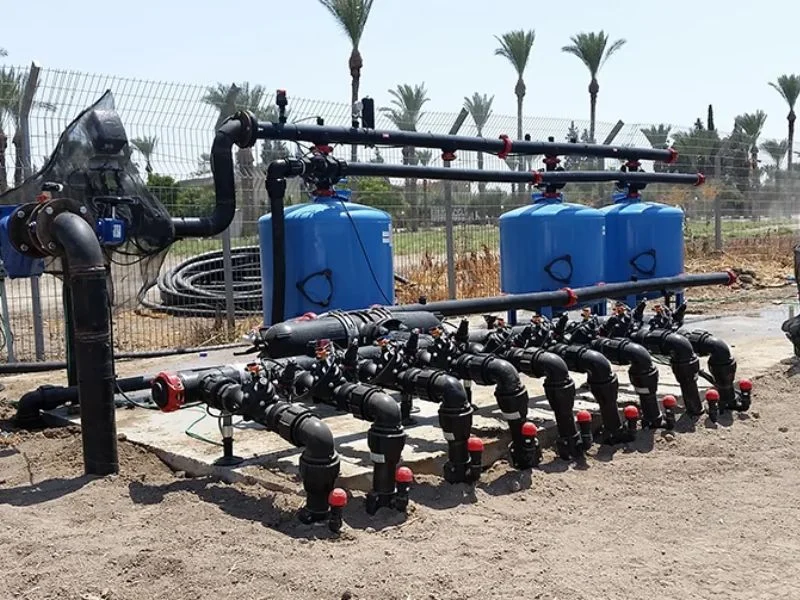
Filter
Provides finer or continuous filtration where debris load and cleaning frequency exceed simple strainer duties.
- Self-cleaning filter
- Backwash filter
- Basket filter
- Project-specific filtration packages
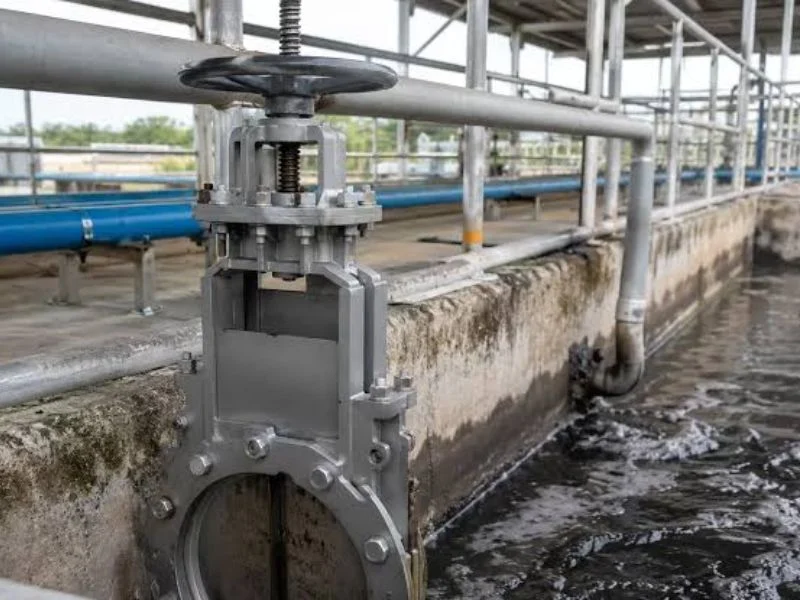
Vanne à guillotine
A sliding gate cuts through solids-bearing media and provides compact isolation for sludge and wastewater lines.
- Unidirectional or bidirectional options
- Metal or resilient seating
- Rising-stem configurations
- Manual or automated operation
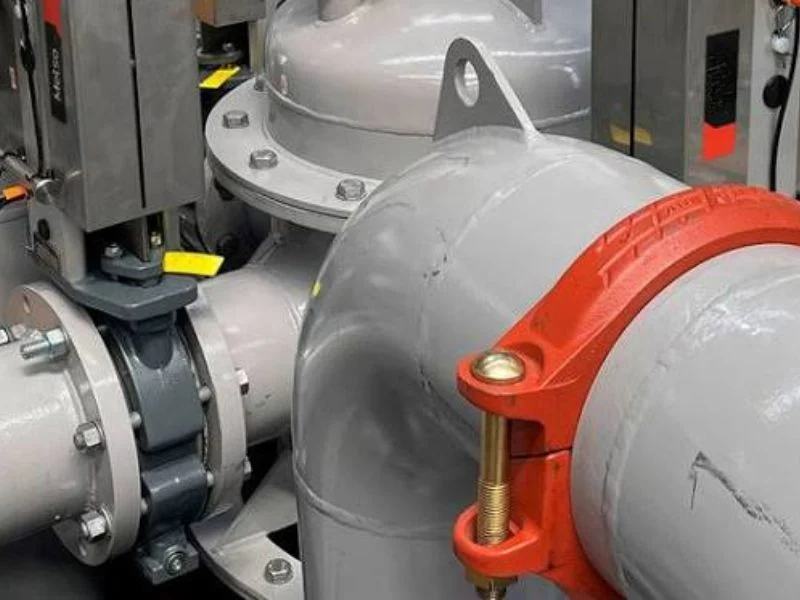
Valve à pincement
A flexible sleeve forms the process passage and isolates most mechanical components from the medium.
- Full-bore flow path
- Replaceable elastomer sleeve
- Suitable for abrasive slurry
- On-off or suitable control duties
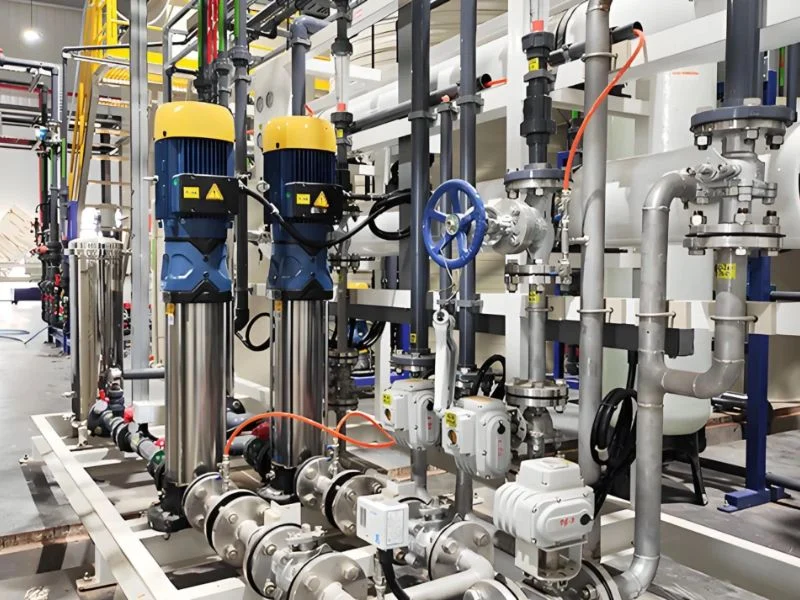
Slurry Valve
Engineered for media containing abrasive solids, grit or mineral particles that can rapidly damage standard valve trim.
- Wear-resistant internal components
- Reduced-cavity construction
- Replaceable seats and liners
- Application-specific actuation
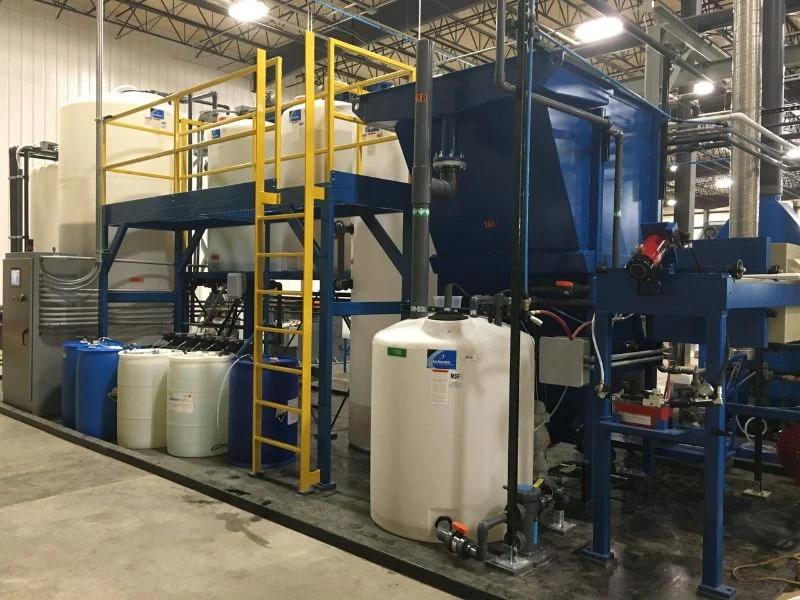
Custom Flow Solution
Combined filtration and valve configurations for unusual debris loads, corrosive chemicals or restricted installation spaces.
- Custom materials and connections
- Automated cleaning options
- Actuator and accessory packages
- Project-specific documentation
Product Comparison
Match the Product to the Process Duty
| Product | Fonction principale | Typical Media | Avantage clé | Critical Selection Data |
|---|---|---|---|---|
| Crépine | Remove larger pipeline debris | Raw water, process water and cooling water | Simple equipment protection | Flow rate, particle size and pressure drop |
| Automatic Filter | Continuous or finer filtration | Intake water, recycled water and utility water | Reduced manual cleaning frequency | Filtration rating, debris load and cleaning method |
| Vanne à guillotine | Sludge and solids isolation | Wastewater, sludge and fibrous media | Compact body and cutting gate action | Solids content, pressure and flow direction |
| Valve à pincement | Isolation or suitable flow control | Abrasive slurry and suspended solids | Full-bore replaceable sleeve | Sleeve compatibility and operating pressure |
| Slurry Valve | Severe solids-handling service | Grit, lime slurry and mineral-bearing wastewater | Wear-resistant construction | Particle hardness, velocity and pressure differential |
Domaines d'application
Solutions Across the Treatment Process
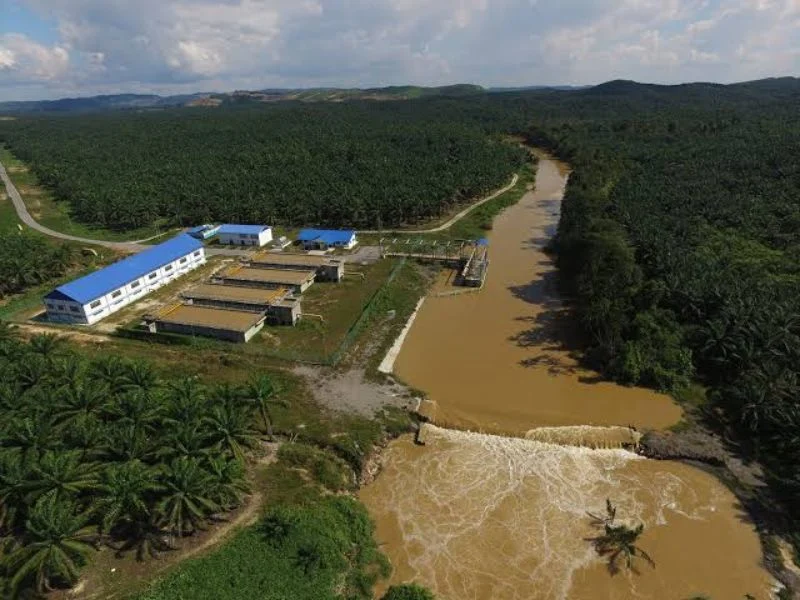
Raw Water Intake
Strainers and filters remove leaves, fibers, scale and suspended debris before pumps and treatment equipment.
- Pump-suction protection
- Basket or duplex strainers
- Automatic filtration options
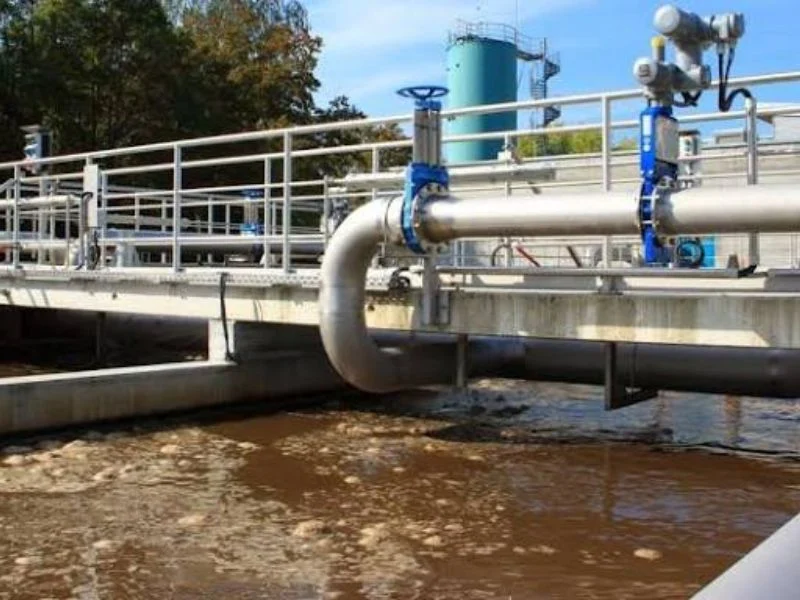
Primary Treatment
Knife gate and pinch valves isolate solids-bearing wastewater around screening, settling and transfer equipment.
- Screening-system isolation
- Settled-solids discharge
- Grit-handling service
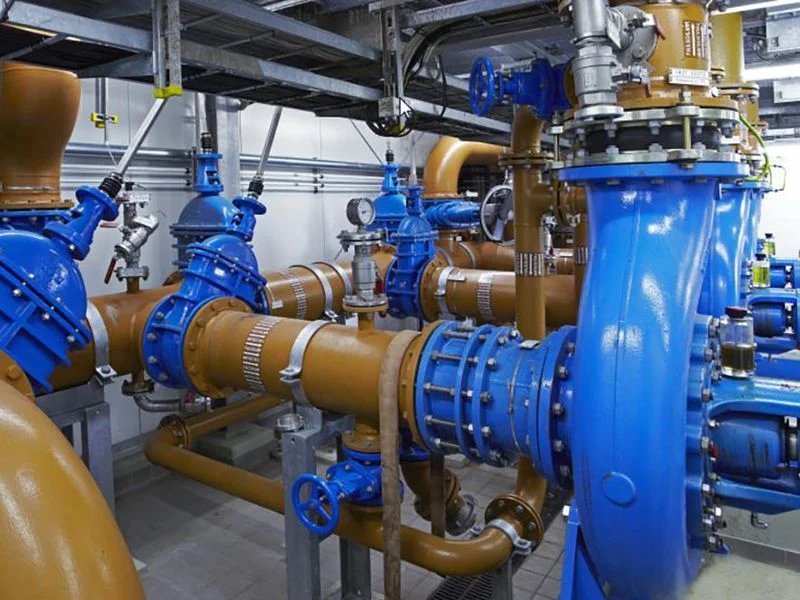
Sludge Handling
Low-cavity and full-bore valves reduce areas where thick sludge, fibers and solids can accumulate.
- Sludge-pump isolation
- Thickener discharge
- Digester and dewatering lines
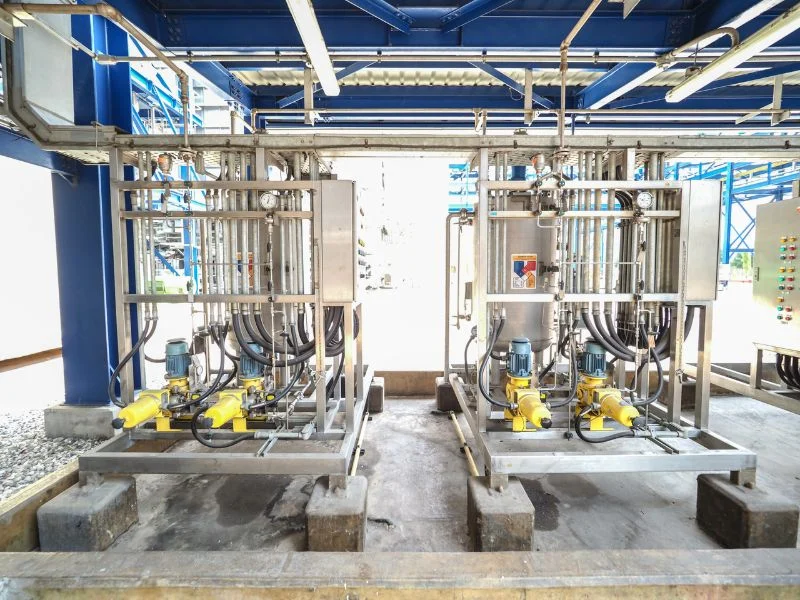
Chemical Treatment
Material-compatible valves support lime, coagulant, disinfectant and pH-adjustment systems.
- Corrosion-resistant materials
- Lined valve options
- Process-compatible sealing

Industrial Wastewater
Wear-resistant valves handle abrasive wastewater generated by mining, power, steel and chemical processes.
- Abrasive slurry isolation
- Corrosive wastewater service
- Replaceable wear components
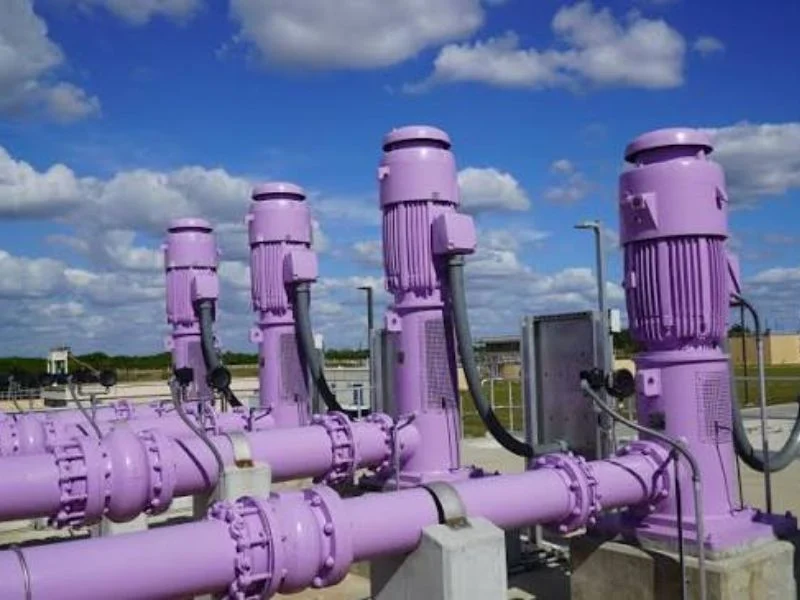
Reclaimed and Utility Water
Filters protect spray nozzles, heat exchangers and utility systems using treated or recycled water.
- Self-cleaning filtration
- Backwash systems
- Continuous-flow protection
Screen and Filter
Remove damaging debris before it reaches critical plant equipment.
Isolate and Control
Select valve geometry that matches sludge and slurry behavior.
Maintain and Renew
Use accessible screens and replaceable wear parts to simplify service.
Filtration Engineering
Selecting a Strainer or Filter
The correct filtration product protects downstream equipment without creating unacceptable pressure loss or excessive maintenance.
- Identify the equipment that requires protection.
- Determine the largest acceptable downstream particle size.
- Define the water flow rate and operating pressure.
- Estimate debris type, concentration and loading frequency.
- Calculate clean and dirty differential pressure.
- Confirm whether flow can stop during cleaning.
- Select manual, duplex, self-cleaning or backwash operation.
- Provide safe access for debris removal and maintenance.
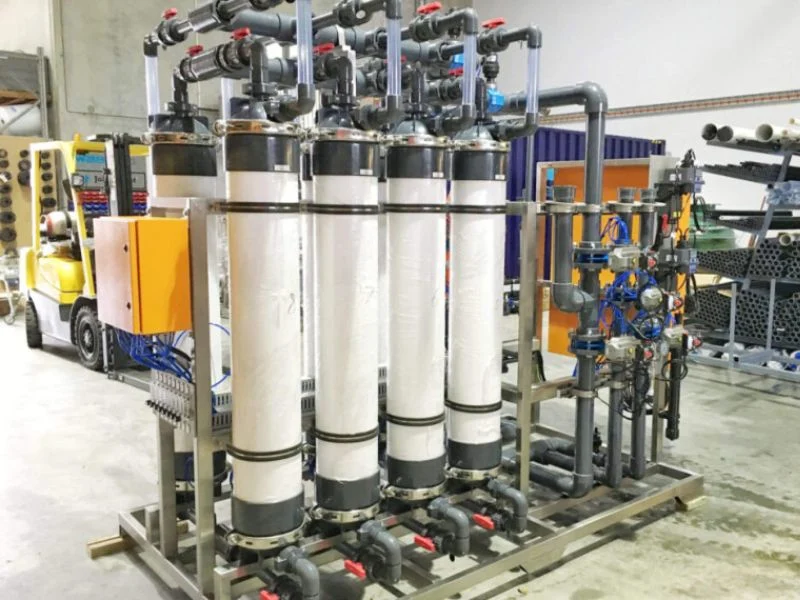
Filtration Options
Strainer and Filter Comparison
| Equipment Type | Typical Duty | Cleaning Method | Best Suited For |
|---|---|---|---|
| Y Strainer | General pipeline protection | Manual screen removal | Compact utility and branch lines |
| Filtre à panier | Higher debris-holding capacity | Manual basket removal | Pump suction and process-water lines |
| Duplex Strainer | Continuous pipeline protection | Chamber changeover and basket cleaning | Systems that should remain in operation |
| Self-Cleaning Filter | Recurring contamination | Automatic cleaning cycle | Continuous water and utility systems |
| Backwash Filter | Suitable high-flow filtration | Reverse-flow cleaning | Installations with backwash and discharge provisions |
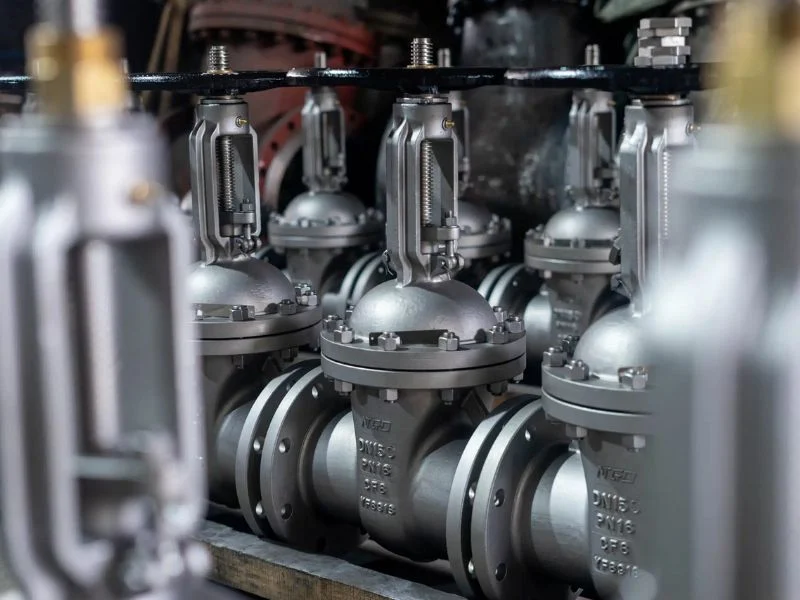
Valve Engineering
Selecting Valves for Sludge and Slurry
Sludge and slurry behave differently from clean water. Solids can settle, pack into cavities, abrade trim and prevent conventional seats from closing.
- Define the solids percentage by weight or volume
- Provide particle size, shape and hardness
- Identify fibers, rags or stringy material
- Confirm whether solids settle during shutdown
- Review velocity and pressure differential
- Select compatible seat, sleeve and liner materials
- Avoid unnecessary cavities in the process passage
- Size the actuator for deposits and closing resistance
Valve Comparison
Knife Gate, Pinch or Slurry Valve?
| Selection Factor | Vanne à guillotine | Valve à pincement | Slurry Valve |
|---|---|---|---|
| Flow passage | Compact gate passage | Full-bore flexible sleeve | Application-specific low-cavity design |
| Typical media | Sludge, fibers and suspended solids | Abrasive slurry and thick media | Grit, mineral slurry and severe solids |
| Primary wear component | Seat and gate | Replaceable sleeve | Seat, liner and protected trim |
| Common duty | On-off isolation | On-off or suitable throttling | Severe-service isolation or control |
| Main selection concern | Flow direction and solids packing | Sleeve compatibility and pressure | Abrasion, velocity and pressure drop |
Sélection des matériaux
Materials for Water and Wastewater Service
Body and Pressure Parts
- Cast iron or ductile iron for suitable water duties
- Carbon steel for industrial process systems
- Stainless steel for corrosion resistance
- Special alloy for aggressive chemical service
Seats, Sleeves and Liners
- Natural rubber for suitable abrasive slurry
- EPDM for compatible water and chemical service
- NBR for suitable oil-bearing wastewater
- Engineered elastomers for application-specific duties
Filter Elements and Trim
- Stainless steel screens and baskets
- Perforated or woven-mesh elements
- Hardened trim for abrasive conditions
- Ceramic protection for selected severe wear
Send Us Your Water or Slurry Data
Share the flow rate, pressure, temperature, solids content, particle size and required function. Our team will help identify a suitable filtration or valve solution.
Selection Checklist
Information Required for Engineering Review
Process Data
- Raw water, wastewater, sludge or slurry type
- Normal and maximum flow rate
- Operating and design pressure
- Operating and design temperature
- Solids concentration
- Particle size, shape and hardness
- Fibrous or stringy material content
- Chemical composition and pH
Equipment Requirements
- Filtration, isolation or control function
- Required filtration rating
- Perte de charge admissible
- Valve size and connection standard
- Required shutoff performance
- Operating frequency and cycle time
- Manual or automated operation
- Inspection and documentation requirements
Manufacturer Support
From Application Review to Delivery
1. Application Review
We evaluate the medium, solids, flow conditions and equipment function.
2. Product Selection
Product type, size, materials, filtration rating or valve trim are prepared for confirmation.
3. Inspection and Testing
Applicable material, dimensional, pressure and functional checks are completed.
4. Documentation
Approved drawings and agreed inspection records are prepared according to the order.
Inspection and Maintenance
Maintain Reliable Plant Operation
- Monitor differential pressure across strainers and filters
- Clean screens before excessive restriction develops
- Inspect baskets for deformation, corrosion and damaged mesh
- Flush settled solids from valve and pipeline low points
- Inspect knife gate seats and gate surfaces for wear
- Replace pinch-valve sleeves before external leakage occurs
- Check slurry-valve liners, seats and protected trim
- Verify actuator travel, accessories and fail action
Questions fréquemment posées
Water & Wastewater FAQ
What is the difference between a strainer and a filter?
A strainer usually removes larger debris for equipment protection. A filter may provide finer separation or an automatic cleaning function, depending on the design.
Which strainer is suitable for continuous operation?
A duplex strainer may allow one chamber to remain in service while the other basket is cleaned. Automatic filters may also be considered for suitable applications.
How is the correct filtration rating selected?
The opening should retain particles that could damage downstream equipment while maintaining an acceptable clean and dirty pressure drop.
Why are knife gate valves used for wastewater?
The compact sliding gate can cut through suitable solids-bearing media and provides practical isolation for sludge, fibers and wastewater.
When should a pinch valve be selected?
A pinch valve is often considered when a full-bore passage and replaceable flexible sleeve are advantageous for abrasive slurry or suspended solids.
Can a pinch valve be used for flow control?
Selected pinch-valve designs can provide suitable throttling, but sleeve construction, operating pressure, control range and abrasion must be reviewed.
What makes a slurry valve wear resistant?
Wear resistance comes from suitable flow geometry, protected sealing surfaces and materials selected for particle hardness, velocity and impact conditions.
What information is required for a quotation?
Provide the medium, flow, pressure, temperature, solids concentration, particle data, required function, size, connection and actuator preference.
 English
 Arabic
 Russian
 French
 Spanish