
Abrasive Media Flow Control
Slurry Valve Manufacturer
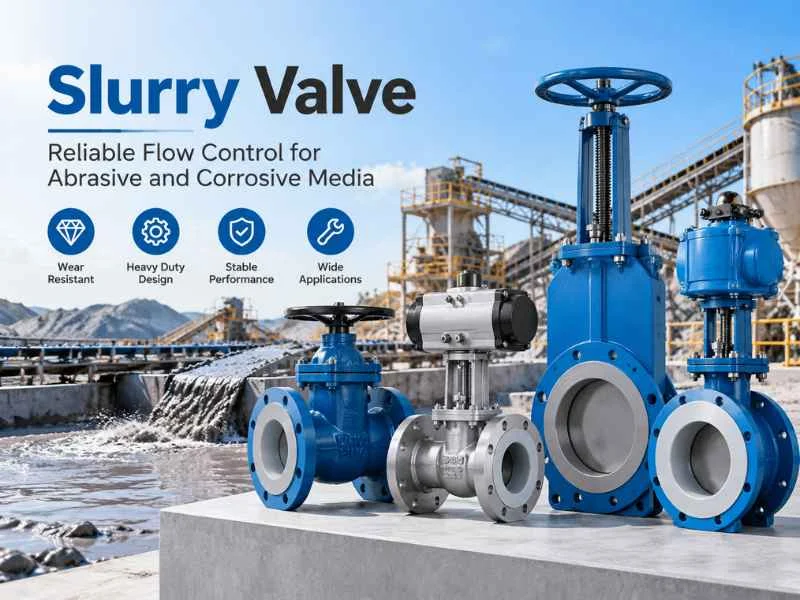
BCST manufactures industrial slurry valves for isolating and controlling liquids containing abrasive, corrosive or settling solids. Each valve is selected around the slurry composition, solids concentration, particle characteristics, pressure, temperature, operating frequency and required shutoff performance.
- Pinch, knife gate, ball and engineered slurry valve options
- Full-port and unobstructed-flow configurations
- Abrasion-resistant sleeves, seats and wear components
- Manual, pneumatic, electric or hydraulic operation
- Custom materials, connections and control accessories
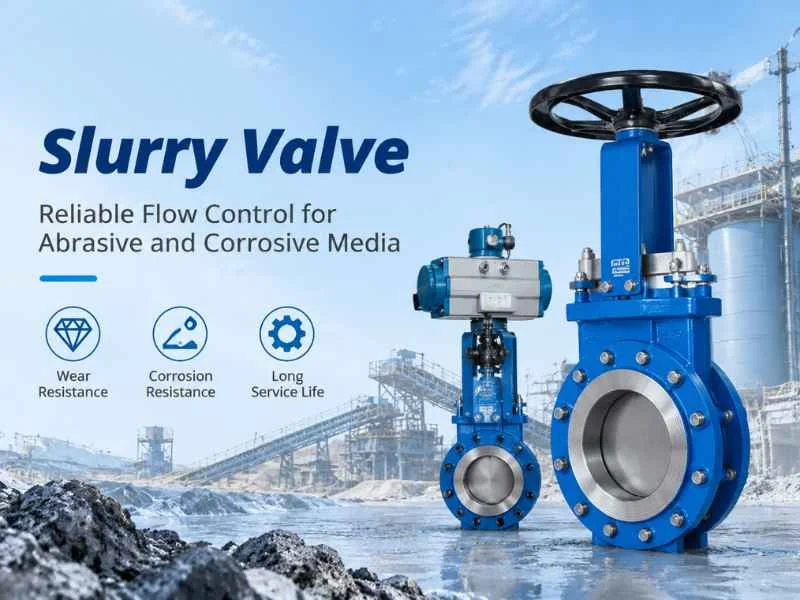
Abrasive Media
Select wear components for mineral particles, ash, sand and process solids.
Solids Passage
Configure the flow path to reduce trapping, bridging and internal obstruction.
Replaceable Wear Parts
Use serviceable sleeves, seats, liners and other application-dependent parts.
Engineered Actuation
Size the operator for pressure, deposits, friction and required closing force.
Product Collection
Slurry Valve Configurations
Select the valve design according to the slurry behavior, particle size, pressure class, operating duty and maintenance strategy.
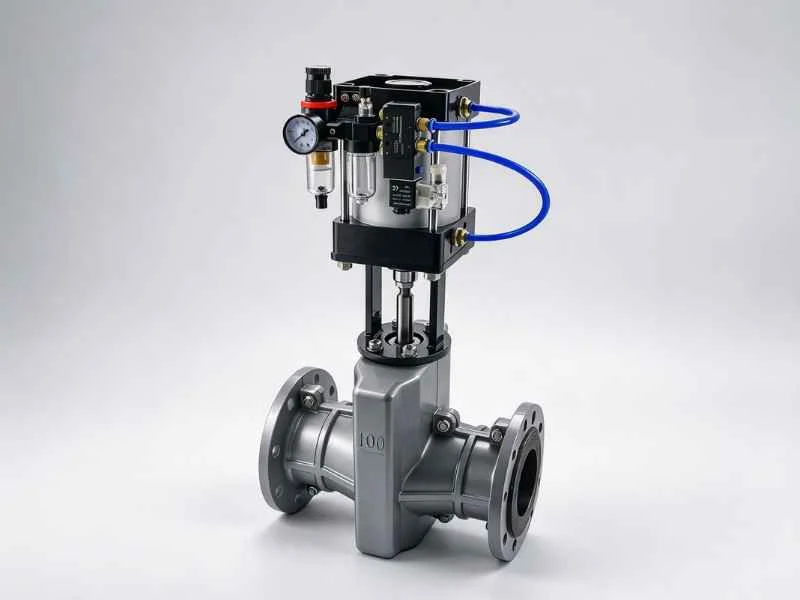
Slurry Pinch Valve
A flexible sleeve provides an unobstructed passage and isolates the slurry from the body and operating mechanism.
- Full-bore flow path
- Replaceable elastomer sleeve
- Suitable for abrasive slurry
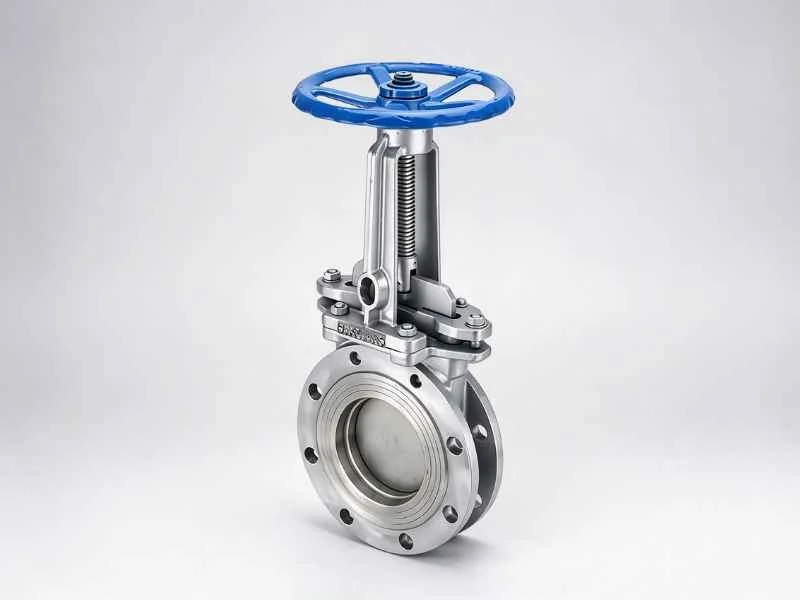
Slurry Knife Gate Valve
A gate travels through the flow path to isolate dense slurry and solids-bearing process lines.
- Compact face-to-face dimension
- Isolation-focused operation
- Replaceable seat and wear options
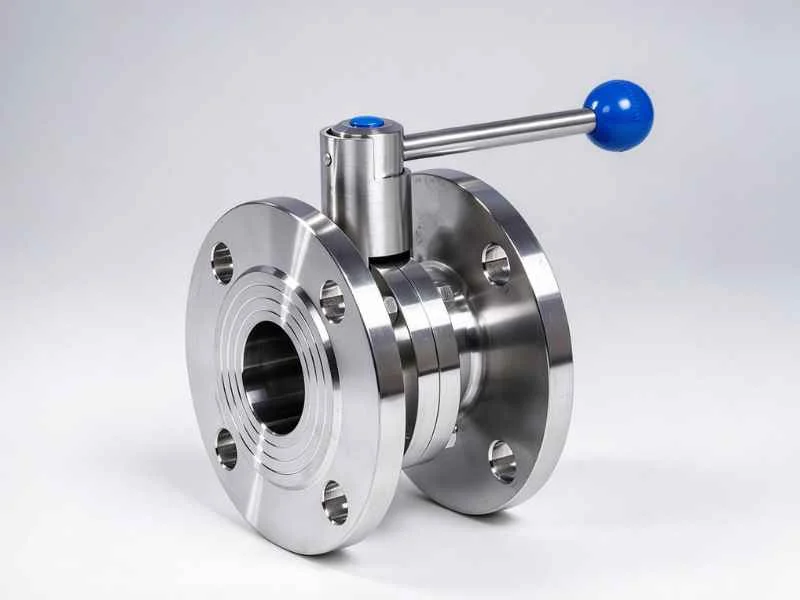
Slurry Ball Valve
A full-port rotating ball provides quarter-turn isolation for compatible slurry and solids-bearing services.
- Full-port configuration
- Fast quarter-turn operation
- Engineered seats and coatings
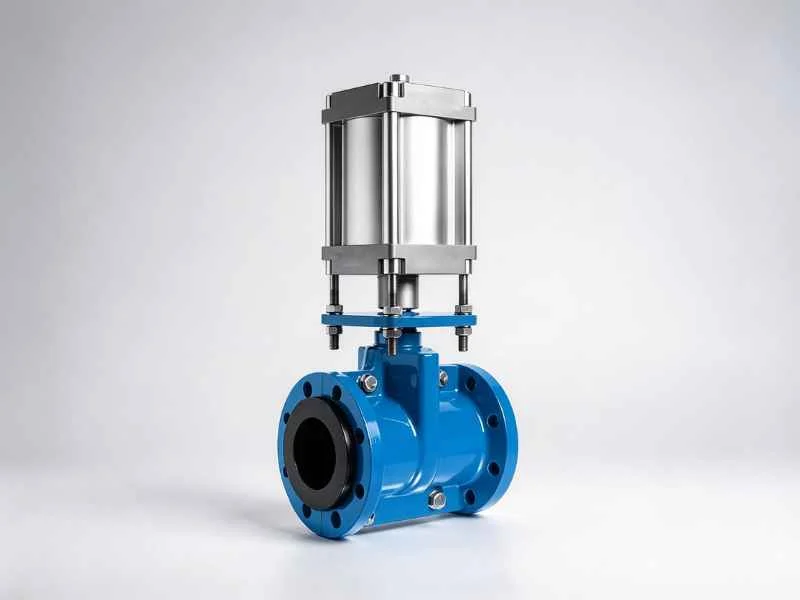
Slurry Control Valve
An engineered trim and actuator regulate slurry flow where continuous control is required.
- Modulating service
- Abrasion-resistant trim options
- Application-specific flow path
Product Comparison
Choose the Appropriate Slurry Valve
| Type de vanne | Fonction principale | Typical Strength | Important Limitation | Selection Priority |
|---|---|---|---|---|
| Pinch valve | Isolation or application-dependent control | Unobstructed sleeve flow path | Sleeve compatibility and pressure limits | Abrasion, chemistry and cycle frequency |
| Vanne à guillotine | Open-close isolation | Compact design for solids-bearing media | Generally not preferred for continuous throttling | Seat design and solids accumulation |
| Full-port ball valve | Quarter-turn isolation | Low-obstruction open flow path | Seat exposure to abrasive particles | Seat, coating and cavity design |
| Slurry control valve | Continuous flow regulation | Engineered control characteristics | Trim wear under high-velocity slurry | Velocity, pressure drop and cavitation risk |
| Lined valve | Isolation of corrosive slurry | Process-contact corrosion protection | Liner temperature and abrasion limits | Chemical compatibility and particle behavior |
Selection Approach
Start with the Slurry, Not Only the Pipe Size
Two pipelines of the same size may require different valves because particle hardness, solids loading, pressure and settling behavior can significantly change wear and operating force.
- Identify the liquid phase: Confirm chemistry, concentration, density and temperature.
- Describe the solids: Provide particle size, shape, hardness and concentration.
- Review flow behavior: Identify settling, scaling, crystallization or fibrous content.
- Define the valve duty: Confirm isolation, frequent cycling or continuous regulation.
- Evaluate wear locations: Consider seats, sleeves, body liners, trim and downstream piping.
- Select the operator: Account for pressure, friction, deposits and required closing force.
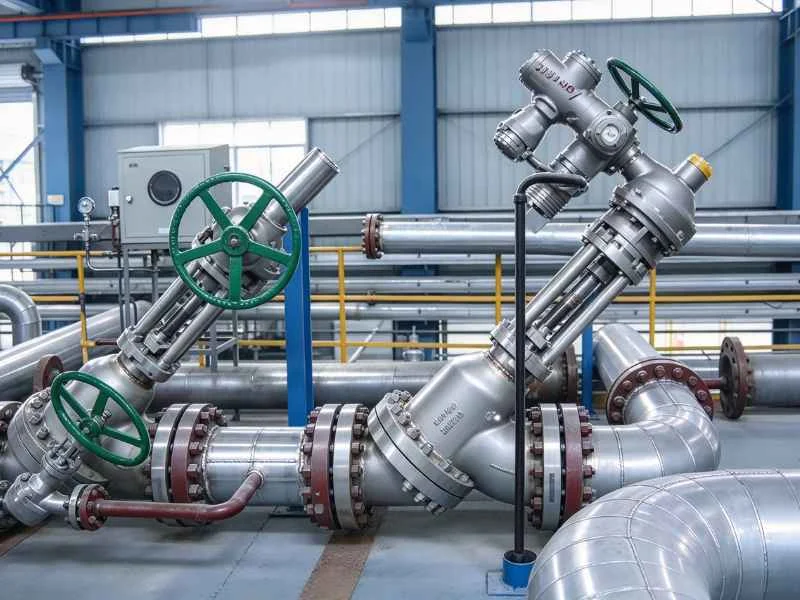
Particle Characteristics
Provide size, hardness, shape and concentration—not only the name of the slurry.
Flow Velocity
Control local velocity to reduce erosion of seats, liners, trim and downstream piping.
Operating Duty
Distinguish between isolation, frequent cycling and continuous throttling service.
Technical Configuration
Configurable Slurry Valve Specifications
Available specifications depend on the selected valve type, materials and approved operating conditions.
| Paramètres | Available Engineering Options | Selection Basis |
|---|---|---|
| Nominal size | Model-dependent size range | Pipeline size, flow rate and particle passage |
| Pressure class | Selected according to valve construction | Operating, design and differential pressure |
| Température de fonctionnement | Material- and seal-dependent range | Normal, minimum and maximum temperature |
| Body material | Cast iron, ductile iron, carbon steel, stainless steel or alloy | Pressure, chemistry and external environment |
| Wetted components | Elastomer, stainless steel, alloy or wear-resistant material | Abrasion, corrosion and particle characteristics |
| Wear protection | Replaceable sleeve, seat, liner, trim or coating | Expected erosion pattern and maintenance strategy |
| Connexion | Flanged, wafer, lug, threaded or project-specific | Piping standard and installation layout |
| Fonctionnement | Manual, pneumatic, electric or hydraulic | Size, pressure, cycle frequency and plant utilities |
| Control accessories | Solenoid, regulator, switches and position feedback | Plant control philosophy |
| Flushing provisions | Ports or engineered cleaning arrangement where applicable | Settling, crystallization and maintenance requirements |
Wear Management
Protect the Components Exposed to Slurry
Slurry wear is affected by more than material hardness. Particle impact angle, velocity, turbulence, pressure drop and operating position also influence service life.
- Use a full-bore or low-obstruction flow path where appropriate
- Avoid unnecessary high velocity across restricted openings
- Select replaceable sleeves, seats, liners or trim
- Review partially open operation and local turbulence
- Consider settling solids around seats and body cavities
- Provide maintenance access to expected wear components
- Monitor downstream piping near high-velocity outlets
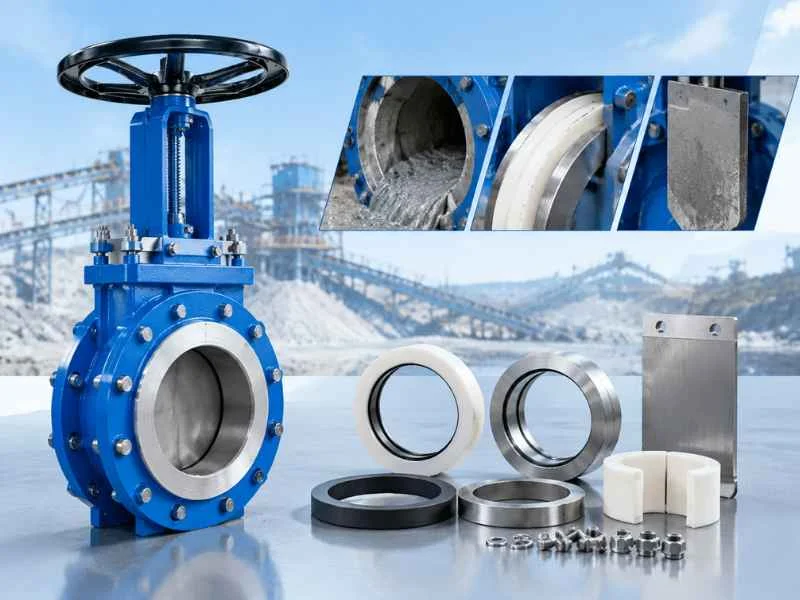
Sélection des matériaux
Materials for Abrasive and Corrosive Slurry
| Material Option | Typical Strength | Engineering Consideration |
|---|---|---|
| Natural rubber | Strong abrasion resistance and flexibility | Verify chemical, oil and temperature compatibility |
| EPDM | Resistance to water and selected chemicals | Generally unsuitable for many petroleum-based fluids |
| NBR | Resistance to oils and selected hydrocarbons | Confirm slurry chemistry and temperature |
| Acier inoxydable | Corrosion resistance for compatible media | May require added protection against severe abrasion |
| Wear-resistant alloy | Improved resistance to erosive particles | Review impact, corrosion and fabrication requirements |
| Ceramic or engineered coating | Localized wear protection where applicable | Consider brittleness, adhesion and thermal cycling |
Isolation vs. Control
Match the Valve to the Operating Duty
Isolation Duty
The valve normally operates between fully open and fully closed positions.
- Pipeline shutdown
- Equipment isolation
- Transfer-line switching
- Lower exposure to throttling erosion
Frequent-Cycle Duty
The valve opens and closes repeatedly as part of batching, transfer or discharge operations.
- Cycle-life evaluation
- Fast actuator response
- Position feedback
- Replaceable wear components
Modulating Duty
The valve operates at intermediate positions to regulate slurry flow or pressure.
- Velocity and pressure-drop analysis
- Erosion-resistant trim
- Stable control range
- Positioner and feedback options
Application Matrix
Typical Slurry Valve Applications
| Industry or System | Typical Slurry | Valve Function | Key Selection Concern |
|---|---|---|---|
| Mining and minerals | Ore slurry, concentrate and tailings | Isolation and transfer control | Abrasion, particle size and solids loading |
| Cement production | Limestone slurry and process suspension | Isolation and discharge control | Settling, deposits and valve cycling |
| Production d'électricité | Ash slurry and treatment suspension | Isolation and flow control | Abrasion and differential pressure |
| Traitement de l'eau | Sludge, lime slurry and solids-bearing water | Isolation and dosing control | Chemistry, settling and maintenance access |
| Traitement chimique | Corrosive slurry and process crystals | Process isolation | Corrosion, crystallization and temperature |
| Pulp and paper | Pulp stock, fiber and coating slurry | Isolation and process regulation | Fiber accumulation and material compatibility |
| Dredging and sand handling | Sand-water mixture and sediment slurry | Transfer-line isolation | Large particles and severe abrasion |
Selection Checklist
Information Required for Slurry Valve Selection
Slurry Data
- Liquid composition and concentration
- Solids concentration by weight or volume
- Particle size, distribution, shape and hardness
- Slurry density and viscosity
- Settling, scaling or crystallization behavior
- Normal, minimum and maximum temperature
Pipeline & Control Data
- Pipeline size and connection standard
- Operating and design pressure
- Normal, minimum and maximum flow rate
- Isolation, cycling or modulating duty
- Available pneumatic, electric or hydraulic utility
- Required operating time, fail position and feedback
Manufacturer Support
From Slurry Data to Final Valve Configuration
1. Media Review
We review slurry chemistry, particle characteristics, solids concentration, pressure and temperature.
2. Valve Selection
The flow path, sealing system, materials and replaceable wear components are evaluated.
3. Actuator Selection
Operating force, speed, cycle frequency, fail position and controls are configured.
4. Documentation
Approved drawings, technical data and inspection documents are prepared for the order scope.
Quality Control
Inspection Before Shipment
Inspection and testing are completed according to the selected model, approved specification and purchase-order requirements.
- Material and component verification
- Dimensional and visual inspection
- Seat, sleeve, liner or trim inspection
- Valve opening and closing checks
- Pressure and leakage testing where specified
- Actuator and accessory function checks
- Position-feedback verification where required
- Marking, documentation and packing inspection
Installation & Maintenance
Plan for Wear, Flushing and Service Access
Installation
- Align piping without external valve stress
- Support the valve and adjacent pipeline
- Follow the specified flow direction
- Provide flushing points where required
- Maintain access to replaceable parts
Commissioning
- Remove welding debris and sharp particles
- Confirm complete opening and closing
- Verify actuator direction and feedback
- Check flushing and drain arrangements
- Record initial operating conditions
Maintenance
- Inspect expected wear components regularly
- Monitor changes in torque and leakage
- Remove settled solids before long shutdowns
- Inspect downstream piping for erosion
- Keep recommended service parts available
Send Us Your Slurry Valve Data
Provide the slurry composition, solids concentration, particle characteristics, flow rate, pressure, temperature, pipeline size, operating duty and actuator preference. Our engineers will help configure a suitable slurry valve.
Questions fréquemment posées
Slurry Valve FAQ
What is a slurry valve?
It is a valve selected or engineered to handle liquids containing suspended, abrasive, corrosive or settling solid particles.
Which valve type is best for slurry?
The answer depends on particle characteristics, solids concentration, pressure, temperature and duty. Pinch and knife gate valves are common for isolation, while engineered control valves suit modulation.
Why are standard valves damaged by slurry?
High-velocity particles can erode seats, trim and body surfaces. Settling solids may also collect in cavities and prevent complete closure.
Can a slurry valve be used for throttling?
Only suitable designs should be used for continuous throttling. Pressure drop, velocity, erosion and control stability must be evaluated before selection.
How can valve service life be improved?
Use the correct valve type, reduce excessive velocity, select suitable wear materials and inspect replaceable sleeves, seats, liners or trim regularly.
Are flushing connections recommended?
They may be useful where solids settle, crystallize or accumulate around the valve. Their need and location should be reviewed during engineering.
Can BCST provide automated slurry valves?
Yes. Pneumatic, electric and hydraulic configurations can be evaluated with solenoids, switches, positioners and feedback accessories.
What information is required for quotation?
Provide the liquid composition, solids concentration, particle size and hardness, flow, pressure, temperature, pipeline connection, operating duty and actuator preference.
 English
 Arabic
 Russian
 French
 Spanish