
Industry Solutions
Refinery & Petrochemical Valve Solutions
BCST supplies tank protection, pipeline filtration and specialty valve solutions for refinery and petrochemical processes. Our application-focused approach helps customers manage hydrocarbon vapor, fire risk, corrosion and pipeline debris across storage, transfer and process systems.
- Tank venting and flame-protection equipment
- Pipeline strainers for pumps, meters and process equipment
- Specialty valves for corrosive, abrasive and viscous media
- Materials selected for process and environmental conditions
- Engineering support for new projects and plant upgrades
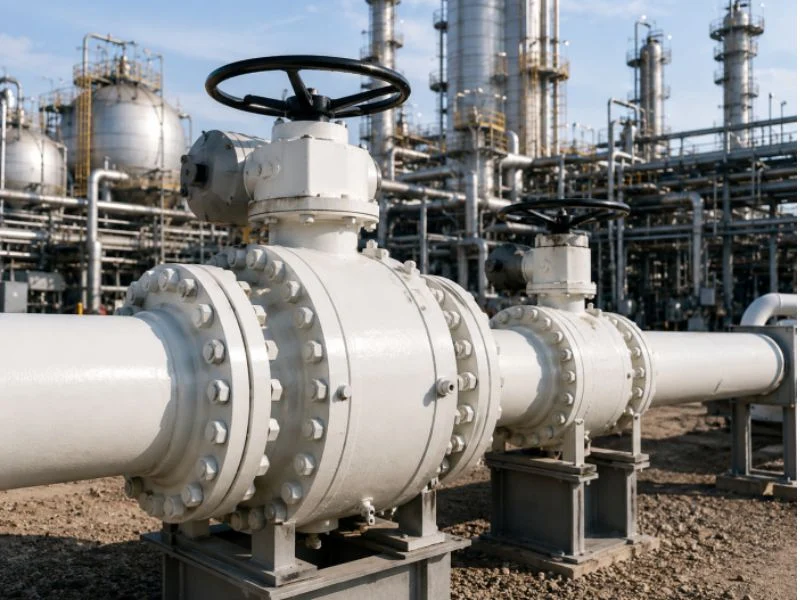
Hydrocarbon Vapor
Control normal tank breathing and evaluate vapor-system pressure loss.
Fire Risk
Select suitable flame and emergency venting protection for defined scenarios.
Corrosion
Match wetted materials and sealing systems to the process medium.
Pipeline Debris
Protect pumps, meters, valves and downstream process equipment.
Solution Portfolio
Three Product Groups for Critical Process Duties
Products are selected according to the process function, medium, operating conditions and required maintenance strategy.
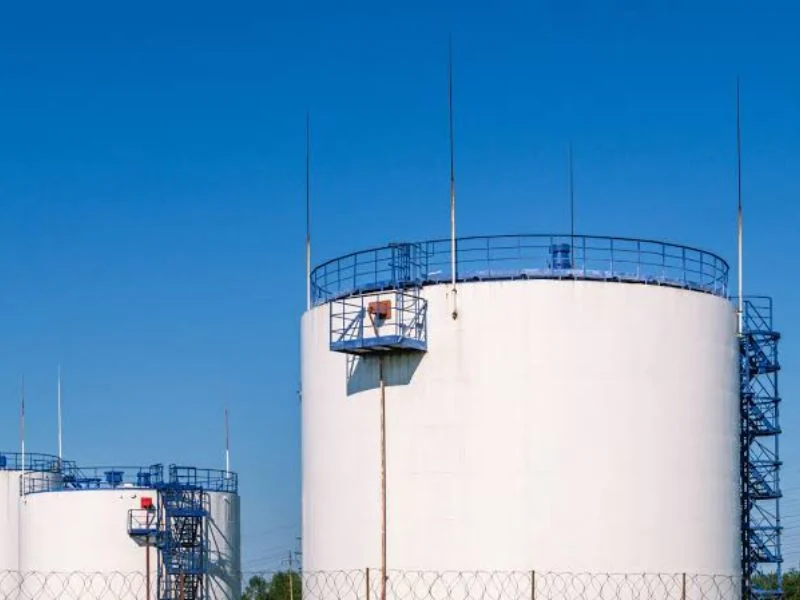
Tank Protection
Equipment for normal tank breathing, emergency pressure relief and suitable flame-protection applications.
- Pressure vacuum vent
- Flame arrestor
- Emergency vent
- Tank vent valve
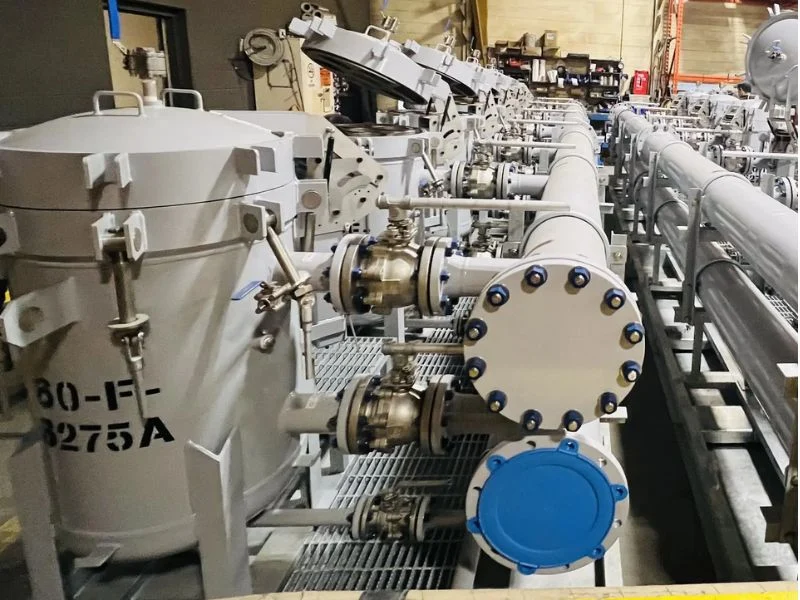
Pipeline Filtration
Strainers and filters that remove damaging debris before sensitive transfer and process equipment.
- Filtre en Y
- Basket strainer
- Duplex strainer
- Self-cleaning and backwash filter
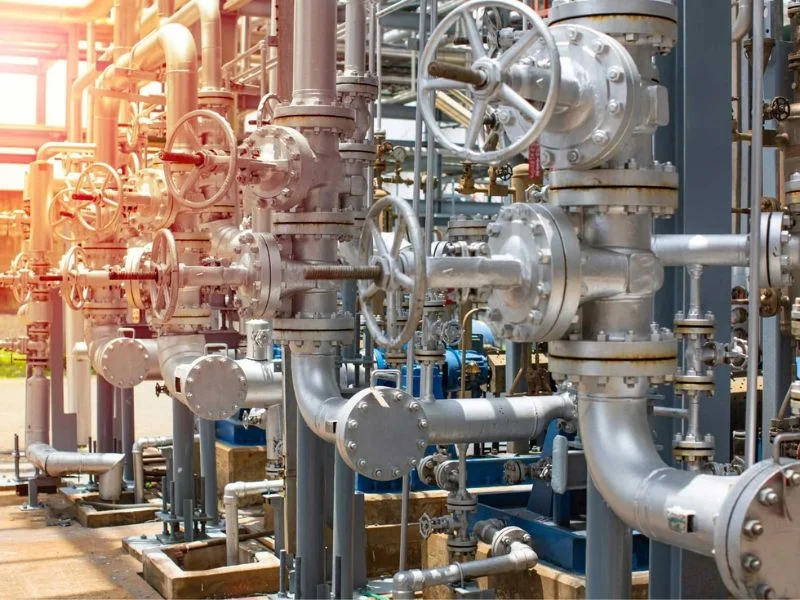
Specialty Valves
Application-specific valves for corrosive chemicals, abrasive media, viscous products and special process duties.
- Lined and ceramic valves
- Jacketed valves
- Slurry and pinch valves
- Sampling and tank bottom valves
Product Matrix
Products Matched to Refinery Applications
| Application | Process Concern | Recommended Product | Primary Selection Data |
|---|---|---|---|
| Atmospheric storage tank | Pressure, vacuum and hydrocarbon vapor | Pressure vacuum vent | Tank limits, set points and breathing flow |
| Tank emergency relief | Abnormal overpressure demand | Emergency vent | Required capacity and allowable tank pressure |
| Vent or vapor line | Defined flame-propagation risk | Flame arrestor | Gas group, flame scenario and installation location |
| Pump suction line | Welding debris, scale and solid contamination | Y or basket strainer | Flow rate, particle size and allowable pressure drop |
| Continuous transfer system | Filtration without extended process interruption | Duplex strainer | Flow rate, dirt load and changeover method |
| Corrosive chemical line | Wetted-part corrosion | Lined or special-alloy valve | Chemical composition and temperature |
| Heavy hydrocarbon service | High viscosity or solidification | Jacketed valve | Viscosity, solidification point and heating medium |
| Catalyst or solids service | Abrasion and internal wear | Ceramic, slurry or pinch valve | Particle hardness, size and solids concentration |
Tank Protection
Managing Hydrocarbon Vapor and Tank Pressure
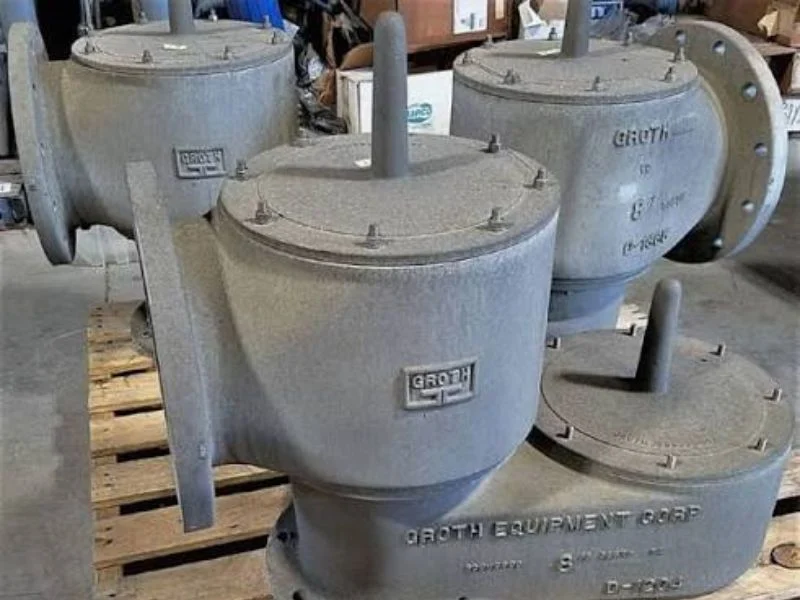
Pressure Vacuum Vent
Controls normal outbreathing and inbreathing while remaining closed within its intended operating range.
- Pressure-only, vacuum-only or combined designs
- Weight-loaded and pilot-operated options
- Materials selected for stored product compatibility
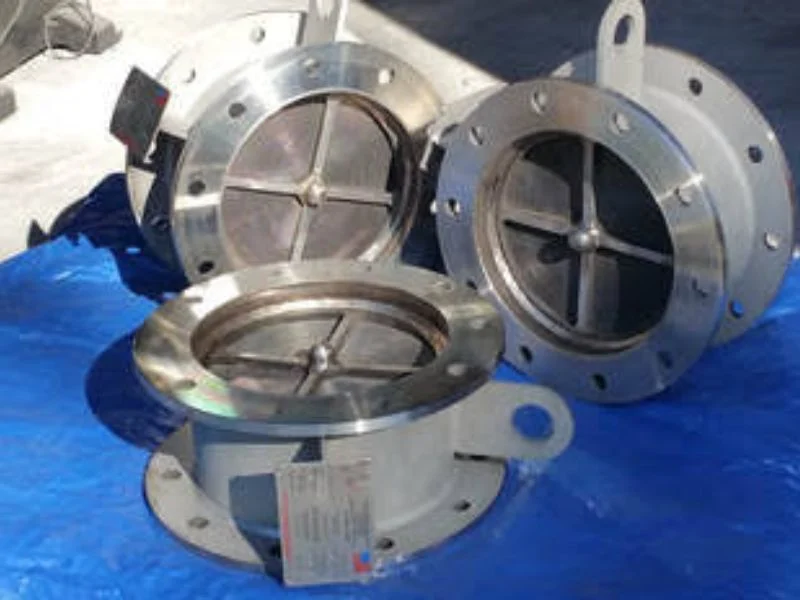
Flame Arrestor
Uses a flame-arresting element to remove heat from a flame front in a properly defined vapor or gas service.
- End-of-line configurations
- In-line deflagration options
- Detonation options for suitable applications
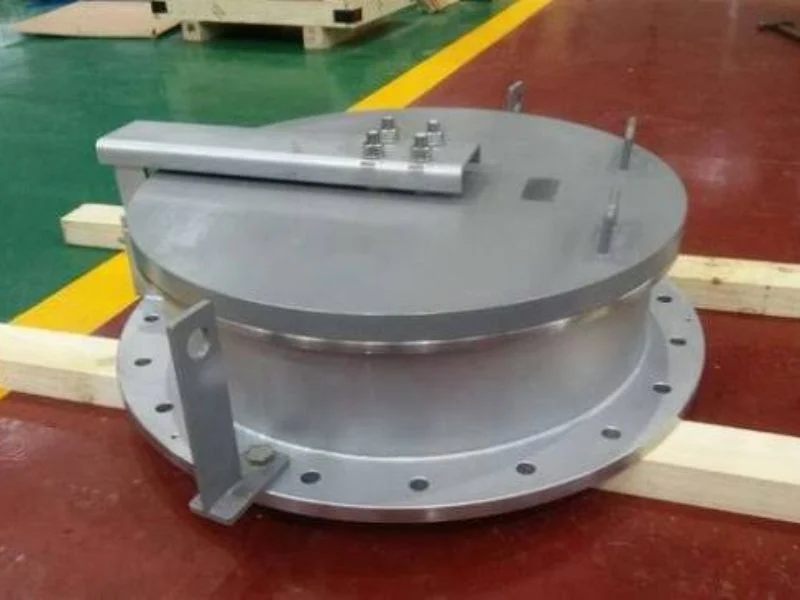
Emergency Vent
Provides additional relief capacity when the defined abnormal demand exceeds the capacity required for normal breathing.
- Top-mounted configurations
- Pressure or pressure-vacuum options
- Inspection-access designs available
Normal Breathing
Review filling, emptying and thermal breathing requirements.
Emergency Demand
Evaluate abnormal pressure-relief capacity separately.
Flame Scenario
Define gas properties, flame type and device location before selection.
Pipeline Filtration
Protecting Pumps and Process Equipment
Debris from construction, corrosion, maintenance and process contamination can damage pumps, flow meters, control valves, spray nozzles and heat-transfer equipment. The strainer must capture harmful particles without creating excessive pressure loss.
- Y strainer: compact protection for suitable utility and process lines
- Basket strainer: higher dirt-holding capacity with accessible basket removal
- Duplex strainer: changeover arrangement for processes requiring continuous flow
- Temporary strainer: commissioning and startup debris protection
- Self-cleaning filter: automated cleaning for suitable continuous duties
- Backwash filter: removes collected contamination using a reverse-cleaning cycle
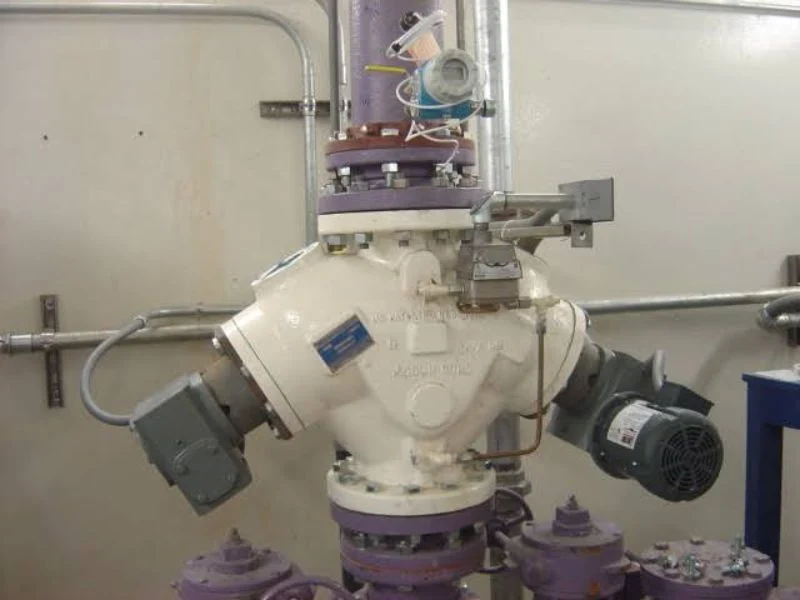
Filtration Comparison
Selecting a Pipeline Strainer
| Strainer Type | Typical Duty | Maintenance Method | Customer Benefit |
|---|---|---|---|
| Y Strainer | General pipeline and equipment protection | Remove and clean the screen | Compact installation |
| Filtre à panier | Liquid transfer with moderate debris load | Open the cover and remove the basket | Larger collection capacity |
| Duplex Strainer | Continuous process or transfer service | Change flow to the standby chamber | Maintenance with reduced process interruption |
| Temporary Strainer | Startup and commissioning | Remove after the required service period | Protection from construction debris |
| Self-Cleaning Filter | Continuous flow with recurring contamination | Automatic or assisted cleaning cycle | Reduced manual cleaning frequency |
| Backwash Filter | Suitable high-flow filtration duties | Reverse-flow cleaning sequence | Cleaning without removing the element |
Specialty Valves
Valves for Demanding Process Media
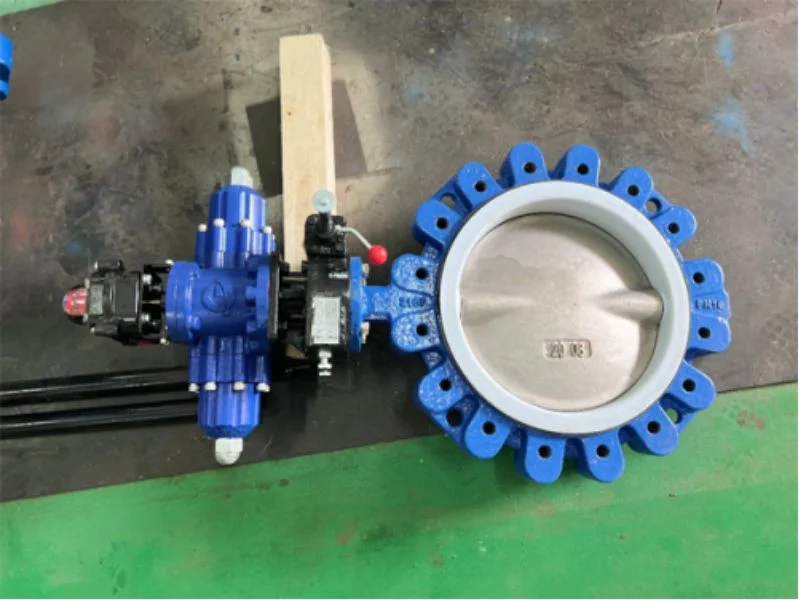
Lined Valve
Provides a non-metallic barrier between corrosive process media and the pressure-containing valve body.
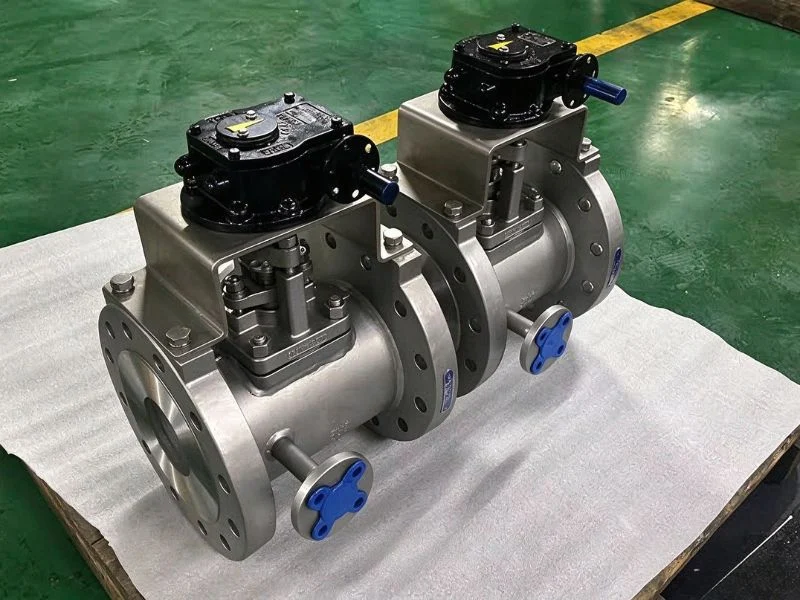
Jacketed Valve
Circulates a heating medium around critical body areas to help maintain the flow of viscous or solidifying products.
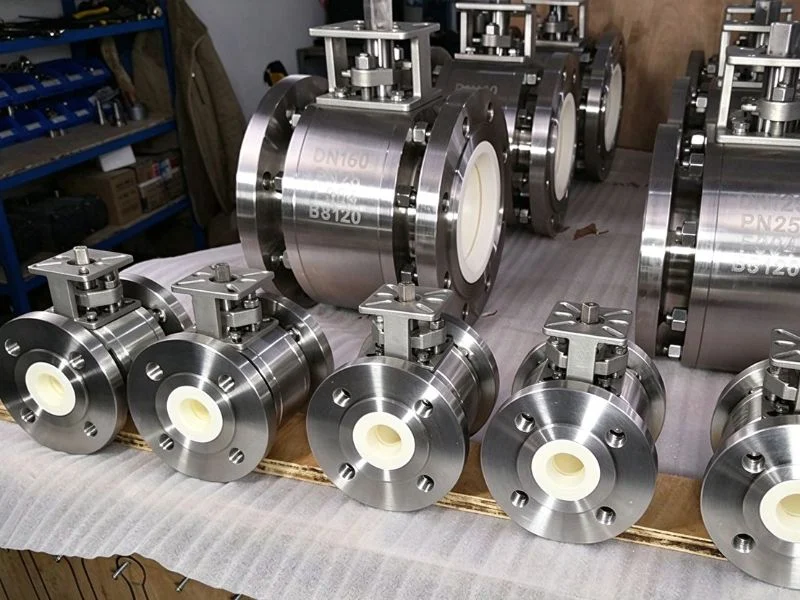
Ceramic Valve
Uses hard ceramic components to protect selected internal surfaces from abrasion and erosion.
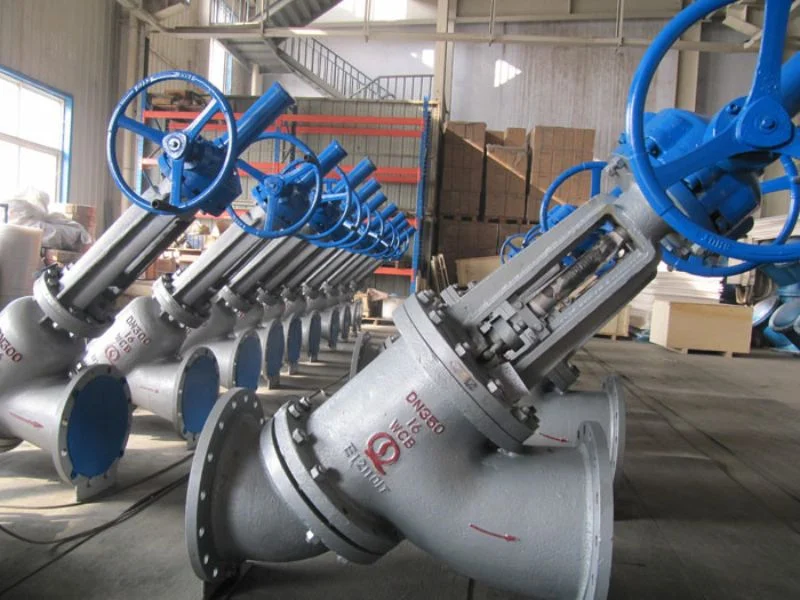
Pinch and Slurry Valve
Provides a low-obstruction passage for slurry, catalyst fines and solids-bearing process media.
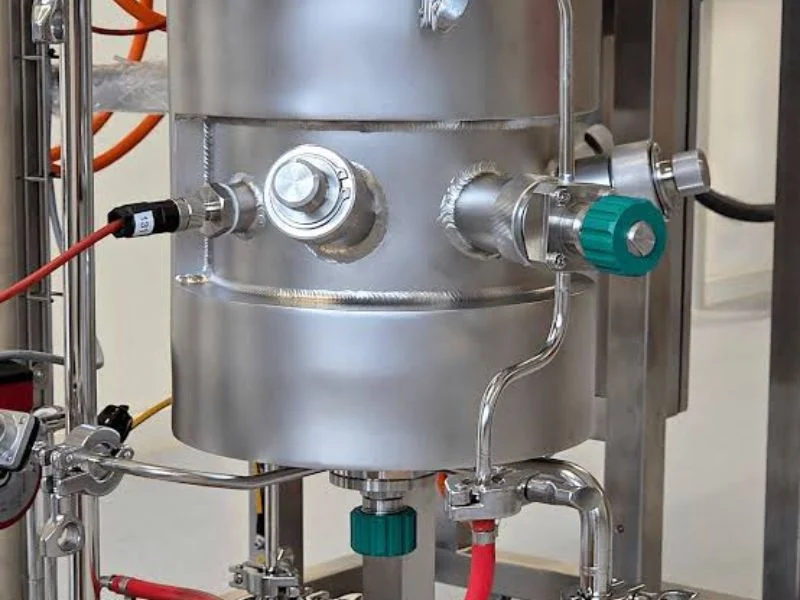
Sampling Valve
Supports controlled sample collection with options for purging, flushing and enclosed sample handling.
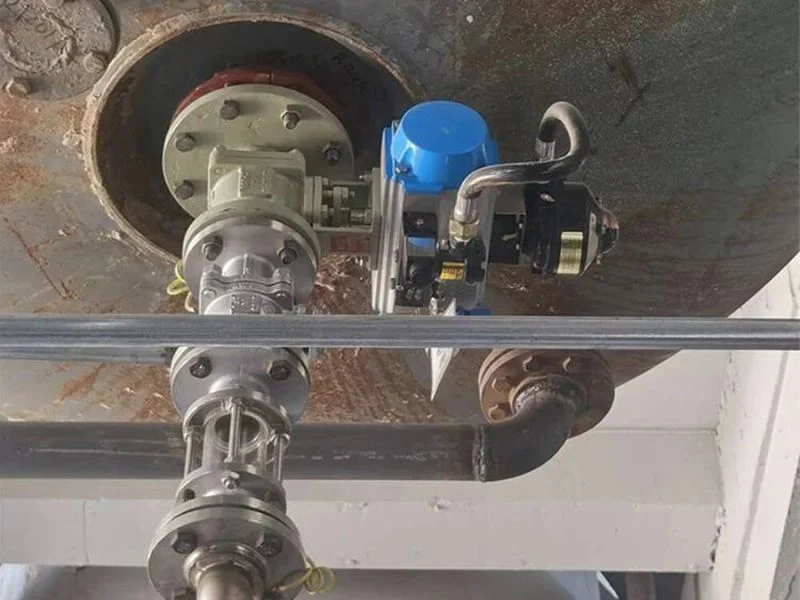
Tank Bottom Valve
Provides a process-vessel outlet arrangement designed to reduce hold-up and support effective drainage.
Corrosion Management
Material Selection for Refinery Media
Material selection must consider the complete process composition rather than the principal hydrocarbon alone. Water, chlorides, sulfur compounds, acids, solids and cleaning chemicals can influence corrosion and sealing performance.
- Identify normal and upset chemical compositions
- Confirm minimum and maximum temperatures
- Review water content, chlorides and corrosive contaminants
- Evaluate erosion-corrosion where solids are present
- Select compatible seats, packing, gaskets and linings
- Consider external atmospheric corrosion and insulation conditions
- Confirm material documentation required by the project

Material Guide
Typical Construction Options
| Composant | Typical Options | Selection Consideration |
|---|---|---|
| Corps | Carbon steel, stainless steel or special alloy | Pressure, temperature, corrosion and external environment |
| Trim and closure element | Stainless steel, hardened alloy or ceramic | Corrosion, abrasion, galling and operating frequency |
| Non-metallic lining | Fluoropolymer or compatible elastomer | Chemical resistance, permeation and temperature |
| Siège | Soft seat, metal seat, ceramic seat or elastomer sleeve | Shutoff requirement, temperature and solids content |
| Packing and gasket | Compatible polymer, elastomer or graphite-based material | Fluid containment, temperature and operating cycles |
| Strainer element | Stainless steel mesh or perforated construction | Particle retention, mechanical strength and pressure drop |
| Flame-arresting element | Stainless steel or compatible alloy | Vapor compatibility, fouling and defined flame scenario |
One Process, Multiple Protection Layers
Tank venting, flame protection, filtration and specialty valves should be reviewed as parts of the same process system rather than isolated equipment items.
Domaines d'application
Typical Refinery and Petrochemical Locations
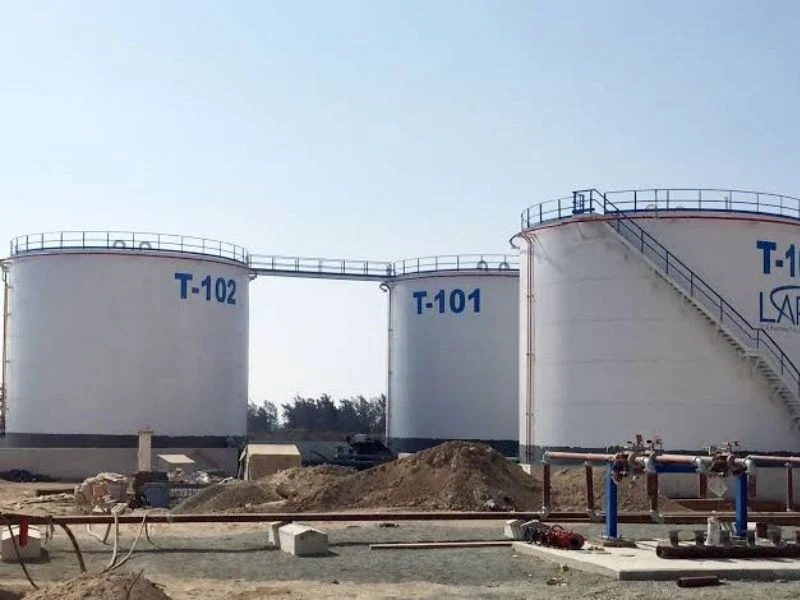
Storage and Tank Areas
Tank breathing, emergency venting, vapor handling and product-compatible construction.
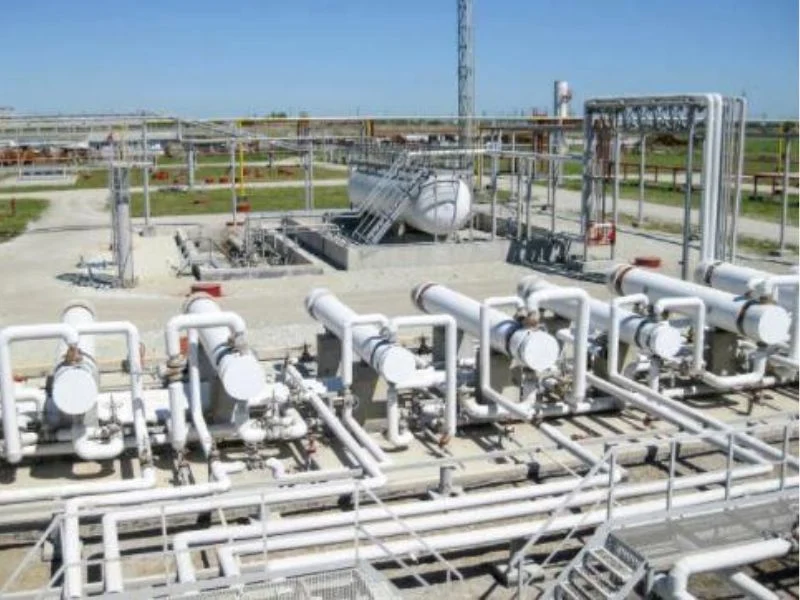
Transfer and Pump Systems
Pipeline filtration before pumps, meters, control valves and loading equipment.
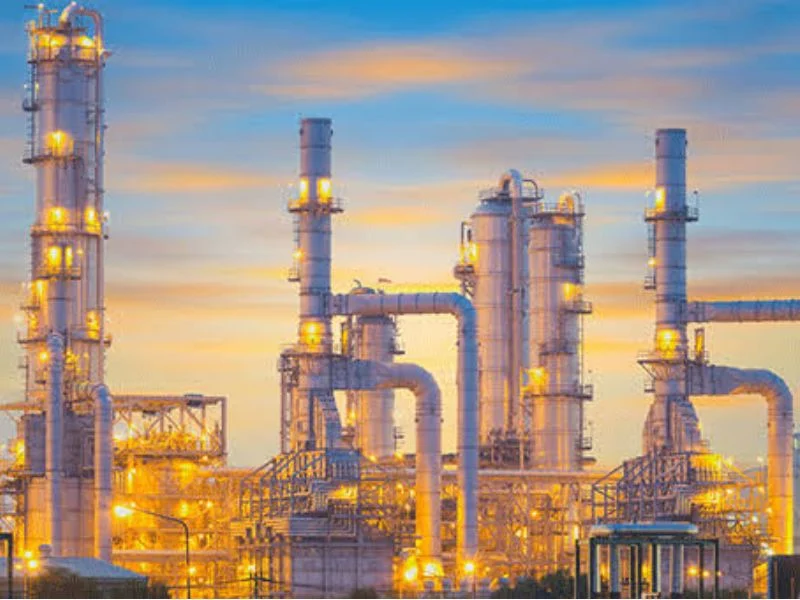
Process Units
Specialty valves for corrosive chemicals, catalyst solids and demanding process streams.
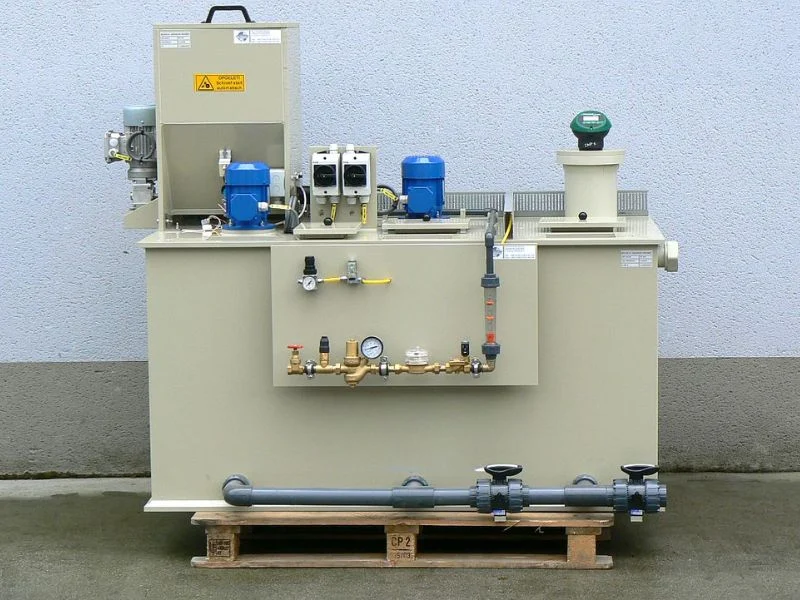
Polymer and Resin Units
Jacketed, lined and low-cavity valves for viscous, sticky or solidifying products.
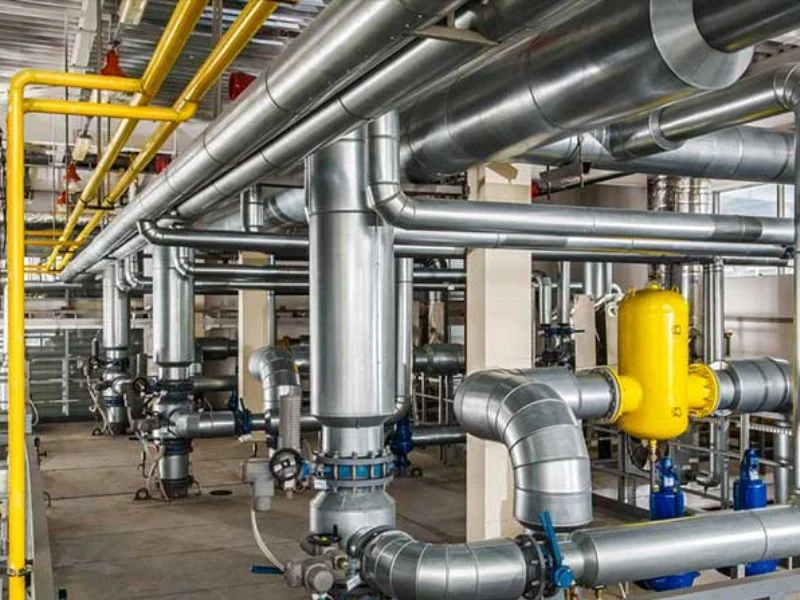
Utility Systems
Strainers and valves for cooling water, fuel gas, steam condensate and plant utilities.
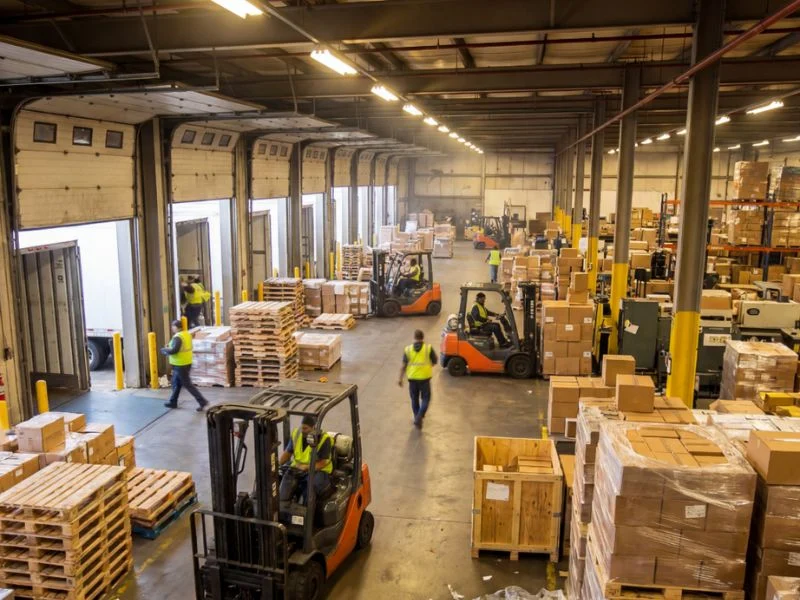
Loading and Dispatch
Tank protection and filtration for product movement through terminal loading systems.
Selection Checklist
Information Required for Engineering Review
Process and Operating Data
- Process medium and complete composition
- Normal, minimum and maximum temperature
- Operating and design pressure
- Flow rate and pressure differential
- Solids content, particle size and contamination load
- Corrosion, abrasion or solidification concerns
- Operating frequency and required shutoff performance
Equipment and Project Data
- Required product type and valve function
- Nominal size and connection standard
- Body, trim and sealing preferences
- Manual or automated operation
- Fail position and control signal
- Installation orientation and available space
- Inspection, testing and documentation requirements
Project Support
From Process Data to Equipment Delivery
1. Application Review
We review the medium, operating conditions, equipment function and identified process risks.
2. Product Selection
Type, size, materials, trim, connection and operating method are prepared for confirmation.
3. Inspection and Testing
Applicable material, dimensional, pressure, set-point and functional checks are completed.
4. Documentation
Approved drawings and agreed inspection records are prepared according to the order.
Maintenance Strategy
Keep Protection Equipment Available
- Inspect tank vents for deposits, corrosion and restricted movement
- Clean flame-arresting elements using an approved procedure
- Monitor differential pressure across strainers and filters
- Clean or replace screens before excessive pressure loss develops
- Inspect specialty valve liners, seats, sleeves and packing
- Verify actuator travel, accessories and fail action
- Keep drains, purge connections and condensate paths clear
- Record wear and fouling trends to improve service intervals
Send Us Your Refinery Process Data
Share your medium, operating conditions, equipment function and project specifications. Our team will help identify suitable tank protection, filtration and specialty valve options.
Questions fréquemment posées
Refinery & Petrochemical FAQ
Which products are used for refinery tank protection?
Typical products include pressure vacuum vents, emergency vents and flame arrestors. Each performs a different function and must be selected from the tank and vapor-system data.
How is hydrocarbon vapor managed at a storage tank?
A pressure vacuum vent controls normal breathing within defined set points. The complete system may also include vapor recovery, emergency venting and suitable flame protection.
Does every hydrocarbon tank require a flame arrestor?
No. The requirement depends on the vapor properties, ignition risk, vent arrangement, flame scenario, equipment location and applicable project requirements.
Which strainer is best for continuous refinery service?
A duplex strainer may be considered when flow should continue during basket cleaning. The final choice depends on flow, debris load, pressure loss and operating procedure.
How is the correct filtration level selected?
The screen opening should retain particles that could damage downstream equipment while maintaining an acceptable clean and dirty pressure drop.
Which valve is suitable for corrosive chemicals?
A lined valve or corrosion-resistant alloy valve may be appropriate. Selection requires the complete chemical composition, concentration, temperature and pressure.
What valve can handle viscous or solidifying hydrocarbons?
A jacketed valve can help maintain temperature around critical body areas. The heating medium and process-side conditions must be reviewed separately.
What information is required for a quotation?
Provide the medium, pressure, temperature, flow, solids data, required function, equipment size, materials, connections and project documentation requirements.
 English
 Arabic
 Russian
 French
 Spanish