
Flame Arrestor Manufacturer
Flame Arrestors for Tank Vents and Process Piping
BCST Valve is a flame arrestor manufacturer supporting storage tanks, vapor systems, loading facilities, and industrial process piping.
Flame arrestor selection depends on the vapor, gas group, flame event, installation location, operating pressure, temperature, flow rate, pressure drop, pipe arrangement, and applicable certification.
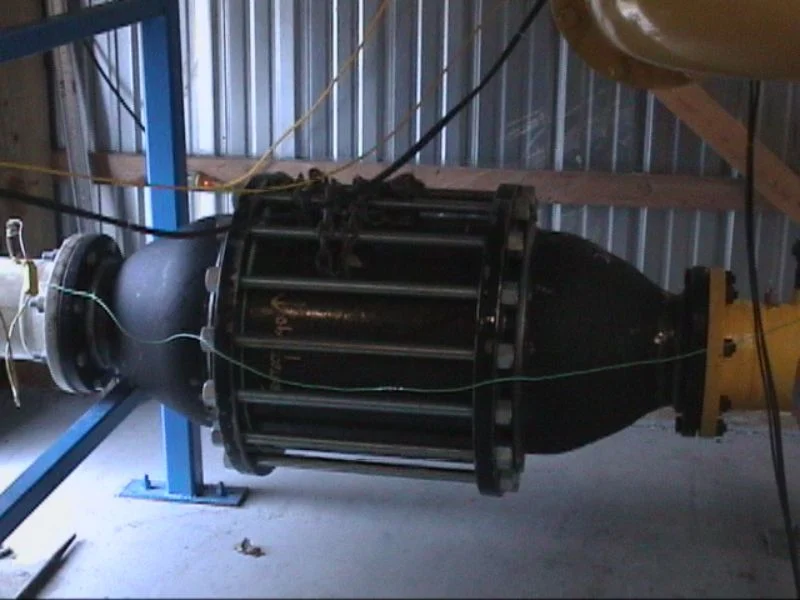
Application Review
Match the arrestor to the vapor and possible flame event
Chute de pression
Protect the process without restricting required flow
Certified Scope
Confirm gas group, size, orientation, and operating limits
Factory Support
Coordinate materials, inspection, records, and delivery
Product Collection
Explore Flame Arrestor Types
Different flame events and installation positions require different flame arrestor designs. Product types are not interchangeable without an engineering review.
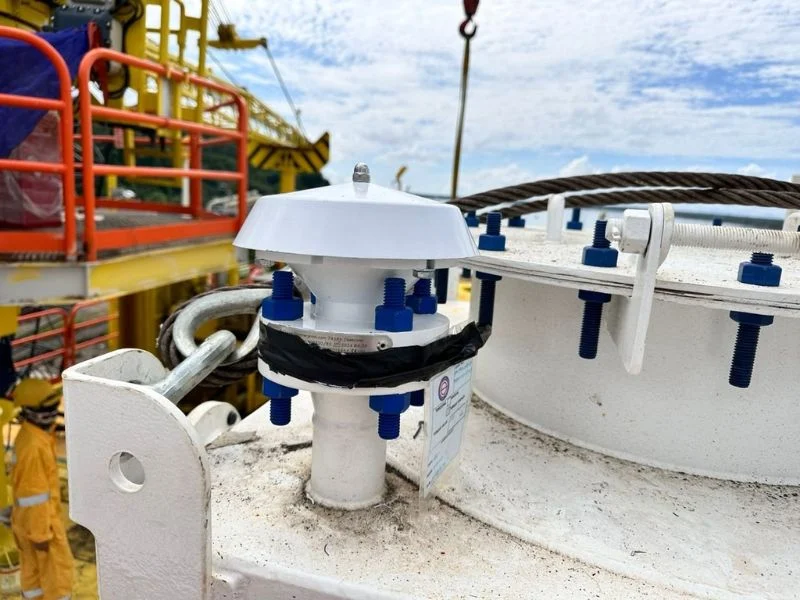
End-of-Line Flame Arrestor
Installed at the open end of a tank vent or process line to address applicable atmospheric deflagration risks.
- Tank vent termination
- Direct atmospheric exposure
- Weather hood options
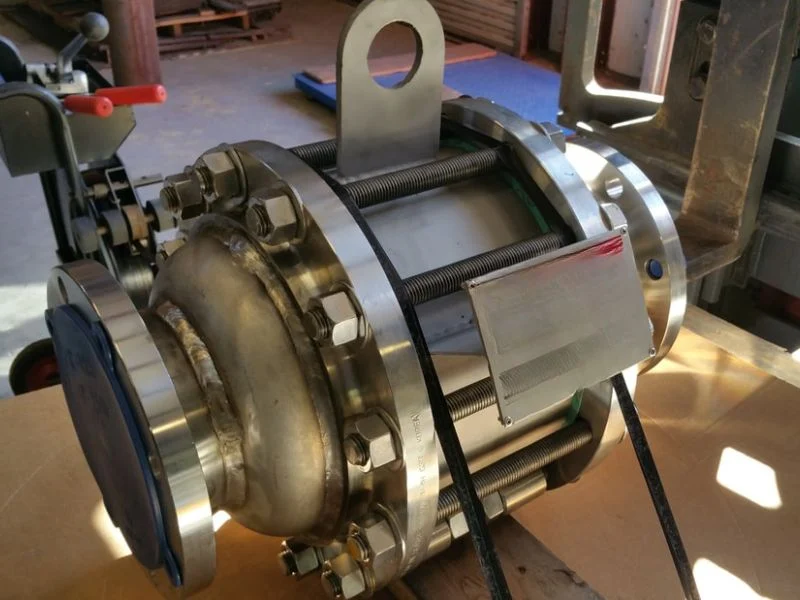
Inline Deflagration Flame Arrestor
Installed inside process piping for applicable subsonic flame-propagation conditions within the certified pipe arrangement.
- Inline process installation
- Defined pipe configuration
- Bidirectional options where approved
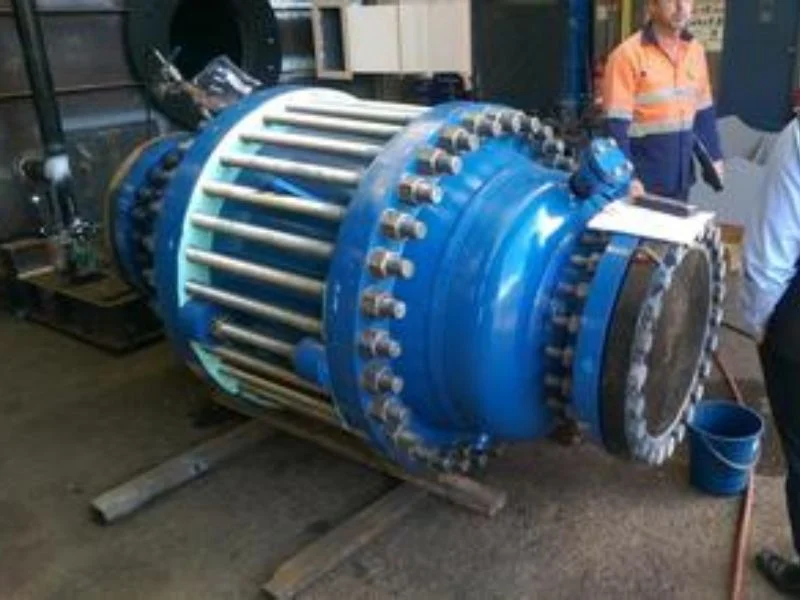
Detonation Flame Arrestor
Engineered for applicable detonation conditions involving higher flame velocity and pressure than deflagration service.
- Process pipeline installation
- Higher flame and pressure loading
- Certified operating limits required
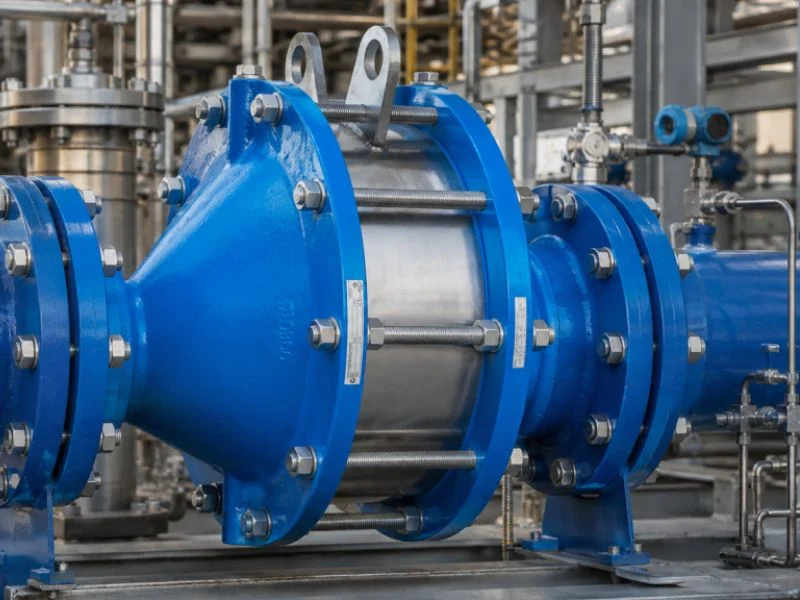
Unstable Detonation Flame Arrestor
Designed for specified unstable detonation conditions when covered by the product certification and installation requirements.
- Application-specific selection
- Defined gas and vapor groups
- Strict installation requirements
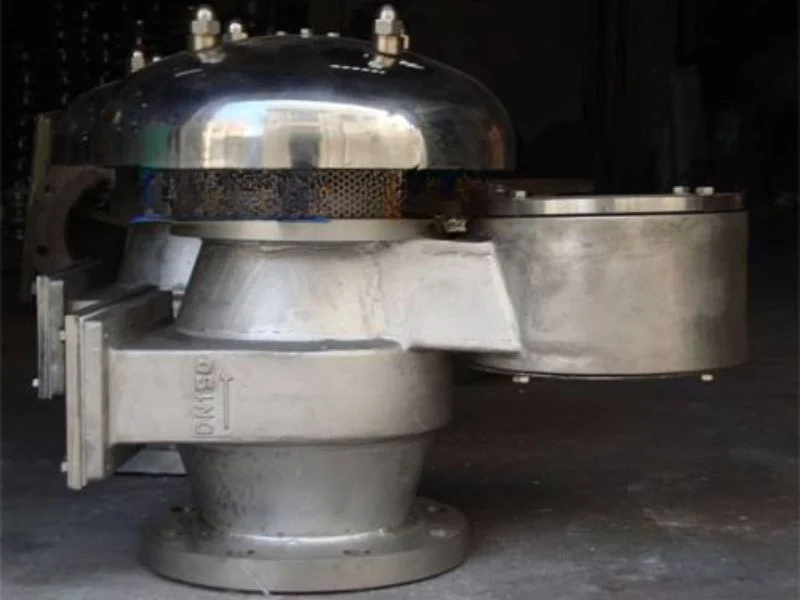
Flame Arrestor with Breather Valve
A combined arrangement supporting tank breathing and an applicable flame-protection function through one assembly.
- Combined tank protection
- Reduced nozzle requirements
- Capacity and pressure-drop review
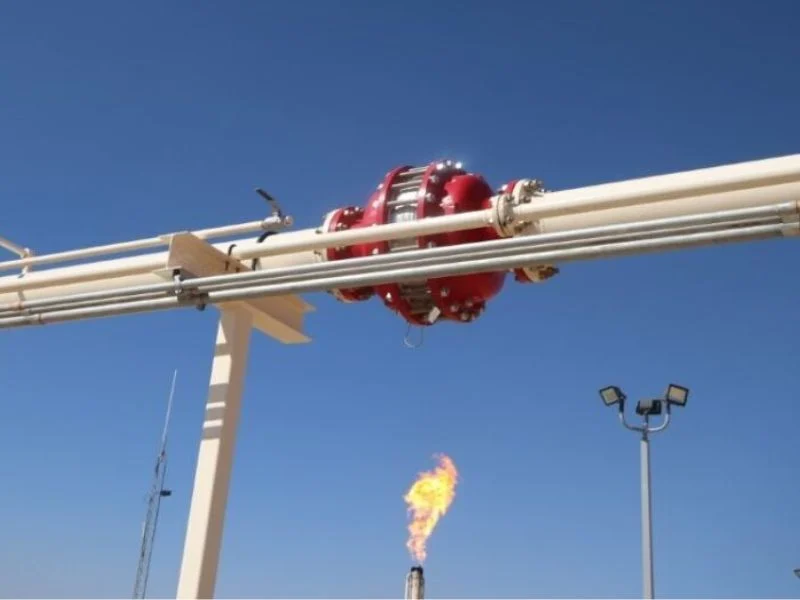
Custom Flame Arrestor
Project-specific configurations for special materials, connections, operating limits, or approved installation requirements.
- Special material options
- Custom flange connections
- Project documentation support
Product Comparison
Compare Flame Arrestor Configurations
This table supports initial comparison only. Final selection must follow the specific vapor, hazard, pipe arrangement, and certified product scope.
| Flame Arrestor Type | Typical Location | Flame Condition | Critical Selection Point |
|---|---|---|---|
| End-of-Line Flame Arrestor | Open tank or process vent termination | Applicable atmospheric deflagration | Gas group, weather exposure, orientation, and burning condition |
| Inline Deflagration Flame Arrestor | Inside process or vapor piping | Applicable confined deflagration | Pipe length, diameter, bends, gas group, and operating limits |
| Stable Detonation Flame Arrestor | Process or vapor-recovery piping | Applicable stable detonation | Detonation rating, gas group, pressure, temperature, and orientation |
| Unstable Detonation Flame Arrestor | Specified process piping location | Applicable unstable detonation | Certified scope, installation distance, piping geometry, and operating limits |
| Flame Arrestor with Breather Valve | Storage tank vent nozzle | Tank breathing with applicable flame protection | Venting capacity, set points, flame rating, and combined pressure drop |
| Custom Flame Arrestor | Project-specific installation | Defined by the approved application | Certification feasibility, materials, dimensions, and testing scope |
Principe de fonctionnement
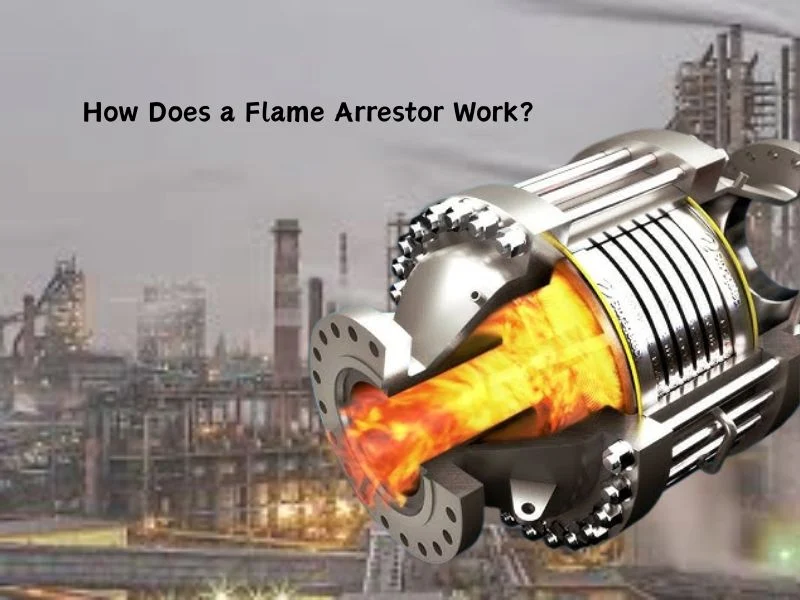
How Does a Flame Arrestor Work?
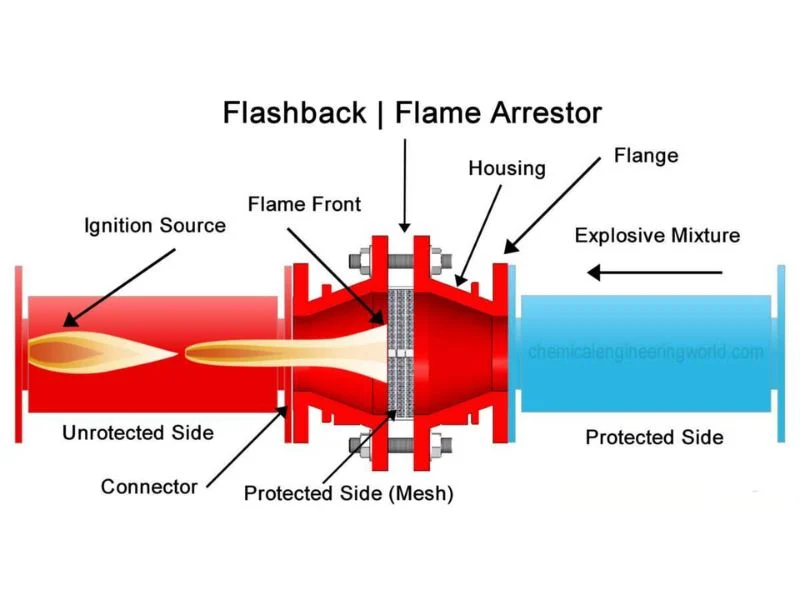
A flame arrestor contains an element with small passages. When a flame enters the element, heat is transferred from the flame front into the element material.
- A combustible vapor mixture ignites on one side of the arrestor.
- The flame front travels toward the flame arrestor element.
- The element divides the flame into smaller passages.
- Heat is transferred from the flame into the element surface.
- The flame temperature falls below the level required for continued propagation.
- The unburned mixture on the protected side remains isolated from the flame event.
Performance depends on the gas group, flame condition, element geometry, operating limits, pressure drop, installation, and certified scope.
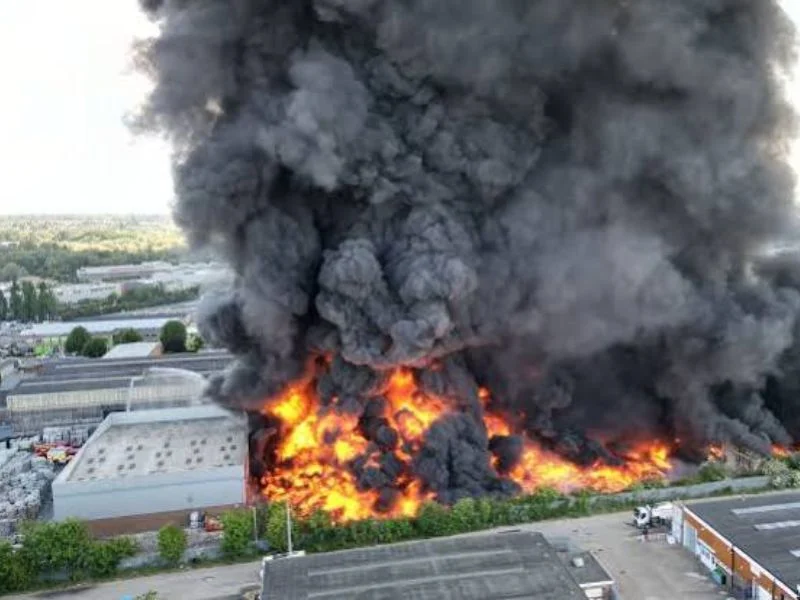
Deflagration vs. Detonation
Why Must the Flame Event Be Defined?
Deflagration and detonation are different flame-propagation conditions. A flame arrestor approved for one condition should not automatically be assumed suitable for another.
- Deflagration normally propagates below the speed of sound
- Detonation involves a coupled flame and pressure wave
- Detonation produces higher dynamic pressure loading
- Pipe length and geometry influence flame acceleration
- Bends, restrictions, and equipment affect flame behavior
- Stable and unstable detonation ratings are not interchangeable
- The selected model must cover the required flame condition
- Installation must follow the approved product instructions
Application Data
Information Required for Flame Arrestor Selection
Accurate process and hazard data is essential. Selecting only by nominal pipe size can result in unsuitable flame protection or excessive pressure drop.
Medium and Operating Conditions
- Gas or vapor name and composition
- Gas group or maximum experimental safe gap
- Normal and maximum flow rate
- Operating and design pressure
- Operating and design temperature
- Condensation, polymerization, or fouling risk
- Corrosion and material compatibility
Hazard and Installation Conditions
- End-of-line or inline installation
- Deflagration or detonation requirement
- Possible short-time or endurance burning
- Pipe size, length, bends, and fittings
- Installation orientation
- Perte de charge admissible
- Applicable standard and certification scope
| Selection Factor | Why It Matters |
|---|---|
| Gas or Vapor Group | Different gases require different flame-element passage characteristics and approved product ratings. |
| Flame Condition | End-of-line deflagration, inline deflagration, stable detonation, and unstable detonation require different approvals. |
| Pipe Arrangement | Pipe length, diameter, bends, restrictions, and equipment can affect flame acceleration. |
| Operating Temperature | Temperature affects gas properties, flame behavior, materials, seals, and certified operating limits. |
| Pression de fonctionnement | The selected arrestor must remain within its approved pressure range. |
| Chute de pression | Excessive resistance can affect tank breathing, vapor recovery, flow capacity, and process operation. |
Flow and Pressure Drop
Will the Flame Arrestor Restrict the Process?
The flame element creates flow resistance. Pressure drop should be evaluated at the required operating flow and with consideration for contamination during service.
- Confirm normal and maximum flow rates
- Review gas density and operating temperature
- Evaluate clean-element pressure drop
- Allow for fouling or contamination
- Check tank inbreathing and outbreathing capacity
- Review connected piping and fittings
- Consider combined breather valve pressure loss
- Plan inspection and element cleaning intervals
Manufacturer Selection
What Should You Ask a Flame Arrestor Manufacturer?
A reliable manufacturer should verify the application before recommending a flame arrestor model.
Is the Application Defined?
The manufacturer should request vapor composition, gas group, flame condition, pressure, temperature, flow, and pipe arrangement.
Is the Model Certified?
The certificate should cover the proposed model, size, gas group, orientation, operating limits, and flame rating.
Is Pressure Drop Available?
The manufacturer should provide applicable flow-capacity or pressure-drop information for engineering review.
Are Materials Traceable?
Housing, element, gasket, fastener, and internal materials should match the approved specification.
Can the Element Be Maintained?
The installation should allow safe element removal, inspection, cleaning, drying, and reassembly.
Are Documents Included?
The quotation should define drawings, certificates, test records, inspection documents, and maintenance instructions.
Matériaux
Material Options for Flame Arrestor Service
Material selection should consider the process medium, vapor composition, corrosion, temperature, external environment, and cleaning method.
| Composant | Possible Material | Selection Consideration |
|---|---|---|
| Housing | Carbon steel, stainless steel, aluminum, or special alloy | Pressure, temperature, corrosion, weight, and project specification |
| Flame Element | Stainless steel or application-specific alloy | Corrosion resistance, thermal performance, gas group, and certified design |
| Element Frame | Stainless steel or compatible alloy | Mechanical strength, corrosion, cleaning, and element support |
| Joint d'étanchéité | Graphite, PTFE, or compatible sealing material | Medium compatibility, temperature, pressure, and fire exposure |
| Fasteners | Carbon steel, stainless steel, or specified alloy | External corrosion, mechanical strength, and maintenance environment |
| Protective Coating | Application-specific coating system | Plant environment, coastal exposure, chemical atmosphere, and durability |
Applications
Flame Arrestor Applications
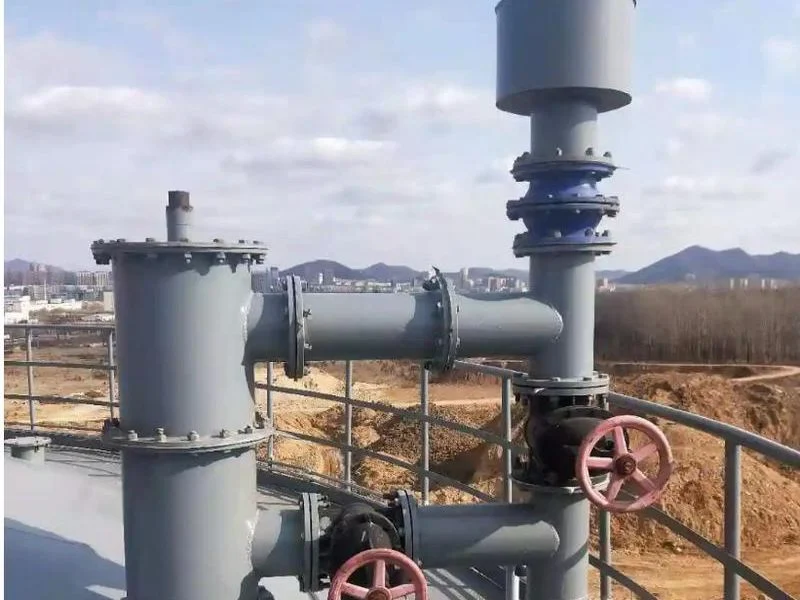
Oil and Fuel Storage
Flame protection for applicable crude oil, fuel, diesel, and hydrocarbon tank vent applications.
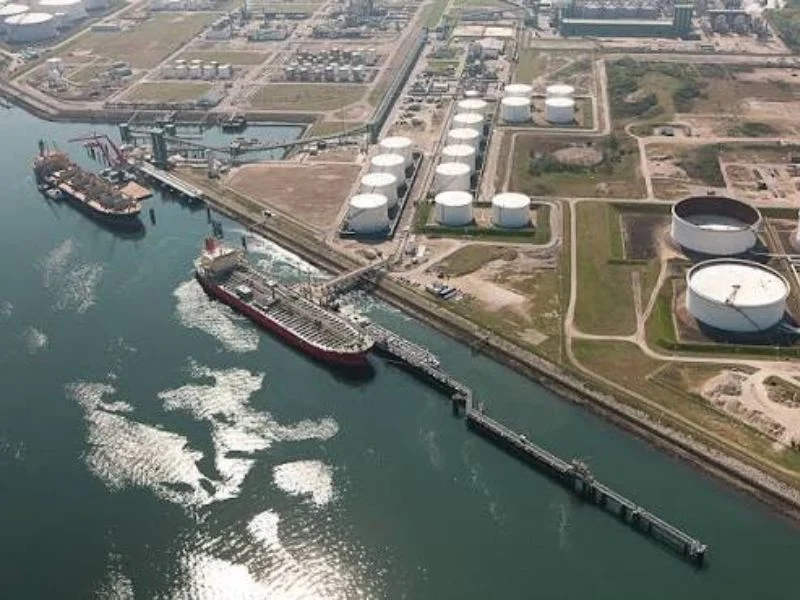
Tank Farms and Terminals
End-of-line and inline protection for tank vents, vapor manifolds, and loading facilities.
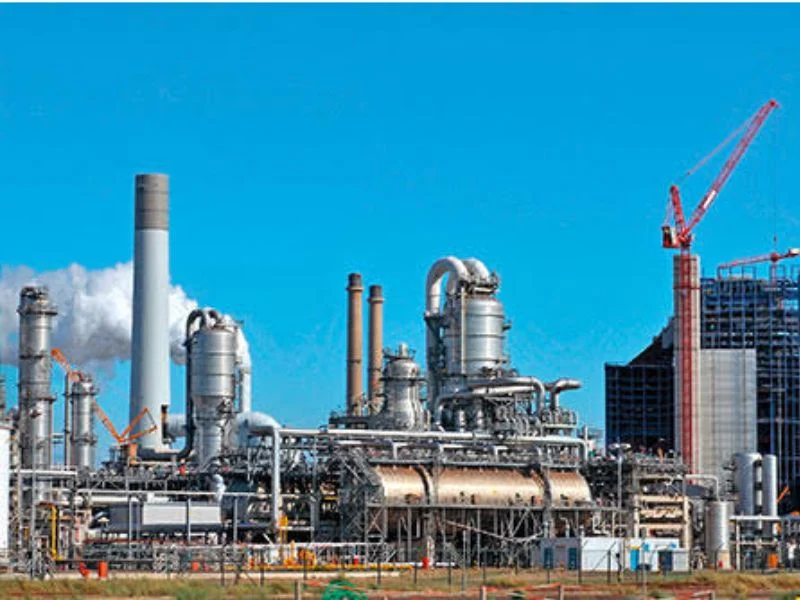
Raffineries
Application-specific flame arrestors for storage, vapor handling, recovery, and process systems.

Traitement chimique
Material-compatible products for flammable chemical vapors and process vent systems.
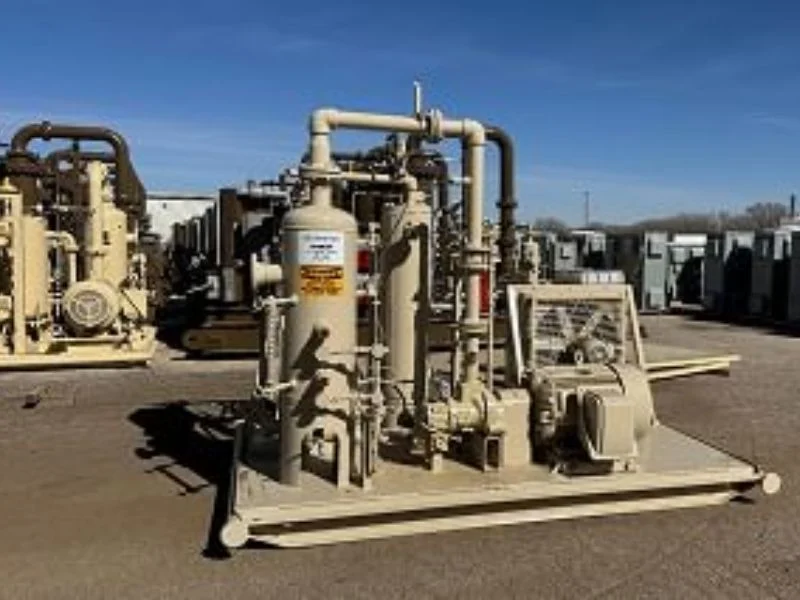
Vapor Recovery
Inline flame protection for applicable vapor collection, recovery, and treatment piping.
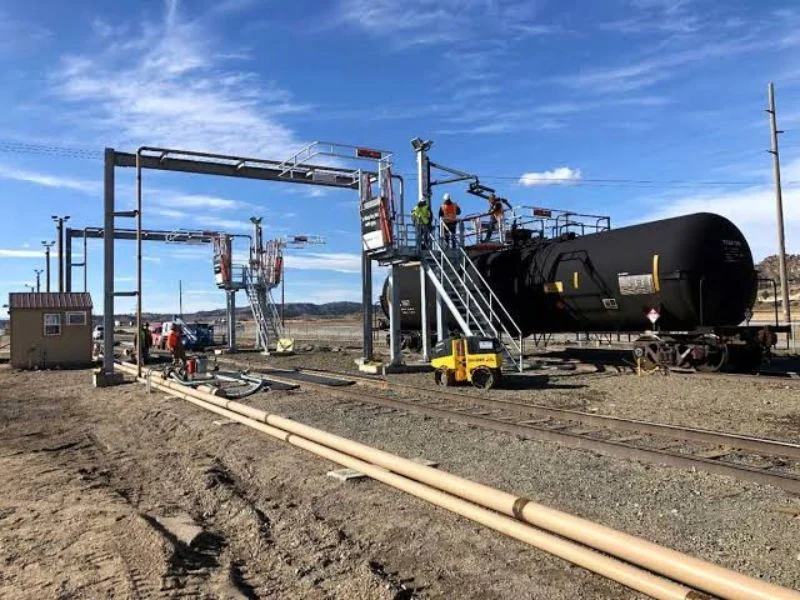
Loading Facilities
Flame-protection solutions for applicable loading, unloading, transfer, and vapor-return systems.
Installation Review
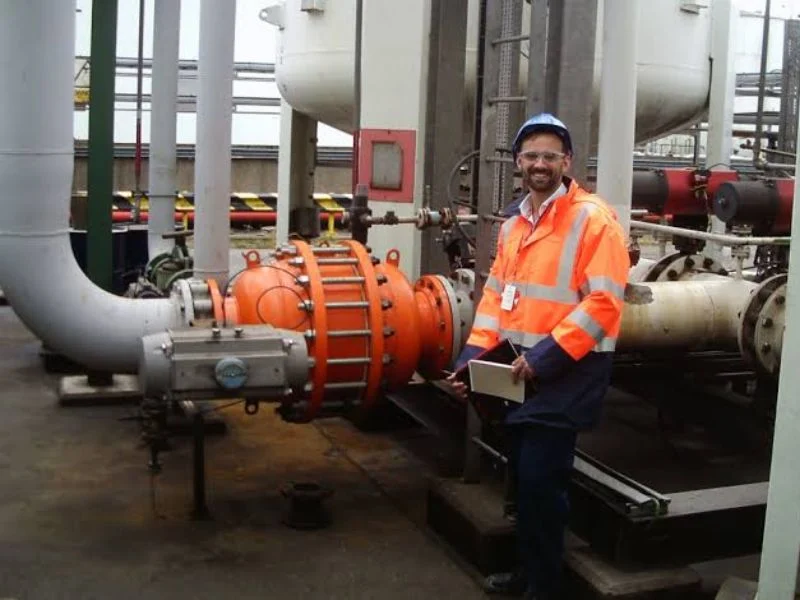
Why Does Installation Affect Flame Arrestor Performance?
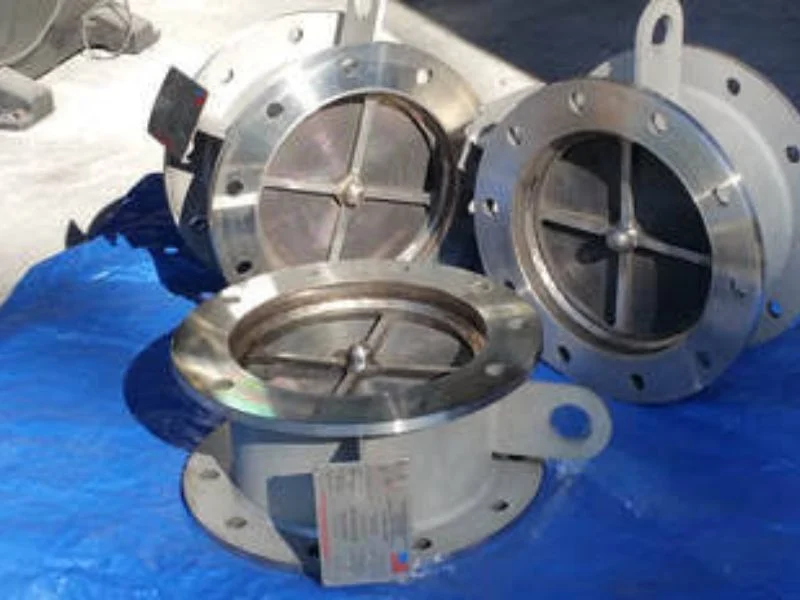
A certified flame arrestor must be installed within the conditions covered by its approval and operating instructions.
- Confirm the permitted installation orientation
- Observe maximum pipe-length requirements
- Review bends, reducers, valves, and nearby equipment
- Provide support for the arrestor and connected piping
- Allow access for element removal and cleaning
- Prevent condensate accumulation where required
- Follow the marked flow or protected-side orientation
- Do not modify the certified flame element
- Follow the manufacturer’s installation instructions
Maintenance
How Do You Prevent Element Blockage?
Deposits, corrosion products, condensation, polymerization, dust, and process contamination can restrict the flame element and increase pressure drop.
- Inspect the element at planned intervals
- Monitor pressure drop where practical
- Check for deposits, corrosion, and physical damage
- Use a cleaning method compatible with the element
- Dry the element fully before reinstallation
- Inspect gaskets and sealing surfaces
- Reassemble according to specified torque requirements
- Replace damaged elements with approved components
Certification Review
What Should Be Verified on the Certificate?
A certificate logo alone does not confirm suitability. The complete certified scope should match the proposed product and installation.
| Certificate Item | What the Customer Should Confirm |
|---|---|
| Manufacturer | The legal manufacturer named on the certificate matches the supplied product documentation. |
| Product Model | The proposed flame arrestor model or series is included in the certified scope. |
| Flame Rating | The certificate covers the required end-of-line, deflagration, stable detonation, or unstable detonation condition. |
| Gas Group | The approved gas group or maximum experimental safe gap covers the process vapor. |
| Gamme de tailles | The proposed nominal size is included in the tested and approved range. |
| Operating Limits | Pressure and temperature remain within the certified limits. |
| Orientation | The actual installation orientation is permitted by the certificate and instructions. |
| Validity | The certificate number, issuing body, revision, and validity status are current. |
Factory Quality Control
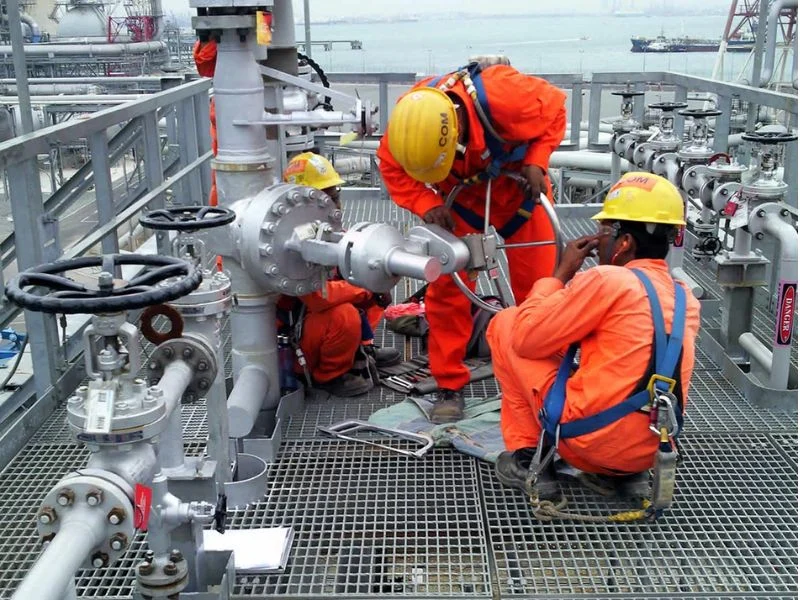
How Does the Factory Verify the Product?
Production inspection and documentation are coordinated according to the approved model, project specification, and agreed supply scope.
- Material and certificate review
- Housing and flange dimensional inspection
- Flame-element identification and condition check
- Element fit and sealing-surface inspection
- Visual and assembly verification
- Applicable pressure or leakage testing
- Product marking and nameplate review
- Certificate and document matching
- Final packing and preservation inspection
Engineering Workflow
From Hazard Data to Factory Delivery
Review the Hazard
We review the vapor, gas group, flame condition, pipe arrangement, pressure, temperature, and flow.
Select the Arrestor
We evaluate arrestor type, certified scope, size, material, orientation, and pressure drop.
Confirm the Scope
Datasheets, drawings, certificates, inspection, documentation, quantity, and delivery are confirmed.
Manufacture and Deliver
Production, inspection, packing, shipment, installation guidance, and maintenance support are coordinated.
Custom Manufacturing
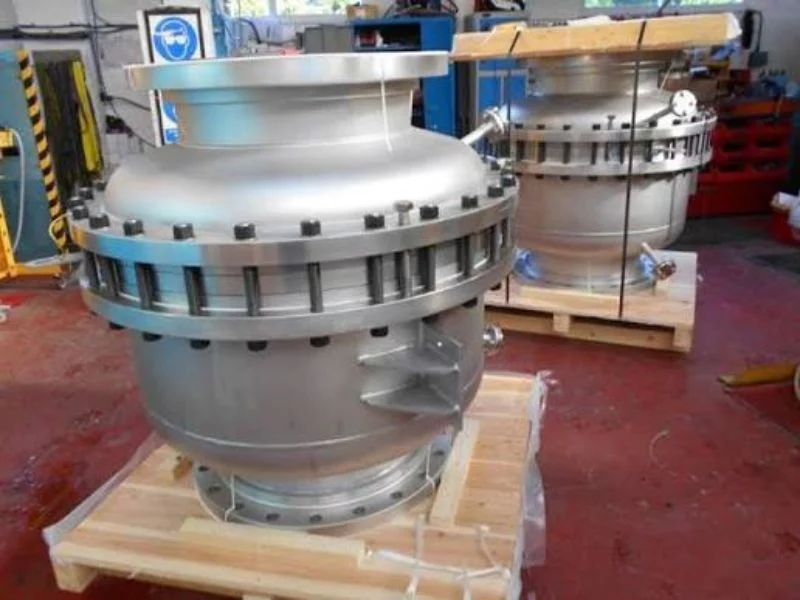
Custom Flame Arrestor Factory Support
Customization must remain consistent with the required flame performance and applicable certification. Not every dimensional or material change is permitted within a certified design.
- Special housing material evaluation
- Alternative flange standards
- Project-specific connection requirements
- Corrosion-resistant materials and coatings
- Drain and condensate-management options
- Inspection and documentation packages
- Replacement compatibility review
- Certification-scope confirmation
Request a Selection
Send Your Application Data to the Manufacturer
Provide the vapor composition, gas group, flame condition, pipe arrangement, flow rate, pressure, temperature, allowable pressure drop, connection, material, certification, quantity, and documentation requirements.

Questions fréquemment posées
Flame Arrestor FAQ
What is a flame arrestor?
A flame arrestor is a passive safety device designed to stop flame propagation through a flammable gas or vapor mixture under specified conditions.
Is it called a flame arrestor or flame arrester?
Both spellings are used in industry. Flame arrestor is common in American usage, while flame arrester is also widely used in standards and technical documents.
What is the difference between an end-of-line and inline flame arrestor?
An end-of-line arrestor is installed at an open vent termination. An inline arrestor is installed inside piping and must be selected around the pipe and flame conditions.
What is the difference between deflagration and detonation?
Deflagration is generally subsonic flame propagation. Detonation involves a coupled flame and pressure wave with greater velocity and dynamic loading.
Can a deflagration flame arrestor stop a detonation?
It should not be assumed to do so. The selected product must be approved for the required flame condition and installed within its certified scope.
How do I select the correct gas group?
Selection should use the actual vapor composition, applicable gas grouping, maximum experimental safe gap, operating conditions, and product certificate.
Does a flame arrestor create pressure drop?
Yes. The flame element creates flow resistance. Pressure drop should be evaluated at the required flow rate and monitored for contamination during service.
Can a flame arrestor be installed with a breather valve?
Yes, in selected applications. Combined pressure drop, venting capacity, set points, vapor, flame rating, and installation must be reviewed.
Can a flame arrestor handle endurance burning?
Only products specifically approved for the required burning condition should be used. The certificate and operating instructions must be checked.
How often should a flame arrestor be inspected?
Frequency depends on the medium, fouling risk, corrosion, condensation, pressure-drop trend, operating history, and site maintenance procedure.
Can the factory customize a certified flame arrestor?
Some materials or connections may be available, but any change must remain within the certified design scope or receive the required additional evaluation.
What information is required for a quotation?
Please provide the vapor composition, gas group, flame condition, pipe size and layout, pressure, temperature, flow, pressure drop, material, certification, and required documents.
 English
 Arabic
 Russian
 French
 Spanish