
Industry Solutions
Mining & Slurry Valve Solutions
BCST provides severe-service valves for mining, mineral processing and slurry transport systems. Our solutions are selected around solids concentration, particle size, hardness, velocity, pressure differential and required maintenance intervals.
- Knife gate valves for slurry and tailings isolation
- Pinch valves with replaceable flexible sleeves
- Ceramic valves for highly abrasive process media
- Slurry valves with protected seats and flow paths
- Abrasion-resistant materials for critical wear areas
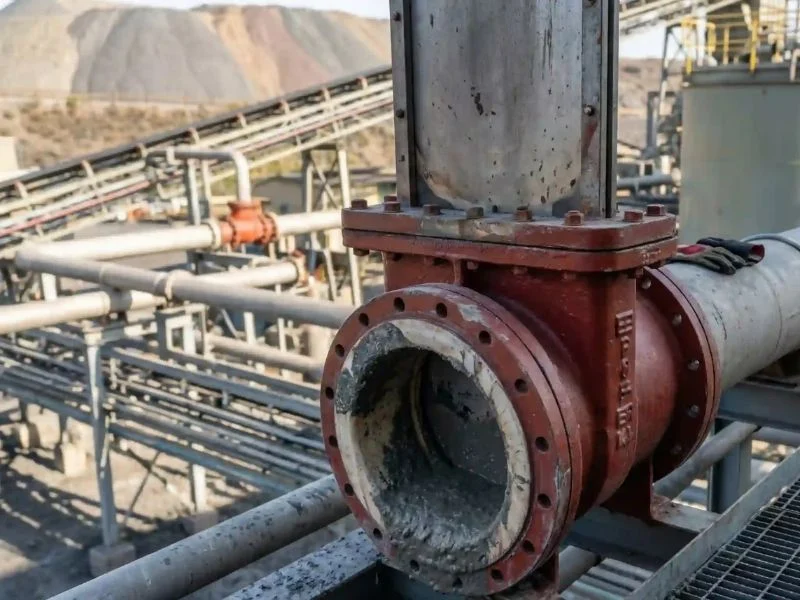
Handle Solids
Use flow paths designed for dense slurry and suspended particles.
Resist Abrasion
Protect seats, liners and closure elements from accelerated wear.
Reduce Blockage
Limit cavities where particles can settle, compact or obstruct movement.
Simplify Maintenance
Use replaceable wear components to support planned servicing.
Product Portfolio
Valves for Abrasive Mining Processes
Select the valve design according to the slurry properties, required function, pressure and expected wear pattern.
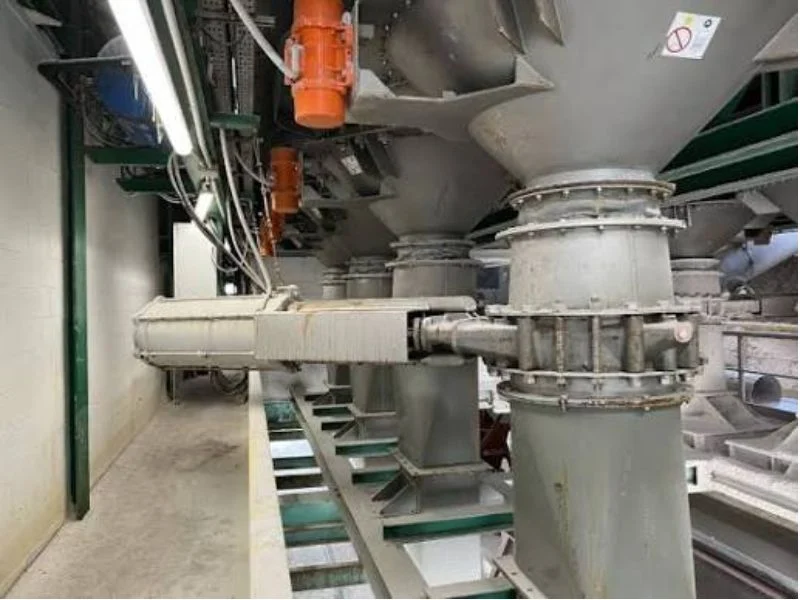
Vanne à guillotine
A sliding gate provides compact isolation and can cut through suitable slurry, fibers and suspended solids.
- Unidirectional or bidirectional designs
- Metal or resilient seat options
- Replaceable seats and wear components
- Manual, pneumatic or hydraulic operation
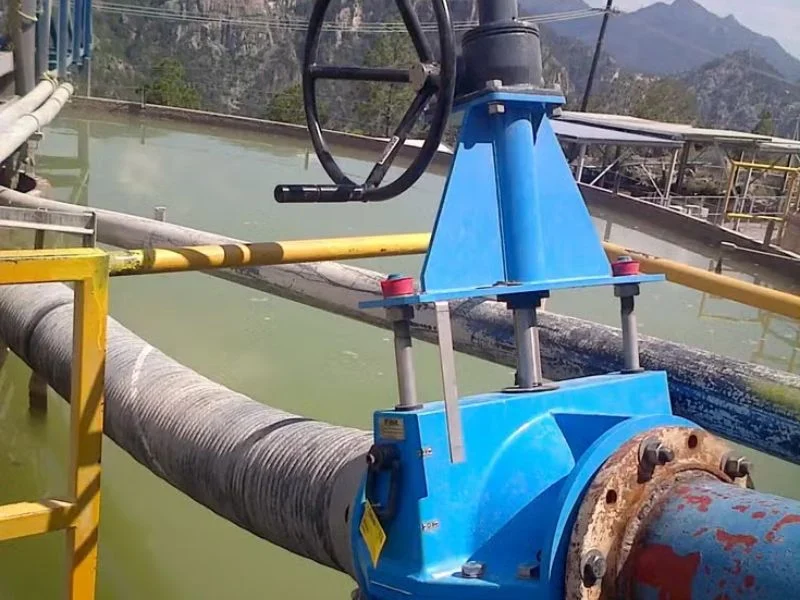
Valve à pincement
A replaceable elastomer sleeve creates a full-bore passage and separates most mechanical components from the slurry.
- Low-obstruction flow path
- Replaceable flexible sleeve
- On-off and suitable control duties
- Manual or automated configurations
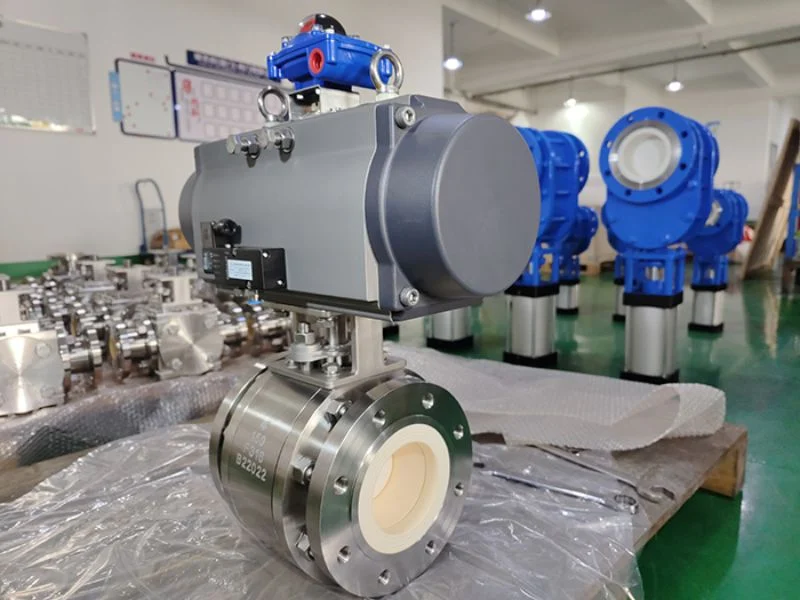
Ceramic Valve
Hard ceramic components protect selected flow-path and sealing surfaces from sliding abrasion and erosion.
- Ceramic-lined ball valve options
- Protected sealing surfaces
- Suitable for abrasive particles
- Corrosion-resistant configurations available
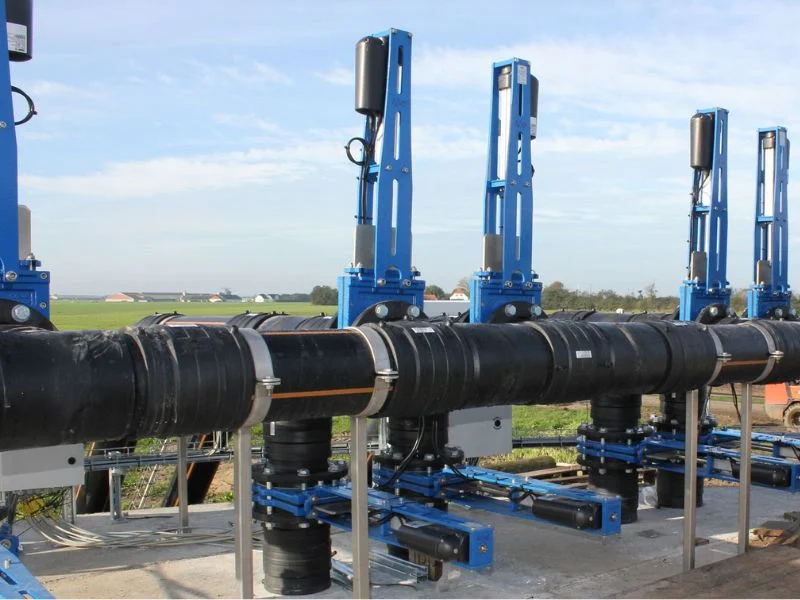
Slurry Valve
Engineered for dense solids-bearing media where standard valve seats and cavities can wear or block rapidly.
- Low-cavity internal geometry
- Wear-resistant seats and liners
- Heavy-duty closure components
- Application-specific actuator sizing
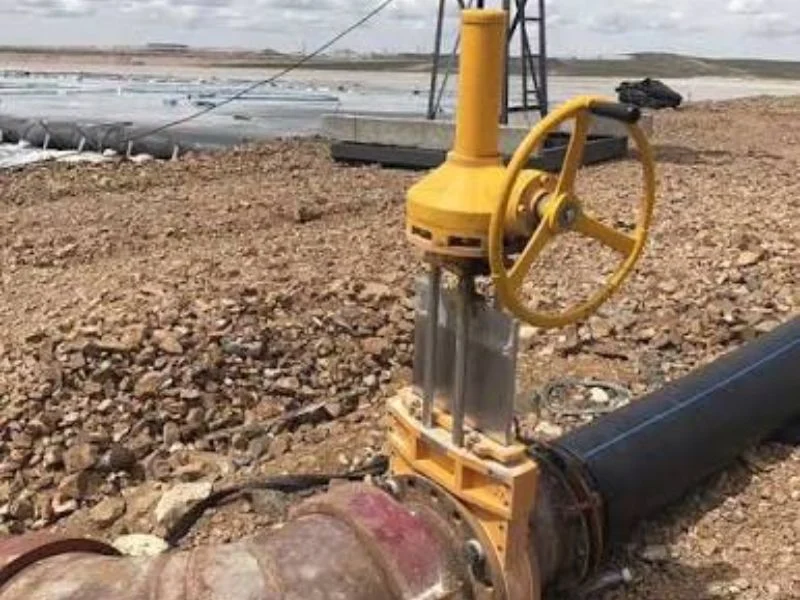
Abrasion-Resistant Products
Special materials and replaceable components protect areas exposed to high particle velocity and impact.
- Hard-faced trim
- Ceramic protection
- Elastomer liners and sleeves
- Replaceable wear plates
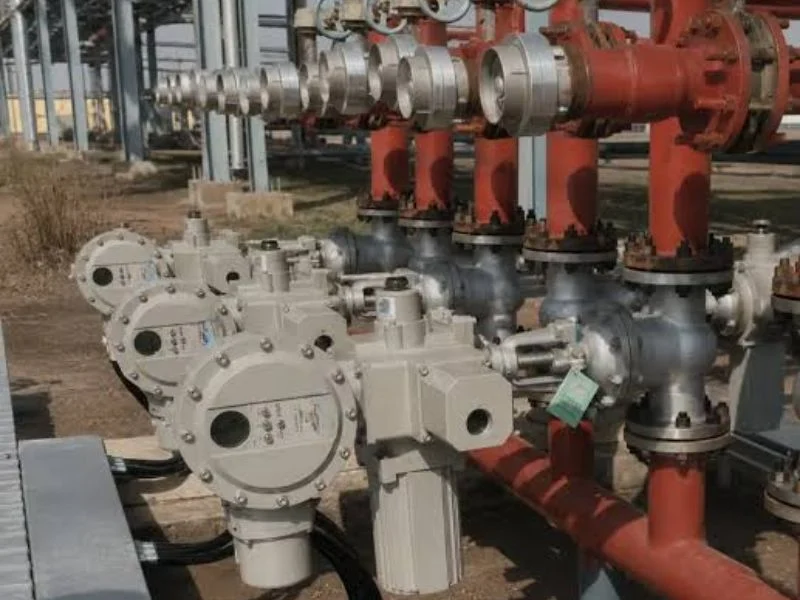
Custom Mining Solution
Custom configurations are available for unusual particle characteristics, corrosive slurry or restricted plant layouts.
- Custom body and connection design
- Special material combinations
- Actuator and accessory packages
- Project-specific inspection plans
Product Comparison
Choose the Right Mining Valve
| Type de vanne | Primary Duty | Typical Media | Wear Protection | Key Selection Point |
|---|---|---|---|---|
| Vanne à guillotine | On-off isolation | Tailings, sludge and fibrous slurry | Replaceable seat and protected gate | Flow direction, solids packing and pressure |
| Valve à pincement | Isolation or suitable control | Concentrate, tailings and abrasive slurry | Replaceable elastomer sleeve | Sleeve compatibility and closing pressure |
| Ceramic Valve | Positive isolation | Fine hard particles and mineral slurry | Ceramic flow path and sealing surfaces | Particle impact and thermal conditions |
| Slurry Valve | Severe-service isolation or control | Dense or high-velocity slurry | Wear-resistant liner, seat and trim | Velocity, pressure drop and particle hardness |
| Custom Abrasion-Resistant Valve | Application-specific duty | Corrosive and abrasive process media | Combined alloy, ceramic or elastomer protection | Dominant wear and corrosion mechanisms |
Mining Applications
Solutions Across Mineral Processing
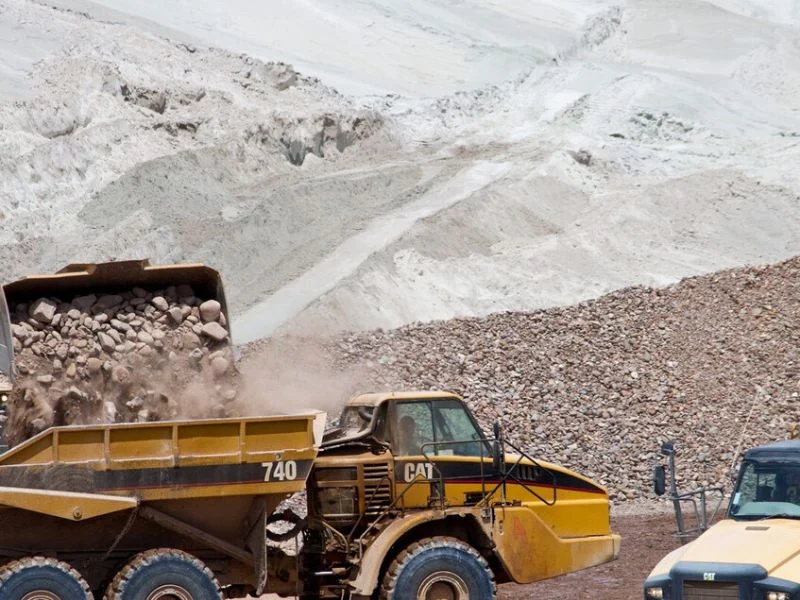
Tailings Transport
Valves isolate tailings lines carrying abrasive particles that can settle during shutdown.
- Pipeline isolation
- Branch-line control
- Drain and flushing points
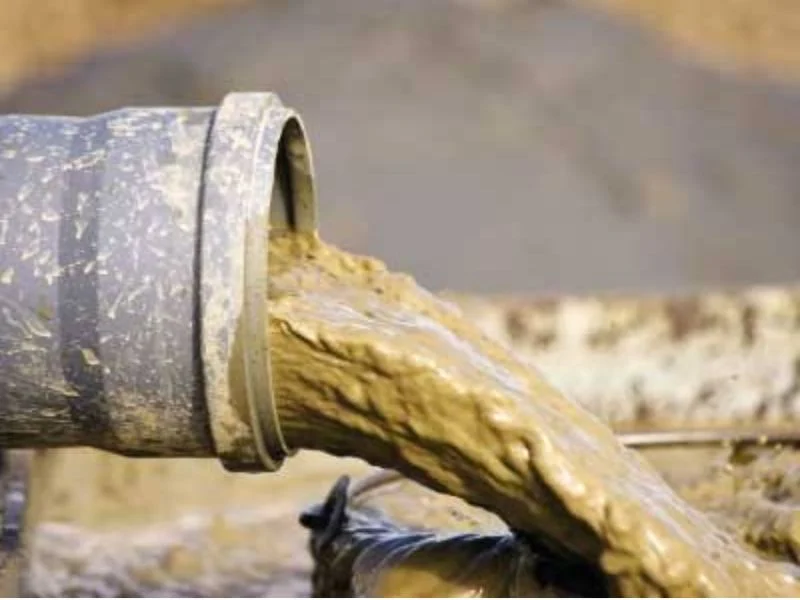
Concentrate Slurry
Dense mineral concentrate requires a low-obstruction passage and materials selected for sliding abrasion.
- Transfer-pump isolation
- Thickener discharge
- Concentrate pipeline control
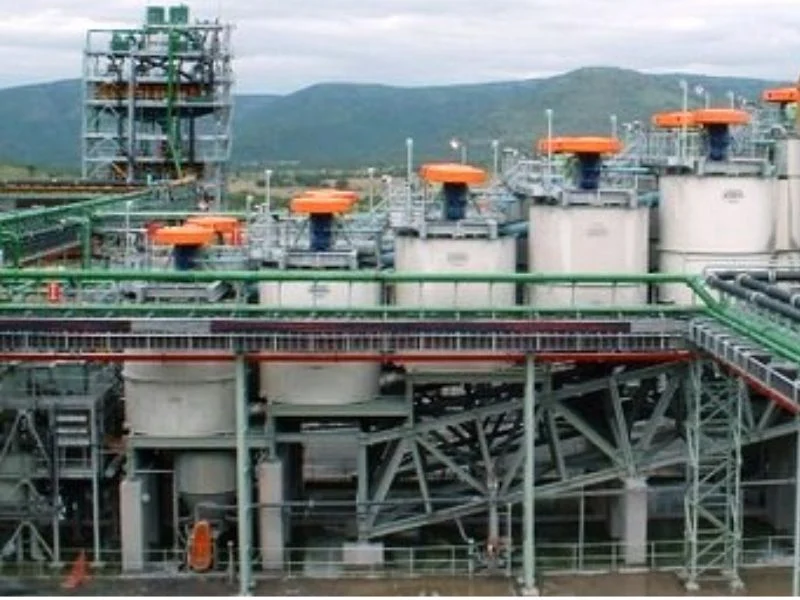
Flotation Circuits
Valves control slurry, reagent-bearing media and process water around flotation cells and pumps.
- Cell isolation
- Slurry distribution
- Process-water control
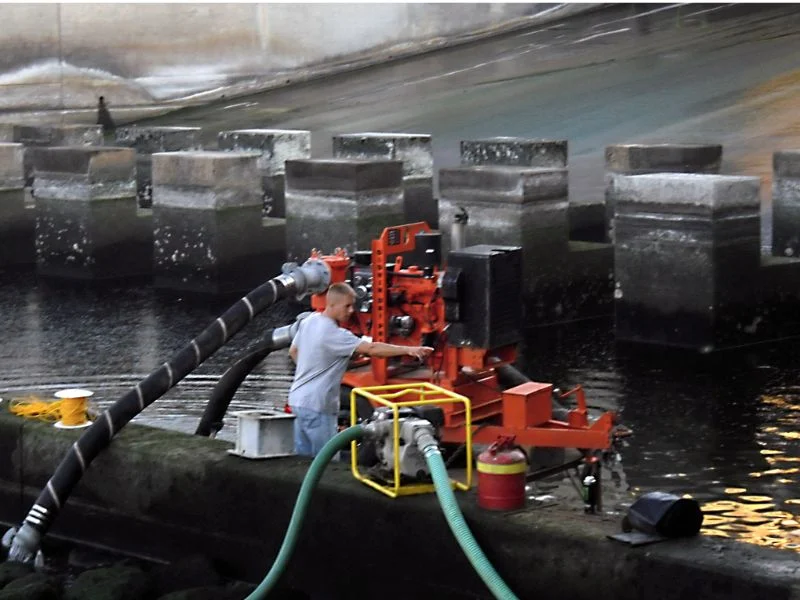
Dewatering
Knife gate and pinch valves support thickener, filter press and dewatering-system isolation.
- Thickened-slurry discharge
- Filter feed and drain lines
- Wash-water service
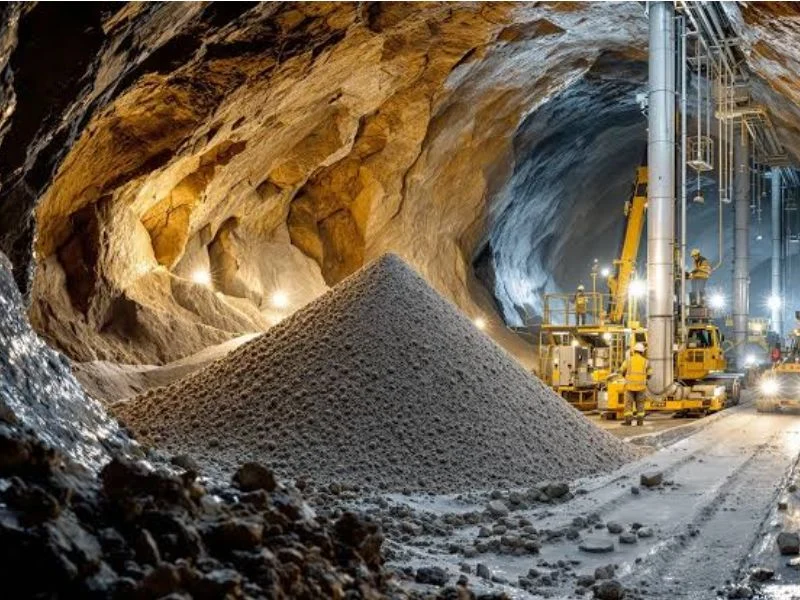
Backfill Systems
Cemented and paste backfill can impose high density, abrasion and operating-torque requirements.
- Paste isolation
- Distribution-line control
- Flushing and diversion service
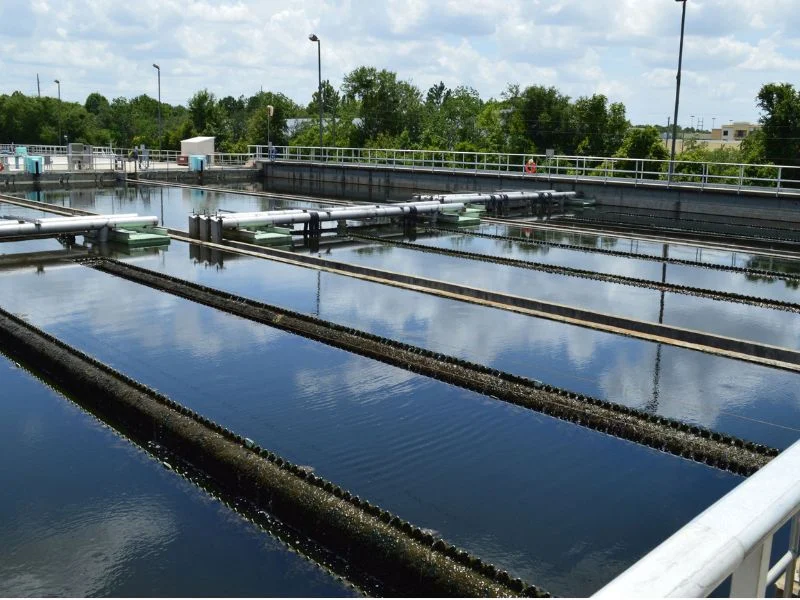
Process and Reclaim Water
Strainers and valves protect pumps and equipment from sediment in recycled mine-water systems.
- Pump-suction protection
- Settling-solid isolation
- Cooling and utility water
Particle Data First
Define solids concentration, size, shape and hardness before selecting materials.
Control Velocity
Avoid unnecessary restriction and concentrated erosion through the valve.
Plan for Wear
Use accessible and replaceable components at predictable wear locations.
Slurry Engineering
Why Mining Slurry Damages Standard Valves
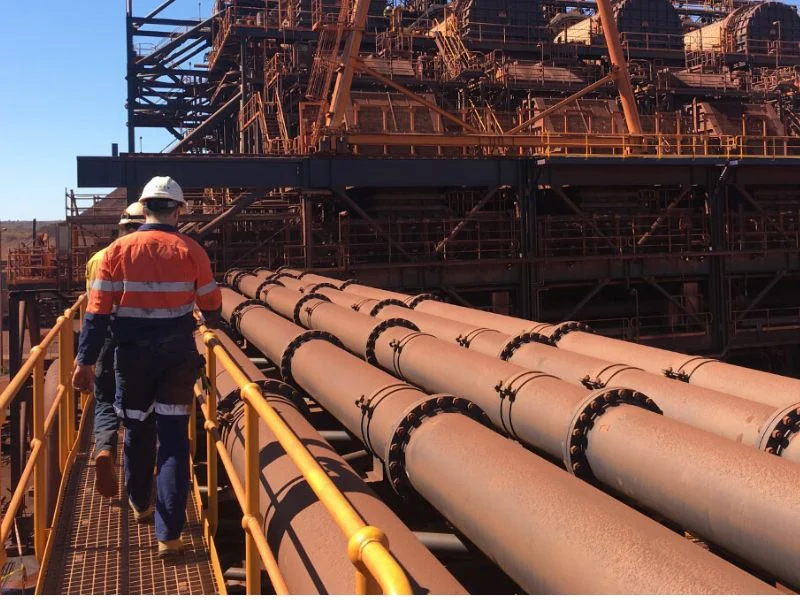
Abrasive wear depends on the interaction between the particles, carrier fluid and valve geometry. Hard materials alone cannot compensate for unsuitable sizing or excessive velocity.
- Solid particles enter the valve with the carrier liquid.
- Velocity rises through restricted or partially open areas.
- Particles strike the body, closure member and seat.
- Solids collect in cavities and around sealing surfaces.
- Repeated impact and sliding contact remove material.
- Wear increases operating torque and shutoff leakage.
- Replaceable components should be serviced before body damage occurs.
Process Challenges
Mining Conditions and Valve Responses
| Process Challenge | Potential Effect | Design Response | Expected Benefit |
|---|---|---|---|
| High solids concentration | Blocked cavities and difficult closure | Full-bore or low-cavity flow path | Reduced solids accumulation |
| Hard mineral particles | Rapid seat and body wear | Ceramic, hard-faced or elastomeric protection | Longer wear-component life |
| High slurry velocity | Concentrated erosion | Correct valve sizing and protected flow path | Reduced localized material loss |
| Settling slurry | Solids packing during shutdown | Drain, flush and low-trap installation design | Easier restart and maintenance |
| Corrosive slurry | Combined corrosion and abrasion | Compatible alloy, lining or sleeve material | Protection against multiple damage mechanisms |
| Frequent cycling | Accelerated seat and actuator wear | Serviceable trim and correctly sized actuator | More consistent operating performance |
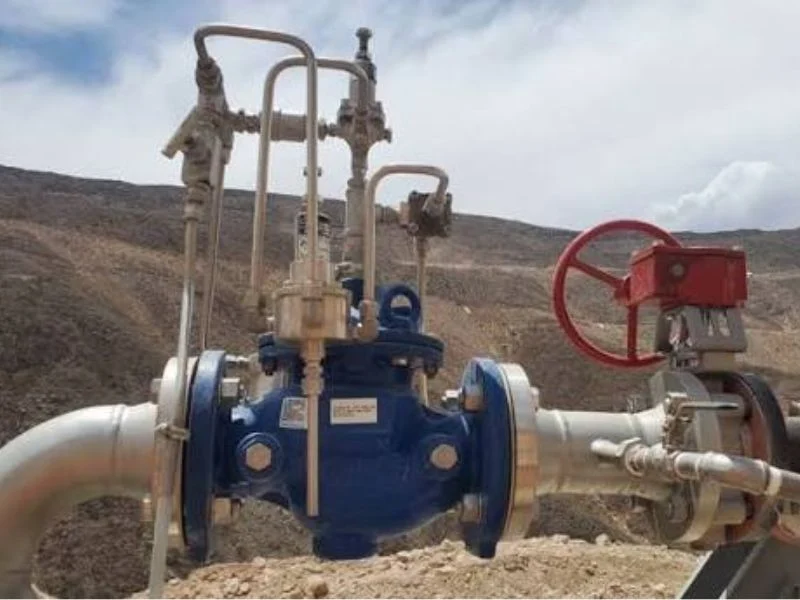
Sélection des matériaux
Abrasion-Resistant Material Options
Hard Wear Protection
- Engineering ceramics for suitable sliding-abrasion duties
- Tungsten-carbide or hard-faced areas for concentrated wear
- Hardened metallic trim for selected impact conditions
- Replaceable wear plates for accessible high-wear zones
Resilient Wear Protection
- Natural rubber for suitable fine-particle slurry
- Synthetic elastomers selected for chemical compatibility
- Polyurethane for appropriate abrasive applications
- Replaceable sleeves and liners for planned maintenance
Material Matrix
Matching Protection to Wear Conditions
| Material Type | Typical Strength | Important Limitation | Common Application |
|---|---|---|---|
| Engineering Ceramic | High hardness and sliding-wear resistance | Impact and thermal shock require evaluation | Fine hard particles and abrasive slurry |
| Hard-Faced Alloy | Localized protection on metallic components | Coating quality and repair method matter | Seats, gates and trim surfaces |
| Natural Rubber | Good resilience in suitable slurry service | Temperature and chemical compatibility are limited | Tailings and fine-particle slurry |
| Synthetic Elastomer | Application-specific chemical and wear resistance | Must be matched to the actual medium | Pinch-valve sleeves and lined components |
| Polyurethane | Suitable abrasion resistance in selected services | Temperature and chemical exposure require review | Replaceable liners and flow-path protection |
| Corrosion-Resistant Alloy | Protection from aggressive process chemistry | Hardness alone may not resist severe abrasion | Corrosive mineral-processing slurry |
Valve Configuration
Typical Engineering Options
| Design Element | Typical Options | Selection Consideration |
|---|---|---|
| Valve pattern | Knife gate, pinch, ceramic ball or specialty slurry valve | Required function and slurry behavior |
| Body construction | Cast, fabricated or split-body design | Pressure, size and component accessibility |
| Wear protection | Ceramic, elastomer, hard alloy or replaceable liner | Particle hardness, velocity and impact angle |
| Seat arrangement | Resilient, metal, ceramic or sleeve closure | Shutoff requirement and expected wear |
| Connexion | Wafer, lugged, flanged or welded | Pipeline standard and maintenance access |
| Fonctionnement | Manual, pneumatic, electric or hydraulic | Torque, speed, frequency and available utilities |
| Accessoires | Limit switches, solenoid valve and positioner | Control, indication and fail-action requirements |
| Flushing provisions | Drain, purge or wash connections | Settling solids and shutdown cleaning procedure |
Send Us Your Slurry Data
Share the solids concentration, particle size, hardness, flow, pressure and required valve function. Our team will help identify a suitable mining valve configuration.
Selection Checklist
Information Required for Engineering Review
Slurry and Process Data
- Mineral or process medium
- Solids concentration by weight or volume
- Particle size distribution
- Particle shape and hardness
- Slurry density and viscosity
- Normal and maximum flow velocity
- Operating pressure and temperature
- Corrosive chemical components
Valve and System Data
- Isolation, diversion or control function
- Required valve size and connection
- Maximum pressure differential
- Required shutoff performance
- Operating frequency and cycle time
- Installation orientation
- Actuator type and fail position
- Inspection and documentation requirements
Manufacturer Support
From Wear Analysis to Delivery
1. Application Review
We evaluate slurry properties, flow conditions, required function and historical wear problems.
2. Material Selection
Valve pattern, liner, seat, trim and actuator are selected around the identified risks.
3. Inspection and Testing
Applicable material, dimensional, pressure and functional checks are completed.
4. Documentation
Approved drawings and agreed inspection records are prepared according to the order.
Maintenance Strategy
Plan Around Predictable Wear
- Monitor valve leakage, operating torque and cycle time
- Inspect high-velocity areas for erosion
- Check gate, seat, sleeve and liner condition
- Flush settled solids before extended shutdowns
- Maintain drains, purge ports and wash connections
- Replace wear components before body damage develops
- Verify actuator travel and position indication
- Record component life to improve maintenance intervals
Questions fréquemment posées
Mining & Slurry Valve FAQ
Which valve is best for mining slurry?
The best design depends on solids concentration, particle size, hardness, velocity, pressure and required function. Knife gate, pinch, ceramic and slurry valves are common options.
When should a knife gate valve be selected?
A knife gate valve is commonly considered for on-off isolation of tailings, sludge and other solids-bearing media where its compact sliding-gate design suits the process.
Why use a pinch valve for slurry?
A pinch valve provides a full-bore flexible sleeve that separates most mechanical components from the process medium and can be replaced during maintenance.
Why are ceramic valves used in mining?
Engineering ceramics offer high hardness and resistance to many sliding-abrasion conditions. Impact, thermal shock and installation stresses must still be evaluated.
Can a slurry valve be used for throttling?
Selected designs can provide control, but pressure drop and particle velocity must be evaluated because partially open valves may experience concentrated erosion.
Which is better for abrasion: ceramic or rubber?
Neither is universally better. Ceramic suits many hard-particle sliding-wear conditions, while resilient elastomers can perform well in suitable slurry with lower impact severity.
How can mining valve service life be extended?
Correct sizing, controlled velocity, suitable wear materials, proper flushing and planned replacement of seats, sleeves and liners can improve service life.
What information is required for a quotation?
Provide solids concentration, particle data, slurry density, flow, pressure, temperature, valve size, required function, connection and actuator preference.
 English
 Arabic
 Russian
 French
 Spanish