
Tank Protection Solutions
Tank Vent Valve Manufacturer
BCST Valve manufactures tank vent valves for controlling pressure and vacuum conditions in atmospheric and low-pressure storage tanks. Our valves support safe tank breathing during filling, emptying and thermal changes while helping reduce unnecessary vapor loss.
The product range includes pressure vacuum vent valves, flame-arresting breathing valves, pressure-only vents, vacuum-only vents and pipe-away configurations for vapor recovery systems.
- Pressure-only, vacuum-only and combination functions
- End-of-line and pipe-away configurations
- Selected catalog sizes from DN50 to DN500
- Carbon steel, stainless steel and aluminum alloy options
- Project-specific settings and flange connections
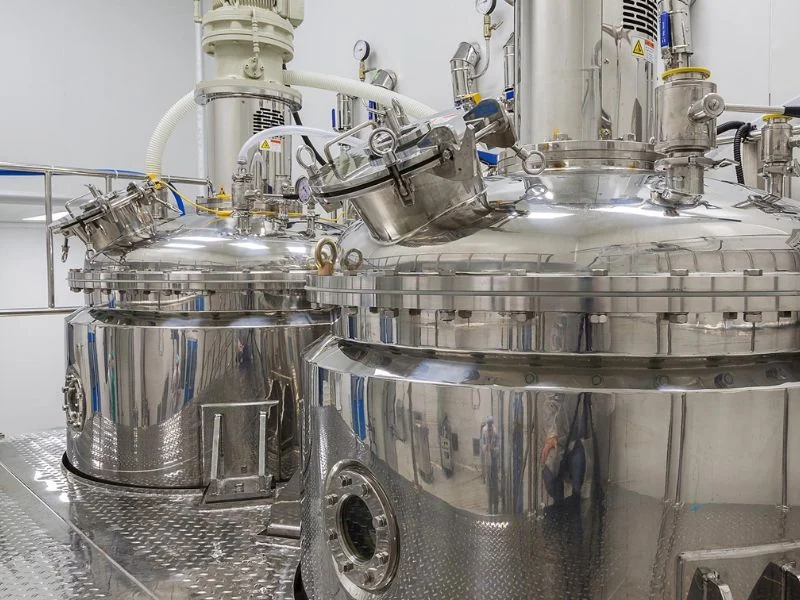
Pressure Protection
Releases vapor when tank pressure reaches the specified setting.
Vacuum Protection
Admits air or inert gas during withdrawal and thermal contraction.
Vapor Conservation
Limits unnecessary vapor release during normal tank operation.
Factory Verification
Set-point and sealing checks within the agreed inspection scope.
Product Collection
Tank Vent Valve Types
Select the operating function and installation arrangement that match your storage tank protection strategy.
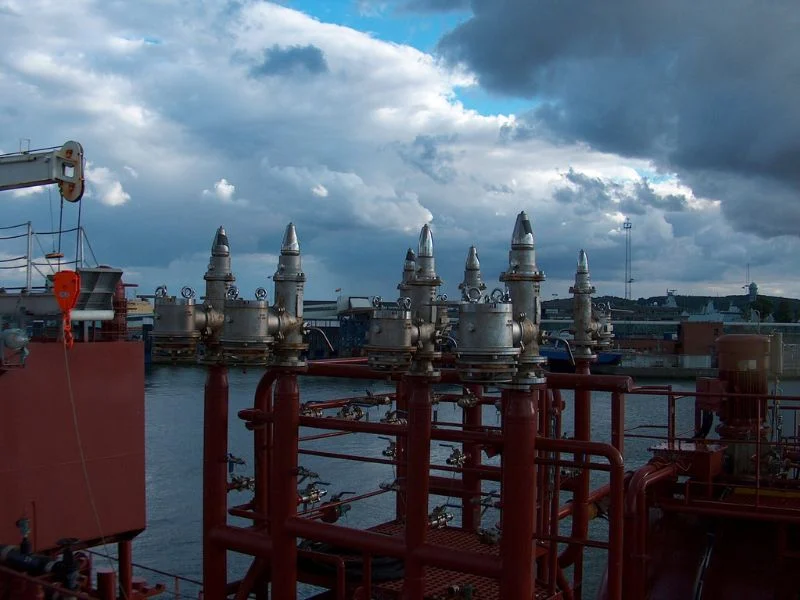
Pressure Vacuum Vent Valve
Provides pressure relief and vacuum intake through separate weighted or spring-loaded pallets.
- Combined pressure and vacuum protection
- Normal tank breathing service
- Multiple setting options
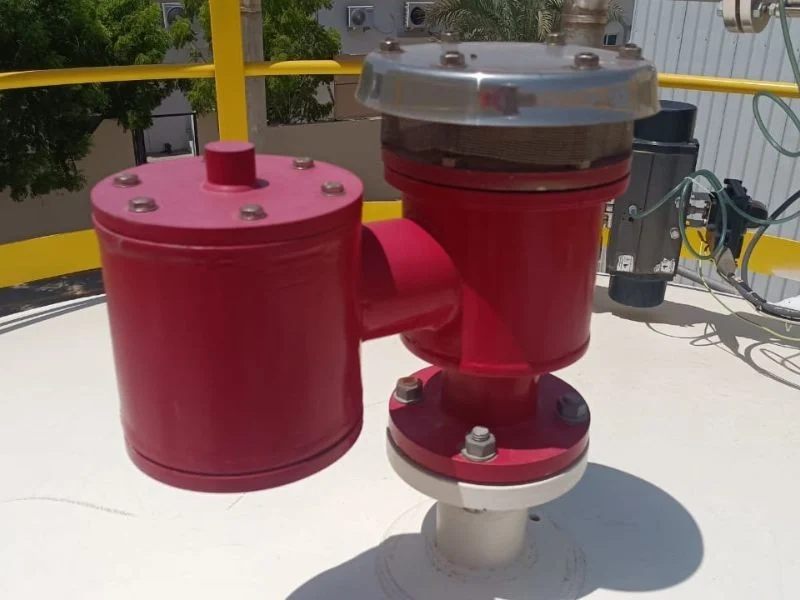
Flame-Arresting Vent Valve
Combines tank breathing functions with a flame-arresting element in the vent path.
- Integrated flame-arresting element
- Removable element for inspection
- Application-specific selection
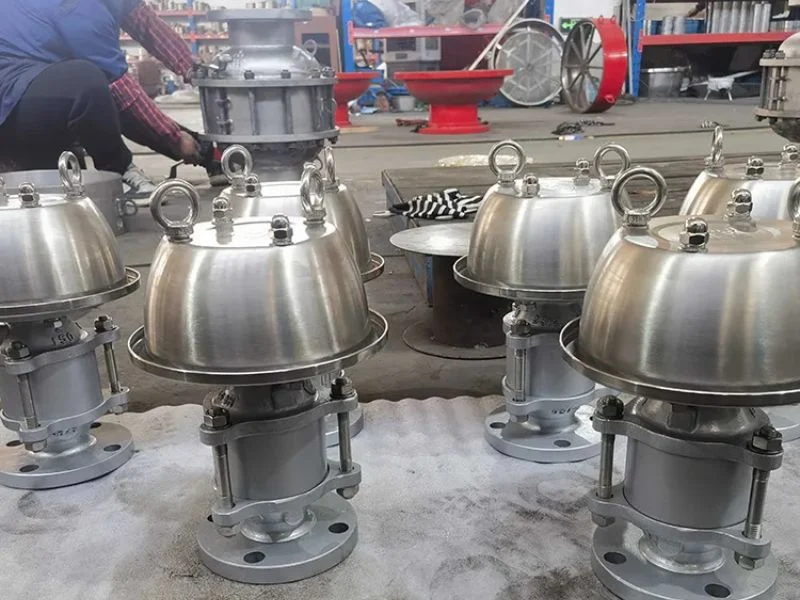
All-Weather Breathing Valve
A compact outdoor configuration designed to support reliable tank breathing under changing weather conditions.
- Outdoor tank installation
- Compact valve construction
- DN50 to DN250 catalog sizes
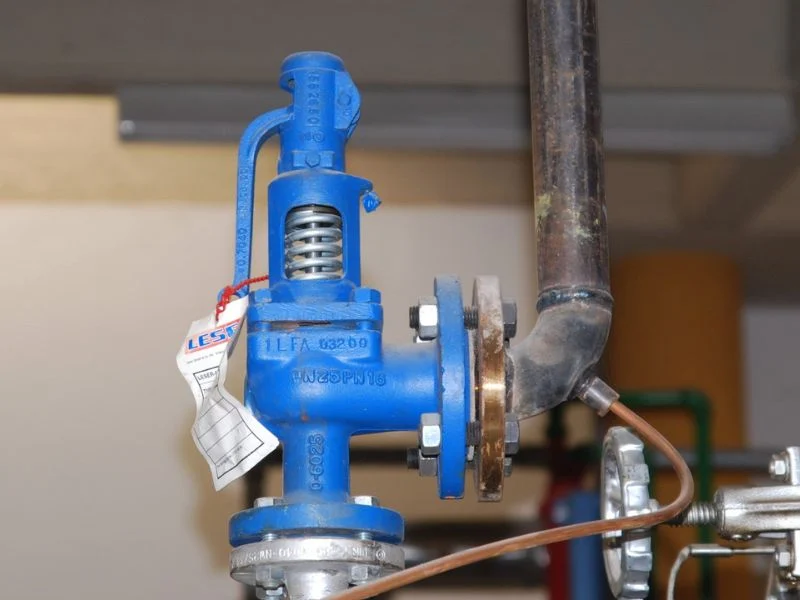
Pressure-Only Vent Valve
Releases vapor when vapor when internal pressure reaches the selected setting.
- Single-exhalation function
- Direct or pipe-away outlet
- Separate vacuum protection required
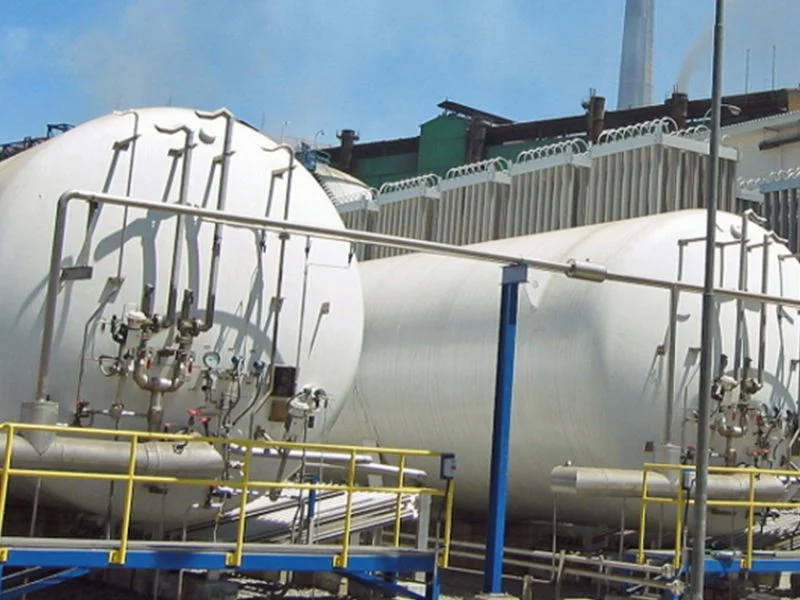
Vacuum-Only Vent Valve
Admits air or inert gas when tank vacuum reaches the specified opening condition.
- Single-suction function
- Direct or connected inlet
- Separate pressure protection required
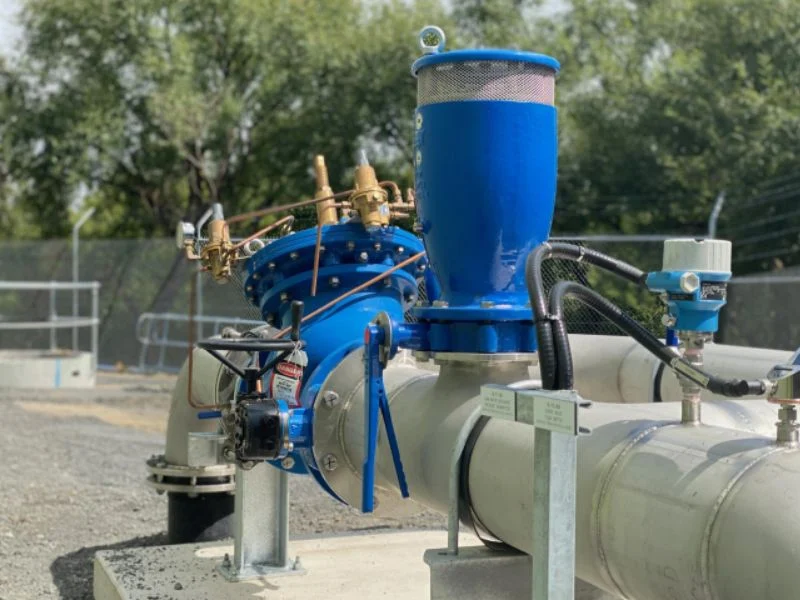
Pipe-Away Tank Vent Valve
Routes discharged vapor to a vapor recovery, flare or treatment system through connected piping.
- Single or dual pipe connections
- Closed vapor handling systems
- Backpressure review required
Product Comparison
Select the Appropriate Tank Vent Valve
This comparison supports preliminary selection. Final valve sizing requires confirmed tank and process data.
| Type de vanne | Décharge de pression | Vacuum Relief | Flame Protection | Typical Application |
|---|---|---|---|---|
| Pressure Vacuum Vent | Yes | Yes | En option | Normal breathing of atmospheric tanks |
| Pressure-Only Vent | Yes | No | En option | Tanks with separate vacuum protection |
| Vacuum-Only Vent | No | Yes | En option | Air or inert-gas admission |
| Pipe-Away Vent | Model dependent | Model dependent | En option | Vapor recovery and treatment systems |
| Flame-Arresting Vent | Model dependent | Model dependent | Integrated | Flammable vapor applications |
| All-Weather Vent | Yes | Yes | Available | Outdoor storage tank installations |
Operating Principle
How a Tank Vent Valve Works
Under normal conditions, the pressure and vacuum pallets remain seated. This helps limit unnecessary vapor discharge and atmospheric intake.
- Tank filling or thermal expansion increases internal pressure.
- The pressure pallet opens at the specified pressure setting.
- Vapor flows out until pressure moves toward the reseating range.
- Product withdrawal or cooling creates vacuum inside the tank.
- The vacuum pallet opens to admit air or inert gas.
- The pallet reseats after the tank returns toward normal conditions.
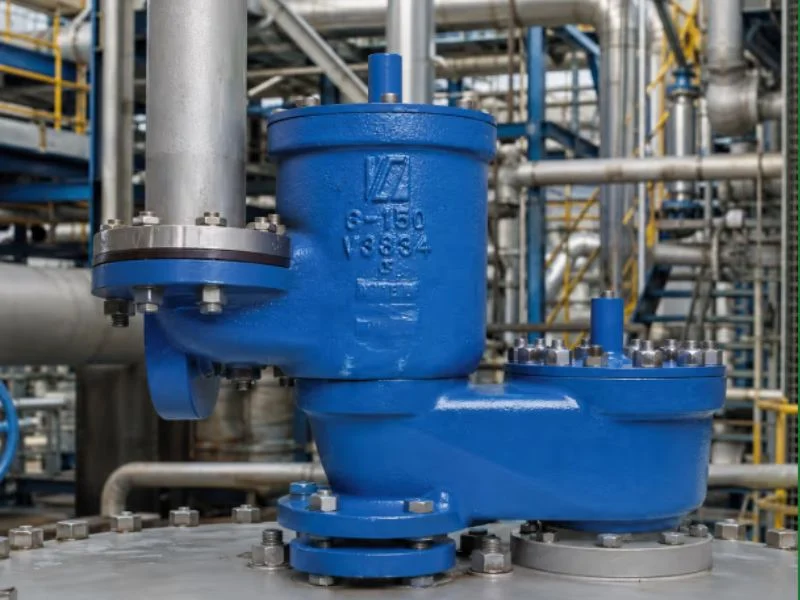
Set Pressure
Must remain within the allowable operating limits of the storage tank.
Required Capacity
Must cover filling, withdrawal and thermal breathing conditions.
Stored Medium
Determines suitable body, trim, seal and corrosion-resistant materials.
Installation System
Direct and pipe-away installations require different flow reviews.
Technical Data
Typical Pressure and Vacuum Settings
The following catalog settings are reference values for selected valve configurations. Confirm the required settings against the tank design limits before ordering.
| Catalog Level | Pressure Setting | Vacuum Setting | Selection Guidance |
|---|---|---|---|
| A | +355 Pa | -295 Pa | Low-pressure tank breathing |
| B | +980 Pa | -295 Pa | Common catalog configuration |
| C | +1765 Pa | -392 Pa | Higher positive-pressure setting |
| Custom | Specified by purchaser | Specified by purchaser | Subject to engineering review |
Available Sizes
Tank Vent Valve Size and Capacity Reference
Use the catalog information for preliminary comparison. Final sizing must be based on the required airflow at the specified pressure and vacuum conditions.
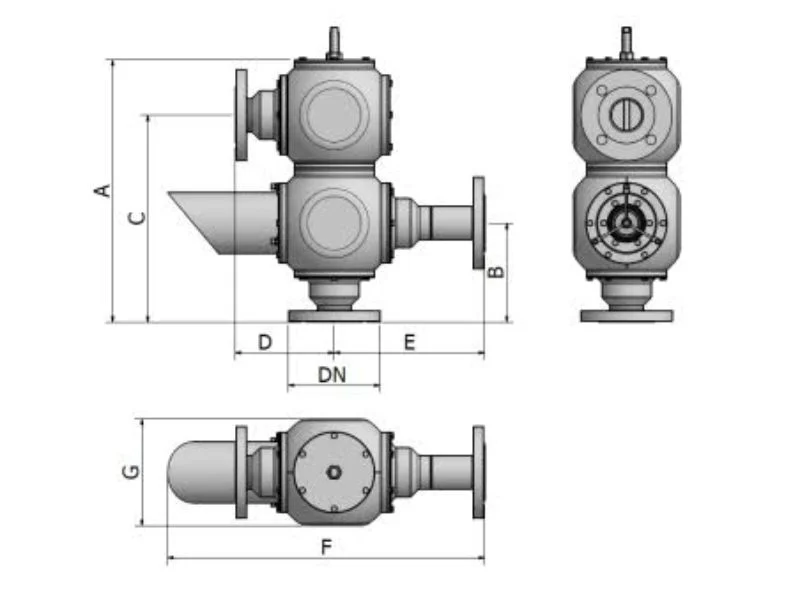
Catalog Size Range
- All-weather vent series: DN50 to DN250
- Flame-arresting vent series: DN50 to DN300
- Combination JCHX series: selected models up to DN400
- Pressure-only series: selected models up to DN500
- Alternative flange connections available upon review
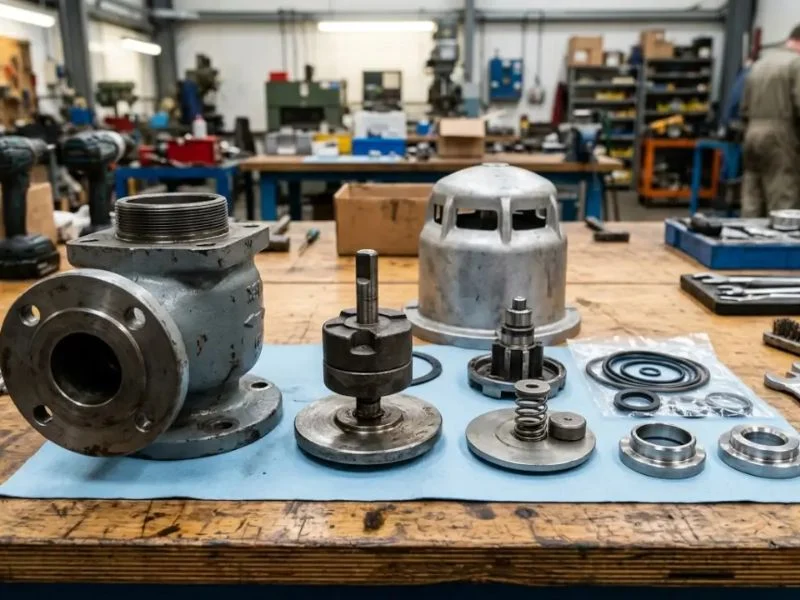
Important Sizing Notes
- Do not select a valve only by matching the nozzle diameter.
- Check pressure and vacuum capacity separately.
- Include thermal breathing in the required capacity.
- Consider pressure loss through flame-arresting elements.
- Include piping resistance and outlet backpressure.
Selected Catalog Airflow Capacity
| Nominal Size | Level A Pressure +355 Pa |
Level A Vacuum -295 Pa |
Level B Pressure +980 Pa |
Level C Pressure +1765 Pa |
|---|---|---|---|---|
| DN50 | 25 m³/h | 20 m³/h | 30 m³/h | 40 m³/h |
| DN80 | 60 m³/h | 50 m³/h | 70 m³/h | 95 m³/h |
| DN100 | 90 m³/h | 75 m³/h | 100 m³/h | 140 m³/h |
| DN150 | 190 m³/h | 160 m³/h | 200 m³/h | 280 m³/h |
| DN200 | 340 m³/h | 280 m³/h | 380 m³/h | 500 m³/h |
| DN250 | 500 m³/h | 450 m³/h | 600 m³/h | 800 m³/h |
Capacity values are catalog references for selected configurations. Confirm model, test conditions and required operating points with BCST Valve.
Matériaux
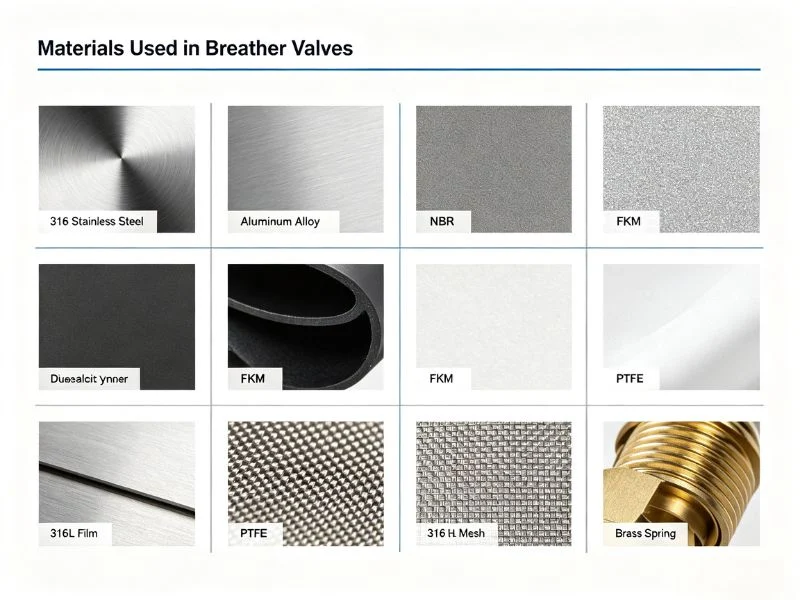
Material Options for Different Media
Material selection should consider the stored liquid, vapor composition, operating temperature, corrosion risk and site cleaning procedures.
| Composant | Typical Material Options |
|---|---|
| Corps de vanne | Aluminum alloy, carbon steel, SS304, SS304L, SS316 or SS316L |
| Valve Disc | Stainless steel or body-compatible alloy |
| Guide Rod | Acier inoxydable |
| Flame-Arresting Element | Stainless steel, model dependent |
| Valve Seal | PTFE or application-specific material |
Selection Checklist
Information Required for Technical Selection
Complete operating data allows the manufacturer to review capacity, settings, materials and installation compatibility.
Tank Data
- Tank type and volume
- Maximum allowable pressure
- Maximum allowable vacuum
- Vent nozzle size and rating
- Normal and emergency venting arrangement
Process Data
- Stored liquid and vapor composition
- Maximum filling rate
- Maximum withdrawal rate
- Température de fonctionnement
- Minimum ambient temperature
Project Requirements
- Pressure and vacuum settings
- Body, trim and seal materials
- Flange standard and facing
- Direct or pipe-away installation
- Inspection and document requirements
Applications
Industries Using Tank Vent Valves
Tank vent valves are used wherever atmospheric or low-pressure storage tanks require controlled breathing.

Pétrole et gaz
Tank protection for petroleum products, hydrocarbons and process liquids.

Tank Farms
Pressure and vacuum control for bulk storage and distribution facilities.

Traitement chimique
Material-compatible breathing solutions for chemicals and solvents.
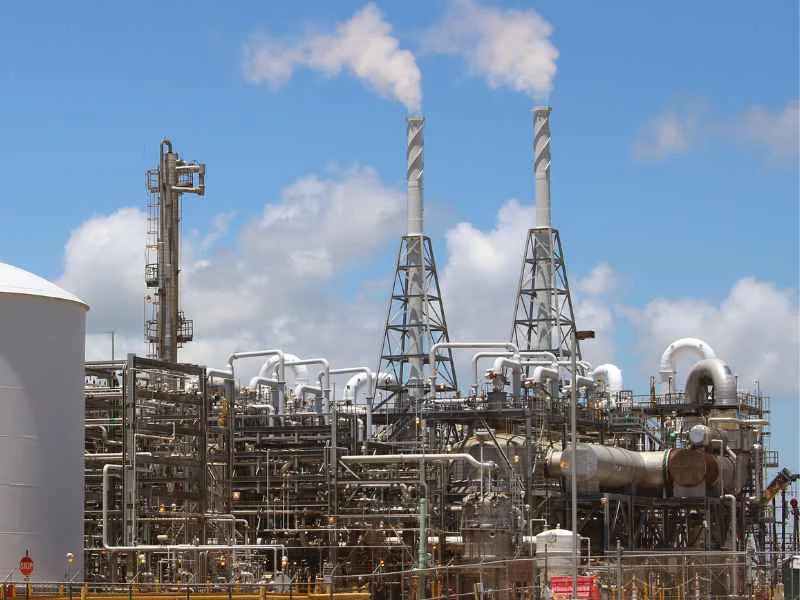
Raffineries
Normal breathing and vapor-management solutions for refinery tank areas.
Manufacturer Quality Control
Inspection Before Delivery
The inspection scope is confirmed during order review. Available checks depend on the selected model and agreed project documentation.
- Review the approved datasheet and product drawing.
- Verify valve body, internal and sealing materials.
- Inspect dimensions, connections and product markings.
- Check pressure and vacuum opening settings.
- Inspect seat sealing and free pallet movement.
- Review documentation and protective packing.
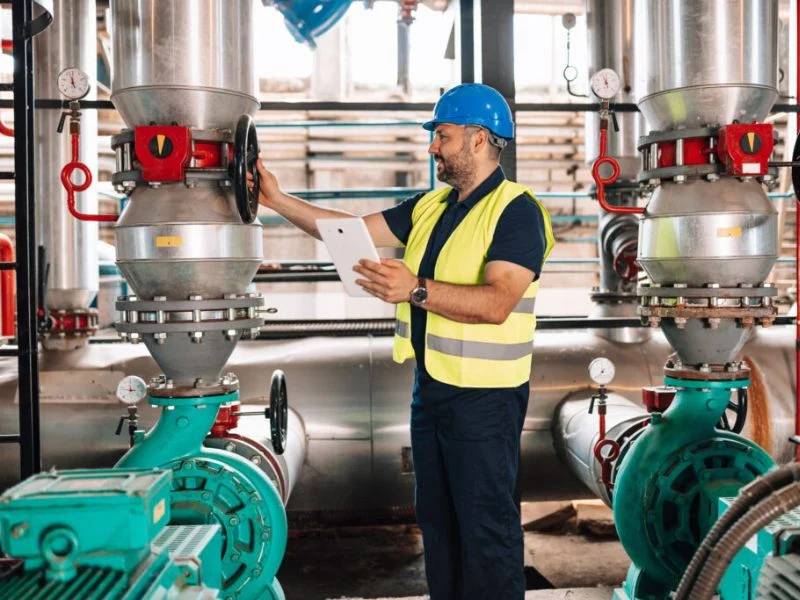
Installation & Maintenance
Protect Venting Performance in Service
Correct installation and regular inspection help the valve maintain the intended pressure, vacuum and flow performance.
Installation Guidelines
- Install the valve in the specified orientation.
- Keep the tank nozzle and vent passage clean.
- Avoid piping loads on the valve connection.
- Check that pallets move freely before commissioning.
- Include backpressure when using a pipe-away outlet.
- Maintain safe access for inspection and cleaning.
Maintenance Guidelines
- Inspect screens and flow passages for blockage.
- Clean deposits from pallets and seating surfaces.
- Examine seals for wear or chemical damage.
- Inspect flame-arresting elements where fitted.
- Do not change pallet weights without authorization.
- Verify operation before returning to service.
Send Us Your Tank Venting Data
Provide the tank limits, filling and withdrawal rates, stored medium, required settings and connection details. BCST Valve will review the information and recommend a suitable configuration.
Questions fréquemment posées
Tank Vent Valve FAQ
Answers to common questions from tank designers, plant operators and procurement teams.
What is a tank vent valve?
A tank vent valve controls pressure and vacuum inside a storage tank. It opens under specified operating conditions and closes as the tank returns toward its normal pressure range.
Is it the same as a breather valve?
The terms are commonly used for the same product family. Tank vent valves can include pressure-only, vacuum-only, combination and pipe-away configurations.
How is the correct valve size selected?
Selection is based on required pressure and vacuum flow, tank design limits, filling and withdrawal rates, thermal breathing and piping resistance.
Can I select by tank nozzle size?
No. Matching the connection diameter does not prove that the valve has sufficient capacity. Flow must be verified at the specified pressure or vacuum.
When is a flame-arresting model required?
It may be required when an ignition risk assessment identifies a need for flame protection. The vapor, gas group, installation and credible flame scenario must be confirmed.
Can the outlet connect to vapor recovery?
Yes. A pipe-away model can connect to a vapor recovery or treatment line when backpressure and piping resistance are included in the selection.
Can the pressure settings be customized?
Selected models can be reviewed for project-specific settings. The values must remain compatible with the tank limits, required flow and valve construction.
What materials are available?
Available options include aluminum alloy, carbon steel, SS304, SS304L, SS316 and SS316L, subject to the selected model and stored medium.
Does it replace an emergency vent?
Not automatically. Normal breathing and emergency relief are different design cases. The complete tank venting system must be evaluated for both conditions.
What information is required for a quotation?
Provide the tank limits, filling and withdrawal rates, stored medium, temperatures, set points, connection details and documentation requirements.
Still Have a Technical Question?
Send your operating data to BCST Valve for product selection and quotation support.
 English
 Arabic
 Russian
 French
 Spanish