Specialty Valve Solutions

Specialty Valves for Demanding Process Applications

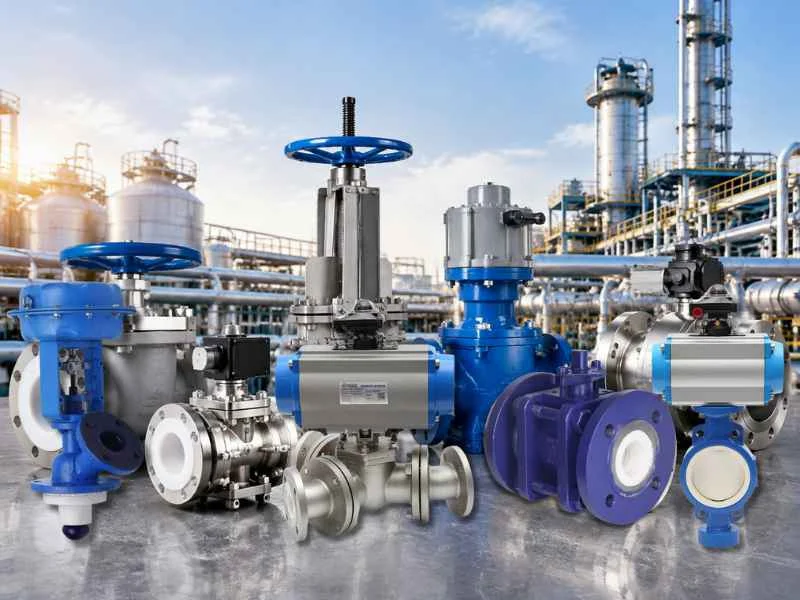
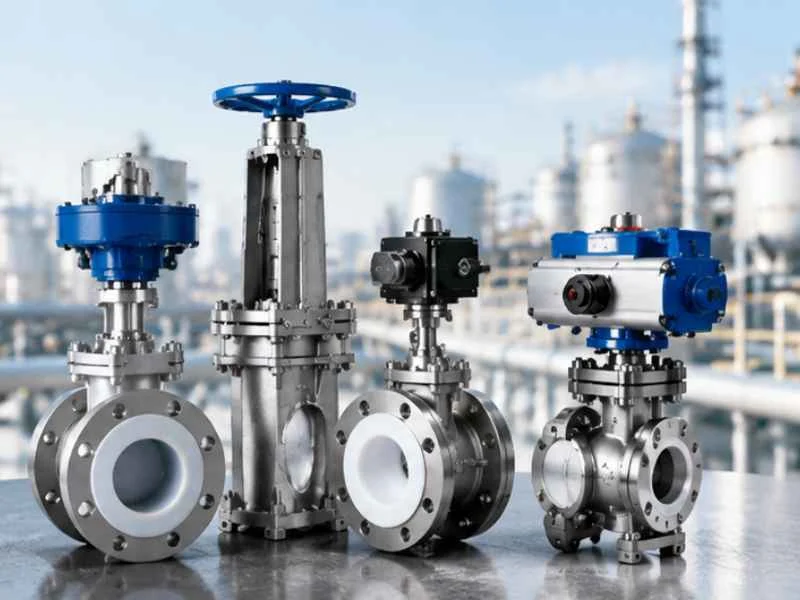
BCST Valve provides engineered specialty valve solutions for abrasive slurry, corrosive chemicals, powders, viscous media, high-temperature service, vessel discharge, and other difficult operating conditions. We review the medium, solids content, pressure, temperature, operating function, material compatibility, installation, and maintenance requirements before recommending a valve solution.
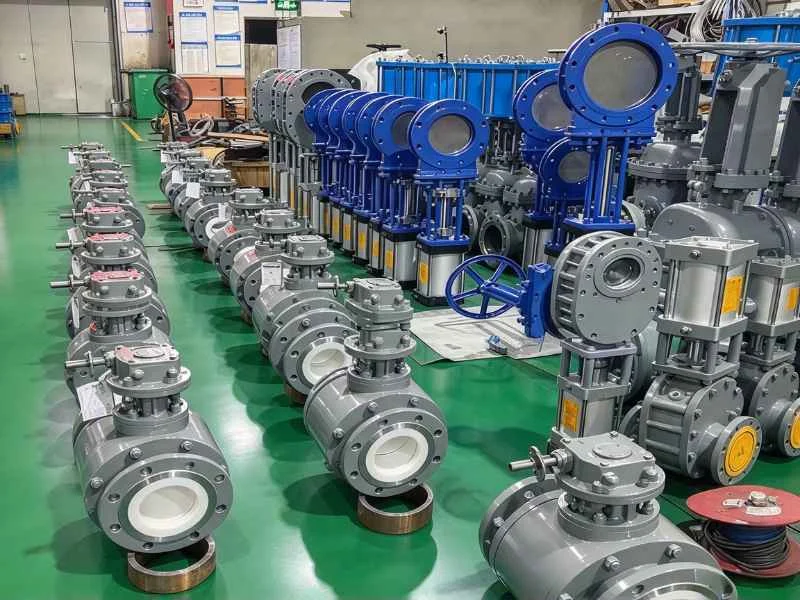
Specialty valve collection
Product Collection

Explore Our Specialty Valves

Valve designs selected around difficult media, special equipment interfaces, and demanding operating environments.
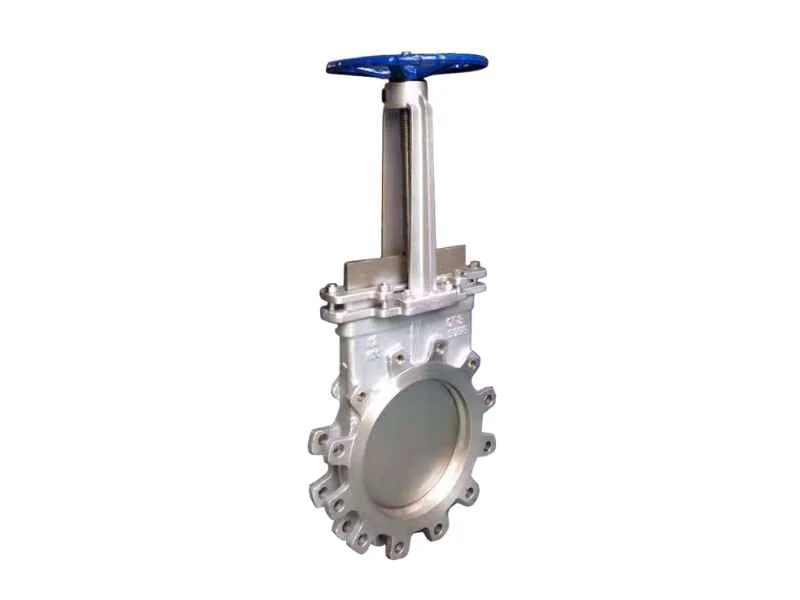
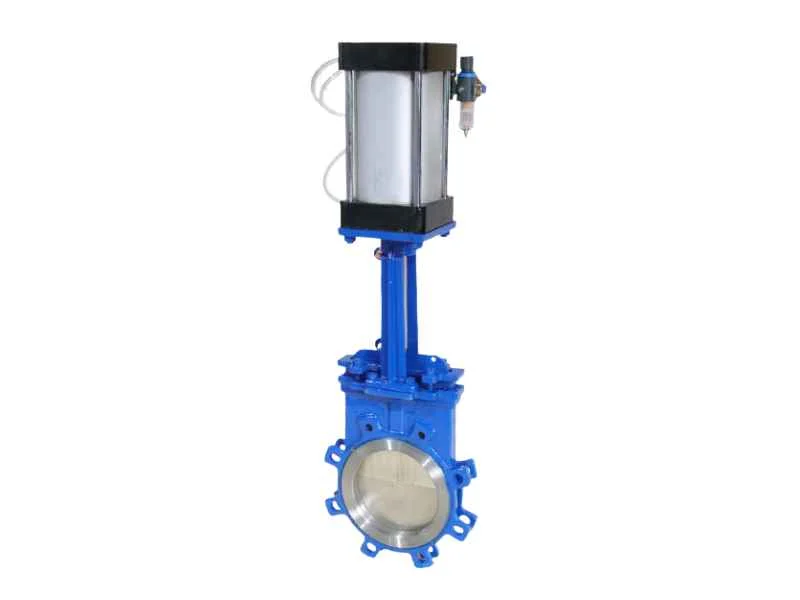
Industrial knife gate valve

Knife Gate Valves

Isolation valves for slurry, wastewater, pulp, powder, and media containing suspended solids.
  • Unidirectional or bidirectional sealing
  • Wafer and lugged designs
  • Manual or automated operation
View Knife Gate Valves →
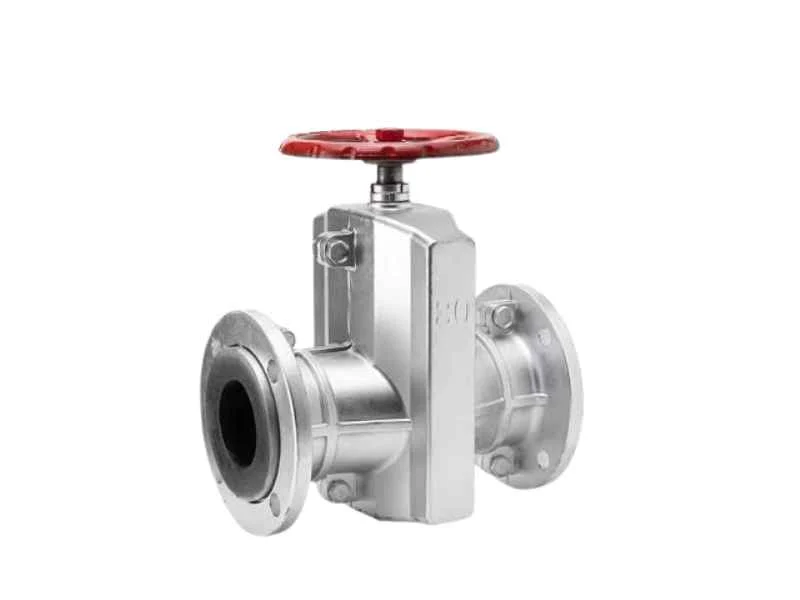
Industrial pinch valve

Valves à pincement

Flexible-sleeve valves for abrasive slurry, powders, granules, wastewater, and selected corrosive media.
  • Full-bore flow path
  • Replaceable elastomer sleeve
  • Reduced internal obstruction
View Pinch Valves →
Heavy-duty slurry valve

Slurry Valves

Heavy-duty valve configurations for erosive mixtures of liquids and suspended process solids.
  • Abrasion-resistant construction
  • Heavy-duty sealing components
  • Mining and mineral applications
View Slurry Valves →
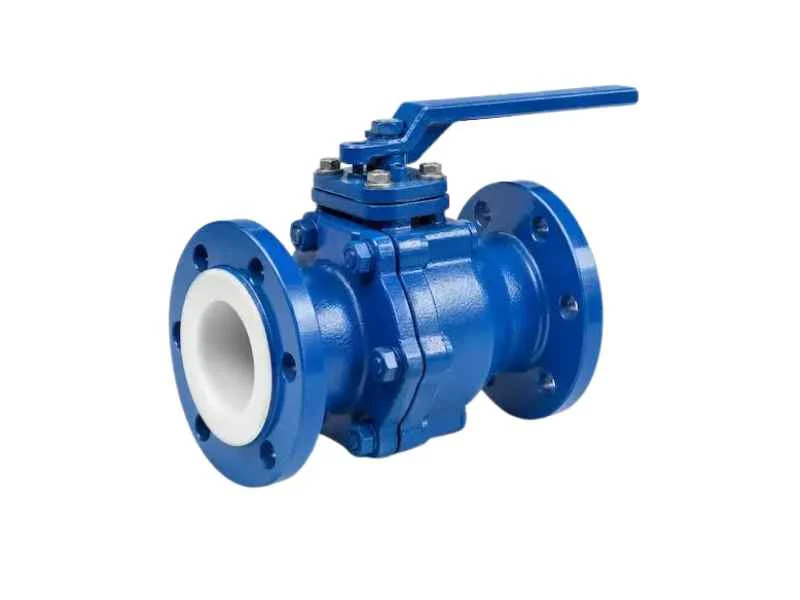
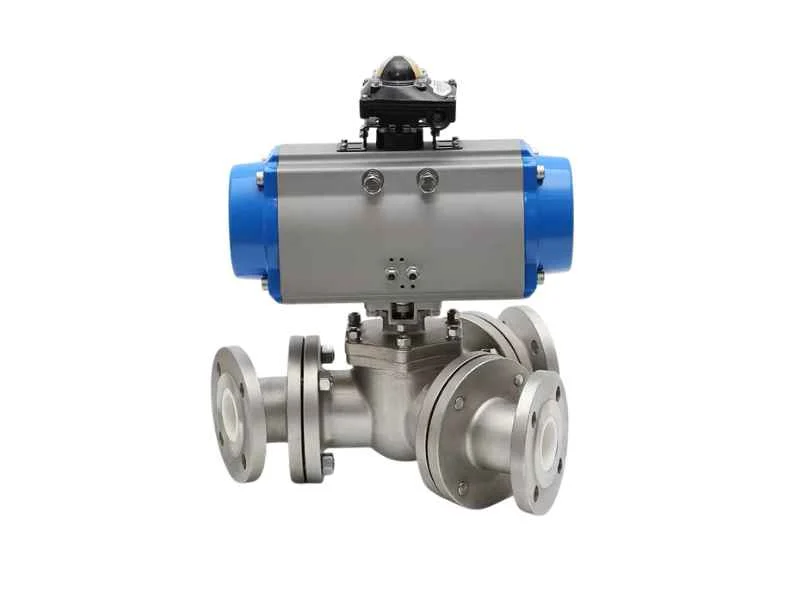
Corrosion-resistant lined valve

Lined Valves

Internally lined valves designed to separate corrosive process media from the metal valve body.
  • Multiple lining materials
  • Protected wetted surfaces
  • Chemical process applications
View Lined Valves →
Abrasion-resistant ceramic valve

Ceramic Valves

Valves with ceramic flow-path components for severe abrasion, erosion, and selected corrosive conditions.
  • High wear resistance
  • Powder and ash service
  • Slurry applications
View Ceramic Valves →
Industrial tank bottom valve

Tank Bottom Valves

Tank-mounted valves for controlled vessel discharge, reduced dead space, and efficient draining.
  • Flush-bottom configurations
  • Outlet and inlet designs
  • Custom tank connections
View Tank Bottom Valves →
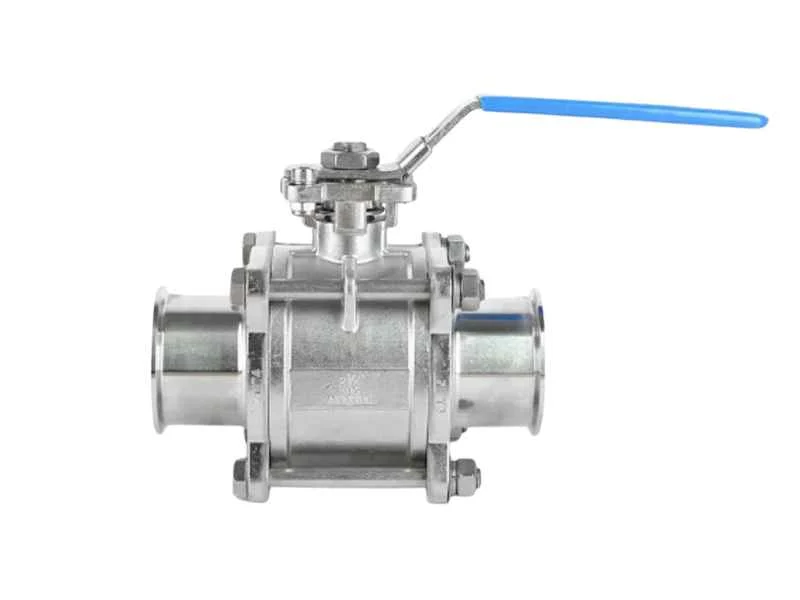
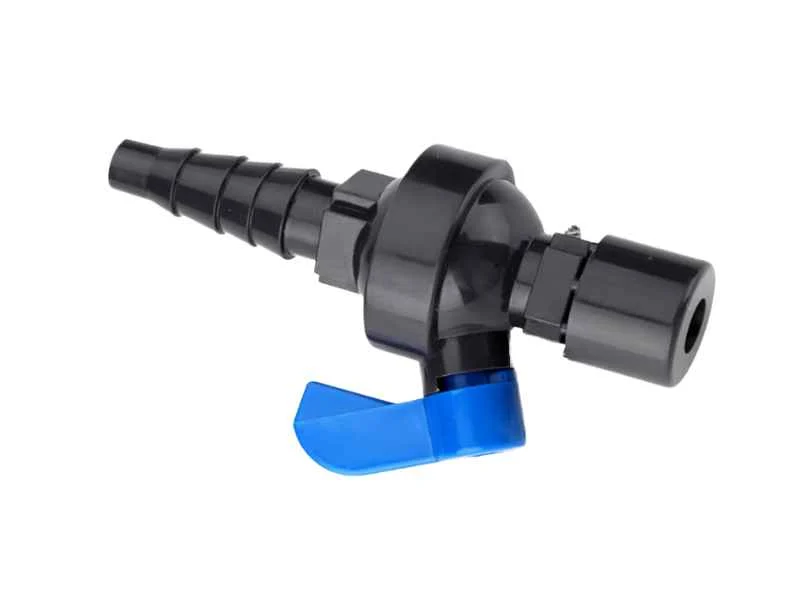
Industrial sampling valve

Sampling Valves

Purpose-built valves for obtaining controlled process samples from tanks, vessels, and pipelines.
  • Low dead-space configurations
  • Manual or automated sampling
  • Process-specific connections
View Sampling Valves →
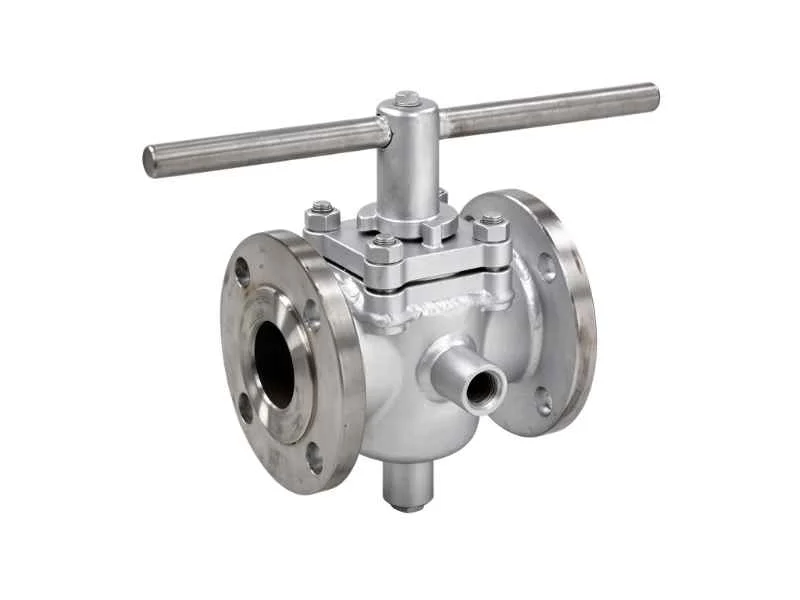
Industrial jacketed valve

Jacketed Valves

Heated or cooled valve configurations for media that may solidify, crystallize, or change viscosity.
  • Partial or full jacket options
  • Steam or thermal-fluid service
  • Temperature-sensitive media
View Jacketed Valves →
Product Comparison

Compare Specialty Valve Types

Use this table for initial comparison. Final selection should be based on complete process and operating data.
Type de vanne Primary Challenge Typical Media Common Industries
Vanne à guillotine Isolation with suspended solids Slurry, pulp, sludge, wastewater, and powder Mining, water treatment, pulp and paper
Valve à pincement Abrasion, clogging, or corrosion Slurry, granules, powders, and chemicals Mineral processing and pneumatic conveying
Slurry Valve Severe erosion and wear Mineral slurry and solids-containing fluids Mining, tailings, and mineral processing
Lined Valve Chemical corrosion Acids, alkalis, solvents, and corrosive chemicals Chemical and pharmaceutical processing
Ceramic Valve Severe abrasion Ash, powder, granules, and abrasive slurry Power, mining, cement, and conveying
Tank Bottom Valve Efficient vessel discharge Liquids, viscous media, and process mixtures Chemical, food, and process manufacturing
Sampling Valve Controlled process sampling Liquids, gases, and process mixtures Chemical, pharmaceutical, and refining
Jacketed Valve Temperature-sensitive flow Viscous, crystallizing, or solidifying media Chemical, bitumen, sulfur, and food processing
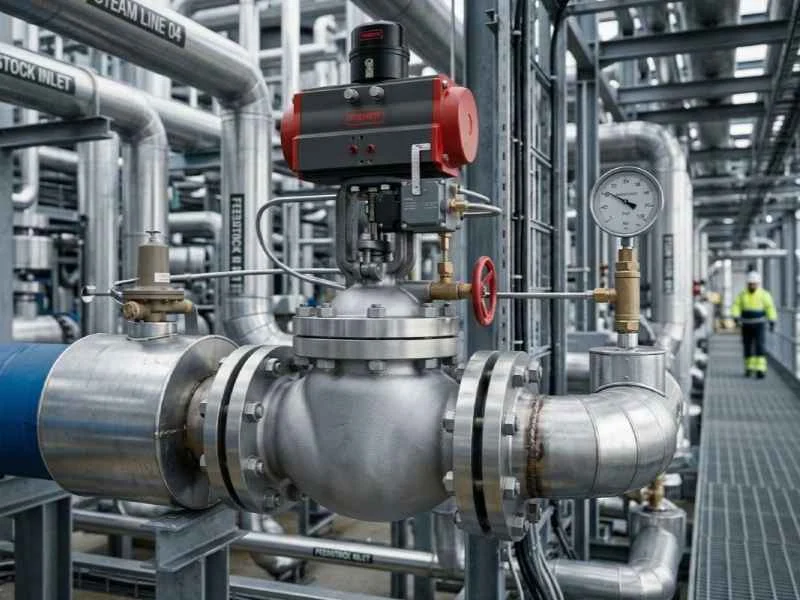
Valve in demanding industrial service
Application Challenges

When Standard Valves Are Not Enough

Specialty valves address process conditions that can cause rapid wear, corrosion, blockage, leakage, or unreliable operation in standard valve designs.
  • Abrasive slurry damages seats and internal components
  • Suspended solids collect inside body cavities
  • Corrosive chemicals attack metallic surfaces
  • Powders interfere with conventional sealing systems
  • Viscous media creates excessive operating resistance
  • Media solidifies or crystallizes as temperature falls
  • Tank discharge requires minimal dead space
  • Sampling requires controlled process-media handling
Selection Data

Information Required for Valve Selection

Complete process data helps determine the appropriate valve type, size, material, trim, lining, seal, actuator, and connection.

Process Conditions

  • Medium name and chemical composition
  • Solids concentration and particle size
  • Particle hardness and shape
  • Fluid density and viscosity
  • Normal and maximum flow rate
  • Operating and design pressure
  • Operating and design temperature

Valve Requirements

  • Required isolation or control function
  • Nominal size and pressure rating
  • Connection type and standard
  • Body, trim, lining, and sleeve materials
  • Manual or automated operation
  • Opening and closing time
  • Installation orientation and available space
Selection Factor Why It Matters
Medium Composition Determines chemical compatibility and suitable body, lining, sleeve, seat, and sealing materials.
Solids Content Affects flow-path design, body cavities, sealing arrangement, wear rate, and operating force.
Particle Size and Hardness Influences abrasion resistance, internal clearances, component thickness, and material selection.
Température Affects material strength, elastomer compatibility, thermal expansion, and jacket requirements.
Operating Frequency Influences actuator sizing, wear components, maintenance intervals, and expected service life.
Fail Position Determines actuator configuration and the required response during loss of power or control signal.
Sélection des matériaux

Materials for Corrosion and Abrasion Resistance

Materials should be selected around the actual medium, concentration, temperature, pressure, velocity, solids, and expected service life.
Material Solution Primary Benefit Selection Consideration
Acier inoxydable General corrosion resistance Compatibility should be confirmed for the actual chemical concentration and temperature.
Duplex Stainless Steel Higher strength and chloride resistance Suitable for selected seawater, chemical, and chloride-containing services.
Elastomer Sleeve or Lining Corrosion and abrasion protection Elastomer type must match the medium, temperature, pressure, and mechanical duty.
Fluoropolymer Lining Resistance to aggressive chemicals Temperature, pressure, permeability, and vacuum conditions should be reviewed.
Ceramic Components High abrasion and erosion resistance Impact, thermal shock, pressure, and installation conditions must be considered.
Special Alloy Application-specific corrosion resistance Selection should be supported by complete process data and project requirements.
Automatisation des vannes

Manual and Automated Operation

The operating method should match the valve size, differential pressure, required thrust or torque, operating speed, duty cycle, control system, and fail-position requirements.
  • Handwheel or lever for local operation
  • Gearbox for larger valve sizes
  • Pneumatic cylinder for knife gate and slurry valves
  • Pneumatic actuator for rapid on-off operation
  • Electric actuator for remote operation
  • Hydraulic actuator for high-force applications
  • Position switches and feedback devices
  • Solenoid valves and control accessories
Automated specialty valve
Applications industrielles

Specialty Valves Across Process Industries

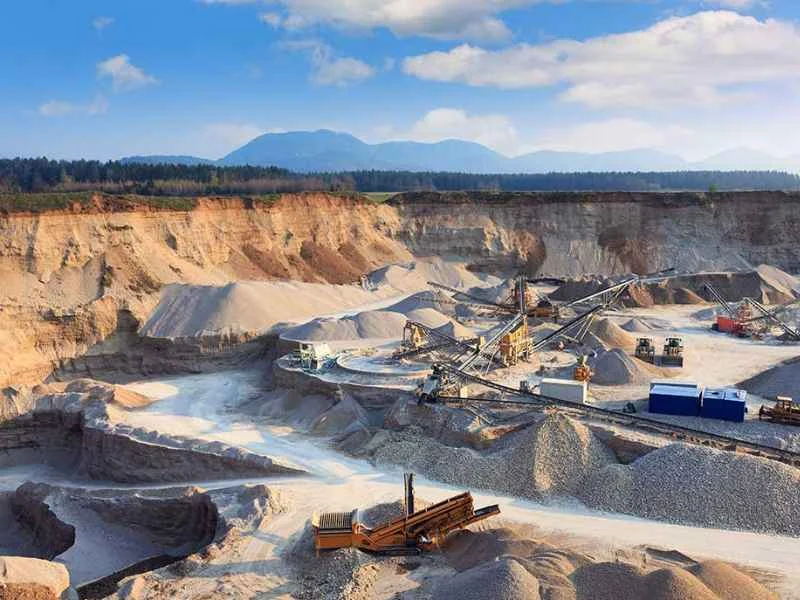
Specialty valve in mining slurry service

Mining and Minerals

Knife gate, pinch, slurry, and ceramic valves for tailings, mineral processing, and abrasive media.
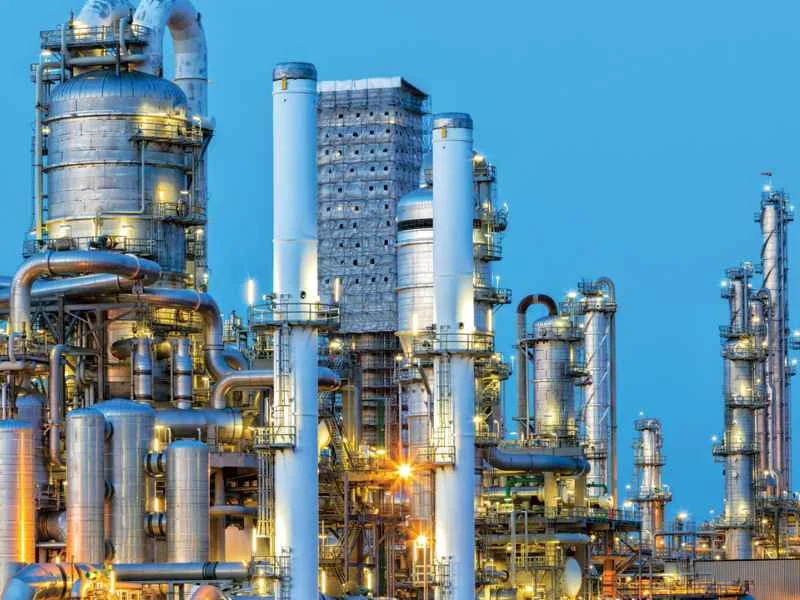
Lined valve in chemical processing

Traitement chimique

Lined, jacketed, sampling, and special-alloy valves for corrosive and temperature-sensitive media.
Knife gate valve in wastewater service

Water and Wastewater

Knife gate and pinch valves for sludge, wastewater, screening, treatment, and solids handling.
Ceramic valve in power generation

Production d'électricité

Ceramic and abrasion-resistant valves for ash, powder, desulfurization, and conveying systems.
Specialty valve in pulp and paper processing

Pulp and Paper

Knife gate and specialty valves for pulp stock, recycled fiber, wastewater, and chemical service.
Tank bottom valve on a process vessel

Tanks and Reactors

Tank bottom, sampling, lined, and jacketed valves for vessel discharge and process handling.
Engineering Workflow

From Process Challenge to Valve Solution

Step 01

Application Review

We review the medium, solids, particle size, viscosity, pressure, temperature, and operating function.
Step 02

Valve Selection

We evaluate valve type, flow path, material, lining, sleeve, trim, connection, and actuator.
Step 03

Technical Confirmation

Datasheets, drawings, materials, inspection scope, testing, documentation, and delivery are confirmed.
Step 04

Project Delivery

Manufacturing, inspection, packing, shipment, spare parts, and after-sales support are coordinated.
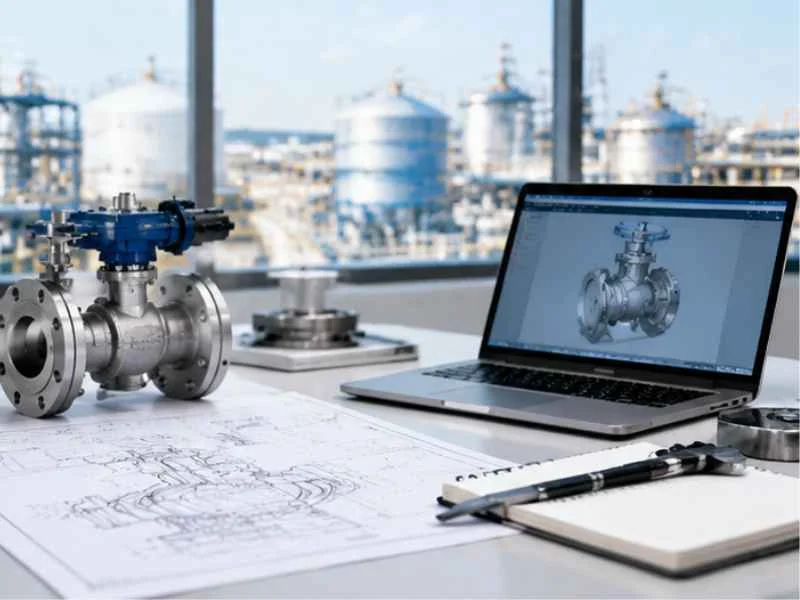
Custom specialty valve
Custom Engineering

Custom Valves for Specific Process Requirements

When a standard configuration cannot reliably handle the process medium or equipment interface, BCST Valve can evaluate a project-specific valve solution.
  • Special sizes and pressure ratings
  • Custom body, trim, sleeve, and lining materials
  • Alternative flange and connection standards
  • Special face-to-face dimensions
  • Extended stems and custom orientations
  • Heating or cooling jackets
  • Protective coatings and wear-resistant components
  • Custom actuator and accessory packages
  • Replacement compatibility review
Quality Support

Inspection, Testing, and Documentation

Inspection and documentation requirements can be coordinated according to the valve type, material, actuator, project specification, and agreed supply scope.
  • Product datasheets and drawings
  • Material certificates
  • Dimensional inspection records
  • Hydrostatic shell testing where applicable
  • Seat leakage testing where applicable
  • Operational and actuator function checks
  • Inspection and test plans
  • Quality assurance plans
  • Installation and maintenance manuals
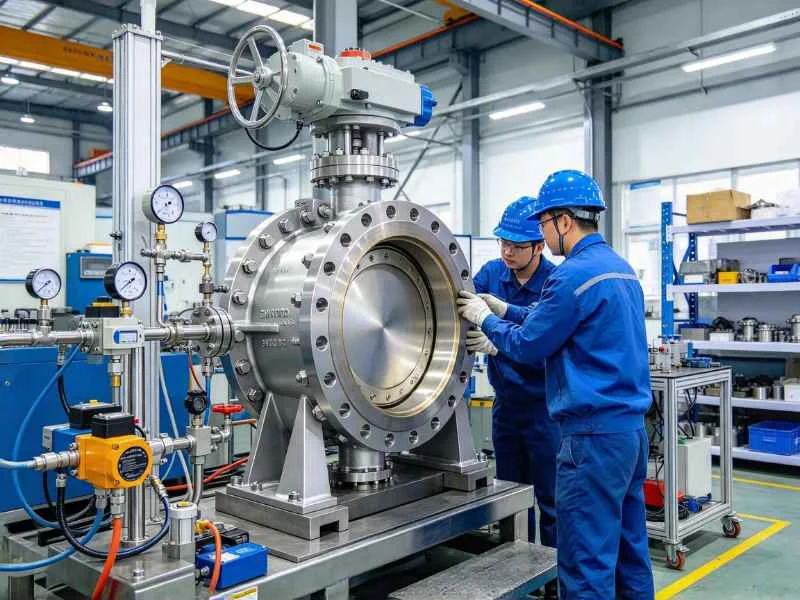
Specialty valve inspection and testing
Request a Selection

Send Us Your Process Conditions

Provide the medium composition, solids concentration, particle size, flow rate, pressure, temperature, valve size, connection, material, operating function, and actuation requirements.
Specialty valve engineering support
Questions fréquemment posées

Specialty Valve FAQ

What is a specialty valve?

A specialty valve is selected or engineered for a particular process challenge such as abrasive slurry, corrosive chemicals, high solids content, viscous media, vessel discharge, or controlled sampling.

When should I use a knife gate valve?

A knife gate valve is commonly used for isolation in slurry, wastewater, pulp, powder, and other media containing suspended solids.

What is the difference between a knife gate valve and a gate valve?

A knife gate valve typically has a thin sliding gate designed for solids-containing media. A conventional gate valve is generally intended for clean-fluid isolation in pressurized piping.

When should a pinch valve be selected?

A pinch valve can be suitable for abrasive, corrosive, granular, or clogging media because the process normally contacts the replaceable sleeve rather than the metal body.

What is the advantage of a ceramic valve?

Ceramic flow-path components can provide high resistance to abrasion and erosion. Impact, thermal shock, pressure, and temperature must also be considered.

How does a lined valve resist corrosion?

A lined valve uses a corrosion-resistant internal layer to separate the process medium from the metal body. The lining must be compatible with the medium and operating conditions.

What is a jacketed valve used for?

A jacketed valve circulates steam, hot water, thermal fluid, or cooling media around the body to maintain the required process temperature.

What is the purpose of a tank bottom valve?

A tank bottom valve supports controlled vessel discharge while reducing dead space around the outlet. It can be configured for draining, filling, or process transfer.

How do I select a valve for slurry service?

Selection should consider solids concentration, particle size, hardness, settling behavior, velocity, pressure, temperature, orientation, and operating frequency.

Can specialty valves be automated?

Yes. Depending on the valve type and required force, pneumatic, electric, or hydraulic actuators can be supplied with position feedback and control accessories.

What information is required for a quotation?

Please provide the medium, composition, solids content, particle size, flow, pressure, temperature, size, connection, material, actuator, quantity, and documentation requirements.

Can BCST Valve provide custom specialty valves?

Custom sizes, materials, linings, sleeves, trim, connections, dimensions, jackets, actuators, and accessories can be evaluated according to project requirements.