
How Can You Choose the Right Valve for Abrasive Slurry Applications?
You are tired of repeated valve failures in your slurry lines, knowing the immense downtime and costs. These failures aren’t random; they happen because standard ‘general service’ butterfly valves can fail in as little as three weeks in slurry, leading to immense downtime and replacement costs. This guide will show you how to break that cycle. How can you move past general service valves and make a confident slurry valve selection that ensures long-term reliability and performance even in the toughest abrasive applications?
You choose the right valve for abrasive slurry applications by prioritizing specialized designs like triple offset butterfly valves with metal-to-metal seats or ceramic-lined components. Focus on material hardness, flow path design, and collaborating with high performance butterfly valves manufacturers like BCST Valve. These solutions offer superior abrasion resistance and extended service life.

Engineering Solutions for Demanding Slurry Service
When selecting a valve, the question “How can you choose the right valve for abrasive slurry applications?” demands a shift in mindset. Emily always tells clients, “For slurry, you are looking for a fortress, not just a gate.” Hassan, our Chief Engineer, guides engineering teams to specifically focus on abrasion and erosion resistance in every aspect of the slurry valve selection process.
Here are the key considerations and valve types for abrasive slurry applications:
- High Performance Butterfly Valves (HPBVs) with Metal Seats:
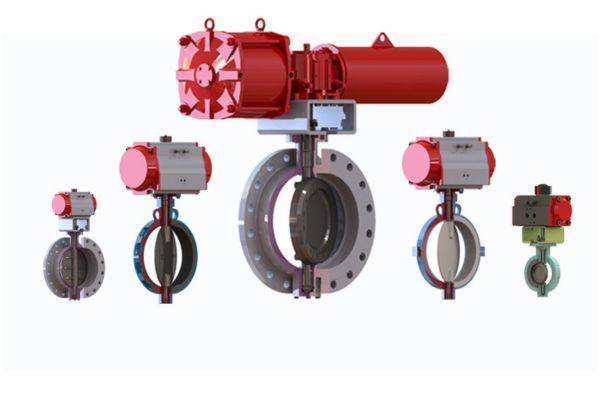
- Triple Offset Butterfly Valves (TOVs): These are highly recommended for slurry. Their triple offset design creates a frictionless sealing action. The disc cams into the seat without rubbing, minimizing wear during opening and closing, which is critical for abrasive fluids. This design also helps prevent solids buildup between the disc and the seat.
- Metal-to-Metal Seats: Instead of elastomers, HPBVs for slurry use metal seats and metal discs. These are often hard-faced with extremely abrasive-resistant materials like Stellite, tungsten carbide, or specialized nickel alloys. This gives them the hardness needed to withstand the constant grinding of slurry particles. Stainless steel high performance butterfly valves with hard-faced seats combine corrosion resistance with abrasion resistance, making them a top-tier slurry valve selection.
- Body and Trim Materials:
- Hardness: The primary characteristic for slurry service valve components is hardness. The valve body (especially in the flow path), disc, and seat should be made from or coated with materials that are significantly harder than the abrasive particles in your slurry.
- Ceramic Linings: For extremely abrasive or high-velocity slurries, ceramic-lined valves (e.g., ceramic-lined ball valves or knife gate valves) offer superior wear resistance. Ceramics like alumina or zirconia are incredibly hard and provide an excellent barrier against erosion. While more expensive initially, their extended service life often justifies the investment.
- Flow Path Design: Proper slurry valve selection involves looking for valves that feature a smooth, unobstructed flow path to minimize turbulence and areas of high velocity. Turbulence accelerates erosion. Designs that reduce pockets where solids can accumulate are also beneficial. The results indicate higher erosion damage on the top valve surface due to the direct effects of particle velocity and impingement angles compared to the underside of the valve, where particle trajectories are highly affected by turbulence. Moreover, smaller closing angles proved to be detrimental to valve service life, due to accelerated wear at both the leading and trailing edges, which are identified as the most vulnerable locations.
- Working with Reputable Manufacturers: Partner with high performance butterfly valves manufacturers who specialize in severe service applications. Companies like BCST Valve have the engineering expertise to recommend and customize solutions for your specific slurry characteristics (particle size, hardness, concentration, velocity, corrosivity). They can provide lifecycle cost analysis to ensure your slurry valve selection is economically sound and ensure you get durable, replacement high performance butterfly valves when needed.
By focusing on these specialized valve designs and material selections, you can significantly improve the reliability and service life of your valves in abrasive slurry applications. This approach transforms your operations from constant crisis management to predictable, cost-effective performance.
| Key Selection Factor | Recommendation for Slurry Service | Benefit to Your Plant |
|---|---|---|
| Type de vanne | Triple Offset Butterfly Valves (TOVs) | Frictionless sealing, long service life. |
| Matériau du siège | Metal-to-Metal (hard-faced with Stellite/carbide), ceramic | Superior abrasion resistance, tight shutoff. |
| Body/Disc Materials | Hard-faced alloys, stainless steel (for corrosion), ceramic-lined | Withstands erosion, chemical attack. |
| Trajet d'écoulement | Smooth, unobstructed, minimal pockets | Reduces turbulence, solids accumulation. |
| Manufacturer Expertise | Partner with severe service specialists (BCST Valve) | Customized solutions, reliable performance. |
| Actionnement | Robust actuators for high breakaway torque (from slurry buildup) | Reliable operation, prevents seizing. |
Conclusion
The rapid failure of “general service” butterfly valves in challenging slurry lines is not a coincidence; it’s a direct outcome of misapplication. The high costs associated with downtime, frequent replacements, and safety risks far outweigh any initial savings you might gain from a cheaper, unsuitable valve. By recognizing the critical differences in valve design and material capabilities, you can break this cycle of constant failures.
Making an informed slurry valve selection means investing in specialized solutions tailor-made for abrasive environments. Prioritizing triple offset butterfly valves with hard-faced metal seats, or considering durable ceramic linings, is a strategic decision. It ensures superior abrasion resistance, reliable shutoff, and significantly extended service life – ultimately boosting your plant’s operational efficiency, profitability, and safety. Don’t let a cheap valve cost you dearly – choose the right solution for your abrasive applications.
Ready to make a confident slurry valve selection?


 English
 Arabic
 Russian
 French
 Spanish