

Avantages de la Brass Valves
Nowadays, valve manufacturing materials come in various types, including brass valves, stainless steel valves, bronze valves, iron valves, and more. Each has its strengths and is suited for different positions and environments. So, what are the advantages of bcst brass valves?
1. Simple Manufacturing Process
Brass, as a commonly used casting material for valves, has relatively low hardness. This makes the manufacturing process of brass valves simpler compared to other types, such as stainless steel or bronze valves.
2. Excellent Mechanical Properties
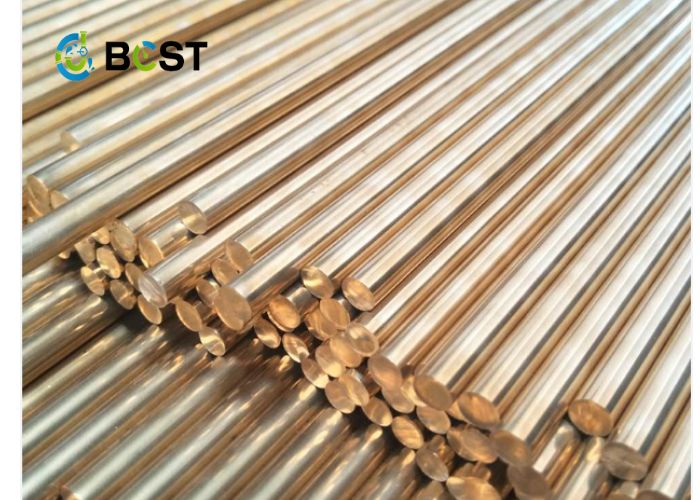
Brass, also known as a copper-zinc alloy, boasts excellent mechanical properties. Additionally, it is more affordable than materials like stainless steel. Brass valves are widely favored due to their good sealing performance.
3. Broad Range of Applications
Brass valves are among the most widely used types of valves. They are suitable for both low-pressure and high-pressure applications. Brass valves have a longer structural length and higher fluid resistance. During long-term operation, they offer reliable sealing. Generally designed with bellows seals, brass valves eliminate the common issues of aging and leakage in valve stem packing seals found in ordinary valves. This design not only improves energy efficiency but also enhances equipment safety, reduces maintenance costs, and minimizes the need for frequent repairs. Additionally, it provides a cleaner and safer working environment.
4. Excellent Wear Resistance
When opening and closing, the friction between the sealing surfaces of the valve disc and valve body is smaller compared to valves made of other materials. As a result, brass valves have better wear resistance, lower depreciation rates, and longer service life.
In conclusion, these are the benefits of brass valves. Each valve material has its unique advantages, and understanding the strengths and weaknesses of each type helps in selecting the most suitable valve.
Conclusion
Brass valves are ideal for applications requiring corrosion resistance, wear resistance, and complex machining. With its excellent mechanical properties, heat resistance, and corrosion resistance, brass is widely used in water, gas, chemical fluid, and high-temperature applications.


 English
 Arabic
 Russian
 French
 Spanish