
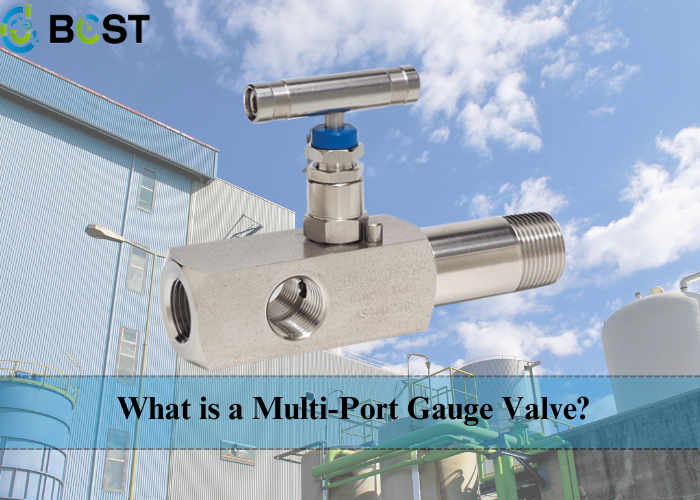
A multi-port gauge valve is a specialized type of valve used in industrial and commercial systems where multiple connections need to be made to a single pipeline or system. It is designed to allow multiple pressure measurements to be taken from different points in a piping or vessel system using a single valve. This type of valve simplifies the overall piping layout and improves the efficiency of the system, making it a popular choice in various applications, including chemical, petrochemical, and oil and gas industries.
In this article, we will explore the concept of multi-port gauge valves in detail, including their design, construction, benefits, types, applications, and the factors to consider when selecting one for specific tasks. By the end, you should have a comprehensive understanding of what multi-port gauge valves are and how they are used in different industrial settings.
1. Introduction to Multi-Port Gauge Valves
A multi-port gauge valve is a valve that provides multiple connection ports for pressure gauges, transmitters, or other instrumentation devices. These valves are commonly found in pressure monitoring systems where different points in the system need to be monitored simultaneously. The key advantage of a multi-port gauge valve is its ability to consolidate several functions (e.g., isolation, venting, and draining) into one single valve body, which reduces the complexity and space required for multiple valve installations.
The most common use for multi-port gauge valves is in situations where pressure gauges need to be installed at various points along a pipeline, process vessel, or tank. Rather than using multiple individual valves for each gauge, a multi-port valve can offer multiple ports, thus minimizing the need for numerous components and reducing potential leak points in the system.
2. Construction and Design of Multi-Port Gauge Valves
Multi-port gauge valves are generally constructed from high-quality materials like stainless steel, carbon steel, or alloy metals, depending on the specific application requirements. The design typically consists of a valve body with multiple threaded ports, often ranging from two to six ports or more, arranged in a manner that allows for easy installation of pressure gauges, transmitters, and other devices.
The core design elements of a multi-port gauge valve include:
2.1 Valve Body: The main component of the valve, housing all the ports and internal mechanisms. It is designed to withstand high pressures and harsh environments.
2.2 Ports: The multiple threaded openings where the pressure measuring devices (such as gauges or transmitters) are connected. These ports can be of different sizes to accommodate different types of gauges or instrumentation.
2.3 Internal Mechanism: This includes valves and seals that allow for the isolation or opening of each port to enable pressure measurement, maintenance, or calibration. Multi-port gauge valves may have built-in shut-off valves, bleed valves, or venting options for each port.
2.4 Actuation: Some multi-port valves are manual, requiring operators to turn a handle to change the position of the valve. Others may be automated for more remote operation, particularly in systems where frequent monitoring is required.
3. Types of Multi-Port Gauge Valves
There are several different types of multi-port gauge valves designed for specific applications. The main types include:
3.1. Single-Block Multi-Port Gauge Valve
This type of multi-port gauge valve is a compact, single-body valve that allows multiple pressure gauges to be connected to the same pipeline or vessel. The valve may have two or more ports, each of which can be individually shut off or isolated for maintenance without disturbing the other gauges. This type of valve is often used in systems where space constraints are an issue, as it simplifies the piping layout and reduces the number of valve installations.
3.2. Double-Block and Bleed (DBB) Multi-Port Valve
A double-block and bleed valve is designed with two separate sealing mechanisms for each port. This ensures that any leaks or pressure build-ups are prevented in critical applications, such as in the oil and gas industry. In a DBB multi-port gauge valve, each port has a shut-off valve, and a bleed valve allows for the release of trapped pressure between the two blocks. This type of valve is often used in hazardous environments where safety is paramount.
3.3. Manifold Multi-Port Valve
Manifold multi-port valves are more complex and are used in high-end applications where precise control over multiple instruments is necessary. These valves typically allow for the monitoring of not only pressure but also temperature and flow by incorporating additional ports and connections for temperature and flow sensors. They are used in systems where multiple instruments are required to operate in tandem, such as in process control systems.
3.4. Gauge Snubber Multi-Port Valve
A snubber is a device used to dampen pressure spikes that can damage sensitive instruments like pressure gauges. Multi-port gauge valves equipped with snubbers are used in applications where pressure fluctuations are common, such as in high-speed processes or in systems prone to hydraulic shock. Snubber valves help protect instruments from overpressure by reducing the impact of sudden pressure surges.
4. Applications of Multi-Port Gauge Valves
Multi-port gauge valves are used in a wide range of industries and applications. Some of the most common industries and applications include:
4.1. Chemical Processing and Manufacturing
In chemical plants, monitoring the pressure within reactors, vessels, pipelines, and tanks is crucial to ensuring safety and process efficiency. Multi-port gauge valves allow operators to install multiple gauges at different points in a system, enabling them to monitor the pressure in real-time and make adjustments as necessary. Additionally, these valves can help isolate portions of the system for maintenance or inspection without affecting the entire process.
4.2. Oil and Gas Industry
In the oil and gas industry, multi-port gauge valves are essential for monitoring pressure at various points in upstream and downstream operations. These valves are used on drilling rigs, pipelines, and refining units where precise pressure measurements are necessary for safety and operational efficiency. The ability to isolate individual instruments for maintenance and calibration is especially important in environments with high-risk hazards, such as offshore platforms.
4.3. Power Generation
In power plants, pressure and temperature monitoring is critical to the safe and efficient operation of boilers, turbines, and other key equipment. Multi-port gauge valves are used to install pressure gauges, temperature transmitters, and other instruments at various points in the system. The multi-port design allows for easier integration of several monitoring devices, saving space and minimizing the number of valves needed.
4.4. HVAC and Piping Systems
In HVAC systems and large piping networks, multi-port gauge valves are commonly used for pressure measurement and system diagnostics. These valves are particularly useful in systems with complex piping layouts or where pressure monitoring is required at multiple points. They are often used to monitor water pressure, steam pressure, and air pressure across a range of building systems.
5. Benefits of Using Multi-Port Gauge Vannes
The use of multi-port gauge valves in industrial systems offers several significant benefits:
5.1. Reduced Space and Complexity: Multi-port valves consolidate multiple connections into a single component, reducing the overall space required for valves and instrumentation.
5.2. Simplified Maintenance: Since multiple pressure gauges or instruments can be serviced via a single valve, maintenance and calibration become much more efficient. Isolating individual components for repair or adjustment is easier, without the need for multiple valves to be operated.
5.3. Cost Savings: By reducing the number of individual valves and piping connections, multi-port gauge valves can lower both material and installation costs.
5.4. Increased Safety: Multi-port gauge valves with built-in isolation and venting capabilities help maintain system integrity during maintenance or pressure fluctuations, reducing the risk of leaks and accidents.
5.5. Flexibility: Multi-port valves can be customized to include various ports for different instruments, enabling real-time monitoring of multiple variables (e.g., pressure, temperature, flow rate) simultaneously.
6. Factors to Consider When Selecting a Multi-Port Gauge Soupape
When selecting a multi-port gauge valve for a specific application, several factors should be considered:
6.1. Pressure Rating: Ensure that the valve is rated to handle the maximum operating pressure of the system.
6.2. Material Compatibility: Choose a valve material that is compatible with the process fluids and environment, such as stainless steel for corrosive environments.
6.3. Port Configuration: Determine how many ports are needed and the sizes of the ports to accommodate the instruments to be connected.
6.4.Temperature Range: Consider the temperature range of the system and choose a valve that can handle extreme temperatures, if necessary.
6.5. Seal Type: Consider the type of seals used in the valve, especially in applications where leakage could lead to dangerous conditions or contamination.
6.6. Certifications: Check if the valve meets industry standards and certifications, particularly in hazardous or high-risk industries like oil and gas or chemicals.
7. Conclusion
Multi-port gauge soupapes are invaluable tools in industries where multiple pressure measurements need to be taken at various points within a system. By consolidating these measurements into a single valve, they help reduce the complexity, space requirements, and cost associated with using multiple valves. Additionally, multi-port valves improve the ease of maintenance and increase system safety, making them a go-to solution for industries like oil and gas, chemical processing, power generation, and HVAC systems. By carefully considering the design, type, and materials of the valve, companies can select the ideal multi-port gauge valve to meet their operational needs and ensure safe and efficient monitoring of pressure within their systems.


 English
 Arabic
 Russian
 French
 Spanish