
In industrial settings, fixed gas detectors are critical for safety, helping to identify hazardous gases before they cause harm. However, environmental factors such as température et humidity can significantly influence their performance. Understanding how these conditions affect detectors is crucial for maintaining their accuracy and reliability.
What Are Fixed Gas Detectors?
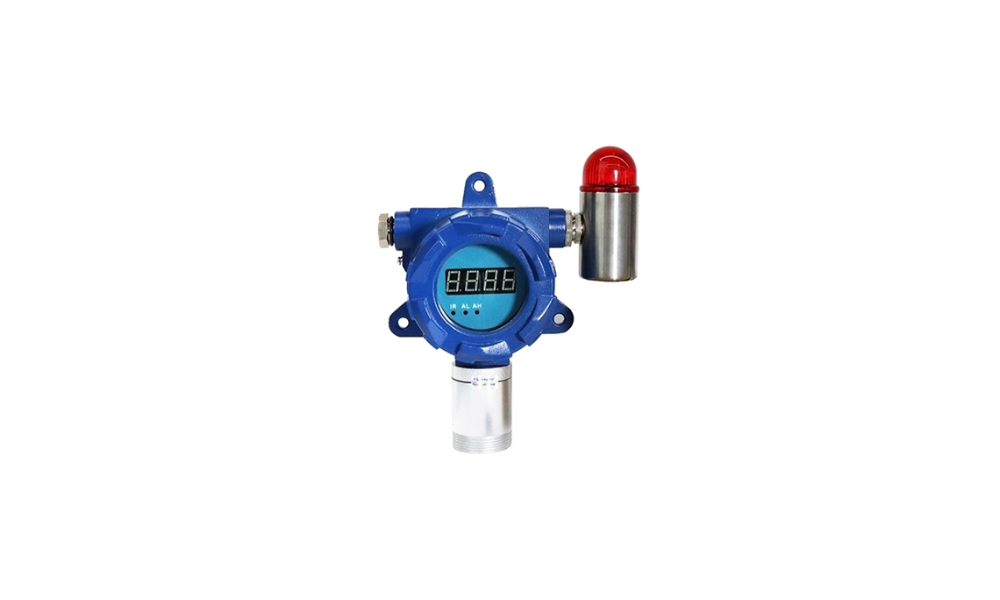
Fixed gas detectors are devices installed in one location to monitor the air for toxic or combustible gases. These detectors are widely used in industries like oil and gas, manufacturing, and chemical processing. Unlike portable gas detectors, which are mobile, fixed gas detectors are designed for continuous monitoring of a specific area, ensuring that dangerous gases are detected quickly.
Why Environmental Conditions Matter for Gas Detection
Temperature and humidity are two environmental factors that can compromise the performance of fixed gas detectors. High or low temperatures can cause sensor malfunctions, while excessive humidity can create condensation that interferes with readings. Therefore, understanding the role of environmental conditions is essential for maintaining the efficacy of your gas detection systems.
How Temperature Affects Fixed Gas Detectors
Temperature plays a crucial role in the functionality of gas sensors. When the temperature rises or falls dramatically, it can affect the accuracy of the sensor’s readings.
Températures élevées
High temperatures can cause the gas sensors to overheat, resulting in inaccurate or delayed readings. This overheating can affect the detector’s chemical sensors, which rely on stable conditions for proper gas detection.
Low Temperatures
In extremely cold environments, gas detectors may become less responsive, resulting in delayed gas detection. Low temperatures can slow down chemical reactions within the sensor, reducing the effectiveness of gas detection.
Humidity’s Impact on Fixed Gas Detectors
Humidity, especially in industrial environments, can pose a serious threat to fixed gas detectors.
High Humidity
In environments with high humidity, moisture can interfere with the sensor’s operation. Condensation may build up inside the sensor, leading to short circuits or incorrect readings, potentially putting workers at risk.
Low Humidity
In contrast, low humidity levels can cause the sensors to dry out, which may lead to false alarms or missed gas leaks. This is particularly dangerous in environments where continuous monitoring is required.
Gas Detection Calibration Under Varying Conditions
Calibration is essential for maintaining the accuracy of fixed gas detectors, particularly in areas with fluctuating environmental conditions. Calibration ensures that sensors adjust for temperature and humidity changes, providing accurate gas readings.
High-Temperature Calibration
Regular calibration is crucial in high-temperature environments to ensure the sensors remain sensitive to gas leaks despite the challenging conditions.
Low-Temperature Calibration
In low-temperature environments, recalibrating gas detectors ensures they respond quickly to hazardous gases, despite slower sensor response times.
Technological Advancements for Temperature and Humidity Compensation
Modern fixed gas detectors come equipped with advanced technologies to compensate for environmental factors. These features allow the detectors to maintain accuracy, even under extreme conditions.
Temperature Compensation
Many modern detectors include built-in temperature compensation technology, which adjusts the sensor’s readings based on the ambient temperature, reducing inaccuracies.
Humidity Control
Similarly, some detectors are designed to account for humidity levels, using advanced sensors that reduce the likelihood of condensation buildup and sensor drift, ensuring more reliable performance.
Best Practices for Maintaining Gas Detectors in Harsh Environments
Proper maintenance of fixed gas detectors is essential for ensuring they perform optimally in varying environmental conditions. Regular inspections and calibrations are necessary to ensure that your detectors are functioning correctly.
Environmental Adaptation
Using specially designed housings or protective casings can shield detectors from direct exposure to extreme temperatures and humidity, enhancing their longevity and performance.
Routine Maintenance
Frequent maintenance, including cleaning and recalibrating, ensures that gas detectors remain accurate, even in challenging environments. This practice is critical for preventing sensor malfunctions.
Choosing the Right Fixed Gas Detector for Your Facility
Selecting the right type of fixed gas detector is essential for maintaining safety in your facility. Different models are available to cater to various environmental conditions.
Temperature-Tolerant Models
For industries dealing with high or low temperatures, investing in a gas detector specifically designed to withstand those conditions is vital. These detectors come with additional features that help maintain accuracy.
Humidity-Resistant Models
In humid environments, choose detectors designed with humidity-resistant materials or sensors to minimize condensation buildup, ensuring reliable performance.
Common Failures Due to Environmental Factors
Even with the best detectors, environmental factors like température et humidity can cause system failures if not managed properly.
Sensor Drift
High temperatures or humidity can cause sensor drift, where the sensor slowly becomes less accurate over time. This drift can lead to false alarms or missed gas leaks, compromising safety.
Corrosion
Excessive humidity can cause corrosion inside the gas detector’s components, leading to malfunction or complete failure of the device.
Case Studies: How Temperature and Humidity Affect Performance
Various industries have faced significant challenges due to temperature and humidity affecting their fixed gas detectors. For example, in chemical plants, fluctuating temperatures led to frequent recalibration to maintain gas detection accuracy. In another case, a facility in a tropical climate faced failures due to high humidity, prompting them to switch to humidity-resistant gas detectors.
Integrating Gas Detection with Environmental Monitoring
Some facilities integrate gas detection with broader environmental monitoring systems. By continuously monitoring both gas levels and environmental conditions like temperature and humidity, facilities can better predict when their detectors may need recalibration or maintenance.
Future Trends in Fixed Gas Detection Technology
Advances in gas detection technology are making fixed gas detectors more resilient to environmental factors. Emerging technologies, like AI-powered gas detectors, are expected to enhance the accuracy of gas detection by better adjusting to changing conditions in real-time.
Conclusion: Managing Environmental Factors for Optimal Performance
Fixed gas detectors are essential for maintaining safety, but they must be protected from environmental factors like température et humidity. Through proper selection, regular maintenance, and the use of advanced technologies, you can ensure your gas detectors operate accurately in all conditions. Keeping these factors in check will help minimize risks and ensure the safety of your workplace.


 English
 Arabic
 Russian
 French
 Spanish