
Excessive valve noise isn’t just a nuisance; it’s a warning sign of destructive vibration and wasted energy. It can lead to equipment failure, safety violations, and costly downtime.
To reduce control valve noise, you can use three main strategies: treating the source with low-noise valve trims, treating the path with acoustic insulation, or, as a last resort, using hearing protection for personnel. The most effective method is always treating the noise at its source.
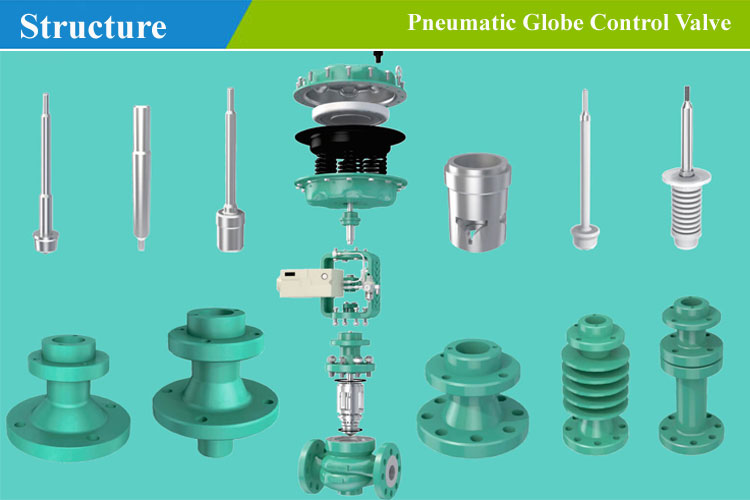
I once worked with Hassan on a new gas-fired power plant project where they were facing a huge challenge. The steam conditioning valves were generating noise levels well over 110 dBA during startup. Not only was this a serious safety hazard for the plant personnel, but the intense vibrations were causing connecting pipe supports to fatigue. The original valves were standard globe valves, completely unsuitable for the severe pressure drop. We worked together to identify the root cause—supersonic gas velocity. The solution involved replacing the standard valves with multi-stage, low-noise valves specifically designed to handle the high-pressure drop. The new valves brought the noise down to a safe and stable 80 dBA. It was a clear reminder that for severe service applications, preventing the noise from being created is always the best strategy.
What Are the Real Causes of Control Valve Noise?
Is that roaring sound from your valve just “normal,” or is it a symptom of a deeper problem? Ignoring the source of the noise means you’re only treating the symptom, not the disease.
Control valve noise is primarily caused by the turbulent and high-velocity flow of fluid. In gases, this is called aerodynamic noise, often from choked flow. In liquids, it’s hydrodynamic noise, usually caused by cavitation or flashing.

Understanding the cause is the first step to finding a solution. The noise your valve makes is a direct result of how the fluid behaves as it passes through the valve’s trim. There are two main culprits, depending on whether you’re handling a liquid or a gas. For gases like steam or natural gas, the primary cause is aerodynamic noise. This happens when you have a very high pressure drop across the valve, causing the gas velocity to approach or exceed the speed of sound, a condition known as choked flow. This creates massive turbulence and shockwaves, which we hear as loud noise. For liquids like boiler feedwater, the problem is hydrodynamic noise. This is most often due to cavitation. Cavitation occurs when the liquid pressure drops below its vapor pressure inside the valve, causing vapor bubbles to form. As the pressure recovers downstream, these bubbles collapse violently, creating micro-jets and shockwaves that are extremely noisy and can physically destroy the valve and piping.
| Noise Type | Type de fluide | Primary Cause | Caractéristiques |
|---|---|---|---|
| Aerodynamic Noise | Gas / Steam | High-velocity turbulent flow (Choked Flow) | Broad-frequency “roaring” or “hissing” sound. Can cause severe vibration. |
| Hydrodynamic Noise | Liquid | Cavitation (bubble collapse) or Flashing | Sharp, “gravel passing through” sound. Highly destructive to valve internals. |
How Can You Select a Valve to Prevent Noise at the Source?
You know noise is a problem, but how do you choose hardware that solves it from the start? Simply picking a standard valve for a severe service application is a recipe for failure.
To prevent noise, select a valve with a specialized low-noise trim. These trims use multi-stage pressure reduction or tortuous paths to gradually lower the fluid’s pressure and velocity, preventing the conditions that create noise in the first place.

The most effective way to fight noise is to never let it be created. This is called “source treatment,” and it involves selecting a valve designed for the job. Standard globe or ball valves have a single point of pressure drop, which is fine for low-stress applications. But in high-pressure drop scenarios common in power plants, this single drop is what causes the destructive velocity and turbulence. Low-noise valves, on the other hand, are engineered differently. They use cages with multiple small, specially shaped holes or a series of stacked discs with intricate pathways. This design forces the fluid—whether it’s steam, gas, or water—through a difficult, winding path. Instead of one huge pressure drop, the valve creates a series of many small pressure drops. By the time the fluid exits the valve trim, its pressure and energy have been safely reduced in a controlled manner. This prevents gas velocity from going supersonic and keeps liquid pressure from falling low enough to cause cavitation. It’s the most reliable way to achieve quiet and stable process control.
What If You Can’t Replace the Noisy Valve?
You have a noisy valve, but a full replacement is not in the budget or schedule. Are you stuck with the problem, or are there practical ways to manage the noise now?
If replacing the valve isn’t possible, you can use “path treatment” methods. These include installing a downstream diffuser to reduce velocity, using thicker pipe walls (Schedule 80 or higher), or applying acoustic insulation blankets around the valve and piping.

While treating noise at the source with a proper low-noise valve is always the best solution, it isn’t always immediately feasible. In these cases, you can focus on managing the noise path. This approach doesn’t fix the underlying turbulence or cavitation, but it can significantly reduce the audible noise level in the surrounding area. One effective method is to install a downstream silencer or diffuser plate. This device is installed after the valve and helps to reduce the turbulence and pressure of the fluid before it enters the main pipeline. Another common strategy is to increase the pipe’s ability to contain the sound. Switching to a heavier pipe schedule, like from Schedule 40 to Schedule 80, can make a noticeable difference. The most direct path treatment is applying acoustic insulation. These are specialized heavy blankets made of sound-absorbing materials that are wrapped directly around the valve body and adjacent piping. While these are good secondary solutions, remember they are like putting a bandage on the problem; the destructive energy is still present inside the pipe.
Conclusion
Reducing power plant valve noise requires a proactive engineering approach. By understanding the causes and selecting valves designed for the service, you can eliminate noise at the source, ensuring safety and system longevity.


 English
 Arabic
 Russian
 French
 Spanish