
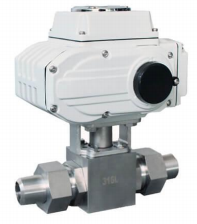
Engineered for Eternity - BCST Stainless Ball Valves Deliver 22+ Years of Corrosion-Free Performance
- Superior Corrosion Resistance
- Extreme Temperature Range
- Bubble-Tight Shutoff
- Full Port Design
- Pressure Ratings to 2500LB
Types of Stainless Ball Valves
BCST manufactures Stainless ball valve types specifically engineered for the unique challenges of industrial applications. Unlike generic valve suppliers, we design each floating ball valve type with industry-specific requirements in mind, incorporating features like zero-leakage designs that maintain API 598 Class VI shutoff, specialized materials for extreme temperature service, and advanced sealing technology that prevents fugitive emissions.
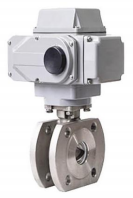
Stainless Steel Flanged V-notch Electric Wafer Ball Valve
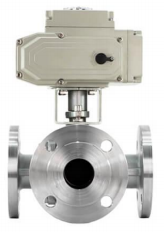
Stainless Steel Electric Actuated 3 Way Flanged Ball
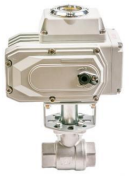
Stainless Steel Electric Actuated 2 Piece Ball Valve
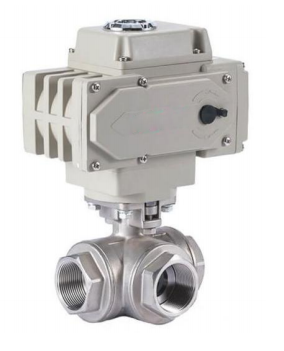
Stainless Steel 3 Way Electric Ball Valve Female
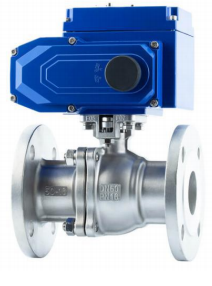
Electric Operated Ball Valve Stainless Steel
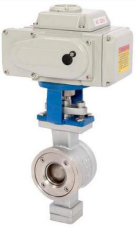
Electric Actuated V Port Segmented Ball Valve
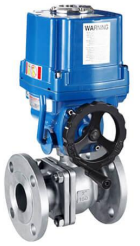
Electric Actuated Ball Valve with Explosion Proof
Processus de fabrication des vannes
Découvrez le savoir-faire méticuleux qui se cache derrière nos vannes industrielles haut de gamme.
1 Sélection et préparation des matériaux
Nous commençons par sélectionner les matériaux les plus nobles auprès de fournisseurs de confiance. Chaque matériau est soumis à des tests rigoureux de composition, de résistance et de durabilité avant d'être préparé pour l'usinage.
2 Usinage de précision
À l'aide de machines CNC de pointe et d'un outillage avancé, nous usinons les composants avec une précision de l'ordre du micron. Cela garantit un ajustement parfait, des surfaces lisses et les tolérances dimensionnelles exactes requises pour une performance optimale des soupapes.
3 Assemblage et intégration
Les composants sont assemblés à l'aide de techniques spécialisées par des techniciens expérimentés. Les joints critiques, les ressorts et les pièces mobiles sont installés avec précision pour garantir un fonctionnement étanche et des performances fiables sous pression.
4 Essais et contrôle de la qualité
Chaque vanne est soumise à des essais complets, notamment des essais de pression, des contrôles d'étanchéité et des vérifications fonctionnelles. Seules les vannes répondant à nos normes de qualité rigoureuses sont emballées et expédiées.
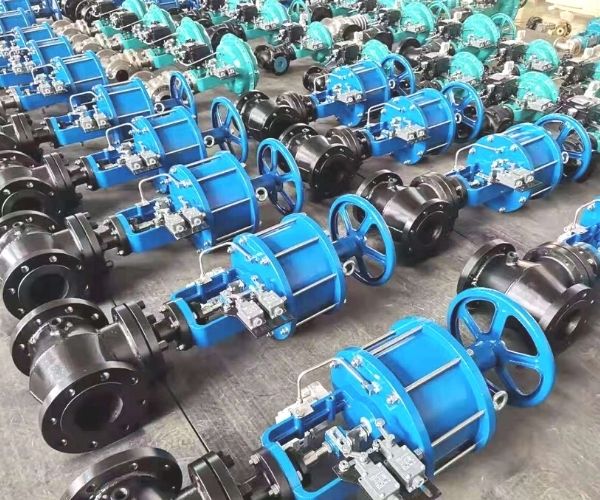
Applications industrielles
Our Stainless Ball valves excel across demanding industrial sectors, providing reliable performance in the most challenging environments.
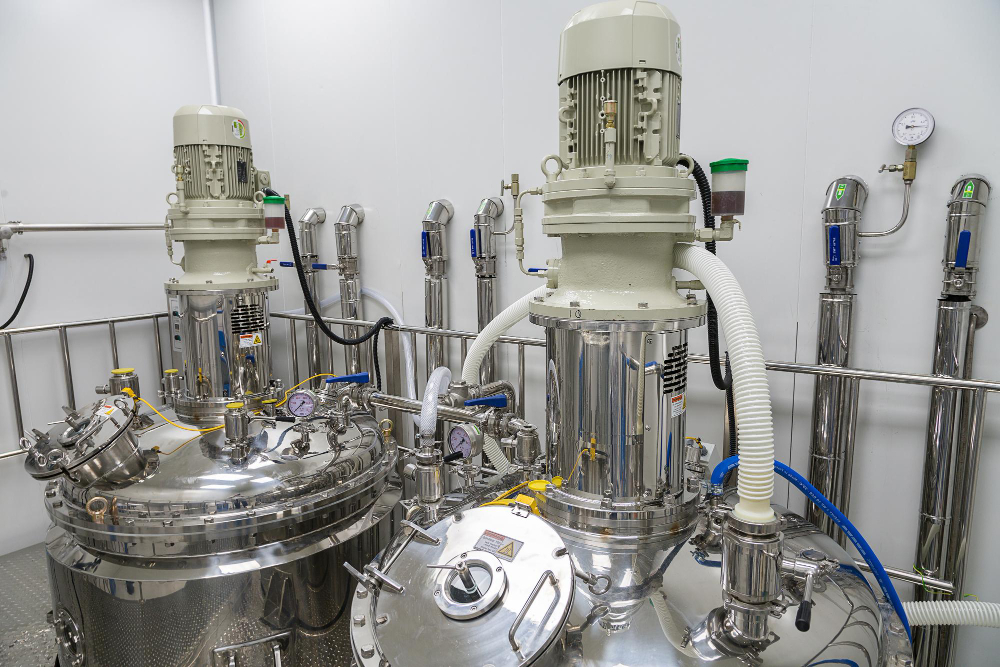
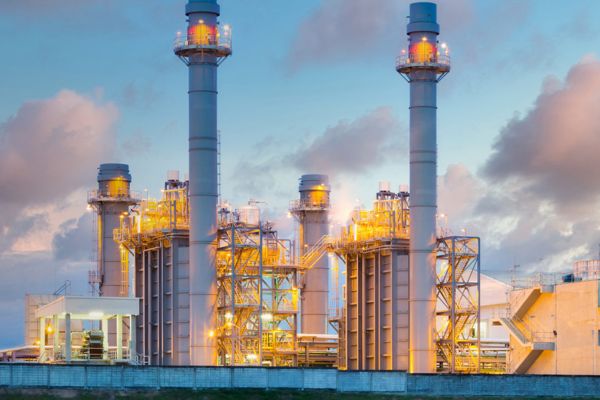
Traitement chimique
Contrôle des réactions, transfert chimique, isolation des processus
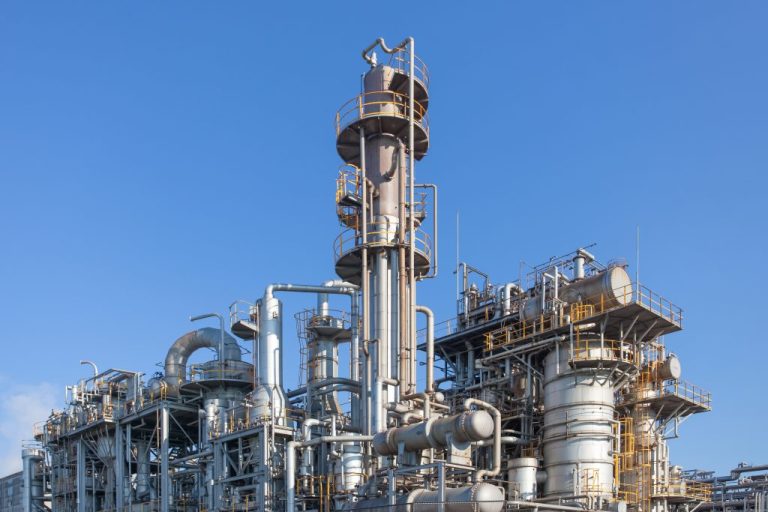
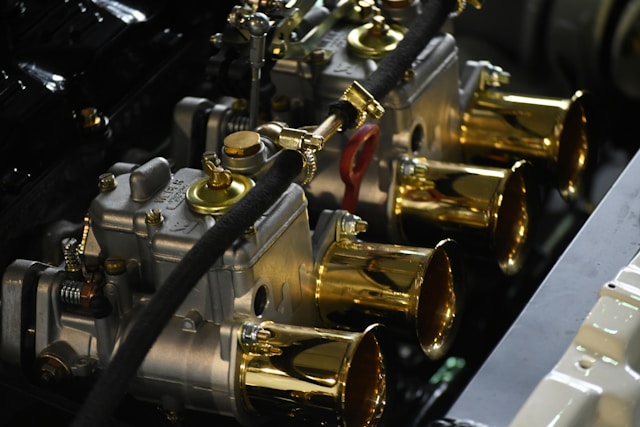
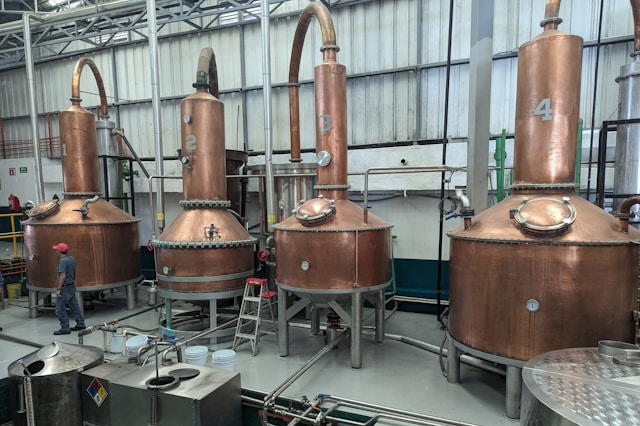
Transformation des aliments et des boissons
Pasteurisation, stérilisation, transfert de produits

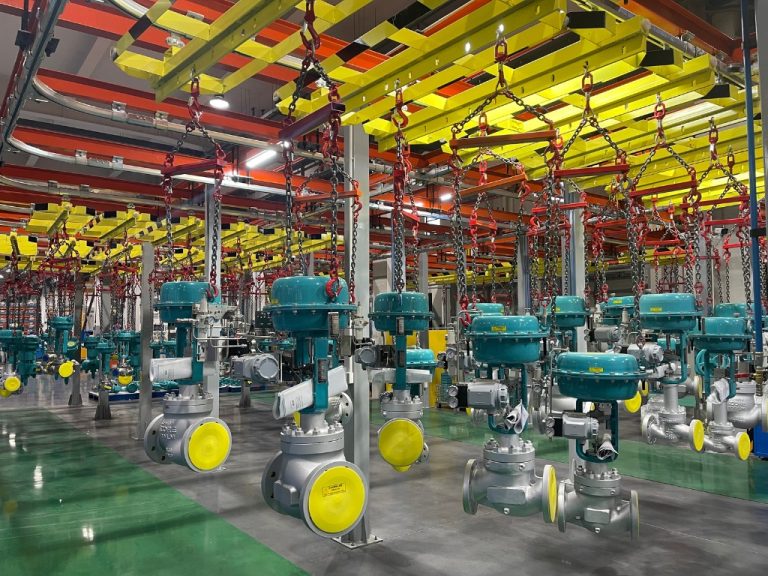
BCST your Expert Stainless Ball valves Supplier in China
BCST Stainless ball valves is an actuator for an industrial process automation control system. It can be divided into normally open and normally close. When no electrical signal is received, the solenoid valve is closed. When the electric signal is not connected, the solenoid valve is open.
BCST a mené des recherches, maîtrisé la conception et fabriqué des électrovannes. Avec plus de 20 ans d'expérience dans la fabrication et le commerce, BCST fournit une source complète d'automatisation des vannes pour votre projet.
Nous vous invitons à visiter notre usine.
Stainless Steel Ball Valves: Complete Technical Guide
Understanding What They Are, How They Work, Features, Structure & Implementation
Stainless steel ball valves represent one of the most reliable and versatile flow control solutions in modern industrial applications. From chemical processing plants to pharmaceutical facilities, these precision-engineered components provide exceptional corrosion resistance, operational reliability, and cost-effective performance. This comprehensive guide explores every aspect of stainless ball valves—from fundamental principles to advanced implementation strategies.
Key Insight: Industrial facilities using stainless ball valves report 98.7% operational reliability and 60-75% reduction in maintenance costs compared to carbon steel alternatives.
What is a Stainless Steel Ball Valve?
A stainless steel ball valve is a quarter-turn flow control device that uses a spherical ball with a cylindrical bore to regulate fluid flow. The ball rotates 90 degrees to either align the bore with the pipeline (open position) or perpendicular to it (closed position), providing reliable shutoff and flow control.
- Corps de vanne : Stainless steel housing containing all internal components
- Le ballon : Precision-machined sphere with flow passage (bore)
- Tige : Connects actuator to ball for rotation
- Sièges : Sealing surfaces between ball and body
- Emballage : Prevents leakage along stem
- Actionneur : Manual lever, gear operator, or automated device
BCST stainless ball valves are manufactured from premium stainless steel grades including CF8 (304), CF8M (316), and specialized alloys, each selected for specific application requirements.
How Stainless Ball Valves Work: Operating Principles
Quarter-Turn Operation Mechanism
The fundamental operating principle involves a simple 90-degree rotation that provides either full flow or complete shutoff:
| Position | Ball Orientation | Flow Status | Applications |
|---|---|---|---|
| Open (0°) | Bore aligned with pipeline | Full flow | Normal operation |
| Closed (90°) | Bore perpendicular to pipeline | Zero flow | Isolation, shutoff |
| Intermediate | Partial rotation | Throttled flow | Flow control (limited) |
Sealing Technology
BCST stainless ball valves employ multiple sealing mechanisms to ensure leak-tight performance:
- Seat Design: PTFE, RTFE, or metal seats provide primary sealing
- Ball Surface: Precision-ground to 4-16 μin finish for optimal sealing
- Seat Loading: Spring-energized or pressure-assisted sealing
- Blowout-Proof Stem: Internal retention prevents stem ejection
Torque Requirements
Operating torque varies based on several factors:
- Valve Size: Larger valves require higher torque
- Pression nominale : Higher pressure = higher sealing force
- Seat Material: PTFE seats reduce torque vs. metal seats
- Media Properties: Viscous fluids increase torque requirements
Key Features of Stainless Ball Valves
| Fonctionnalité | Benefit | Technical Specification |
|---|---|---|
| Résistance à la corrosion | Long service life in harsh environments | 18% chromium forms passive oxide layer |
| Full Port Design | Perte de charge minimale | Bore diameter equals pipe ID |
| Quarter-Turn Operation | Quick actuation | 90° rotation for full open/close |
| Bubble-Tight Shutoff | Zero leakage | API 598 Class VI sealing |
| Plage de température | Extreme service capability | -253°C to +400°C |
BCST stainless ball valves incorporate premium features:
- Anti-Static Device: Prevents static charge buildup in hazardous applications
- Live-Loaded Packing: Maintains constant sealing force throughout service life
- ISO 5211 Mounting: Standardized actuator interface for easy automation
- Blowout-Proof Stem: Internal retention ensures safety
Valve Structure and Components
Body Construction
BCST stainless ball valve bodies are available in several configurations:
| Body Type | La construction | Avantages | Applications |
|---|---|---|---|
| One-Piece | Cast as single unit | Minimal leakage paths | Permanent installations |
| Two-Piece | Body + end cap | Entretien facile | General service |
| Three-Piece | Body + 2 end caps | In-line serviceable | High-maintenance applications |
Stem Design Variations
The stem connects the actuator to the ball and must withstand significant forces while maintaining sealing integrity:
- Rising Stem: Moves linearly as valve opens/closes
- Non-Rising Stem: Rotates only, no linear movement
- Blowout-Proof Design: Internal retention prevents ejection
- Anti-Static Connection: Ensures electrical continuity
Multiple packing options available:
- PTFE V-Rings: Standard chemical resistance
- Graphite: High-temperature applications
- Live-Loaded: Automatic adjustment for wear
- Bellows Seal: Zero-emission applications
Implementation Strategy: From Selection to Operation
Step 1: Application Analysis
Successful implementation begins with comprehensive application assessment:
| Paramètres | Data Required | Impact on Selection |
|---|---|---|
| Type de fluide | Chemical composition, pH, viscosity | Material grade selection |
| Pressure/Temperature | Operating range, cycling conditions | Pressure class, seat material |
| Flow Requirements | Flow rate, velocity, pressure drop | Valve size, port type |
| Actuation Method | Manual, pneumatic, electric | Mounting interface, accessories |
Step 2: Installation Best Practices
Proper installation ensures optimal performance and longevity:
- Pre-Installation Inspection: Verify specifications, check for damage, confirm certifications
- Piping Preparation: Ensure proper alignment, adequate support, clean conditions
- Orientation: Install with actuator vertical when possible
- Flange Alignment: Prevent piping stress on valve body
- Mise en service : Perform full-stroke testing and seat leakage verification
- Excessive piping stress on valve body
- Inadequate support causing vibration
- Improper flange alignment
- Failure to account for thermal expansion
- Incorrect actuator orientation
Maintenance and Troubleshooting
Preventive Maintenance Schedule
Regular maintenance ensures reliable operation and extends service life:
| Interval | Maintenance Activity | Purpose | Acceptance Criteria |
|---|---|---|---|
| Monthly | Inspection visuelle | Check for leaks, corrosion | No visible damage |
| Quarterly | Operational test | Verify smooth operation | Full stroke, no binding |
| Annually | Seat leakage test | Verify sealing integrity | API 598 Class VI |
| 5 Years | Complete overhaul | Replace wear components | Like-new performance |
Common Issues and Solutions
- Stem Leakage: Check packing tightness, replace if worn
- High Operating Torque: Inspect for corrosion, lubricate stem
- Seat Leakage: Verify proper seat loading, replace damaged seats
- Corrosion : Check material compatibility, improve drainage
Performance Optimization
Maximizing stainless ball valve performance requires understanding key operational parameters:
| Facteur de performance | Optimization Strategy | Expected Improvement |
|---|---|---|
| Cycle Life | Proper lubrication, reduced cycling speed | 25-40% extension |
| Sealing Performance | Correct seat material, proper torque | Zero leakage maintained |
| Temps de réponse | Appropriate actuator sizing | 30-50% faster operation |
| Efficacité énergétique | Low-friction seats, proper sizing | 20-30% torque reduction |
Questions fréquemment posées
Why is stainless steel a preferred material for industrial ball valves?
Stainless steel is a preferred material due to its excellent combination of corrosion resistance, strength, and temperature tolerance. Unlike brass or carbon steel, it can safely handle a wide range of aggressive fluids, process water, and chemicals without degrading, which ensures a long, reliable service life in demanding industrial environments.
What is the critical difference between 316 and 304 stainless steel for ball valves?
The key difference is the addition of molybdenum in 316 stainless steel.
- Acier inoxydable 304 : A great general-purpose choice, offering good corrosion resistance for applications like water, air, and many food products.
- Acier inoxydable 316 : The superior choice for more corrosive applications. The molybdenum provides significantly better resistance to chlorides (found in saltwater and many chemicals), acids, and pitting, making it the standard for chemical, marine, and pharmaceutical industries.
What are the pros and cons of a 2-piece vs. a 3-piece stainless steel ball valve?
The choice depends on your maintenance needs and budget:
- 2-Piece Valve: A cost-effective and reliable design where the body is made of two pieces. It is ideal for general applications where the valve is not expected to be repaired in-line.
- 3-Piece Valve: A “swing-out” design where the central body section can be removed for easy seat and seal replacement without cutting into the pipeline. While the initial cost is higher, it significantly reduces long-term maintenance costs and downtime.
What does a "1000 WOG" rating mean on a stainless steel ball valve?
WOG stands for Water, Oil, Gas. A “1000 WOG” rating indicates that the valve is rated for a maximum non-shock working pressure of 1000 PSI at ambient temperatures for these three media. It is a common pressure rating for industrial-grade threaded stainless steel ball valves.
Are your stainless steel ball valves suitable for corrosive chemical services?
Yes, absolutely. 316 stainless steel is specifically recommended for a wide variety of corrosive chemical services. The key to ensuring suitability is to match the valve’s seat and seal materials (like PTFE) with the specific chemical’s properties and operating temperature. Our team can help you verify chemical compatibility for your application.
Spécifications techniques et sélection
BCST Stainless ball valves feature size ranges from 1/4″ to 12″ (DN6-DN300), pressure classes from vacuum to 1,380 bar (20,000 psi), and temperature ranges from -253°C to 400°C. All models meet relevant API, ISO, and IEC standards with leakage rates from API 598 Class II to Class VI depending on application requirements. Our valves are available across four core types with over 35 patent-protected designs, each optimized for specific industrial challenges. BCST gas ball valves achieve 120,000+ operational cycles while maintaining zero leakage in critical applications, significantly exceeding industry standards for reliability and performance.
Core Specifications
Size Range & Connections
| Gamme de tailles | 1/4" to 64" (DN8 to DN1600) |
| Connection Types | NPT, BSP, Socket Weld, Butt Weld, Flanged RF/RTJ |
| Flange Standards | ANSI B16.5, DIN EN 1092, JIS B2220, BS 10 |
| Face-to-Face Dimensions | ASME B16.10, DIN 3202, ISO 5752 |
Pressure & Temperature Ratings
| Pressure Class | Working Pressure | Pression d'essai | Plage de température |
|---|---|---|---|
| 150LB | 285 PSI @ 100°F | 425 PSI | -29°C to +425°C |
| 300LB | 740 PSI @ 100°F | 1100 PSI | -29°C to +425°C |
| 600LB | 1480 PSI @ 100°F | 2225 PSI | -29°C to +425°C |
| 1500LB | 3705 PSI @ 100°F | 5560 PSI | -29°C to +595°C |
| 2500LB | 6170 PSI @ 100°F | 9270 PSI | -29°C to +595°C |
Flow Characteristics
| Full Port Design | Cv values 30% higher than standard port for maximum flow capacity |
| Flow Coefficient Range | Cv 0.8 to 25,000+ (size dependent) for precise flow control |
| Pressure Recovery | FL ≥ 0.9 (excellent recovery) for minimal pressure loss |
| Zero Leakage | Bubble-tight sealing per API 598 / ANSI Class VI standards |
Material Composition
Stainless Steel Grades & Applications
| Grade | Equivalent | Composition | Meilleures applications |
|---|---|---|---|
| CF8 | 304 SS | 18% Cr, 8% Ni | General service, food processing, clean water |
| CF8M | 316 SS | 18% Cr, 8% Ni, 2% Mo | Chemical processing, marine environments |
| CF3M | 316L SS | 18% Cr, 8% Ni, 2% Mo, Low C | Pharmaceutical, cryogenic, welding applications |
| CN7M | Alloy 20 | 20% Cr, 29% Ni, 2% Mo, 3% Cu | Sulfuric acid, aggressive chemicals |
| CK3MCuN | 254 SMO | 20% Cr, 18% Ni, 6% Mo | Seawater, high chloride environments |
Seat Materials
| PTFE Seats | -50°F to +400°F, excellent chemical resistance |
| RTFE Seats | -50°F to +450°F, reinforced for higher pressures |
| PEEK Seats | -70°F to +550°F, superior mechanical strength |
| Metal-to-Metal | Up to +1200°F, fire-safe applications |
| TFM 1600 | -50°F to +500°F, FDA approved for food service |
Stem & Internal Components
- Blowout-proof stem design per ASME B16.34
- Live-loaded stem packing for emission control
- Anti-static device for hazardous applications
- Fire-safe design per API 607 / ISO 10497
Prenez contact avec nous
Tell us your specs; our engineer will reply within 24 hours.
 English
 Arabic
 Russian
 French
 Spanish