
BCST Hydrogen Valves for Hydrogen Safety, Performance & Reliability
- API 6D and CGA G-5.5 certified valves designed specifically for hydrogen applications
- Hydrogen embrittlement-resistant materials for environments up to 20,000 psi
- Cryogenic-rated models for liquid hydrogen service down to -253°C (-423°F)
- ATEX Zone 1 & 2 certified for explosive atmosphere installations in hydrogen environments
- 7-day delivery for standard hydrogen valves with expedited options available

Why Specialized Valves Are Non-Negotiable
Hydrogen’s exceptional properties, including its small molecular size, high diffusivity, and propensity for material embrittlement, demand purpose-built valve systems. Standard industrial valves cannot safely contain hydrogen at elevated pressures and temperatures. Understanding these challenges is fundamental to specifying compliant, reliable hydrogen service components.
Hydrogen Embrittlement
Hydrogen atoms diffuse into metal lattices, weakening mechanical properties and causing brittle fracture under stress.
Fugitive Emissions
Hydrogen’s small molecular size enables leakage through micro-gaps, seals, and packing materials designed for larger molecules.
Extreme Conditions
Cryogenic temperatures (−253°C) and ultra-high pressures (700 bar+) demand materials and designs with exceptional thermal and mechanical stability.
Types of Hydrogen Valves
BCST manufactures six core valve types specifically engineered for the unique challenges of hydrogen applications. Unlike generic valve suppliers, we design each valve type with hydrogen-specific requirements in mind, incorporating features like hydrogen embrittlement-resistant materials, zero-permeation designs that maintain API 598 Class VI shutoff, and specialized testing protocols that exceed industry standards for hydrogen service.
Valve de contrôle pneumatique
Compressed Air Actuation Technology
Pneumatic control valves utilize compressed air to drive the actuator mechanism, providing reliable and responsive process control across diverse industrial environments. These valves convert air pressure signals (typically 3-15 psi or 0.2-1.0 bar) into precise mechanical motion, enabling accurate flow regulation without requiring electrical power at the valve location. Pneumatic control valves excel in hazardous area applications where electrical equipment poses ignition risks, offering fail-safe positioning through spring-return mechanisms and maintaining operation during power outages.
Key Features
- Intrinsically safe operation
- Fast response times
- Spring-return fail-safe modes
- No electrical power required
- Explosion-proof capability
Applications typiques
- Hazardous area installations
- Oil and gas facilities
- Chemical processing plants
- Remote pipeline control
- Emergency shutdown systems

Valve de contrôle électrique
Precision Motor-Driven Actuation
Electric control valves employ electric motor actuators to provide exceptional positioning accuracy and control resolution in automated process systems. These sophisticated control valves integrate with digital control systems, offering modulating control with positioning feedback, programmable fail-safe modes, and advanced diagnostic capabilities. Electric control valves eliminate the need for compressed air infrastructure, reducing installation costs and maintenance requirements while delivering precise throttling control and excellent repeatability for critical process parameters.
Key Features
- High positioning accuracy
- Digital integration capability
- Self-diagnostic functions
- Programmable control logic
- Maintenance-free operation
Applications typiques
- Building automation systems
- Stations d'épuration des eaux
- HVAC control applications
- Transformation des aliments et des boissons
- Fabrication de produits pharmaceutiques

Vanne de contrôle autorégulatrice
Autonomous Pressure Management Technology
Self-regulating control valves, also known as pressure-reducing valves or direct-acting valves, automatically maintain downstream pressure or flow without external power or control signals. These intelligent control valves utilize process pressure and internal spring mechanisms to achieve self-contained regulation, providing continuous pressure stabilization through pilot-operated or diaphragm-actuated designs. Self-regulating control valves offer unmatched reliability in critical applications where power failures or control system malfunctions could compromise process safety or product quality.
Key Features
- Aucune alimentation externe n'est nécessaire
- Automatic pressure regulation
- Fonctionnement à sécurité intégrée
- Self-contained design
- Faibles exigences en matière d'entretien
Applications typiques
- Steam pressure reduction
- Gas distribution networks
- Water pressure regulation
- Safety relief systems
- Standalone control applications

Valve de contrôle d'angle
Right-Angle Flow Path Design
Angle control valves feature a 90-degree flow path configuration where fluid enters through the bottom and exits through the side, creating an efficient right-angle turn within the valve body. This specialized geometry reduces turbulence and pressure drop while enabling self-draining capabilities and simplified piping arrangements in space-constrained installations. Angle control valves excel in handling flashing, cavitating, or high-velocity services, naturally accommodating thermal expansion and providing superior performance in applications requiring frequent draining or venting.
Key Features
- 90-degree flow configuration
- Self-draining capability
- Reduced turbulence
- Compact installation footprint
- Thermal expansion accommodation
Applications typiques
- Boiler feedwater control
- Condensate removal systems
- Flashing service applications
- Vertical pump discharge control
- High-velocity steam service

Linear Control Valve
Straight-Through Flow Optimization
Linear control valves feature a streamlined, straight-through flow path design that minimizes pressure drop and turbulence while maximizing flow capacity and efficiency. These high-capacity control valves utilize sliding gate, wedge, or rotary plug mechanisms that move linearly to create an unobstructed flow passage in the fully open position, approaching the performance characteristics of full-port ball valves. Linear control valves provide excellent Cv characteristics, reduced energy consumption, and superior handling of slurries, viscous fluids, or services requiring minimal flow restriction.
Key Features
- Trajet d'écoulement en ligne droite
- Perte de charge minimale
- Capacité d'écoulement élevée
- Low turbulence design
- Energy-efficient operation
Applications typiques
- Slurry handling systems
- Viscous fluid control
- High-capacity applications
- Energy conservation projects
- Particulate-laden services

Globe Control Valve
Linear Motion Throttling Technology
Globe control valves represent the industry standard for throttling and modulating control, utilizing a movable plug or disk that travels perpendicular to the seat to regulate flow with exceptional precision. These versatile control valves provide superior rangeability (typically 50:1 or greater), accurate positioning across the entire stroke, and reliable shutoff capabilities through multiple trim configurations including single-seat, double-seat, and cage-guided designs. Globe control valves handle demanding pressure drops and offer extensive customization options for erosive, corrosive, or high-temperature applications.
Key Features
- Excellent throttling characteristics
- High rangeability (50:1+)
- Multiple trim options
- Contrôle précis du débit
- Proven reliability
Applications typiques
- Process control systems
- Temperature regulation
- Pressure control loops
- Flow rate management
- General industrial service

Processus de fabrication des vannes
Découvrez le savoir-faire méticuleux qui se cache derrière nos vannes industrielles haut de gamme.
1 Sélection et préparation des matériaux
Nous commençons par sélectionner les matériaux les plus nobles auprès de fournisseurs de confiance. Chaque matériau est soumis à des tests rigoureux de composition, de résistance et de durabilité avant d'être préparé pour l'usinage.
2 Usinage de précision
À l'aide de machines CNC de pointe et d'un outillage avancé, nous usinons les composants avec une précision de l'ordre du micron. Cela garantit un ajustement parfait, des surfaces lisses et les tolérances dimensionnelles exactes requises pour une performance optimale des soupapes.
3 Assemblage et intégration
Les composants sont assemblés à l'aide de techniques spécialisées par des techniciens expérimentés. Les joints critiques, les ressorts et les pièces mobiles sont installés avec précision pour garantir un fonctionnement étanche et des performances fiables sous pression.
4 Essais et contrôle de la qualité
Chaque vanne est soumise à des essais complets, notamment des essais de pression, des contrôles d'étanchéité et des vérifications fonctionnelles. Seules les vannes répondant à nos normes de qualité rigoureuses sont emballées et expédiées.
Spécifications techniques et sélection
Des données techniques complètes et des outils interactifs pour vous aider à sélectionner la vanne idéale pour votre application.
High-Pressure Hydrogen Ball Valves - Zero-Leakage Shutoff Solutions
Core Specifications
- Gamme de tailles : 1/4" - 24" (DN6 - DN600)
- Pressure Classes: Vacuum to 1,380 bar (20,000 psi)
- Plage de température : -253°C to 150°C (cryogenic to high-temperature)
- Normes de conception : ISO 15848-1, API 6D, CGA G-5.5
- Face à face : ASME B16.10 standard dimensions
Material Composition
- Body Options: 316L stainless steel with hydrogen-resistant treatment, Inconel 718
- Ball & Stem: Hard-coated 17-4PH stainless steel with anti-permeation design
- Matériaux du siège : Standard: Reinforced PTFE with anti-permeation properties High-Pressure: Metal seats with hydrogen-resistant coatings Cryogenic: Specialized materials for liquid hydrogen service
- End Connections: Flanged, butt-weld, socket weld, threaded
Performance Metrics
- Leakage Rate: API 598 Class VI (bubble-tight shutoff)
- Hydrogen Permeation: < 0.001 ml/min per inch of nominal size
- Cycle Life: 100,000+ cycles at full hydrogen pressure rating
- Blowout Prevention: Stem/body connection designed to prevent stem blowout
- Embrittlement Resistance: Validated per ISO 11114-4 standards
Industry-Specific Applications
Hydrogen Check Valves - Hydrogen Hammer Prevention
Core Specifications
- Gamme de tailles : 1/2" - 20" (DN15 - DN500)
- Pressure Classes: Class 150 - 1,034 bar (15,000 psi)
- Norme de conception : API 603 compliant with hydrogen hammer prevention
- Special Features: Controlled closure mechanism prevents hydrogen hammer Energy-absorbing disc design for hydrogen service Thermal expansion compensation for cryogenic applications
- Cracking Pressure: Adjustable from 1-15 psi for precise application tuning
Material Composition
- Body Construction: ASTM A182 F316L stainless steel with hydrogen treatment
- High-Pressure Options: Inconel 718 materials for extreme pressure applications
- Disc & Seat Materials: Standard: 17-4PH stainless steel with hydrogen-resistant coatings High-Pressure: Inconel 718 with thermal barrier coatings Cryogenic: Specialized materials for liquid hydrogen service
- Damping System: Hydraulic cushioning mechanism for controlled closure
Performance Metrics
- Hydrogen Hammer Reduction: 95% less pressure surge than conventional check valves
- Pressure Testing: 1.5x working pressure hydrostatic test per API 598
- Thermal Cycling: 1,000+ cycles without performance degradation
- Service Life: 250,000+ cycles at full hydrogen pressure rating
- Temps de réponse : 0.2-0.5 seconds closure (adjustable for application needs)
Industry-Specific Applications
Request Custom Valve Quote & get response in 48-hr
Contactez notre équipe d'experts dès aujourd'hui pour discuter des exigences de votre projet et découvrir comment BCST peut fournir des solutions fiables et efficaces adaptées à vos besoins.
Applications industrielles
Our Hydrogen valves excel across demanding industrial sectors, providing reliable performance in the most challenging environments.
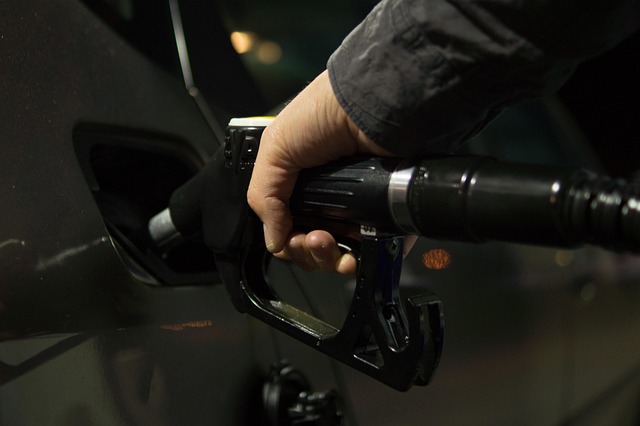
Hydrogen Refueling Stations
Vehicle refueling, pressure regulation, emergency shutdown
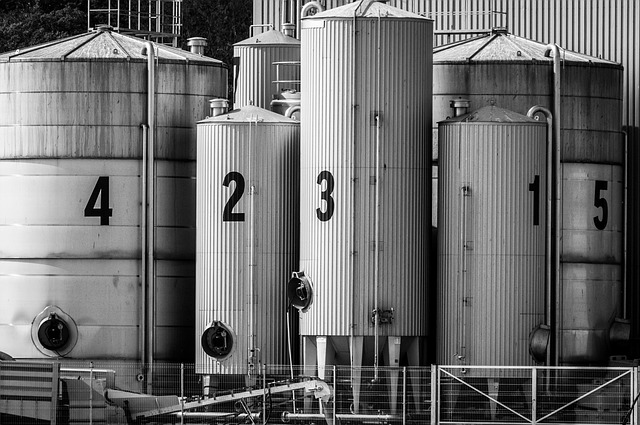
Liquid Hydrogen Facilities
Storage, transfer, vaporization, safety systems
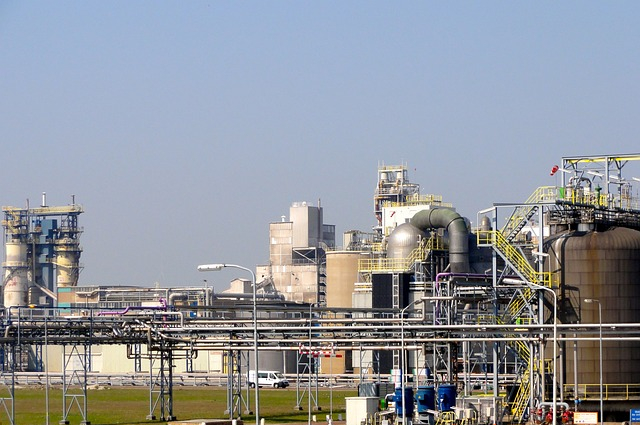
Industrial Hydrogen Processing
Chemical processing, metal treatment, semiconductor manufacturing
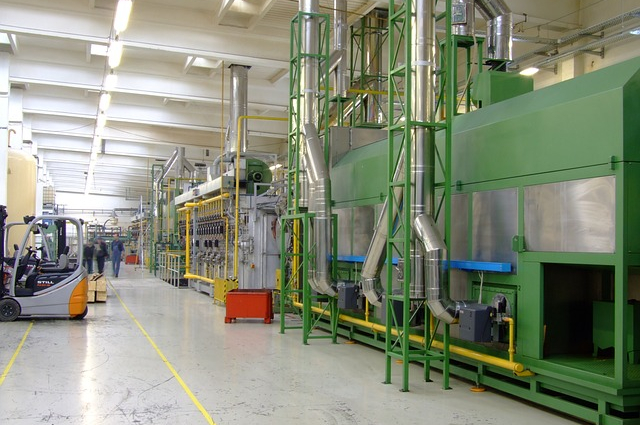
Hydrogen Production
Electrolysis systems, steam methane reforming, purification
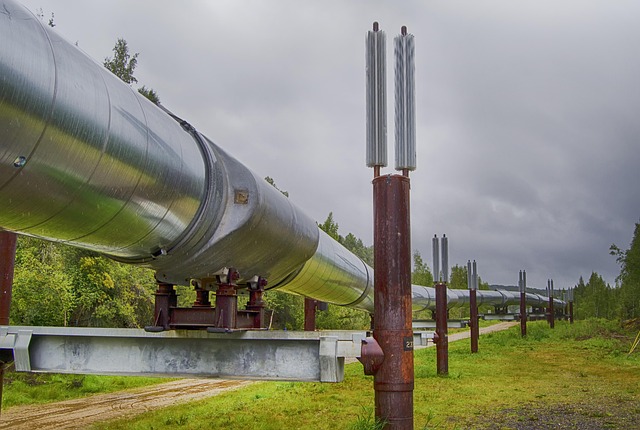
Hydrogen Pipeline Transportation
Mainline isolation, compressor station protection, pressure management
Projects That Define Our Industrial Valve Expertise
Which Major Industrial Projects Has BCST Successfully Completed?
BCST has successfully completed over 400 industrial valve projects across 60+ countries, serving critical applications in oil & gas, power generation, chemical processing, water treatment, and pharmaceutical manufacturing. Our project portfolio demonstrates our capability to deliver reliable valve solutions for demanding industrial applications, with 99% positive feedback from end-users. Each project showcases BCST’s commitment to engineering excellence, timely delivery, and long-term reliability that reduces downtime by 42% compared to industry averages.
400+
Industrial Projects Completed Worldwide
60+
Countries Served Across 6 Continents
99%
Positive End-User Feedback Rate
5,000+
Valves Installed Monthly in Active Projects
Middle East Pipeline Modernization
Saudi Arabia | 2021-2023
BCST supplied 387 trunnion-mounted ball valves for a major crude oil pipeline system upgrade. Our NACE MR0175 compliant materials with tungsten carbide coated trim solved persistent issues with sand erosion and sour service conditions. All valves were delivered in 18 days through expedited production, with zero failures reported in 18 months of operation.
Combined-Cycle Power Plant Upgrade
Texas, USA | 2022
BCST provided 87 specialized steam ball valves for a 750MW power plant experiencing valve failures due to thermal cycling. Our thermal-compensating design valves were delivered in 9 days during a critical outage window. The valves have maintained API 598 Class IV leakage rates through 1,500+ thermal cycles with zero unplanned outages.
Pharmaceutical Manufacturing Facility
Germany | 2023
BCST supplied 132 sanitary globe valves with 3-A certification for a leading pharmaceutical manufacturer's sterile processing lines. Our Ra < 0.8 μm surface finishes and zero-leakage sealing technology eliminated cross-contamination issues, with all valves delivered in 10 days when the client needed them urgently.
District Energy System Modernization
Stockholm, Sweden | 2022-2023
BCST provided 63 steam check valves with water hammer prevention technology for Stockholm's district heating network. Our hydraulic damping mechanisms controlled disc return speed, reducing water hammer incidents by 92% in the first year of operation. All valves were delivered in 7 days to minimize system downtime during winter months.
What Makes a Hydrogen Valve Truly Safe for High-Pressure Systems?
Using the wrong valve in hydrogen service risks catastrophic failure. Hydrogen’s small molecules and embrittling effects can turn standard industrial valves into a critical safety liability, threatening your entire operation.
A true hydrogen valve uses specific materials like 316L stainless steel or exotic alloys to resist embrittlement. It features advanced sealing technology, like bellow seals or specialized packing, to prevent dangerous leaks and ensure fugitive emissions compliance. BCST provides valves engineered and tested for these exact conditions.
This level of engineering is not just a suggestion; it’s a necessity driven by the unique physics of hydrogen. As engineers like Hassan know, overlooking these details during procurement can have severe consequences during commissioning and operation. Let’s break down why these specializations are critical.
Why Do Standard Valves Fail in Hydrogen Service?
You specified a stainless steel valve, thinking it was sufficient for a corrosive gas. But now you’re facing unexpected leaks and material degradation, creating a dangerous and costly situation.
Standard valves fail because hydrogen atoms are small enough to penetrate metal grain boundaries, causing embrittlement and cracking. Their traditional sealing systems are also not designed to contain the smallest molecule on earth, leading to inevitable fugitive emissions.

The difference between a standard valve and a hydrogen-rated valve lies deep within its material science and mechanical design. While they may look similar on a P&ID, their performance under pressure is worlds apart. For a Chief Engineer like Hassan, responsible for the safety and integrity of an entire plant, understanding these differences is the first line of defense against a potential disaster. These are not interchangeable components; they are purpose-built safety devices.
Deconstructing Hydrogen-Induced Failures
The two primary failure modes for valves in hydrogen applications are material degradation and leakage. Both stem from the unique properties of hydrogen.
- Material Integrity and Hydrogen Embrittlement
Hydrogen embrittlement is a process where hydrogen atoms diffuse into the metal lattice of the valve’s body, bonnet, and trim components. This infiltration weakens the metal, reducing its ductility and making it susceptible to cracking under stress, especially in high-pressure environments.
| Material Group | Suitability for Hydrogen | Key Considerations |
| Acier au carbone | Not Recommended | Highly susceptible to embrittlement, especially at higher pressures and temperatures. Avoid for any critical hydrogen application. |
| Standard Austenitic Stainless Steel (e.g., 304) | Limited Use | Can be used in low-pressure, ambient temperature conditions but loses its reliability as pressure increases. |
| Enhanced Austenitic Stainless Steel (e.g., 316L) | Recommended | The low carbon content (“L”) and nickel/chromium composition provide good resistance to embrittlement. This is a common and reliable choice. |
| Exotic Alloys (e.g., Monel, Inconel) | Highly Recommended | Offer superior resistance, especially in high-temperature or corrosive hydrogen streams (e.g., H2S). Specified for the most critical services. |
Hassan, during a refinery upgrade project, insisted on replacing all 304 SS ball valves in a new hydrogen line with 316L valves from our BCST factory. The initial procurement team questioned the cost increase. However, his experience taught him that the cost of a single failure—in terms of downtime, safety incidents, and repairs—would far outweigh the initial investment in the correct materials.
- Sealing Performance and Fugitive Emissions
Hydrogen is the smallest molecule in the universe. It can find leak paths through sealing materials and alignments that would easily contain larger molecules like methane or nitrogen. Standard valve packing, like graphite or PTFE, simply isn’t dense or resilient enough to provide a long-term, bubble-tight seal against hydrogen. This leads to persistent, hard-to-detect leaks that create a constant fire and explosion hazard. This is where specialized sealing systems become non-negotiable.
What Sealing Technology Guarantees a Leak-Proof Hydrogen Valve?
You’ve installed a new valve, but your gas detectors are still signaling fugitive emissions around the stem. This constant worry over an invisible, explosive leak is compromising plant safety and productivity.
Bellows sealed valves provide a true zero-leakage solution by welding a flexible metal barrier between the process fluid and the atmosphere. For other valve types, advanced packing sets using specialized polymers and live-loading springs are essential to maintain a constant, tight seal.
Choosing the right sealing mechanism is just as important as choosing the right body material. A valve with a robust body made from 316L is useless if hydrogen is constantly escaping from the stem. The goal is total containment. For Hassan, this means specifying sealing systems that not only meet but exceed standards like ISO 15848-1, which sets strict limits for fugitive emissions. Let’s examine the top-tier options that ensure this level of safety and performance.
A Deep Dive into Hydrogen Sealing Solutions
To achieve the bubble-tight shutoff required for safe hydrogen handling, engineers must look beyond standard gland packing. The choice of sealing technology depends on the criticality of the application, the operating pressure, and the valve type.
Primary Sealing: The Bellows Seal
For the most critical applications where no leakage can be tolerated, the bellows sealed globe valve is the ultimate solution.
- Comment cela fonctionne-t-il ?A thin, flexible, and convoluted metal tube (the bellows) is welded to the valve stem and the valve body. This creates an impermeable metal barrier. The stem moves up and down inside the bellows without ever breaking the seal to the atmosphere.
- Avantages :It offers a true hermetic seal, providing a physical barrier that eliminates the leak path entirely. This is the highest level of safety.
- BCST Application:In a recent project, Hassan specified BCST bellows sealed globe valves for the primary isolation points on a high-pressure hydrogen feed line to a reactor. This decision was driven by a HAZOP (Hazard and Operability Study) that identified stem leakage as a major unacceptable risk.
Advanced Gland Packing for Ball and Gate Valves
Where a bellows seal isn’t practical, such as in quarter-turn ball valves, an advanced packing system is required.
| Packing Component | Fonction | Why it’s Critical for Hydrogen |
| Multiple V-Ring Sets | Creates a series of tight seals along the stem. | Distributes the sealing pressure evenly and creates a difficult, tortuous path for the small hydrogen molecules to navigate. |
| Live-Loading (Belleville Springs) | A set of springs that applies continuous pressure to the packing. | Compensates for temperature fluctuations, pressure changes, and normal wear, ensuring the packing stays energized and maintains a tight seal over thousands of cycles. |
| High-Integrity Materials | Specially formulated polymers or high-density graphite composites. | These materials are designed to resist the permeation of small gas molecules and will not degrade when exposed to hydrogen. |
Together, these components create a packing system that is dynamic and self-adjusting, actively fighting the tendency of hydrogen to leak. BCST has worked with engineers to retrofit existing valves with these advanced packing kits, dramatically reducing fugitive emissions and improving overall plant safety.
How Do You Test and Certify a Valve for Hydrogen Service?
Your supplier claims their valves are “hydrogen-ready,” but they offer no proof. Installing an uncertified valve in a high-pressure hydrogen line means you are personally underwriting a massive, unquantified risk.
Valves must be certified through rigorous testing standards like ISO 15848-1 for fugitive emissions and undergo specific material traceability (MTR) checks and hydrostatic/pneumatic testing. BCST provides valves with full certification packages, ensuring every component meets the stringent demands of hydrogen service.

Certification is not a piece of paper; it is the documented proof that a valve has been designed, manufactured, and tested to perform safely under specific, dangerous conditions. For an experienced engineer like Hassan, a valve without a complete and verifiable testing and certification dossier is not a viable component for any project under his supervision. It represents an unknown variable in a system where there is no room for error. The validation process is what separates a truly reliable hydrogen valve from a standard industrial product.
The Critical Path of Hydrogen Valve Validation
Ensuring a valve is fit for hydrogen service involves a multi-stage validation process that covers every step from raw material sourcing to final performance testing. Cutting corners at any stage compromises the final product’s integrity.
- Material Traceability and Verification
It all starts with the metal. True hydrogen-grade valves require complete material traceability.
- Ce que c'est :A Material Test Report (MTR) or Mill Certificate (EN 10204 3.1) is a quality assurance document that certifies a material’s chemical and physical properties.
- BCST’s Process:For every batch of hydrogen valves we produce, we have MTRs for the raw materials used for the body, bonnet, stem, and ball/disc. We also perform our own Positive Material Identification (PMI) using an X-ray fluorescence (XRF) analyzer to independently verify that the material composition matches the certificate. Hassan often requests these PMI reports during his factory acceptance tests (FAT) to ensure the 316L material specified is what was actually used.
- Pressure and Leakage Testing
This is where the valve’s design and construction are put to the test.
| Test Type | Standard | Purpose and Procedure |
| Hydrostatic Shell Test | API 598 | The valve body is filled with water and pressurized to 1.5 times its maximum working pressure to confirm its structural integrity. There can be no visible leakage. |
| Hydrostatic Seat Test | API 598 | Tests the ability of the seat and sealing surfaces to close tightly. Pressurized from both directions to check for leaks through the closure mechanism. |
| Pneumatic (Air/Nitrogen) Test | API 598 | A low-pressure test using gas to detect very small leaks that might not be found with water. This is especially important for gas service valves like those for hydrogen. |
| Helium Mass Spectrometer Test | Custom | For the most critical applications, the valve is tested using helium, which has a small molecular size similar to hydrogen, to detect microscopic leak rates. |
- Fugitive Emissions Certification
This is the specialized test that separates hydrogen valves from general-purpose valves.
- The Standard:ISO 15848-1 (“Industrial valves – Measurement, test and qualification procedures for fugitive emissions”) is the globally recognized benchmark.
- The Process:The valve is subjected to thousands of mechanical and thermal cycles while being tested with a tracer gas (helium). A detector, or “sniffer,” measures any leakage from the stem seal. The results classify the valve into performance classes (e.g., Class AH, BH) for tightness. BCST designs its hydrogen valve packing systems specifically to meet the tightest classes of this standard, providing documented proof of their superior sealing capability.
Conclusion
A safe hydrogen system depends entirely on certified, purpose-built valves. Using the right materials, advanced sealing technology, and demanding rigorous testing is not optional—it’s essential for protecting your people, plant, and profits.
Questions fréquemment posées
What materials are not suitable for hydrogen?
High-strength carbon and alloy steels, as well as martensitic stainless steels, are generally unsuitable for pressurized hydrogen service due to their high susceptibility to hydrogen embrittlement.
Can I use a regular stainless steel valve for low-pressure hydrogen?
It is strongly discouraged. While a standard 316 stainless steel valve may have the correct body material, it lacks the specialized seat materials, stem packing design, and rigorous leak testing required to be considered safe for hydrogen, even at low pressures. Always use valves specifically designed and certified for hydrogen service.
What testing is performed on a hydrogen-certified valve?
The transition to a hydrogen economy presents immense opportunities, but it also demands an uncompromising commitment to safety and engineering excellence. The valves used in your system are not just components; they are the frontline guardians of your operation’s integrity, efficiency, and safety. Choosing a purpose-built, certified hydrogen valve is the first and most critical step.
Are all 316 Stainless Steel ball valves suitable for hydrogen?
No, they are not. While 316/316L stainless steel is the correct base material for resisting hydrogen embrittlement, the suitability of a valve goes far beyond the material alone. Standard, off-the-shelf 316 SS valves lack the critical design features and rigorous testing required for safe hydrogen service.
BCST hydrogen ball valves are specifically engineered for this purpose. We use only high-quality, fully traceable 316L SS from reputable mills and incorporate specialized design features like advanced stem sealing and hydrogen-compatible seat materials. Each valve undergoes specific helium leak testing to ensure a bubble-tight seal that can contain the small hydrogen molecule.
What seat materials do you use for your hydrogen ball valves?
The seat material is critical for sealing performance, especially in high-pressure applications. Standard materials like PTFE can fail under the high pressures common in hydrogen systems. We offer a range of advanced polymer seats selected for their compatibility and performance:
- PEEK (Polyetheretherketone): Excellent for high-pressure and high-temperature applications, offering superior mechanical strength and resistance to extrusion.
- PCTFE (Polychlorotrifluoroethylene): A top choice for cryogenic and high-pressure gaseous hydrogen due to its low permeability and excellent performance at extremely low temperatures.
- Reinforced PTFE (R-PTFE): A cost-effective option for lower-pressure hydrogen applications, blended with materials like glass or carbon to increase its strength and resistance to deformation.
Our engineers can help you select the optimal seat material based on your specific pressure, temperature, and cycle life requirements.
How does your stem sealing design prevent fugitive emissions?
This is one of the most critical design elements. A standard valve’s packing is a primary leak point for the small hydrogen molecule. Our hydrogen ball valves feature an advanced, multi-layered stem sealing system to guarantee integrity:
- Live-Loaded Packing: We utilize Belleville washers or similar spring mechanisms to apply constant pressure to the V-ring packing stack. This automatically compensates for wear, pressure fluctuations, and thermal expansion, maintaining a continuous, tight seal around the stem.
- High-Performance Packing Materials: We use materials like PEEK or reinforced PTFE in a chevron (V-ring) configuration, which provides a more effective and durable seal than simple O-rings.
- Certification: Our designs are tested and certified to fugitive emissions standards like ISO 15848-1, providing third-party validation of our leak-free performance.
What is the testing and validation process for your hydrogen ball valves before they ship?
Every hydrogen ball valve we produce undergoes a stringent quality assurance and testing protocol. This includes:
- Material Traceability: We maintain full Material Test Reports (MTRs) for all body, ball, and stem components.
- Hydrostatic Shell Testing: The valve body is pressure tested to 1.5 times its maximum working pressure to ensure its structural integrity.
- Pneumatic Seat Leakage Test: We perform seat leakage tests using nitrogen or, for the most critical applications, helium. Helium, being a very small molecule, acts as a reliable proxy for hydrogen and allows us to detect micro-leaks that other gases would miss. This ensures a bubble-tight shutoff.
- Full Functional Test: Each valve is actuated to ensure smooth operation and correct torque values.
Are your hydrogen ball valves suitable for both gaseous (GH2) and cryogenic liquid (LH2) applications?
We offer specific models for both. While the base materials are similar, the design for cryogenic (-253°C / -423°F) service is different. Our cryogenic hydrogen ball valves feature:
- Extended Bonnet: This moves the stem packing and actuator away from the extreme cold of the valve body, preventing them from freezing and failing.
- Cryogenic-Specific Seals: Materials like PCTFE are used for their excellent sealing properties at liquid hydrogen temperatures.
- Special Cleaning Procedures: Valves for hydrogen service, especially oxygen-compatible designs, are specially cleaned and packaged to prevent contamination.
Please specify your application (gaseous or liquid) when you request a quote.
What information do I need to provide to get an accurate quote?
To ensure we recommend the perfect valve for your application, please provide the following information:
- Pressure Range: Maximum and normal operating pressure.
- Plage de température : Maximum and normal operating temperature.
- Fluid State: Gaseous Hydrogen (GH2) or Liquid Hydrogen (LH2).
- Line Size and Connection Type: (e.g., 1/2″ NPT, 1″ ASME Flange).
- Actionnement : Manual (lever-operated) or Automated (pneumatic/electric actuator).
- Required Certifications: (e.g., ISO 19880-3, EC79).
 English
 Arabic
 Russian
 French
 Spanish