

Professional Floating Ball Valve Manufacturer
- Self-sealing floating design ensures leak-free performance, even under fluctuating pressures, ideal for water tanks and industrial systems requiring reliable shut-off.
- Durable stainless steel construction with corrosion-resistant PTFE seats guarantees longevity in harsh environments, compatible with water, oils, and mild chemicals.
- Quarter-turn operation provides rapid open/close control with minimal effort, paired with a visual handle indicator for effortless status monitoring.
- Versatile bi-directional sealing adapts to changing flow directions, making it suitable for complex pipelines and high-pressure applications.
- Multiple configurations (full-bore, reduced-bore, fire-safe) accommodate diverse needs, from residential water tanks to industrial process control.
- Easy maintenance and replacement of seats/stems minimizes downtime, ensuring cost-effective operation over extended service life.
BCST your Expert Floating Ball Valve Supplier in China
BCST Floating ball valve stand as a cornerstone of modern fluid control systems, offering unmatched reliability in regulating liquid and gas flow across residential, commercial, and industrial applications. Engineered with a self-adjusting sealing mechanism, these valves excel in maintaining leak-free performance under varying pressures, making them indispensable for water tanks, pipelines, and chemical processing. BCST Floating ball valves unique floating ball design ensures the ball shifts with system pressure, creating a tighter seal as demand increases—ideal for critical applications like overflow prevention in water tanks or managing bidirectional flow in complex industrial setups. Whether used as a standalone ball float valve or integrated into automated systems, their versatility spans HVAC, irrigation, oil and gas, and potable water networks.
Unlike traditional other valves, BCST floating ball valve combines simplicity with advanced engineering. Their quarter-turn operation enables swift shut-off, while durable materials like stainless steel and PTFE seats ensure longevity in corrosive or high-temperature environments. For applications requiring precise level control, ball valve floats integrate seamlessly with tank systems to prevent overfilling, offering a maintenance-friendly alternative to outdated mechanical valves. When comparing floating ball valves vs trunnion designs, the floating variant shines in cost-effectiveness for low-to-medium pressure systems without compromising sealing integrity. With options ranging from fire-safe configurations to compact reduced-bore models, selecting the right floating ball valve type guarantees optimized flow efficiency and easy replacement, reducing downtime in mission-critical operations. Trusted globally, these valves deliver precision, durability, and adaptability—proving essential for industries prioritizing safety and performance.
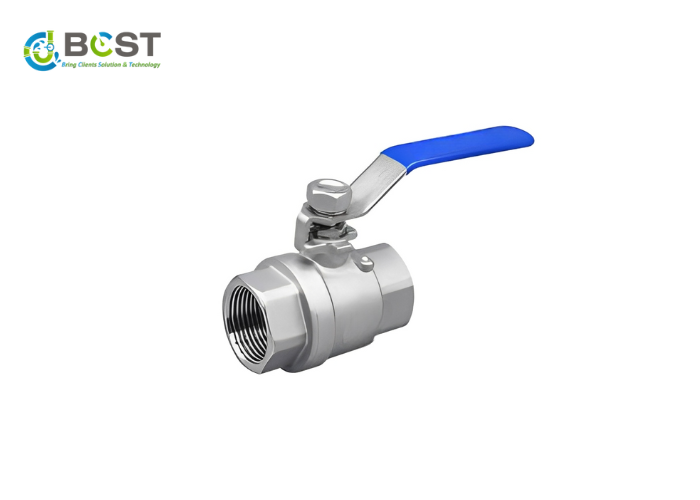
1 ball valve
Envoyer une demande de renseignements
Vannes à bille pneumatiques
Envoyer une demande de renseignements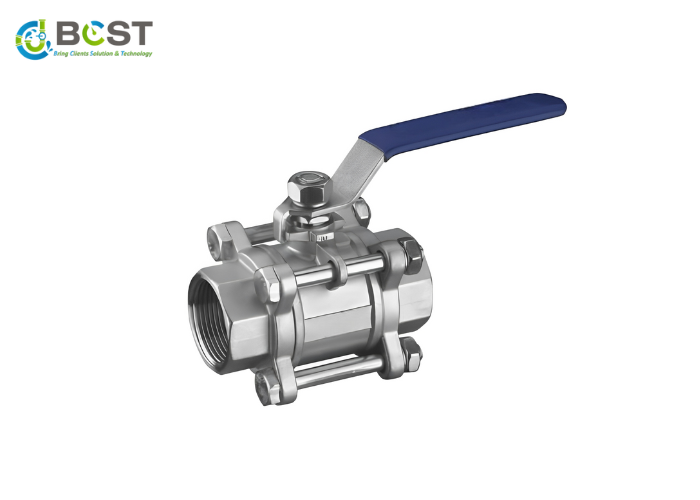
3-way ball valve
Envoyer une demande de renseignements
Robinet à bille flottant
Envoyer une demande de renseignements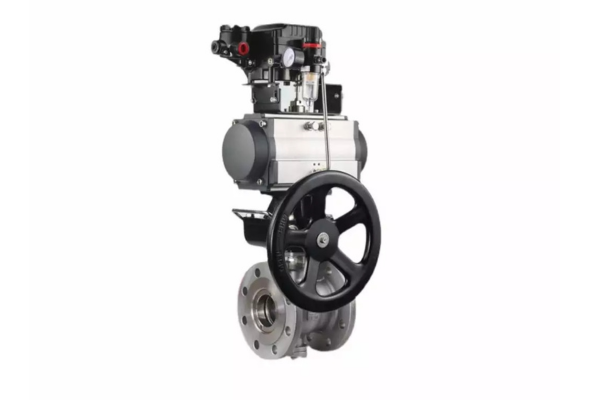
Robinet à boisseau sphérique à segment
Envoyer une demande de renseignementsBCST Floating Ball Valve Quality Control

Conception

Floating Ball Valve Test

Floating Ball Valve Body Stock

Inspection des perspectives

Floating Ball Valve Machining

Floating Spart Part Test

Inspection des matières premières

Floating Ball Valve Packing
Obtenez le dernier catalogue dès maintenant !
BCST One-Stop Floating Ball Valve Solution from China

- Pre-commissioning is typically performed at the factory, but secondary commissioning may be necessary based on engineering requirements
- Valve adjustment is performed through lever handle or gear operation, with clockwise stem rotation shutting the valve
- Check valve operation by stroking it to “fully open” and “fully closed” positions to verify proper functioning
- For gear operated valves, adjust the threaded “OPEN” and “CLOSED” travel stops by observing ball port and stem flats
- Position indication can be determined by the hand lever direction, parallel flats on the stem top, or arrow-indicators on gear operated valves
- Before testing, ensure the entire pipeline system is free from dirt and impurities
- Use only clean water when performing hydraulic pressure testing of the valve
- Test pressure should not exceed 1.5 times the rated or allowable operating pressure of the ball valve
- For hydrostatic seat testing, apply 1.1 times Maximum Operating Pressure (MOP) with no leakage permitted
- Test durations are 2 minutes for 4″ and under valves, 5 minutes for 6″ and larger valves
- Apply test pressure successively to both sides of closed valve with the other side open to atmosphere
- For valves without body vent or drain connection, install a control system to measure pressure upstream and downstream
- After testing, fully depressurize the valve
- If torque requirements increase and don’t stabilize, check for debris between stem and bonnet flange or objects trapped between seats and ball
- Packing may need adjustment if valve leaks around the stem or if the stem feels loose during operation
- External leaks can be addressed by replacing body gaskets and verifying bolt tightening torque
Features of Floating Ball Valves
- Conception: Quarter-turn valves with a hollow, perforated, pivoting ball for flow control.
- Floating Mechanism: Ball is suspended in the medium, sealed by compression of two seats.
- Natural Line Pressure: Utilizes pressure to seal the ball against the downstream seat, ensuring a tight seal.
- Avantages:
- Simple construction
- Compact size
- Lightweight properties
- Durabilité: Reliable performance over many operational cycles; maintains closure after extended disuse.
- Bi-Directional Sealing: Effectively stops flow from either direction.
- Sealing Materials: Typically uses elastomeric or plastic materials for excellent sealing performance with minimal torque.
- Mécanisme de fonctionnement: Requires only a 90-degree turn to fully open or close.
- Configurations: Available in one-piece, two-piece, and three-piece designs for versatility.
- Maintenance: Straightforward construction allows for easy maintenance and repair.

Applications of Floating Ball Valves
- Industry Usage: Commonly used in oil and gas, petrochemical, water treatment, and process manufacturing sectors.
- Pression et température: Suitable for moderate to high pressures and temperatures; not recommended for extremely large sizes under high pressure.
- Industrie du pétrole et du gaz:
- Critical for upstream and downstream operations.
- Functions as flow control devices for precise regulation of fluid flow rates.
- Ideal shut-off valves with exceptional sealing properties to prevent leaks.
- Pressure Regulation: Maintains consistent pressure in pipeline systems, especially in offshore oil and gas production.
- Résistance à la corrosion: Robust design withstands corrosive environments and harsh chemicals.
- High-Temperature Performance: Maintains functionality under extreme thermal conditions.
- Traitement de l'eau: Reliable for controlling and directing water flow in treatment systems.
- Polyvalence: Capable of stopping, distributing, and altering liquid flow direction in complex pipeline networks.
- Industry Prevalence: Combination of reliable sealing, ease of operation, and versatility makes floating ball valves one of the most common valve types in the piping industry.
BCST Expert Floating Ball Valve Supplier in China
BCST has advanced Ball Valve with its very own specifications that meet the maximum vital primary concepts of process control. Our products are CE, SIL2 and RoHS approved. BCST is one of the main dependable and strong Ball Valve producers in China. If you’re trying to find a skilled producer for your subsequent project, with robust technical heritage, an expert team, and budget-pleasant merchandise, BCST is your most appropriate choice.
FAQ
1. What is the difference between floating ball valve vs trunnion ball valve?
BCST Floating ball valves utilize a ball that “floats” and moves with line pressure to create seals against valve seats. Trunnion mounted ball valves secure the ball on fixed pins (trunnions) at top and bottom, preventing movement. Floating designs are more economical for smaller applications, while trunnion designs handle higher pressures and larger sizes. The trunnion vs floating ball valve distinction is critical when selecting valves for industrial applications, as floating designs typically work best up to 6″ sizes while trunnion mounted valves are preferred for larger diameters and higher-pressure systems.
2. What is the purpose of a ball float valve?
BCST Ball float valves automatically regulate water levels in tanks and containers. A Floating Ball Valve for Water Tank connects to a float arm that rides on the water’s surface, closing the valve when the desired level is reached. These valves are essential for maintaining consistent water levels without human intervention, making them ideal for water tanks in residential, commercial, and industrial applications.
3. What are the disadvantages of a floating ball valve?
Floating ball valves have limitations regarding size and pressure handling capability compared to trunnion designs. As valve size increases, the seats may struggle to support the ball against high pressure. They’re not recommended for throttling applications as partial opening causes uneven seat wear. When comparing floating ball valve vs ball valve designs of other types, they may also experience higher friction in high-temperature fluctuations or with abrasive media, potentially shortening service life.
4. What is the use of a floating valve?
Floating ball valves excel in applications requiring reliable shut-off capabilities across industries including oil and gas, petrochemical, water management, and general industrial systems. Their quarter-turn operation provides quick and efficient flow control. Different floating ball valve types are available to suit various application requirements, including reduced-bore and full-bore designs. They’re particularly valuable for applications demanding durable, low-maintenance operation while providing tight seals even after extended periods.
5. How do floating ball valves seal?
Floating ball valves create seals through an ingenious pressure-assisted mechanism. The valve design allows line pressure to push the floating ball against the downstream seat, forming a pressure-enhanced seal that becomes more effective as pressure increases. A floating ball valve diagram would show how the ball pivots between two seats, with the downstream seat providing the primary seal. The floating design ensures optimal alignment with seats, compensating for minor wear and manufacturing variances.
6. What are some common problems with float valves?
Common float valve issues include leaking due to worn seals, mineral deposits affecting operation, and misalignment of the float arm. Valves may become stuck in open or closed positions due to debris or corrosion. Float balls sometimes develop leaks, causing them to partially fill with water and lose buoyancy. Float valve replacement becomes necessary when these issues cannot be resolved through routine maintenance. Regular inspection and cleaning can prevent many of these problems from developing.
7. Where should a float valve be installed?
Float valves should be installed in water tanks where automatic level regulation is required. They typically mount through the tank wall or at the top, with the float arm positioned inside to ride on the water surface. Proper installation ensures unrestricted movement of the float arm and accessibility for maintenance. For optimal performance in residential and commercial systems, position the valve to allow complete functionality while maintaining easy access for future adjustments or replacement.
8. What is the difference between a float switch and a float valve?
Float switches and float valves both respond to liquid levels but serve different functions. A float valve physically controls fluid flow by opening or closing a valve mechanism as liquid levels change. A float switch activates electrical circuits or sends signals to control systems when liquid reaches certain levels but doesn’t directly control flow. Float valves handle mechanical flow control while switches manage electrical signaling functions.
9. How long do float valves last?
High-quality float valves can provide reliable service for 10-15 years when properly maintained. The life expectancy of a ball valve is typically 15-20 years in normal industrial applications. Factors affecting longevity include construction quality, operating conditions, and maintenance practices. Modern designs from reputable floating ball valve manufacturers offer extended service lives, particularly those utilizing corrosion-resistant materials and advanced sealing technologies.
10. How do you adjust a floating valve?
Adjusting a floating valve typically involves modifying the float arm position to change the water level at which the valve closes. For most water tank float valves, this requires bending the metal float arm slightly. Lowering the arm causes the valve to shut off at a lower water level, while raising it allows water to reach higher levels before closure. Some modern designs feature adjustable mechanisms with thumbscrews or other adjustment points that don’t require bending the arm.
11. Do ball valves ever leak?
Ball valves can develop leaks despite their reputation for reliable sealing. Leakage typically occurs either through the valve (past the ball-seat interface) or around the stem. Common causes include worn seats, debris between the ball and seats, surface damage, or misalignment. Environmental factors like thermal cycling or corrosive media can accelerate wear. Regular maintenance and prompt floating ball valve replacement of worn components prevent minor leaks from becoming significant problems.
12. Who are the leading floating ball valve manufacturers?
BCST group is one of the leading floating ball valve manufacturers. BCST group produce various floating ball valve types for applications across industries. Premium manufacturers offer valves in diverse materials including carbon steel, stainless steel, and specialized alloys for aggressive environments. When selecting a manufacturer, consider their reputation for quality, range of available products, and after-sales support.
Prenez contact avec nous
Tell us your specs; our engineer will reply within 24 hours.
 English
 Arabic
 Russian
 French
 Spanish