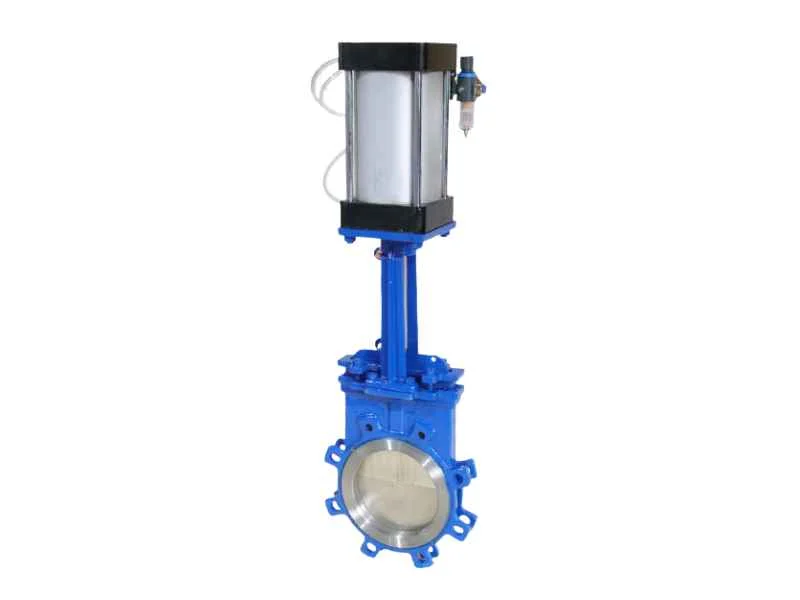
Knife Gate Valves
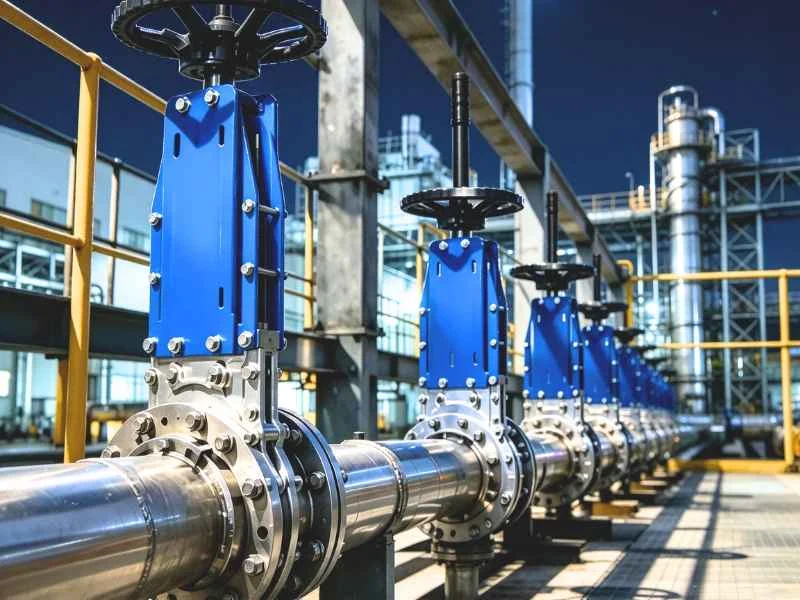
Isolation valves for slurry, wastewater, pulp, powder, and media containing suspended solids.- Unidirectional or bidirectional sealing
- Wafer and lugged designs
- Manual or automated operation

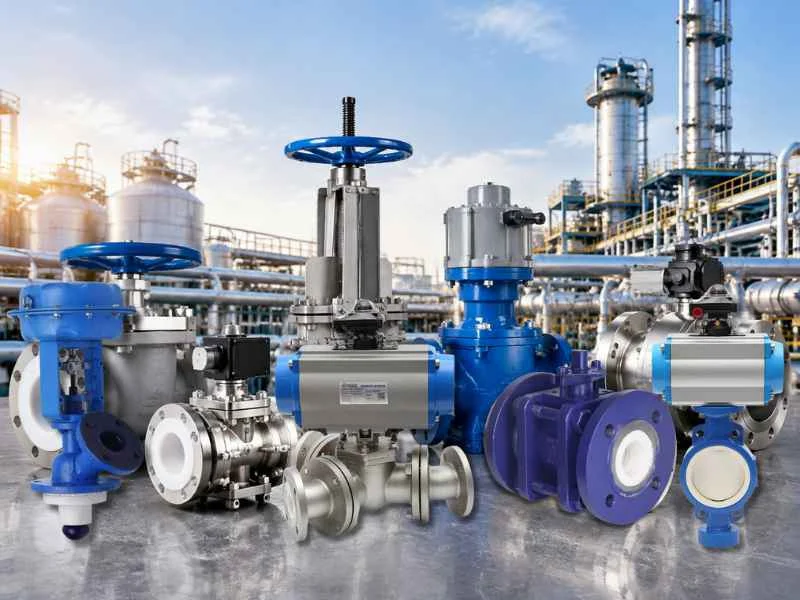
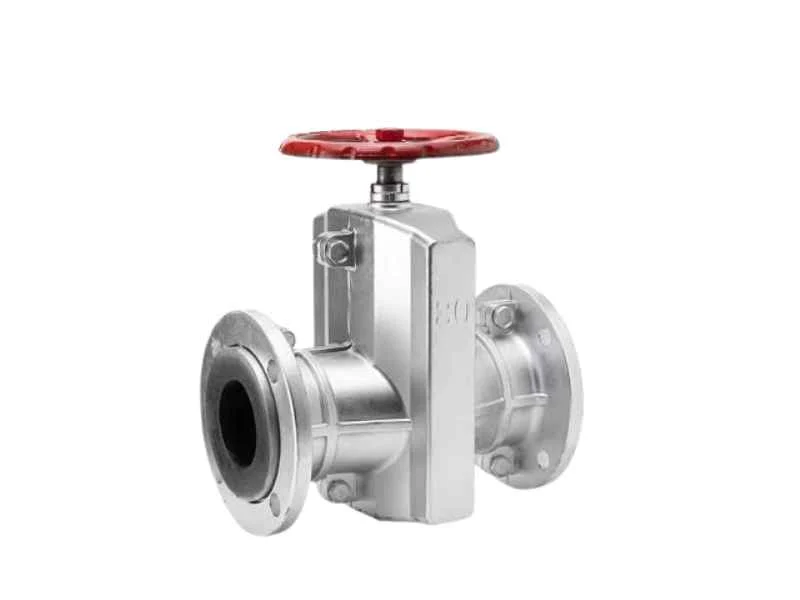
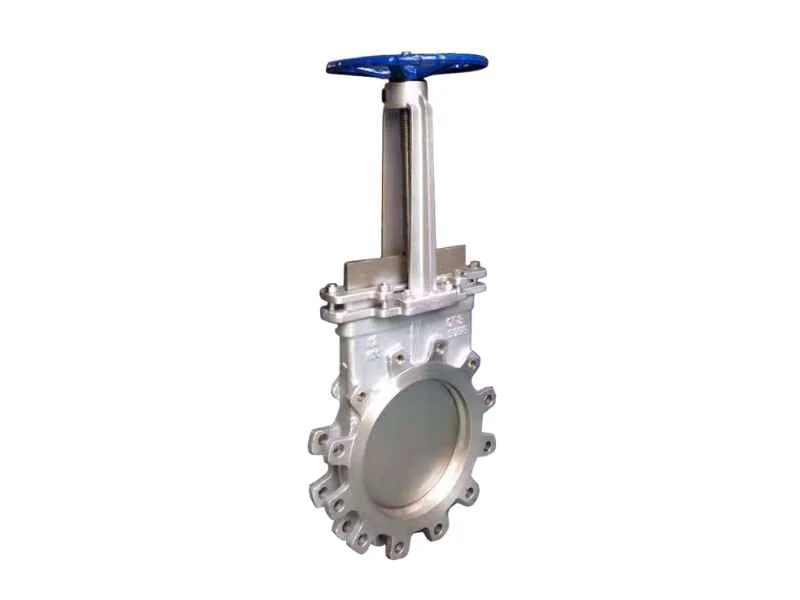
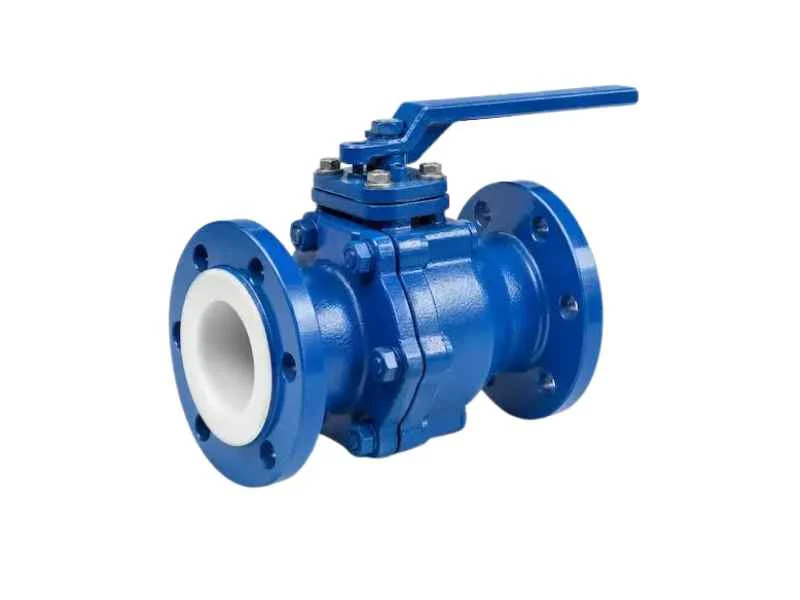
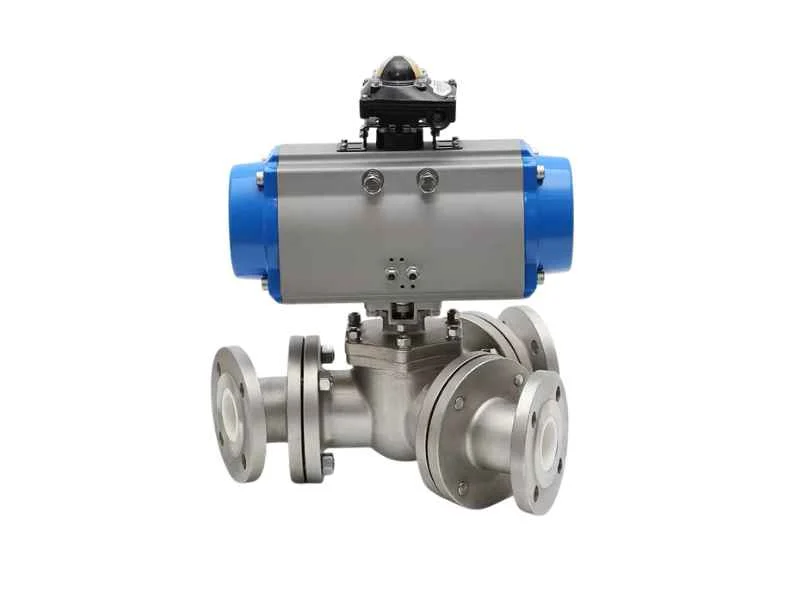
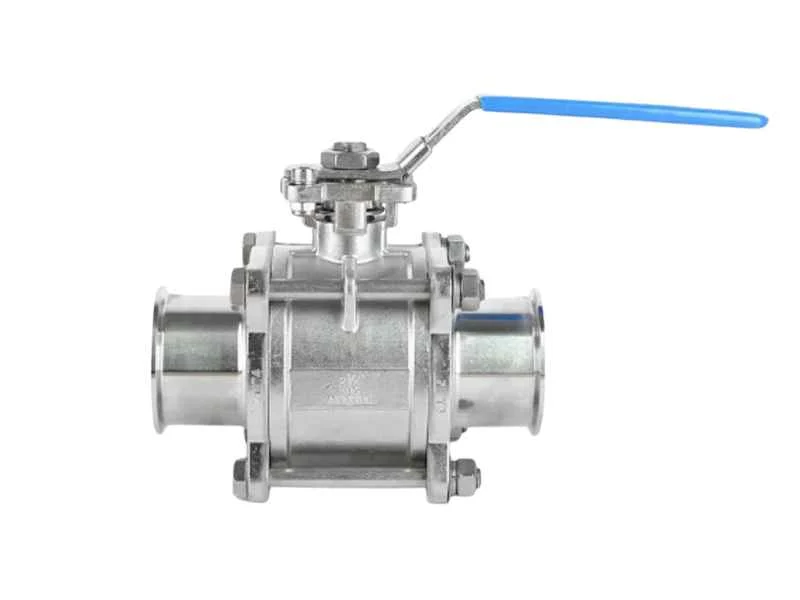
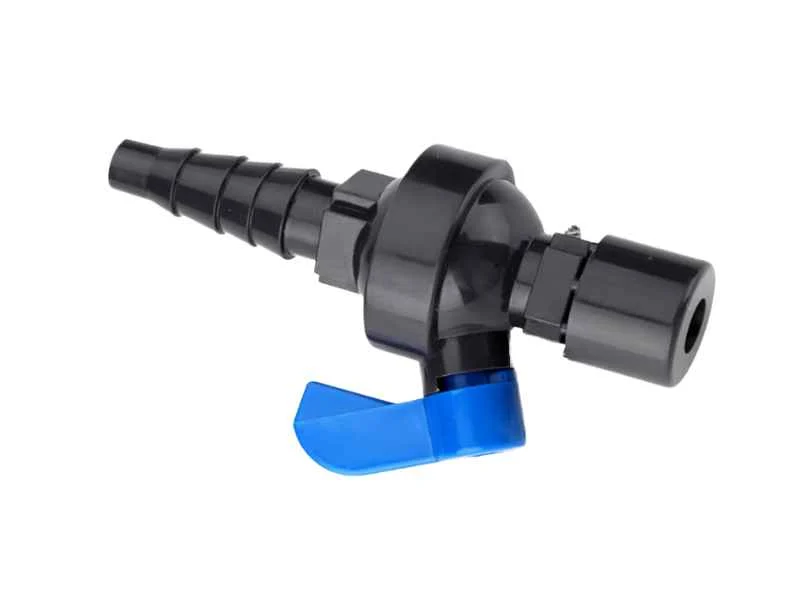
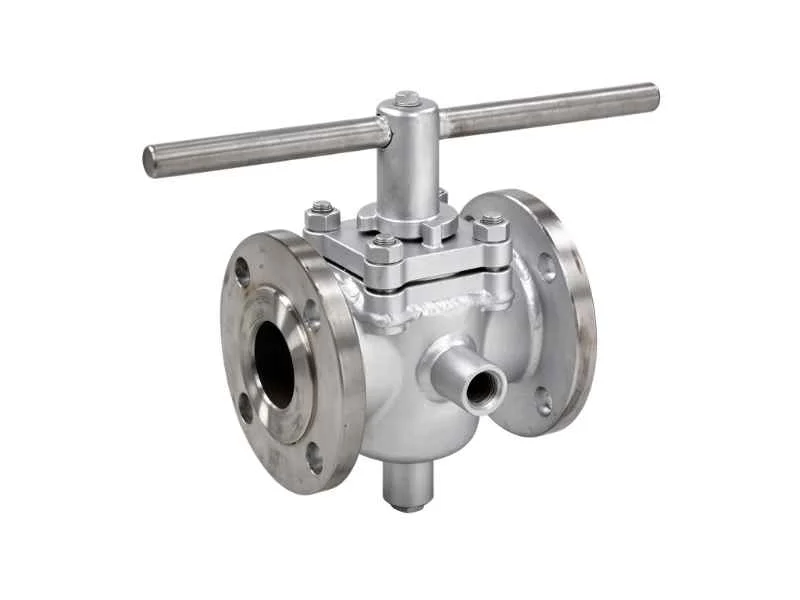
| Type de vanne | Primary Challenge | Typical Media | Common Industries |
|---|---|---|---|
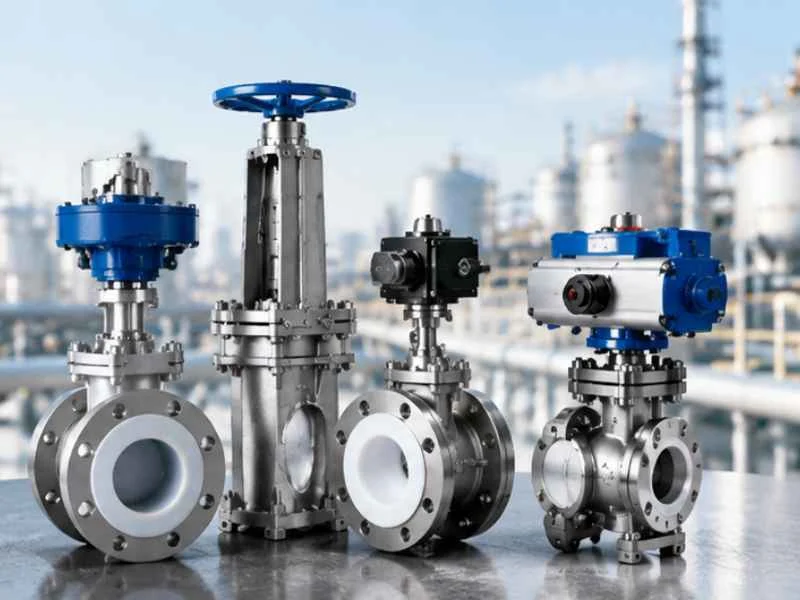
| Vanne à guillotine | Isolation with suspended solids | Slurry, pulp, sludge, wastewater, and powder | Mining, water treatment, pulp and paper |
| Valve à pincement | Abrasion, clogging, or corrosion | Slurry, granules, powders, and chemicals | Mineral processing and pneumatic conveying |
| Slurry Valve | Severe erosion and wear | Mineral slurry and solids-containing fluids | Mining, tailings, and mineral processing |
| Lined Valve | Chemical corrosion | Acids, alkalis, solvents, and corrosive chemicals | Chemical and pharmaceutical processing |
| Ceramic Valve | Severe abrasion | Ash, powder, granules, and abrasive slurry | Power, mining, cement, and conveying |
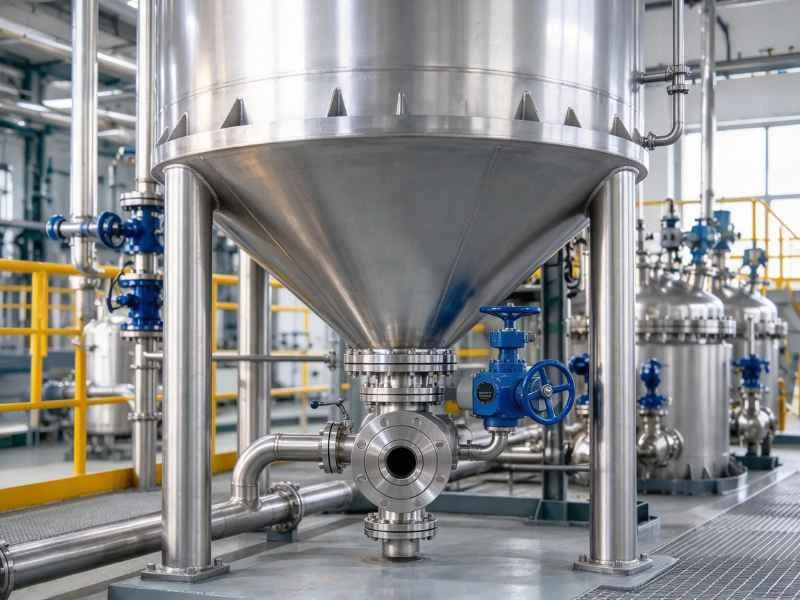
| Tank Bottom Valve | Efficient vessel discharge | Liquids, viscous media, and process mixtures | Chemical, food, and process manufacturing |
| Sampling Valve | Controlled process sampling | Liquids, gases, and process mixtures | Chemical, pharmaceutical, and refining |
| Jacketed Valve | Temperature-sensitive flow | Viscous, crystallizing, or solidifying media | Chemical, bitumen, sulfur, and food processing |
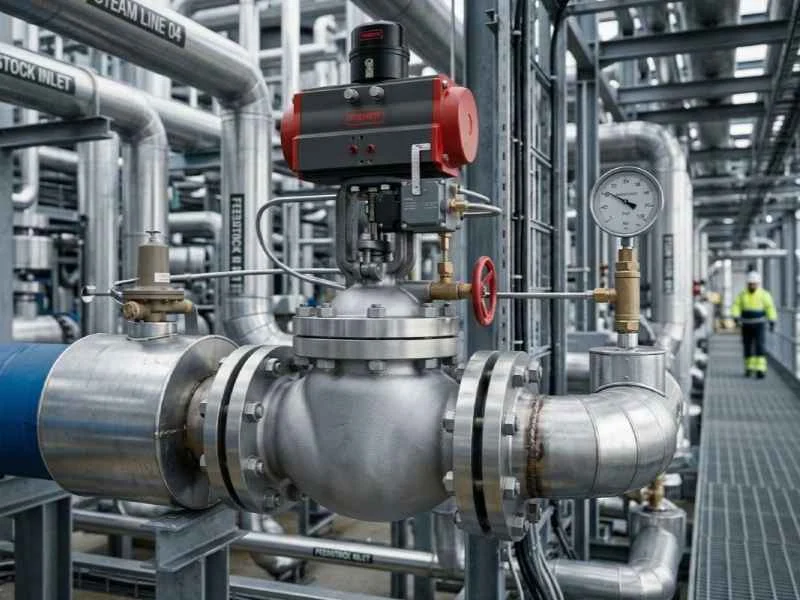
| Selection Factor | Why It Matters |
|---|---|
| Medium Composition | Determines chemical compatibility and suitable body, lining, sleeve, seat, and sealing materials. |
| Solids Content | Affects flow-path design, body cavities, sealing arrangement, wear rate, and operating force. |
| Particle Size and Hardness | Influences abrasion resistance, internal clearances, component thickness, and material selection. |
| Température | Affects material strength, elastomer compatibility, thermal expansion, and jacket requirements. |
| Operating Frequency | Influences actuator sizing, wear components, maintenance intervals, and expected service life. |
| Fail Position | Determines actuator configuration and the required response during loss of power or control signal. |
| Material Solution | Primary Benefit | Selection Consideration |
|---|---|---|
| Acier inoxydable | General corrosion resistance | Compatibility should be confirmed for the actual chemical concentration and temperature. |
| Duplex Stainless Steel | Higher strength and chloride resistance | Suitable for selected seawater, chemical, and chloride-containing services. |
| Elastomer Sleeve or Lining | Corrosion and abrasion protection | Elastomer type must match the medium, temperature, pressure, and mechanical duty. |
| Fluoropolymer Lining | Resistance to aggressive chemicals | Temperature, pressure, permeability, and vacuum conditions should be reviewed. |
| Ceramic Components | High abrasion and erosion resistance | Impact, thermal shock, pressure, and installation conditions must be considered. |
| Special Alloy | Application-specific corrosion resistance | Selection should be supported by complete process data and project requirements. |
 English English
 Arabic
 Russian
 French
 Spanish