
Leaky faucets wasting water? Constant repairs draining your budget? A ball valve faucet solves these common plumbing headaches with a simple, durable design that delivers quick shut-off, long life, and minimal maintenance.
What is a ball valve faucet?
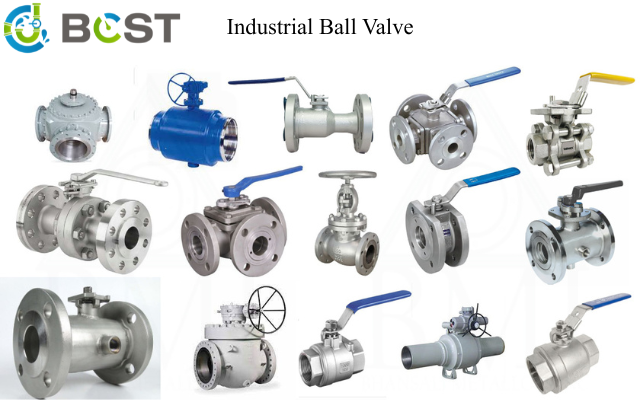
A ball valve faucet uses a pivoting hollow ball with a bore to control flow. A quarter-turn (90°) of the handle aligns or blocks the bore, giving instant on/off control, superior sealing, and long service life.
How does a ball valve faucet work?
A ball valve faucet contains a spherical ball inside a valve body. The handle connects to the stem and rotates the ball. When the ball’s hole lines up with the inlet and outlet, water flows freely. Turn the handle 90° and the solid side of the ball blocks flow completely. This quarter-turn action reduces wear, lowers pressure drop, and prevents drips common in older designs.

Ball valve faucet vs. other valve types — what’s the difference?
Ball valves outperform many valve types for everyday plumbing needs. Below is a quick comparison to help you choose:
| Fonctionnalité | Ball Valve Faucet | Vanne à guillotine | Robinet à soupape | Compression Faucet |
|---|---|---|---|---|
| Fonctionnement | Quarter-turn (90°) | Multi-turn | Multi-turn | Multi-turn |
| Shut-off speed | Instant | Slow | Modéré | Slow |
| Leak resistance | Haut | Modéré | Variable | Low |
| Durabilité | Excellent | Bon | Fair | Fair |
| Maintenance | Low | Modéré | Haut | Haut |
Why ball valves win: faster shut-off, fewer moving parts, and robust seats that resist scaling and wear. They’re ideal where instant isolation and low maintenance matter.

Where are ball valve faucets used?
Ball valve faucets work across residential, commercial, and industrial settings.
Residential
-
Kitchen and bathroom sink valve cartridges.
-
Outdoor hose bibs and garden spigots (look for outdoor ball valve faucet and frost-proof designs).
Industriel
-
High-pressure lines, chemical plants, and oil/gas installations where quick isolation and leak control are required. (Note: gasoline/fuel service requires special fire-safe, metal-seated valves and certifications.)
Emergency systems
-
Main shut-offs and fire-protection lines benefit from instant operation.
How to maintain and fix a ball valve faucet
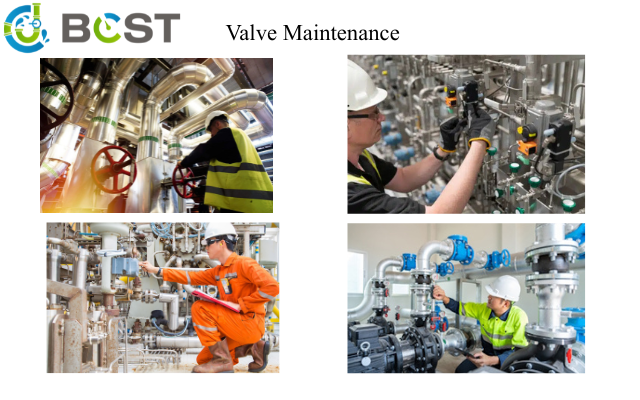
Proper care extends service life to 10–20+ years.
Quick maintenance checklist
-
Shut off supply. Close upstream valve and relieve downstream pressure.
-
Inspect annually. Check handle action and look for leaks.
-
Clean seats and ball. Remove mineral build-up with vinegar or manufacturer-approved cleaners.
-
Lubricate seals. Use food-grade silicone grease on O-rings (avoid petroleum greases unless specified).
-
Replace worn parts. O-rings and seats are common service items; use OEM or compatible repair kits.
How to fix common problems
-
Leaky ball valve faucet: Replace worn seats or O-rings with a repair kit. Ensure seats seat squarely and torque fasteners to spec.
-
Stiff handle / tight packing nut: Slightly loosen packing nut and apply silicone lubricant to stem; do not over-tighten.
-
Complete failure or corrosion: Replace with appropriate material valve (stainless steel for corrosive environments).
Material selection: which is best for your use?
-
Laiton : Best balance of cost, durability, and corrosion resistance for most homes.
-
Acier inoxydable : Use in coastal, chemical, or high-temperature environments.
-
PVC / CPVC: Lightweight and affordable for irrigation and low-pressure outdoor systems.
-
Special fuel/gas valves: Require metal bodies, fire-safe seats (API/UL ratings), grounding/anti-static measures, and certified materials — do pas substitute standard valves for fuel handling.
Why choose a ball valve faucet? (Short recap)
-
Leak-resistant design : fewer failure points.
-
Instant quarter-turn shut-off :fast response in emergencies.
-
Low maintenance and long lifespan : reduces total cost of ownership.
-
Versatile materials : options for home, outdoor, coastal, and industrial use.
FAQ
Q: What is a ball valve faucet used for?
A: Instant on/off control in sinks, hose bibs, machine hookups, emergency shutoffs, and industrial lines.
Q: Can I use a ball valve faucet outdoors?
A: Yes. Choose frost-proof or weatherized models for freeze regions.
Q: How long do ball valve faucets last?
A: With proper maintenance, typically 10–20 years or more.
Q: Is a ball valve better than a gate valve?
A: For fast isolation and frequent use, yes — ball valves are quicker and less leak-prone.


 English
 Arabic
 Russian
 French
 Spanish