
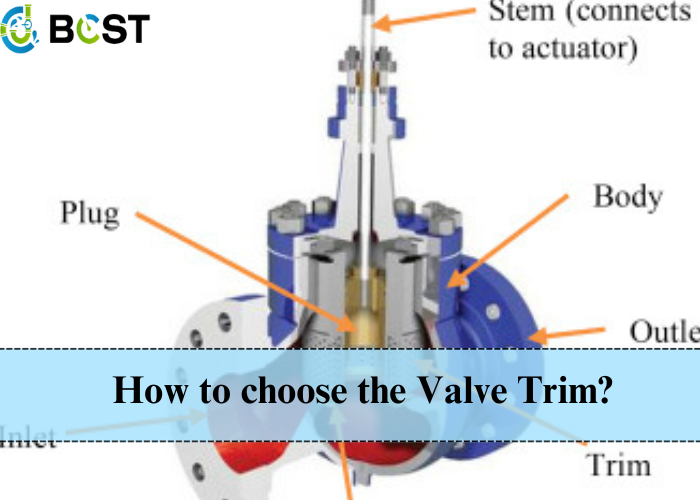
الصمامات تلعب دورًا حيويًا في أنظمة التحكم الصناعية، حيث تقوم بتنظيم التدفق والضغط ودرجة الحرارة وغيرها من المعلمات الأخرى للسوائل (مثل الغاز أو السائل أو الجسيمات الصلبة). إن حافة الصمام (مثل قلب الصمام، ومقعد الصمام، وما إلى ذلك) هي المكون الأساسي للصمام، مما يؤثر بشكل مباشر على الختم ودقة الضبط وعمر خدمة الصمام. لذلك، يمكن أن يؤدي اختيار حافة الصمام الصحيحة إلى تحسين كفاءة الإنتاج، وتقليل تكاليف صيانة المعدات، وتحسين سلامة النظام. تقدم هذه المقالة بإيجاز صمام التشذيب ونقاط اختياره في ظل ظروف عمل مختلفة.
1. تكوين الصمامات ووظيفتها
The valve trim mainly includes the valve core, valve seat, seal, spring, etc. These parts complete the valve’s switching, regulating, and sealing functions.
1.1 قلب الصمامات 1.1
The valve core is the core component of the valve, which controls the flow of fluid. The shape, material, and structure of the valve core directly affect the valve’s flow characteristics. Common valve core materials include stainless steel, copper alloy, and high-performance plastic.
1.2 مقعد الصمام 1.2
The valve seat is the sealing surface that the valve core contacts. Its function is to ensure the valve’s sealing and prevent the medium’s leakage. The material of the valve seat is usually selected according to the working conditions. Common ones include metal valve seats (such as stainless steel, brass, etc.) and soft-sealing valve seats (such as rubber, polytetrafluoroethylene, etc.).
1.3 الأختام
تستخدم موانع التسرب بشكل أساسي لمنع تسرب السوائل من خلال الصمامات. واعتمادًا على ظروف العمل، يمكن أن تكون الأختام لينة أو صلبة. تتميز الموانع اللينة (مثل المطاط، PTFE، إلخ) بأداء جيد ومناسبة لظروف الضغط المنخفض ودرجات الحرارة المنخفضة؛ أما الموانع الصلبة (مثل الموانع المعدنية) فهي مثالية لدرجات الحرارة العالية والضغط العالي والبيئات شديدة التآكل.
1.4 الربيع
يحافظ الزنبرك على قوة الختم بين قلب الصمام والمقعد، مما يضمن أن يحافظ الصمام على حالة ختم مستقرة أثناء التشغيل. يجب أيضًا اختيار قوة النابض ومادته وفقًا لظروف العمل.
2. الاعتبارات الرئيسية لاختيار تقليم الصمامات
عند اختيار قطع الصمام، يجب مراعاة العديد من العوامل، بما في ذلك نوع السائل وظروف التشغيل وتوافق المواد ومتطلبات أداء النظام. فيما يلي بعض عوامل الاختيار الرئيسية:
2.1 الخواص العازلة
سيؤثر نوع الوسيط (مثل الغاز أو السائل أو الصلب)، والتآكل، واللزوجة، ومحتوى الجسيمات، وغيرها من الخصائص الأخرى بشكل مباشر على اختيار حلية الصمام. على سبيل المثال، تتطلب الوسائط المسببة للتآكل اختيار مواد مقاومة للتآكل مثل الفولاذ المقاوم للصدأ، والهاستيلوي، وما إلى ذلك؛ وقد تتطلب الوسائط عالية اللزوجة نوى صمامات ومقاعد صمامات مصممة خصيصًا.
2.2 ضغط العمل ودرجة الحرارة
تحتاج الصمامات إلى العمل ضمن نطاق ضغط ودرجة حرارة محددين، لذلك يجب أن تكون مادة حافة الصمام قادرة على تحمل هذه الظروف. على سبيل المثال، يجب اختيار مواد مقاومة لدرجات الحرارة العالية مثل سبائك الصلب أو السيراميك؛ وفي أنظمة الضغط العالي، يجب أن تتمتع حواف الصمامات بقوة ميكانيكية ميكانيكية.
2.3 خصائص التدفق
Different flow characteristics (linear, equal percentage, quick opening, etc.) suit different control requirements. The shape and design of the valve core determine the valve’s flow characteristics. Therefore, it is essential to choose the appropriate flow characteristic. For example, an equal percentage valve core is usually selected when the flow regulation requirements are high.
2.4 متطلبات الختم
Select the appropriate sealing form (soft seal or hard seal) according to the system’s leakage requirements. Soft seals can be selected if strict sealing performance is required, but hard seals are usually more durable under high temperature or high-pressure conditions.
2.5 توافق المواد
يجب أن تكون مادة حافة الصمام مقاومة للتآكل والتآكل. الوسائط المختلفة لها متطلبات مختلفة للمواد. على سبيل المثال، عادةً ما تتطلب الوسائط المسببة للتآكل في الصناعة الكيميائية سبيكة Hastelloy أو سبائك التيتانيوم، بينما يمكن لأنظمة معالجة المياه العادية استخدام الفولاذ المقاوم للصدأ أو النحاس الأصفر.
3. اختيار حواف الصمامات لمختلف أنواع الصمامات
الأنواع المختلفة من الصمامات لها متطلبات مختلفة لحواف الصمامات. وفيما يلي عرض للنقاط الرئيسية لاختيار حواف الصمامات للعديد من الصمامات القياسية.
3.1 صمام الكرة
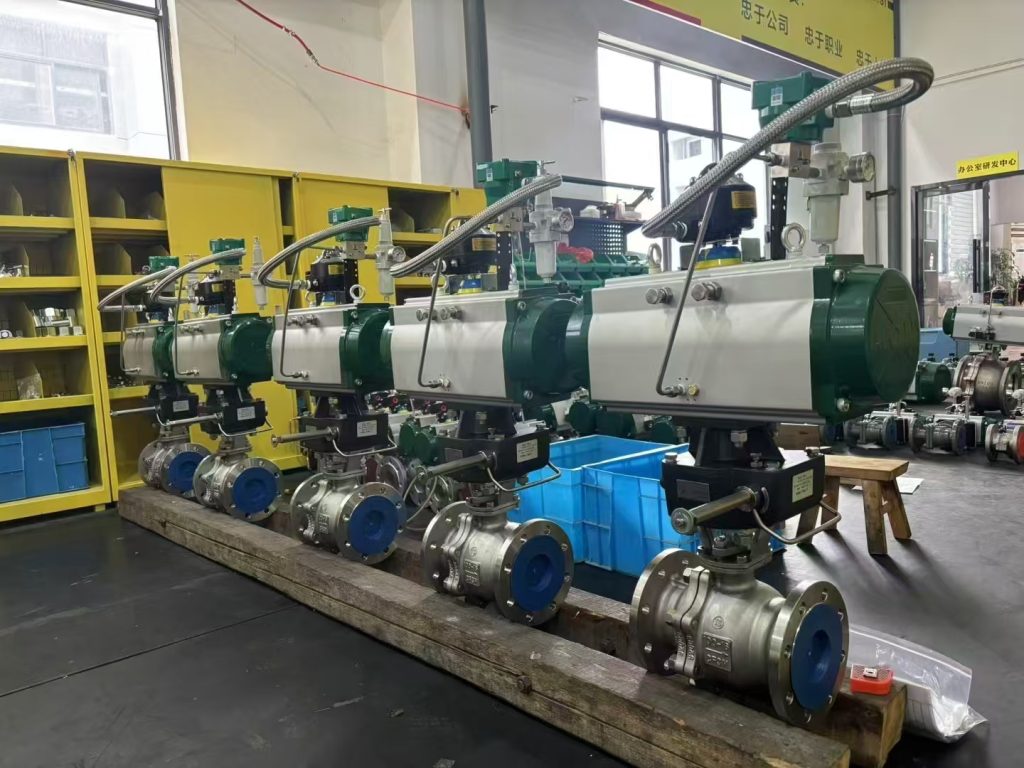
Ball valves are widely used in various working conditions due to their simple structure, good sealing, and fast switching capabilities. The valve core of a ball valve is a spherical structure. The ball’s material is usually stainless steel or carbon steel, and the surface is chrome-plated or nickel-plated to improve corrosion resistance and wear resistance.
عادةً ما يكون مقعد الصمام مصنوعًا من مواد مانعة للتسرب ناعمة (مثل PTFE) أو مواد مانعة للتسرب معدنية (مثل الفولاذ المقاوم للصدأ). يتم اختيار مادة مقعد الصمام المناسبة وفقًا لخصائص الوسيط. في درجات الحرارة العالية أو الضغط العالي أو الوسائط المسببة للتآكل، تُظهر الصمامات الكروية المانعة للتسرب المعدنية موثوقية ومتانة أقوى.
3.2 صمام البوابة
Gate valves are usually used to open or close fluid channels fully and are suitable for occasions where frequent operation is optional for a short time. The valve core (gate) of the gate valve is usually made of stainless steel or cast iron. The gate’s surface can be chrome-plated or used in other anti-corrosion treatments according to the medium’s corrosiveness and temperature requirements. The valve seat can be made of metal or soft sealing materials to meet different working conditions.
3.3 صمام التحكم
The control valve is used to accurately control the flow, pressure, and temperature of the fluid, and the design of the valve core and valve seat is critical. The control valve’s valve core material is usually corrosion-resistant (such as stainless steel, Hastelloy, etc.), and the seal is selected as a soft seal or hard seal according to the working conditions.
3.4 صمام الفراشة
يتحكم صمام الفراشة في تدفق السوائل عن طريق تدوير قرص الفراشة وهو مناسب لأنظمة خطوط الأنابيب ذات القطر الكبير. عادةً ما يكون قلب الصمام ومقعده مصنوعين من مواد مقاومة للتآكل والتآكل مثل المطاط أو الفولاذ المقاوم للصدأ أو سبائك الصلب، وهي مناسبة لمعالجة المياه وأنظمة التدفئة والصناعات الكيميائية.
4. اتجاه تطوير مواد جديدة لحواف الصمامات
With the continuous advancement of industrial technology, the materials and designs of valve trims are also evolving. New materials (such as ceramics, titanium alloys, carbon fiber composites, etc.) have been introduced into valve manufacturing in recent years. These materials have stronger corrosion resistance, wear resistance, and high-temperature tolerance, which can further improve valves’ performance and service life. In addition, applying 3D printing technology also provides more innovative possibilities for valve design.
5. الخاتمة
The valve trim is the most critical component of the valve, and its selection directly affects its performance and life. When selecting valve trim, it is necessary to comprehensively consider factors such as the type of medium, working pressure and temperature, flow characteristics, sealing requirements, and the material’s corrosion and wear resistance. By selecting the appropriate valve trim material and structure, it is possible to ensure long-term stable operation under harsh working conditions, improve production efficiency, and reduce maintenance costs.
ومع تطور التكنولوجيا الصناعية، فإن الظهور المستمر للمواد والتقنيات الجديدة سيوفر المزيد من الخيارات لتصميم الصمامات وتصنيعها، وبالتالي زيادة تحسين أدائها وموثوقيتها.


 English
 Arabic
 Russian
 French
 Spanish