
Engineering Services
Custom Engineering for Industrial Flow Solutions
BCST supports customers from initial application review through product, material and configuration selection. By evaluating the actual process conditions before quotation, we help reduce selection risk and identify a practical solution for the plant.
- Preliminary operating-condition assessment
- Product type and size recommendation
- Pressure rating and connection review
- Material compatibility assessment
- Custom dimensions, coatings and actuator configurations
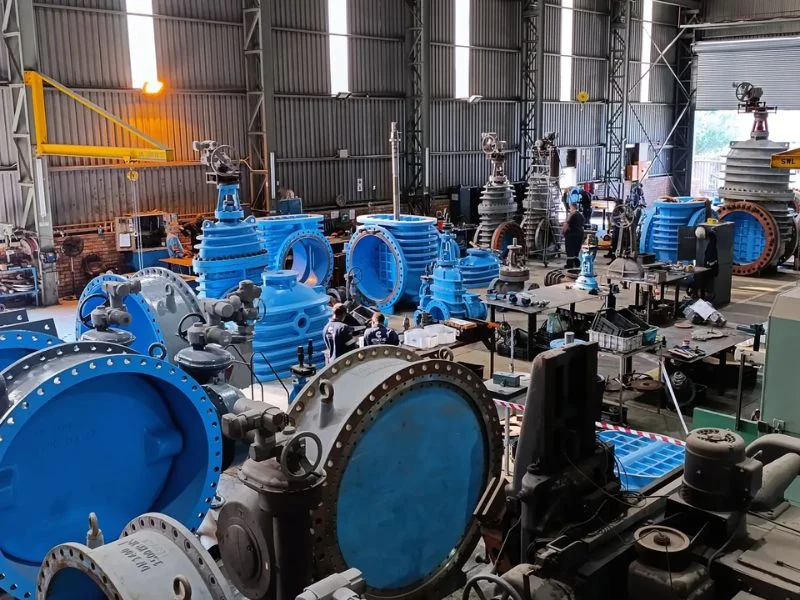
Review the Application
Understand the medium, flow, pressure, temperature and installation.
Select the Product
Confirm the type, size, rating, connection and accessories.
Match the Materials
Evaluate corrosion, abrasion, temperature and process compatibility.
Customize the Design
Adapt dimensions, interfaces, coatings and actuation to the project.
Engineering Workflow
From Process Data to a Confirmed Configuration
A structured review keeps the product recommendation aligned with the process, piping and operating requirements.
1. Application Review
BCST evaluates the supplied process and installation data to identify the main operating risks.
2. Product Selection
Product type, nominal size, pressure rating and connection are prepared for confirmation.
3. Material Selection
Body, trim, liner, seat, gasket and coating materials are reviewed for the process.
4. Custom Engineering
Special dimensions, interfaces, accessories and actuator arrangements are defined where required.
Application Review
Start with the Actual Operating Conditions
The customer provides the fundamental process and installation information. BCST uses these inputs for a preliminary assessment of product suitability, material risks and configuration requirements.
Customer-Supplied Data
- متوسط: composition, concentration and physical properties
- Flow: normal, minimum and maximum flow rate
- ضغط: operating, design and differential pressure
- درجة الحرارة: normal, minimum, maximum and upset conditions
- الحجم: pipe, duct, tank nozzle or equipment connection
- Installation condition: orientation, space, environment and access
The preliminary review supports product selection but does not replace the customer’s final system design or required project approval.

Data Requirements
What Each Process Input Helps Determine
| Customer Input | Engineering Question | Selection Impact |
|---|---|---|
| متوسط | Is it corrosive, abrasive, viscous, toxic or solids-bearing? | Product design, material, lining and sealing system |
| تدفق | What capacity and velocity must the product handle? | Nominal size, pressure loss and internal geometry |
| ضغط | What loads and pressure differential will occur? | Pressure rating, body strength, trim and actuator size |
| درجة حرارة | Will heat or cold affect strength, sealing or operation? | Material grade, seat, packing, extension and insulation |
| الحجم | What pipeline, duct or nozzle interface must be matched? | Product dimensions, connection and support requirements |
| Installation Condition | Are orientation, access, vibration or weather important? | Actuator position, nozzle orientation, coating and accessories |
Identify the Risk
Determine whether corrosion, abrasion, blockage, leakage or temperature dominates.
Confirm the Function
Define isolation, regulation, diversion, filtration or safety duty.
Design for the Site
Adapt the product to piping, controls, access and environmental conditions.
Product Selection
Confirm the Complete Product Configuration
BCST helps organize the technical choices that must be confirmed before manufacturing and project approval.
يكتب
Select the product family and operating principle that best match the process function.
- Valve, damper, strainer or filter
- Isolation, control or protection duty
- Manual or automated design
الحجم
Confirm the nominal size from capacity, velocity, pressure loss and connecting equipment.
- Pipe or duct dimensions
- Required flow capacity
- Available installation space
Rating
Select the pressure and temperature rating for normal and design conditions.
- Operating pressure
- Design pressure
- Maximum temperature
المواد
Match pressure-containing and wetted components to mechanical and chemical conditions.
- Body and cover
- Trim, liner and seat
- Gasket and packing
اتصال
Confirm compatibility with the project piping, duct or equipment interface.
- Flanged or wafer
- Threaded or welded
- Custom equipment interface
مُكَمِّلات
Select the operating, monitoring and control accessories required by the plant.
- Actuator and positioner
- Limit switch and solenoid valve
- Drain, vent, purge and indicators
Selection Matrix
Key Decisions Before Product Confirmation
| Selection Item | Customer Concern | BCST Review | Typical Output |
|---|---|---|---|
| يكتب | Will the product perform the required function? | Operating principle and media behavior | Recommended product family |
| الحجم | Can it handle the required flow without excessive loss? | Capacity, velocity and connecting dimensions | Nominal size or custom dimensions |
| Rating | Can it withstand all specified operating conditions? | Pressure-temperature conditions and design margin | Applicable product rating |
| المواد | Will corrosion, abrasion or temperature shorten service life? | Process composition and damage mechanisms | Body, trim, liner and seal materials |
| اتصال | Will the product fit the existing or planned system? | Flange, pipe, duct and nozzle information | Connection type and dimensional interface |
| مُكَمِّلات | Can the product integrate with plant operation? | Actuation, controls, utilities and feedback | Actuator and accessory configuration |
اختيار المواد
Materials Matched to the Process Medium
Material selection considers chemical compatibility, mechanical strength, corrosion allowance, abrasion, temperature and expected maintenance conditions.
- Review the full medium composition, not only the principal component
- Confirm concentration and possible process variations
- Evaluate normal and upset temperatures
- Identify solids, particle hardness and flow velocity
- Consider external atmosphere, coating and insulation
- Match soft seals, gaskets and packing to the same conditions
- Confirm required material documentation before production
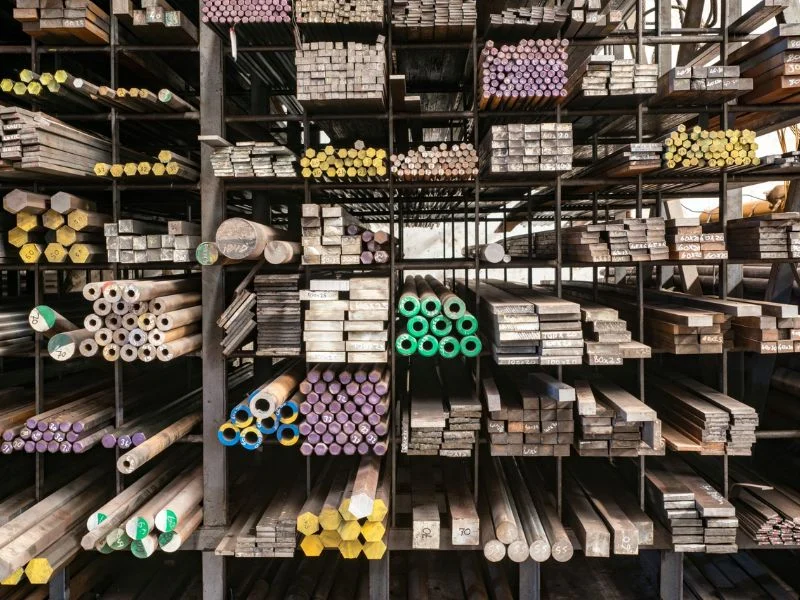
Media Conditions
Material Priorities for Demanding Applications

المواد الكيميائية
Selection depends on chemical composition, concentration, temperature and possible contamination.
- Stainless and special-alloy options
- Fluoropolymer or elastomer lining
- Compatible seat and gasket materials
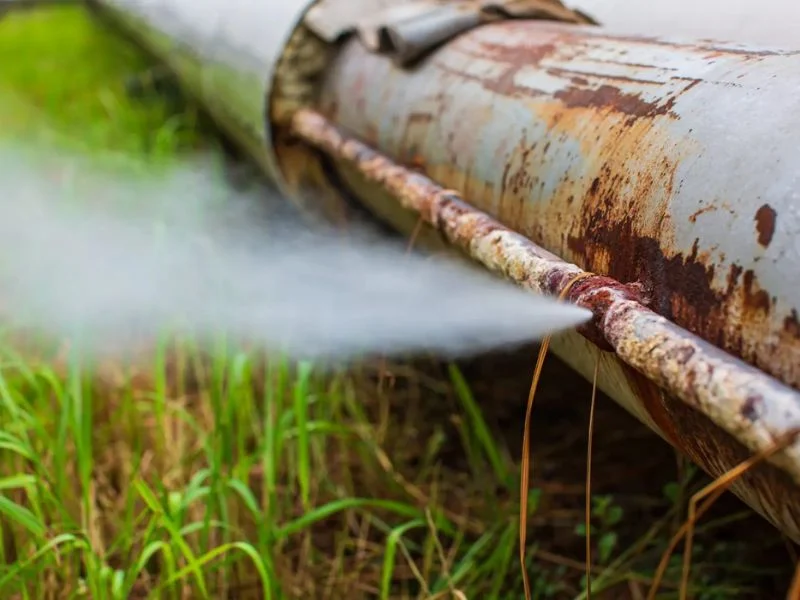
Corrosive Gas
Dry and wet gas conditions must be reviewed separately because condensation can change the corrosion risk.
- Gas and condensate composition
- Corrosion-resistant internal materials
- Protected shafts, seals and accessories
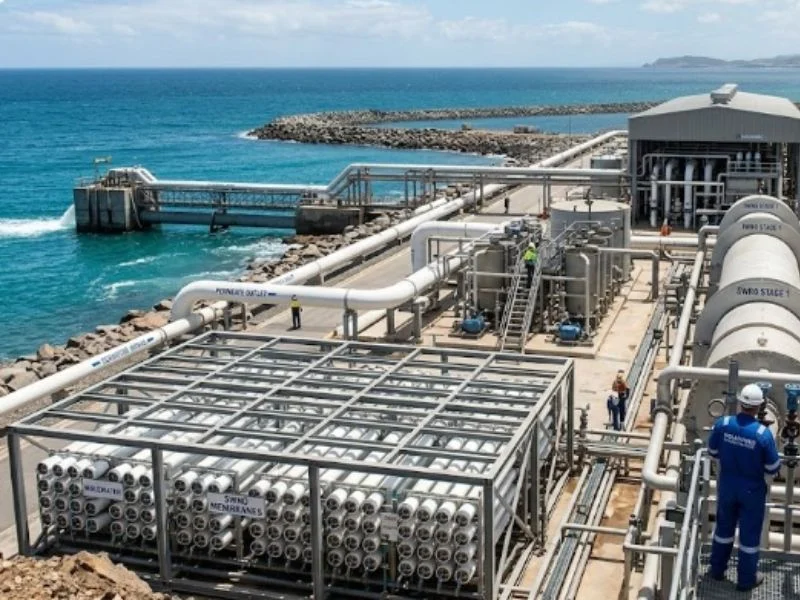
Seawater
Chlorides, temperature, velocity and stagnant areas influence material and coating selection.
- Suitable stainless or alloy options
- Compatible coating and fasteners
- Galvanic-corrosion review
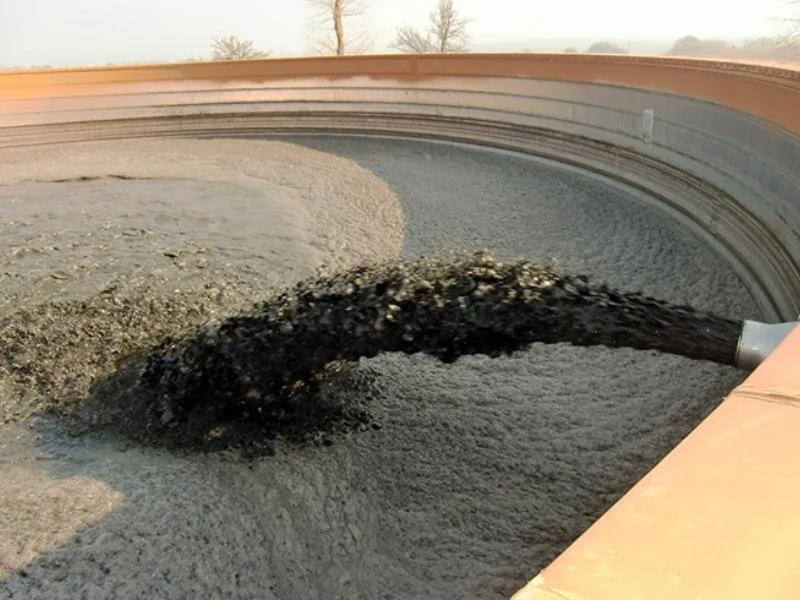
Slurry
Particle concentration, hardness, shape and velocity determine the dominant wear mechanism.
- Ceramic or hard-faced protection
- Elastomer sleeves and liners
- Replaceable wear components
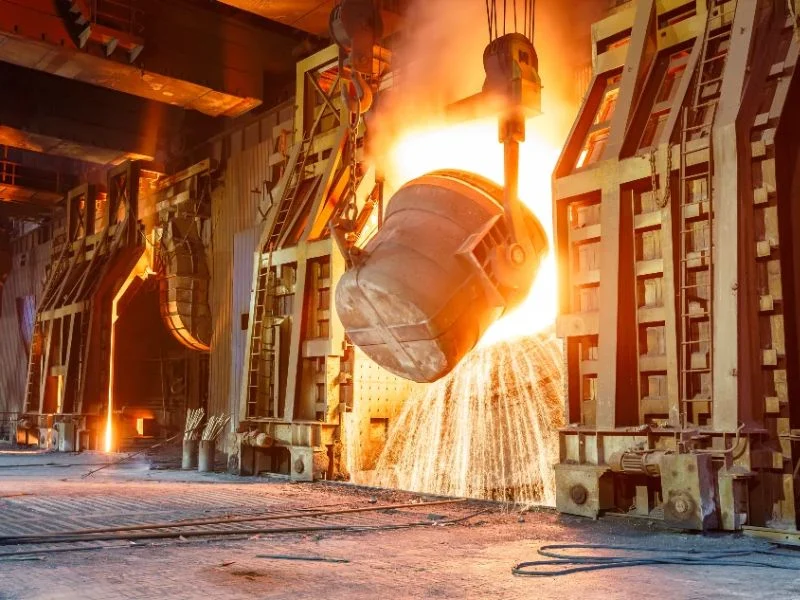
High Temperature
Material strength, oxidation, thermal expansion and soft-seal limits must be considered together.
- Heat-resistant body and trim
- Metal or high-temperature sealing
- Extended bonnet or protected bearings

Combined Conditions
Processes involving corrosion, abrasion and temperature require a balanced material system rather than one isolated property.
- Compatible pressure-containing material
- Protected process-contact surfaces
- Serviceable sealing and wear parts
Chemical Compatibility
Check every wetted material against the complete process composition.
Mechanical Durability
Account for pressure, velocity, particles, cycling and external loads.
Lifecycle Serviceability
Plan access and replaceable components around expected maintenance.
Custom Engineering
Adapt the Product to the Project
When a standard configuration does not match the piping, equipment or operating requirements, BCST can review a project-specific arrangement.
Special Size
Custom nominal sizes, duct dimensions or body proportions for non-standard plant interfaces.
Special Material
Project-specific body, trim, liner, seat, screen or internal-component materials.
Nozzle Orientation
Drain, vent, purge, jacket and instrument connections positioned for the installation.
Custom Flange
Flange dimensions, drilling and facing adapted to the confirmed piping or equipment interface.
طلاء
Internal or external surface protection selected for corrosion, weather and site requirements.
Actuator Configuration
Manual, pneumatic, electric or hydraulic operation with project-specific accessories and orientation.
Interface Engineering
Fit the Product into the Existing Plant
Brownfield and replacement projects often require more than a nominal size match. Dimensional interfaces, access and actuator clearance must be confirmed before manufacturing.
- Existing face-to-face or installation length
- Flange outside diameter, drilling and facing
- Pipe, duct, vessel or tank-nozzle orientation
- Available space for removal and maintenance
- Actuator position and surrounding obstructions
- Support loads and connected-piping alignment
- Access to drains, vents and inspection covers
- Required flow direction and installation orientation

Custom Design Matrix
From Project Constraint to Engineering Response
| Project Constraint | Customer Data Required | Possible Engineering Response |
|---|---|---|
| Non-standard pipe or duct size | Interface dimensions and required capacity | Special body size or transition connection |
| Aggressive process medium | Composition, concentration and temperature | Special alloy, lining or protected wetted parts |
| Restricted installation space | Layout drawing and available clearances | Modified actuator, nozzle or accessory orientation |
| Existing non-standard flange | Measured flange and drilling dimensions | Custom flange or adapter arrangement |
| Marine or corrosive environment | Site atmosphere and coating specification | Suitable coating, fasteners and external protection |
| Special control requirement | Signal, fail action, speed and utilities | Custom actuator and accessory package |
Send Us Your Operating Data
Provide the medium, flow, pressure, temperature, size and installation conditions. BCST will conduct a preliminary review and help organize the product configuration.
Submission Checklist
Information That Improves Review Accuracy
Process Information
- Medium name and full composition
- Concentration, density and viscosity
- Solids content and particle properties
- Normal, minimum and maximum flow
- Operating and design pressure
- Normal, minimum and maximum temperature
- Required function and operating frequency
Installation Information
- Required size and connection details
- Existing product drawings or photographs
- Pipeline, duct or equipment layout
- Installation orientation and available space
- Actuator utilities and control signal
- Site environment and coating requirement
- Applicable project specifications and documents
Engineering Deliverables
Typical Outputs from the Review
Product Recommendation
A proposed product type and configuration based on the supplied application data.
Technical Data
Key size, rating, material, connection, actuation and accessory information.
Outline Drawing
Dimensional and interface information for review when included in the project scope.
Quality Requirements
Agreed inspection, testing and documentation scope for the proposed supply.
Design Confirmation
Confirm Critical Details Before Production
- Review the product type and operating principle.
- Confirm size, rating and process connection.
- Approve body, trim, liner and sealing materials.
- Verify installation dimensions and nozzle orientation.
- Confirm actuator, accessories and fail position.
- Agree on coating and external environmental protection.
- Confirm inspection, testing and documentation requirements.
- Approve applicable drawings before manufacturing.

الأسئلة المتداولة
Custom Engineering FAQ
What information is needed for an application review?
Provide the medium, flow rate, pressure, temperature, required size, installation conditions and intended product function.
Can BCST recommend the product type and size?
BCST can provide a preliminary recommendation based on the supplied data. The customer remains responsible for final system design and project approval.
Can you select materials for corrosive chemicals?
Material options can be reviewed when the complete chemical composition, concentration, temperature, pressure and operating conditions are provided.
Can products be engineered for seawater?
Yes. Chloride exposure, temperature, velocity, stagnant areas, coating and galvanic compatibility should be included in the review.
Can you provide non-standard sizes?
Special body, pipe and duct dimensions can be reviewed when capacity, interface and installation details are available.
Can flange dimensions be customized?
Custom drilling, facing and dimensional arrangements may be reviewed against the supplied mating-flange or equipment details.
Can the actuator orientation be changed?
Actuator and accessory orientation can often be adjusted to suit clearance, operation and maintenance requirements, subject to design review.
Which documents can be supplied?
Available documents may include technical data, drawings, material records, inspection reports and test records according to the agreed order scope.
 English
 Arabic
 Russian
 French
 Spanish