
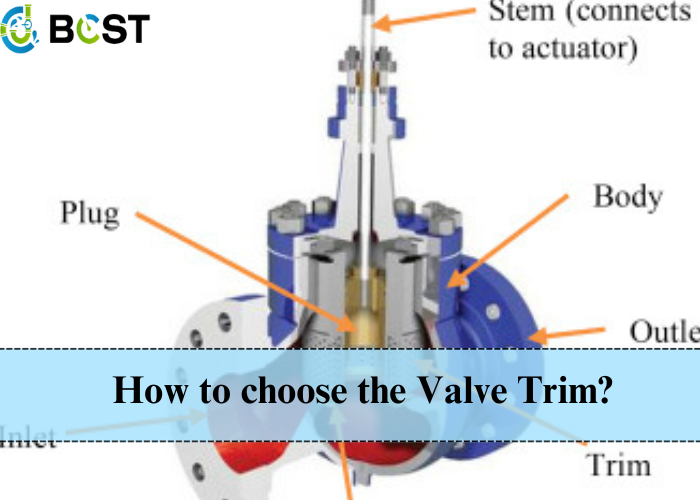
Клапаны play a vital role in industrial control systems, regulating the flow, pressure, temperature, and other parameters of fluids (such as gas, liquid, or solid particles). The valve trim (such as valve core, valve seat, etc.) is the essential core component of the valve, which directly affects the sealing, adjustment accuracy, and service life of the valve. Therefore, choosing the correct valve trim can improve production efficiency, reduce equipment maintenance costs, and improve system safety. This article briefly introduces the клапан trim and its selection points under different working conditions.
1. Composition and function of valve trim
The valve trim mainly includes the valve core, valve seat, seal, spring, etc. These parts complete the valve’s switching, regulating, and sealing functions.
1.1 Valve core
The valve core is the core component of the valve, which controls the flow of fluid. The shape, material, and structure of the valve core directly affect the valve’s flow characteristics. Common valve core materials include stainless steel, copper alloy, and high-performance plastic.
1.2 Valve seat
The valve seat is the sealing surface that the valve core contacts. Its function is to ensure the valve’s sealing and prevent the medium’s leakage. The material of the valve seat is usually selected according to the working conditions. Common ones include metal valve seats (such as stainless steel, brass, etc.) and soft-sealing valve seats (such as rubber, polytetrafluoroethylene, etc.).
1.3 Seals
Seals are mainly used to prevent fluid leakage through valves. Depending on the working conditions, seals can be soft or hard. Soft seals (such as rubber, PTFE, etc.) have good performance and are suitable for low-pressure and low-temperature conditions; hard seals (such as metal seals) are ideal for high-temperature, high-pressure, and highly corrosive environments.
1.4 Spring
The spring maintains the sealing force between the valve core and seat, ensuring the valve maintains a stable sealing state during operation. The strength and material of the spring should also be selected according to the working conditions.
2. Key considerations for selecting valve trim
When selecting valve trim, many factors must be considered, including the type of fluid, operating conditions, material compatibility, and system performance requirements. The following are some key selection factors:
2.1 Dielectric properties
The type of medium (such as gas, liquid, or solid), corrosiveness, viscosity, particle content, and other characteristics will directly affect valve trim selection. For example, corrosive media require the selection of corrosion-resistant materials such as stainless steel, Hastelloy, etc.; high-viscosity media may require specially designed valve cores and valve seats.
2.2 Working pressure and temperature
Valves need to work within a specific pressure and temperature range, so the material of the valve trim must be able to withstand these conditions. For example, high-temperature resistant materials such as alloy steel or ceramics should be selected; in high-pressure systems, valve trims must have muscular mechanical strength.
2.3 Flow characteristics
Different flow characteristics (linear, equal percentage, quick opening, etc.) suit different control requirements. The shape and design of the valve core determine the valve’s flow characteristics. Therefore, it is essential to choose the appropriate flow characteristic. For example, an equal percentage valve core is usually selected when the flow regulation requirements are high.
2.4 Sealing requirements
Select the appropriate sealing form (soft seal or hard seal) according to the system’s leakage requirements. Soft seals can be selected if strict sealing performance is required, but hard seals are usually more durable under high temperature or high-pressure conditions.
2.5 Material compatibility
The material of the valve trim should be corrosion and wear-resistant. Different media have different requirements for materials. For example, corrosive media in the chemical industry usually require Hastelloy or titanium alloy, while ordinary water treatment systems can use stainless steel or brass.
3. Selection of valve trims for various valve types
Different types of valves have different requirements for valve trims. The following will introduce the key points for selecting valve trims for several standard valves.
3.1 Шаровой клапан
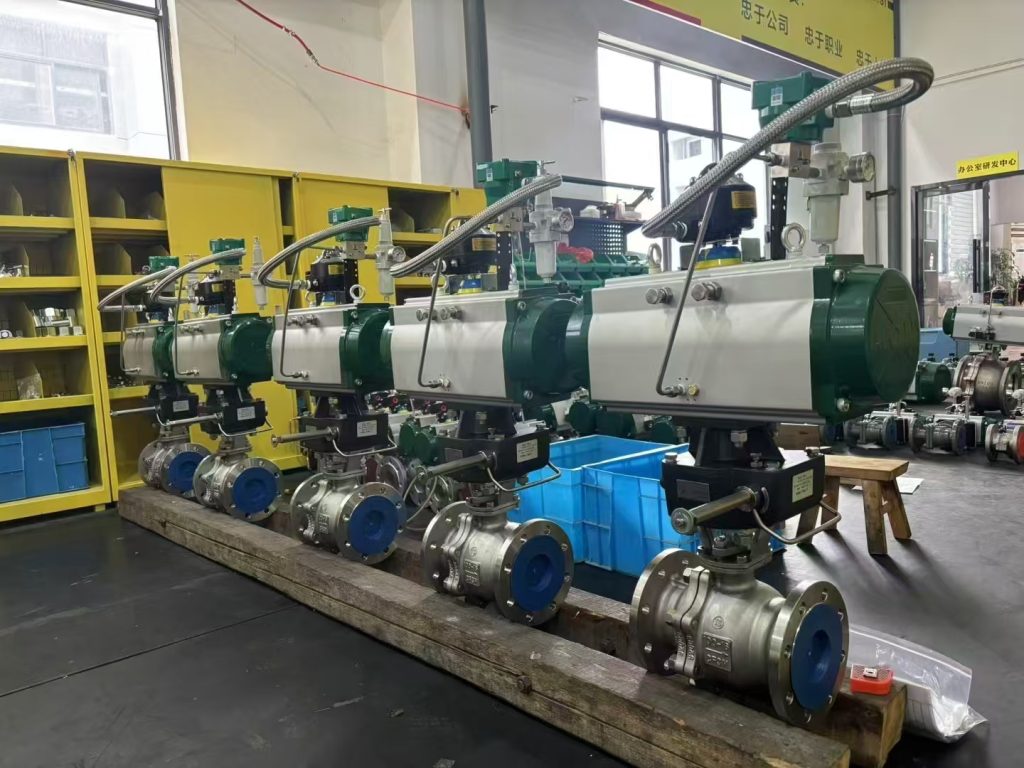
Ball valves are widely used in various working conditions due to their simple structure, good sealing, and fast switching capabilities. The valve core of a ball valve is a spherical structure. The ball’s material is usually stainless steel or carbon steel, and the surface is chrome-plated or nickel-plated to improve corrosion resistance and wear resistance.
The valve seat is generally made of soft sealing materials (such as PTFE) or metal sealing materials (such as stainless steel). The appropriate valve seat material is selected according to the characteristics of the medium. In high-temperature, high-pressure, or corrosive media, metal sealing ball valves show stronger reliability and durability.
3.2 Задвижка
Gate valves are usually used to open or close fluid channels fully and are suitable for occasions where frequent operation is optional for a short time. The valve core (gate) of the gate valve is usually made of stainless steel or cast iron. The gate’s surface can be chrome-plated or used in other anti-corrosion treatments according to the medium’s corrosiveness and temperature requirements. The valve seat can be made of metal or soft sealing materials to meet different working conditions.
3.3 Регулирующий клапан
The control valve is used to accurately control the flow, pressure, and temperature of the fluid, and the design of the valve core and valve seat is critical. The control valve’s valve core material is usually corrosion-resistant (such as stainless steel, Hastelloy, etc.), and the seal is selected as a soft seal or hard seal according to the working conditions.
3.4 Заслонка
The butterfly valve controls fluid flow by rotating the butterfly disc and is suitable for large-diameter pipeline systems. The valve core and seat are usually made of corrosion-resistant and wear-resistant materials such as rubber, stainless steel, or alloy steel and are suitable for water treatment, heating systems, and chemical industries.
4. Development trend of new materials for valve trims
With the continuous advancement of industrial technology, the materials and designs of valve trims are also evolving. New materials (such as ceramics, titanium alloys, carbon fiber composites, etc.) have been introduced into valve manufacturing in recent years. These materials have stronger corrosion resistance, wear resistance, and high-temperature tolerance, which can further improve valves’ performance and service life. In addition, applying 3D printing technology also provides more innovative possibilities for valve design.
5. Заключение
The valve trim is the most critical component of the valve, and its selection directly affects its performance and life. When selecting valve trim, it is necessary to comprehensively consider factors such as the type of medium, working pressure and temperature, flow characteristics, sealing requirements, and the material’s corrosion and wear resistance. By selecting the appropriate valve trim material and structure, it is possible to ensure long-term stable operation under harsh working conditions, improve production efficiency, and reduce maintenance costs.
With the development of industrial technology, the continuous emergence of new materials and technologies will provide more options for the design and manufacture of valves, thereby further improving their performance and reliability.


 English
 Arabic
 Russian
 French
 Spanish