Precision Under Pressure

Your Definitive Guide to High-Performance Pressure Control Valves
High Pressure Control Valve

The Unseen Regulator: Why Pressure Control is Mission-Critical

In the complex world of industrial and commercial fluid systems, pressure control isn’t just a technical detail. It’s the bedrock of operational safety, efficiency, and equipment longevity. Unregulated pressure can be a silent threat, leading to costly downtime, inconsistent product quality, and even catastrophic equipment failure. At BCST Valve, we share your commitment to precise fluid management. That’s why we engineer and supply high-quality pressure control valves designed to be the reliable, unseen regulators that keep your most demanding applications running smoothly. A pressure control valve is a sophisticated mechanical device specifically engineered to automatically manage and maintain fluid pressure within a system at a desired, stable level. This category includes specialized valves that react to pressure changes (like relief and reducing valves) and general-purpose صمامات التحكم like the Globe Control Valve , which can be used for precise pressure and flow regulation. Whether your goal is to limit maximum system pressure, reduce a high, fluctuating inlet pressure to a lower, stable outlet pressure, or sequence complex operations based on pressure thresholds, selecting the right valve is absolutely essential.

Decoding the Essentials: Key Types of Pressure Control Valves

The term “Pressure Control Valve” is an umbrella category that covers several specialized devices. Each type is designed to perform a distinct function, and understanding these differences is the first step in optimizing your system’s performance.
نوع الصمام الوظيفة الأساسية Common Synonyms & Related Terms Typical Application Product Image
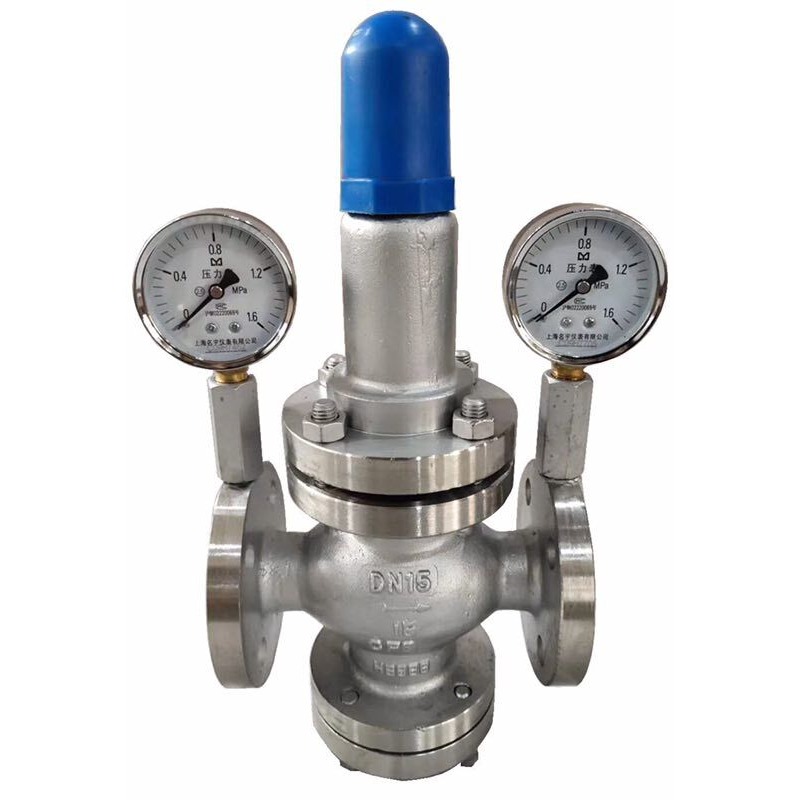
صمام تخفيض الضغط (PRV) Automatically reduces a high, often fluctuating, upstream pressure to a lower, constant downstream pressure, maintaining stability regardless of changes in flow rate. Pressure Regulator, Reducing Valve, Water Pressure Reducer, Pressure Reducing Regulator Water distribution systems, HVAC, steam lines, process control in manufacturing. Pressure Reducing Valve Product
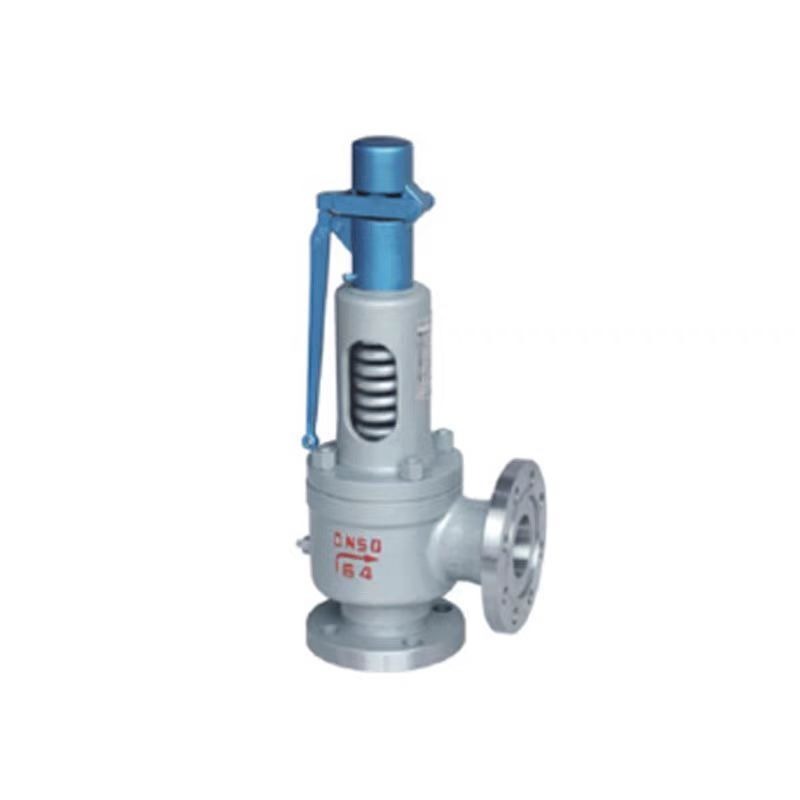
Pressure Relief Valve (Safety Valve) Acts as a critical safety mechanism by rapidly venting excess fluid when the system pressure exceeds a pre-set maximum limit, preventing equipment damage. Safety Relief Valve, Overpressure Protection Valve, Blow-off Valve Boilers, pressure vessels, pipelines, chemical and petrochemical processing. Pressure Relief Valve Product
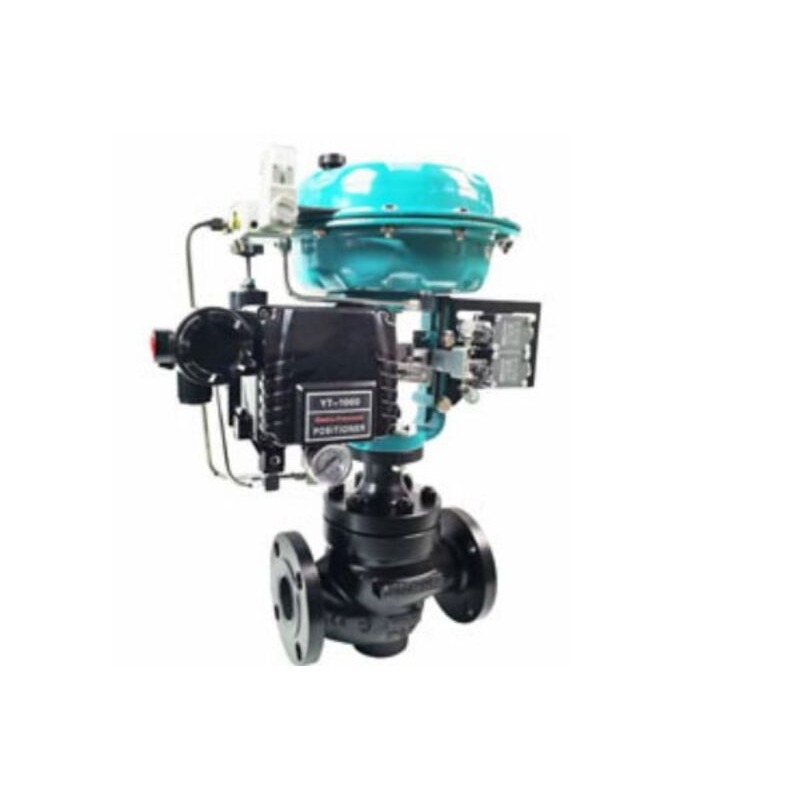
صمام التحكم الكروي Precisely regulates fluid flow and pressure by varying the distance between a movable plug and a stationary seat, offering excellent throttling capability. Single-Seat Control Valve, Throttling Valve, Flow Regulator Process control systems, steam regulation, high-pressure drop applications. Globe Control Valve Product

How They Work: The Core Principles of Pressure Control

Understanding the working mechanism of these valves is key to appreciating their role in system integrity. While their designs vary, each valve type employs a precise physical principle to achieve its specific control function.

1. Pressure Reducing Valve (PRV) Working Principle

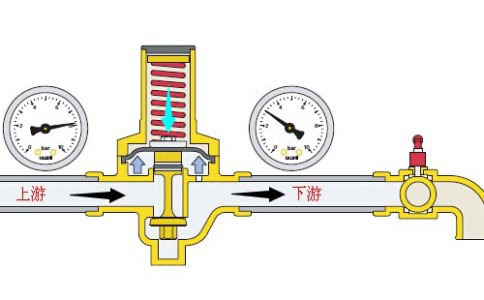
Pressure reducing valve working principle The Pressure Reducing Valve operates on a principle of force balance, acting as a self-regulating mechanism. The valve’s internal components—a diaphragm (or piston) and an adjustable spring—work in opposition. The spring is set to the desired downstream pressure. When fluid flows through the valve, the downstream pressure acts on the diaphragm, pushing against the spring force.
  • If the downstream pressure is too low: The spring force is greater, pushing the valve plug open to allow more flow, which increases the pressure.
  • If the downstream pressure is too high: The fluid pressure on the diaphragm overcomes the spring force, pushing the valve plug toward the seat. This reduces the flow area, effectively “throttling” the flow and bringing the downstream pressure back down to the set point.
This continuous, automatic adjustment ensures a stable, lower pressure is maintained, regardless of fluctuations in the high-pressure inlet side.

2. Pressure Relief Valve (Safety Valve) Working Principle

The Pressure Relief Valve is a critical safety device designed to prevent catastrophic overpressure. Its operation is simple and direct:
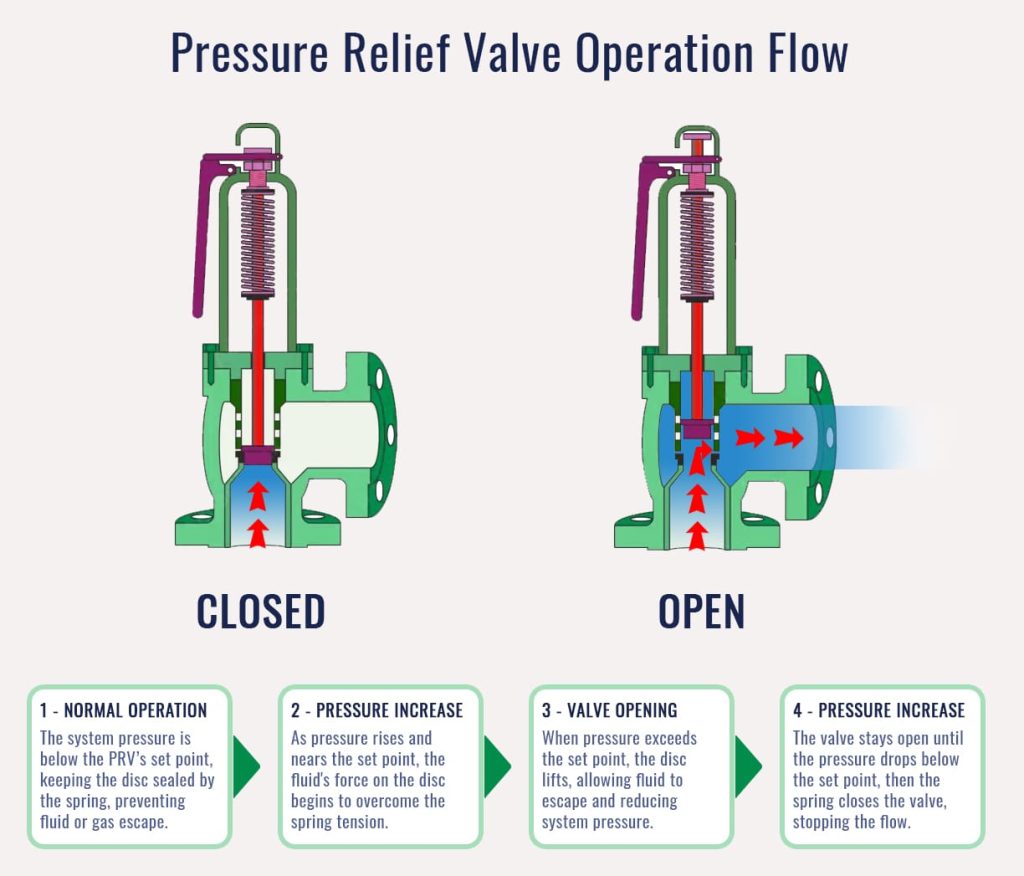
  • The valve’s disc or plug is held firmly against the inlet by a strong, calibrated spring (or a pilot mechanism). The force exerted by this spring is the set pressure.
  • As system pressure rises, it exerts an upward force on the disc.
  • When the system pressure exceeds the set pressure, the upward force overcomes the spring force, causing the valve to rapidly open (often called “popping”).
  • This opening creates a path for the excess fluid to be discharged, quickly reducing the system pressure.
  • Once the pressure drops back to a safe level (the reseating pressure), the spring force reseats the disc, closing the valve and restoring normal operation.

3. Globe Control Valve Working Principle

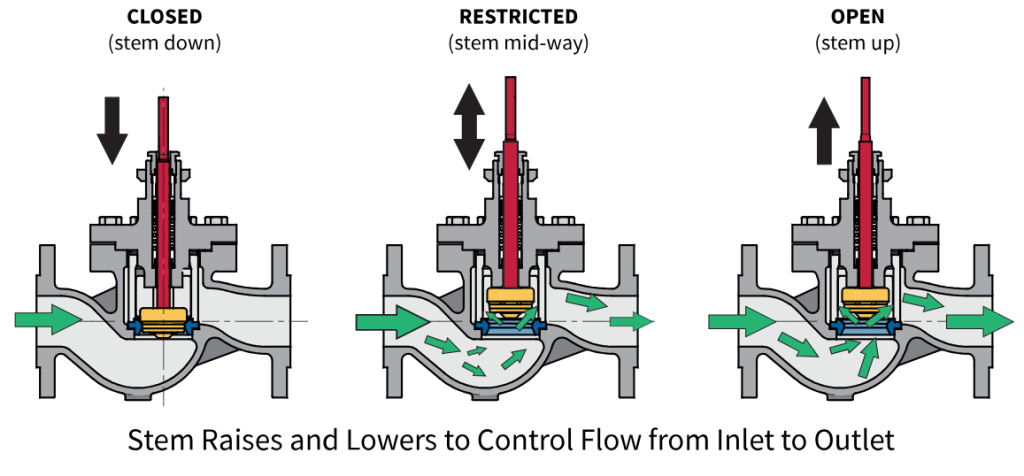
The Globe Control Valve is primarily a throttling valve, used for precise flow and pressure regulation. Unlike the self-actuating PRV and Relief Valve, the Globe Control Valve is typically actuated by an external source (pneumatic, electric, or hydraulic) to position its internal plug.
  • The valve’s design features a body with a movable plug that travels perpendicular to the flow path, seating against a stationary ring.
  • By adjusting the position of the plug relative to the seat, the flow area (and thus the resistance to flow) is precisely controlled.
  • This throttling action creates a pressure drop across the valve, allowing it to regulate both flow rate and downstream pressure with high accuracy. The linear motion and symmetrical flow characteristics give the Globe Control Valve excellent modulation and tight shut-off capabilities, making it the workhorse of automated process control.

The BCST Difference: Engineered for Durability and Performance

Choosing a reliable pressure control valve from BCST is a strategic, long-term investment in your operational integrity. Our products are not just components; they are precision instruments built on a foundation of durability, unparalleled accuracy, and minimal maintenance .

Why Choose BCST Pressure Control Solutions?

  • Unwavering Precision: Our pressure regulating valves are equipped with highly sensitive diaphragms and springs, ensuring an immediate and accurate response to pressure fluctuations. This allows for the maintenance of a tight tolerance on the set point, which is non-negotiable for applications demanding consistent process quality.
  • Rugged, Application-Specific Construction: Whether you require high-pressure relief valves for the harsh environments of oil and gas or water pressure reducing valves for municipal infrastructure, our products are available in a wide range of robust materials. This includes stainless steel, carbon steel, and specialized alloys, all chosen to withstand corrosive media, extreme temperatures, and high-cycle demands.
  • Optimized Energy Efficiency: By expertly managing system pressure, our pressure regulators play a direct role in minimizing pump energy consumption and reducing system heat. This translates directly into lower operating costs and a longer lifespan for your entire fluid system.
  • Comprehensive Technical Support: Our engineering team is ready to assist with valve selection, installation guidance, troubleshooting, and maintenance recommendations tailored to your specific application.
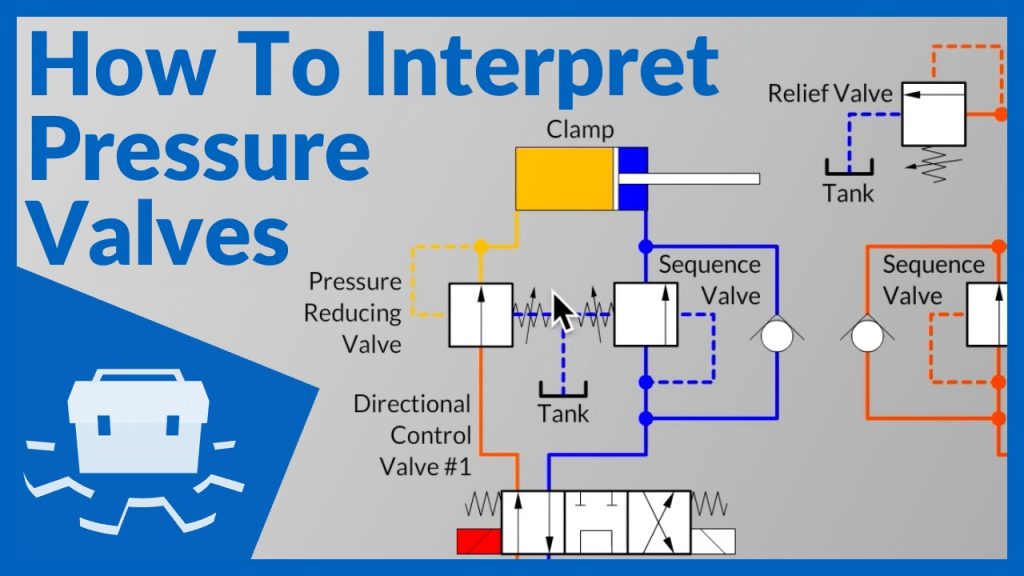
Figure 4: Standard hydraulic symbols for various pressure control valves used in system schematics.

Real-World Applications: Where BCST Valves Deliver Value

Our industrial pressure control valves are the dependable, behind-the-scenes workhorses that power critical operations across diverse sectors. Here’s where they make the biggest impact:

Oil & Gas and Petrochemical

Providing essential protection for pipelines, compressors, and processing equipment against dangerous overpressure events with our robust safety relief valves.

توليد الطاقة

Guaranteeing stable steam and water pressure within boilers, turbines, and heat exchangers using our reliable pressure reducing regulators.
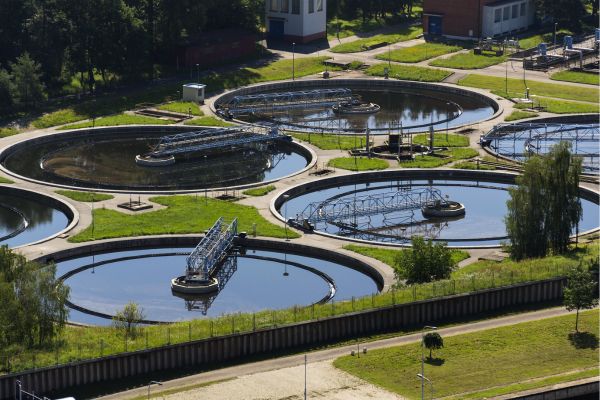
فلاف التحكم في الضغط المطبق في معالجة المياه ومياه الصرف الصحي

Water and Wastewater Treatment

Ensuring consistent, safe, and regulated water distribution pressure throughout municipal and large-scale industrial networks.

Ready to Elevate Your System's Performance?

Don’t let the risk of fluctuating pressure compromise your safety, efficiency, or bottom line. It’s time to explore BCST Valve’s comprehensive range of pressure control valve solutions . Connect with BCST Valve’s expert engineering team for a personalized consultation. We will help you select the ideal pressure regulator or relief valve perfectly tailored to your specific technical requirements and application challenges.

بريد إلكتروني

info@bcstgroup.com sales@bcstgroup.com

الهاتف

+8615052699328 +8618888120966

واتساب

+8615052699328

Website

www.bcstvalve.com

Pressure Control Valve - Comprehensive Guide

مقدمة

ال صمام التحكم في الضغط is an essential part of any hydraulic system that assists in a variety of functions, such as keeping pressure below the desired limit and maintaining a set pressure in the circuit. You can find pressure control valves in every pneumatic and hydraulic system. Before using the صمام التحكم في الضغط, you need to understand the valve’s functions, specifications, advantages, and disadvantages. We will cover important aspects of the صمام التحكم في الضغط في هذا الدليل.
1. لماذا يتم استخدام صمام التحكم في الضغط؟
It is essential to control the pressure in the system. The pressure develops in the valve due to the fluid flow restriction. If we left unchecked, it can cause damage to the system, so it is essential to have a pressure control valve to control pressure levels. The صمام التحكم في الضغط يحدّ من الضغط الأقصى، ويضبط الضغط العكسي، ويرسل إشارة عند تجاوز الضغط المحدد، ويحمي النظام من الضغط الزائد، ويزيد الضغط عند دخول الزيت إلى الدائرة. بدون صمام التحكم في الضغط، قد تتلف مكونات طاقة السائل.
2.ما هو مبدأ عمل صمام التحكم في الضغط؟
عندما يتراكم الضغط في النظام الهيدروليكي، فإنه قد يتسبب في تلف النظام. صمام التحكم في الضغط يمنع هذا الضرر وارتفاع درجة حرارة النظام. هناك فئتان رئيسيتان من صمامات التحكم في الضغط: صمام مباشر المفعول وصمام تشغيل تجريبي.

مبدأ عمل صمام العمل المباشر

الفعل المباشر صمام التحكم في الضغط يتكون من زنبرك، وغرفة صمام تجريبي، وغرفة صمام رئيسي، وبرغي قابل للتعديل، وغرفة غشاء. يوجد زنبرك ميكانيكي يتحكم في تدفق السائل. يمكنك استخدام المقبض لتغيير شد الزنبرك، مما يؤدي في النهاية إلى فتح الصمام. يُسمى الضغط الذي يُسبب فتح الصمام ضغط التشقق. عند تجاوز هذا الضغط، يتدفق السائل. عند وصول ضغط صمام التنفيس إلى الحد الأقصى، يُفتح الصمام ويسمح بتدفق السائل بأقصى قدر. مبدأ عمل صمام العمل المباشر

مبدأ عمل صمام التشغيل التجريبي

The pilot operating valve consists of a spring, an adjustable screw, the main valve chamber, a diaphragm, and a pilot valve chamber. The primary function of the screw is to maintain the pressure. You can increase or decrease the pressure by tightening or loosening the bolt. When you tighten the control screw, it increases pressure on the adjustable spring. It causes the diaphragm to deform and opens the pilot valve. When the pilot valve opens, the pressurized steam enters the pilot valve; it causes the main diaphragm to open up. The opening of the main valve causes the flow of steam to the downstream line. The balancing line provides pressure on the diaphragm that balances the downward force on the spring. The pilot valve controls the flow of steam to the pilot valve chamber. You can adjust the pressure by holding the adjustable bolt, and the whole system balances automatically. مبدأ عمل صمام التحكم في ضغط التشغيل التجريبي
3.ما هي تطبيقات صمام التحكم في الضغط؟
صمام التحكم في الضغط يُستخدم في مختلف الصناعات، مثل محطات الطاقة النووية، والنفط، ومحطات الطاقة الهيدروليكية، وأنظمة التحكم الهوائية. يتحكم في الضغط في أنظمة الماء والبخار والغاز. صمام التحكم في الضغط is used widely in areas with high water pressure networks to control the pressure level. The other applications of pressure control valves include air compressors, controlling the flow of load in pressure reactors, aerospace and aero craft, fuel engines, semiconductor machinery, air gauging, mining industries, tooling, and automation. It limits the maximum pressure by diverting the excessive oil when the pressure gets too high.
4. ما هو مبدأ عمل صمام التحكم في ضغط الإغاثة؟
توجد قوى في المُشغِّل تعمل ضمن نطاق الضغط في أي نظام هيدروليكي. هذا النطاق هو وظيفة القوى، ويجب التحكم في هذه القوى أو الحد منها لتجنب أي ضرر. صمام التحكم في الضغط acts as a safeguard to limit the maximum pressure by diverting excessive oil when the pressure gets too high. The relief valve can be direct acting or pilot operated. The direct-acting relief valve has no adjusting screw, opening at the preset pressure. A direct-acting relief valve consists of a ball on one side and a spring. The force exerted on the spring is higher than the force on the ball. The port of the valve returns leakage of fluid to the tank. When the pressure rises, the ball allows the fluid to bypass the reservoir, maintaining the pressure at the valve setting. There is an adjusting screw in the relief valves, and you can use it to compress or decompress the spring. The direct-acting relief valve blocks flow until the force of pressure on the poppet overcomes the pressure on spring force and downstream pressure. The pilot-operated relief valves are suitable in applications that must relieve large flow with small differential pressure. مبدأ عمل صمام التحكم في الضغط ذو التأثير المباشر مبدأ عمل صمام تخفيف الضغط الذي يعمل بالتوجيه
5.كيفية تركيب صمام التحكم في الضغط؟
قبل الشراء صمام التحكم في الضغطيجب التأكد من تجهيز جميع المقابس والأغلفة اللازمة للتركيب. قبل التركيب، تأكد من تركيب التركيبات والمقابس والأختام. إليك الخطوات التي يجب مراعاتها أثناء التركيب.
  • يرجى عدم رفع الصمام من الأنبوب، فقد يؤدي ذلك إلى ثني نقطة التوصيل وكسر ختم الصمام. يُفضل رفع الصمام من جسمه أو رفعه بخطافات في الأعلى.
  • قم بتثبيت صمامات الكرة على الجانبين العلوي والسفلي لصمام التحكم.
  • قم بتثبيت صمام التحكم في الضغطفي الاتجاه الرأسي. سيؤدي الاتجاه الأفقي إلى وضع وزن على ساق الصمام، مما قد يسبب تسربًا.
  • التحقق من موضع الفشل صمام التحكم في الضغطبالنظر إلى موضع المؤشر، يمكن معرفة ما إذا كان الصمام مفتوحًا أم مغلقًا. الصمام المفتوح يعني أنه مُعدّ للفشل، والصمام المفتوح مُعدّ للإغلاق.
  • افحص الصمام جيدًا لمنع أي أوساخ من الوصول إلى فتحة التهوية صمام التحكم في الضغطالأوساخ ستُبلل خزان الغاز وتُسبب الرطوبة. استخدم الهواء المضغوط لسحب غاز الإمداد.
  • أثناء التثبيت، قم بربط البراغي على شكل نجمة واستبدل سلال الحافة عند تلفها.
  • استخدم شريط التفلون على الخيوط لإغلاق الاتصال ومنع التسرب.
6.ما هي أهمية صمامات التحكم في الضغط؟
ال صمام التحكم في الضغط is part of every hydraulic system in keeping the system pressure below the desired upper limit. The pressure control valve prevents the bursting and leakage of pipelines. It manages the pressure by removing the excessive pressure. Due to these valves’ high performance and effectiveness, they are used in all hydraulic systems. With a صمام التحكم في الضغط في النظام، يمكنك التحكم بضغط النظام عند مستويات مُنظَّمة لضمان ضغط ثابت. قد يتلف النظام الهيدروليكي لأسباب مُختلفة. على سبيل المثال، تفريغ المضخة أو إعادة تدويرها إلى الخزان. صمام التحكم في الضغط يمكن التحكم في قوة المحرك والضغط والحفاظ عليهما عند مستويات آمنة.
7.ما هو نموذج إنشاء صمام التحكم في الضغط؟
To understand the model’s analysis and processing, we need to make a few assumptions.
  • لا يؤثر تأثير الزيت الهيدروليكي على خصائص الصمام، لذلك لن نأخذ تأثيره في الاعتبار في عملية النمذجة.
  • باعتبارها قوة احتكاك وقوة القصور الذاتي وقوة التثبيت تؤثر على قلب الصمام بقيم صغيرة؛ كما سيتم تجاهل تأثيرها في عملية النمذجة.
  • لن يؤخذ بعين الاعتبار أي تسرب داخلي أو خارجي للصمام.
  • تتسبب المسافة الصغيرة بين قلب الصمام والكم في تحرك قلب الصمام بدرجة واحدة من الحرية على طول المحور، وبالتالي سيتم تجاهل الحركة الدورانية لمحوره.
The valve core balance equation will be: P1 A1 – P2 A2 –P3A3 = m1 d2x/dt2 + (BS1 + Bx)dx/dt + Kx (x+x˳) + Bw1 x
8.ما هي مواصفات صمامات التحكم في الضغط؟
  • يتكون من صمام كروي يوفر تحكمًا عاليًا ونطاقًا أوسع لعنصر التنظيم. يساعد على التشغيل بتدفقات عالية، وضغط مرتفع، ودرجة حرارة عالية.
  • صمامات الموازنة مسؤولة عن الحفاظ على درجة حرارة ثابتة للمياه وتعويض انخفاض الضغط.
  • صمامات التحكم في الضغط تعمل بالتحكم الطيار أو هيدروليكيًا باستخدام غشاء أو مكبس. مصنوعة من الفولاذ المقاوم للصدأ أو البرونز.
  • يعد قضيب المؤشر جزءًا مهمًا من صمام التحكم في الضغط لإظهار موضع الصمام.
  • صُنع جسم الصمام، والشفاه، والأغطية وفقًا لمعيار ASTM A 126، الفئة B، أو ASTM A 48، الفئة 35 من الفولاذ المقاوم للصدأ. أما مادة البرونز المستخدمة في التشطيب الداخلي، فستكون وفقًا لمعيار ASTM B 62.
  • صمام التوجيه للصمام الرئيسي أحادي المقعد، يعمل بغشاء، أو زنبركي. يُنصح بتركيب صمام التوجيه على الصمام الرئيسي لسهولة التعديل.
9.ما هي مزايا صمام التحكم في الضغط؟
ال صمام التحكم في الضغط assists in various functions like keeping the pressure below the desired limit and controlling the flow of fluid depending on the signal from the controller. It also controls the flow of liquid, pressure, and temperature. It is also referred to as a final control element in automatic control terminology. A صمام التحكم في الضغط يُنظّم فتح وإغلاق صمام التحكم في المحركات الهوائية والهيدروليكية والكهربائية. تُحدّد حلقات التحكم درجة الحرارة والضغط ضمن نطاق التشغيل. تقيس المستشعرات أيّ اضطرابات داخلية، و صمام التحكم في الضغط يتأكد من تصحيح هذه الاضطرابات. صمام التحكم في الضغط يلعب دورًا أساسيًا في الحفاظ على الأداء الدقيق للنظام، ويضمن كفاءة النظام والمشغل والشركة ككل.
10. كيف يعمل صمام التحكم في الضغط في النظام الهيدروليكي؟
تؤدي الصمامات المختلفة وظائف مختلفة في الدائرة. صمام التحكم في الضغط يتحكم في الضغط في النظام الهيدروليكي عن طريق تحويل تدفق السائل إلى المسار البديل بمجرد وصوله إلى الضغط المحدد مسبقًا. صمام التحكم في الضغط acts as a fuse that protects the system from the excess current by keeping it within a limit. The downstream pressure actuates the pressure control valve that starts reverse free flow. The valve dumps excess fluid into the tank in high-low pump circuits. These pumps move on the actuator at low pressure and high speed. The صمام التحكم في الضغط يحافظ على انخفاض الضغط عن طريق إرسال التدفق الزائد القادم من الخزان.
11.ما هو منظم الضغط الدقيق في صمام التحكم في الضغط؟
The purpose of the precision regulator is to provide constant pressure output concerning fluctuating supply pressure. Various reasons can cause fluctuations in the pressure, such as excessive downstream pressure, leakage, temperature changes, changes in pressure flows, etc. Pressure regulators are important for accurate maintenance. The pressure regulator provides controlled pressure that ensures workspace safety. The overall system will perform more effectively when there is less wastage of pressurized air. You can also prevent damage to the machine and equipment. منظم الضغط
12.ما هي أجهزة قياس الضغط وكيف تعمل في صمام التحكم في الضغط؟
Manometers are the measuring instrument for measuring pressure. It provides accurate measurement of different pressure values. There are two manometers for measuring pressure, analogue and digital manometers. Analog manometer operates using the hydrostatic balance principle. It has U shaped tube, and both ends are open to measure atmospheric pressure. The fluid level in the two tubes shows the amount of pressure applied. Digital manometers consist of a pressure transducer device that converts the pressure level into an electrical signal. This signal is proportional to the magnitude of pressure, and you can calibrate the electrical parameter after detection to a pressure reading. Digital manometers are portable with easy displays as compared to analogue manometers. They don’t need periodic calibrations as digital manometers don’t have primary standards. They also provide accurate measurement because of using computer applications.
13.كيفية معايرة صمام التحكم في الضغط؟
المعايرة مهمة جدًا لتحديد التحديد الكمي للأخطاء في جهاز القياس. ولأسباب تتعلق بالسلامة، يجب إجراء المعايرة مرة واحدة سنويًا. لمعايرة صمام التحكم في الضغط، عليك اتباع الخطوات التالية.
  • حدد نقطة ضبط صمام التحكم في الضغط. هذه النقطة تُحدد فتح الصمام عن طريق التحكم في الضغط.
  • بمجرد تحديد نقطة الضبط، تأكد من عدم وجود أي تسرب.
  • قم بزيادة الضغط، وتحقق من قراءة الضغط على الشاشة، وقم بتسجيلها في ورقة بيانات القياس.
  • خفّض تدفق الضغط تدريجيًا ولاحظ إغلاق الصمام. سجّل هذا القياس، ثم كرّر نفس الإجراء مرتين أو ثلاث مرات.
يجب مراعاة ثلاث مراحل أثناء المعايرة: ضغط الضبط، والضغط الزائد، وضغط الإغلاق. ضغط الضبط هو قراءة الضغط عند تحرير الصمام للضغط فجأة. الضغط الزائد هو الضغط عند فتح الصمام بالكامل. ضغط الإغلاق هو ضغط إعادة التثبيت، وعندها يتوقف الصمام عن تحرير الضغط.
14.كيفية اختيار صمام التحكم في الضغط المناسب؟
لاختيار المناسب صمام التحكم في الضغط, you need to keep certain things in mind. You need to understand the material of the valve according to the requirement of the project. The media that flows through the valve can affect the valve’s performance. The wrong material can affect the performance of the valve. Various corrosive resistant valves can ensure the high performance of the valve. The pressure valve size is also very important in measuring the pressure. If the size is too small, it will be challenging to carry out the task. The incorrect valve size can also damage the system, so it is essential to know the size of the valve based on the requirement of the project. The third concern is the pricing of the صمام التحكم في الضغط. عليك أن تأخذ بعين الاعتبار خيارات مختلفة حتى تحصل على صمام الضغط المناسب لك.

تواصل معنا

Tell us your specs; our engineer will reply within 24 hours.