Precision Under Pressure

Your Definitive Guide to High-Performance Pressure Control Valves
Регулирующий клапан высокого давления

The Unseen Regulator: Why Pressure Control is Mission-Critical

In the complex world of industrial and commercial fluid systems, pressure control isn’t just a technical detail. It’s the bedrock of operational safety, efficiency, and equipment longevity. Unregulated pressure can be a silent threat, leading to costly downtime, inconsistent product quality, and even catastrophic equipment failure. At BCST Valve, we share your commitment to precise fluid management. That’s why we engineer and supply high-quality pressure control valves designed to be the reliable, unseen regulators that keep your most demanding applications running smoothly. A pressure control valve is a sophisticated mechanical device specifically engineered to automatically manage and maintain fluid pressure within a system at a desired, stable level. This category includes specialized valves that react to pressure changes (like relief and reducing valves) and general-purpose регулирующие клапаны like the Globe Control Valve , which can be used for precise pressure and flow regulation. Whether your goal is to limit maximum system pressure, reduce a high, fluctuating inlet pressure to a lower, stable outlet pressure, or sequence complex operations based on pressure thresholds, selecting the right valve is absolutely essential.

Decoding the Essentials: Key Types of Pressure Control Valves

The term “Pressure Control Valve” is an umbrella category that covers several specialized devices. Each type is designed to perform a distinct function, and understanding these differences is the first step in optimizing your system’s performance.
Тип клапана Основная функция Common Synonyms & Related Terms Типовое применение Product Image
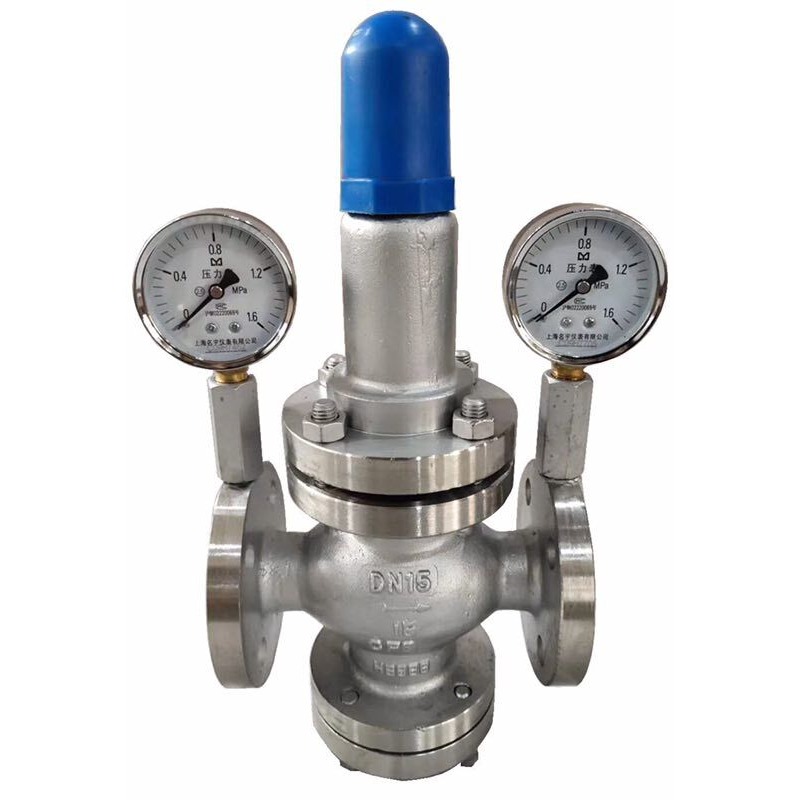
Редукционный клапан (PRV) Automatically reduces a high, often fluctuating, upstream pressure to a lower, constant downstream pressure, maintaining stability regardless of changes in flow rate. Pressure Regulator, Reducing Valve, Water Pressure Reducer, Pressure Reducing Regulator Water distribution systems, HVAC, steam lines, process control in manufacturing. Pressure Reducing Valve Product
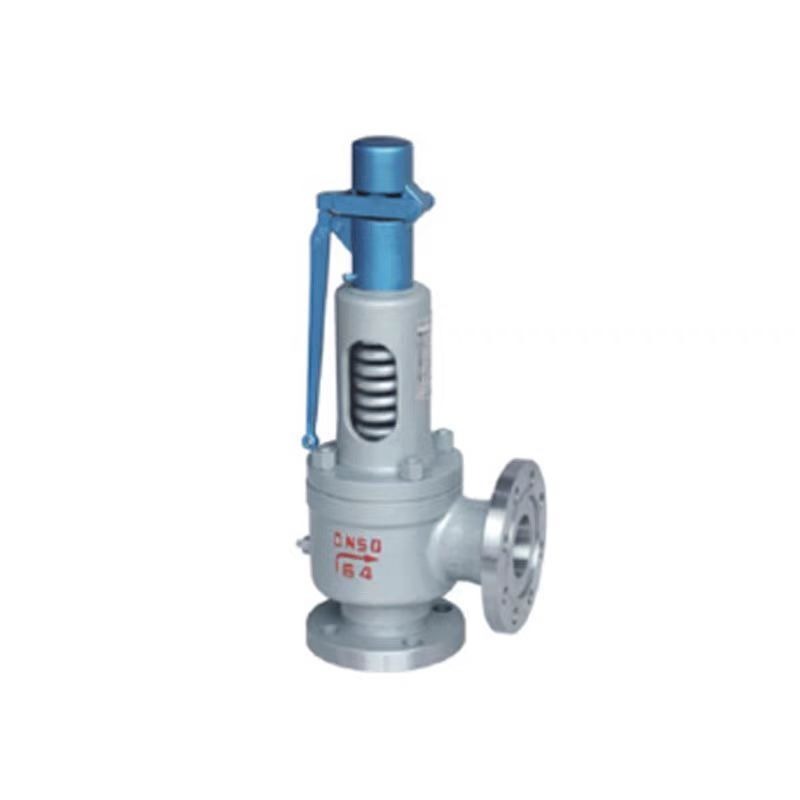
Pressure Relief Valve (Safety Valve) Acts as a critical safety mechanism by rapidly venting excess fluid when the system pressure exceeds a pre-set maximum limit, preventing equipment damage. Safety Relief Valve, Overpressure Protection Valve, Blow-off Valve Boilers, pressure vessels, pipelines, chemical and petrochemical processing. Pressure Relief Valve Product
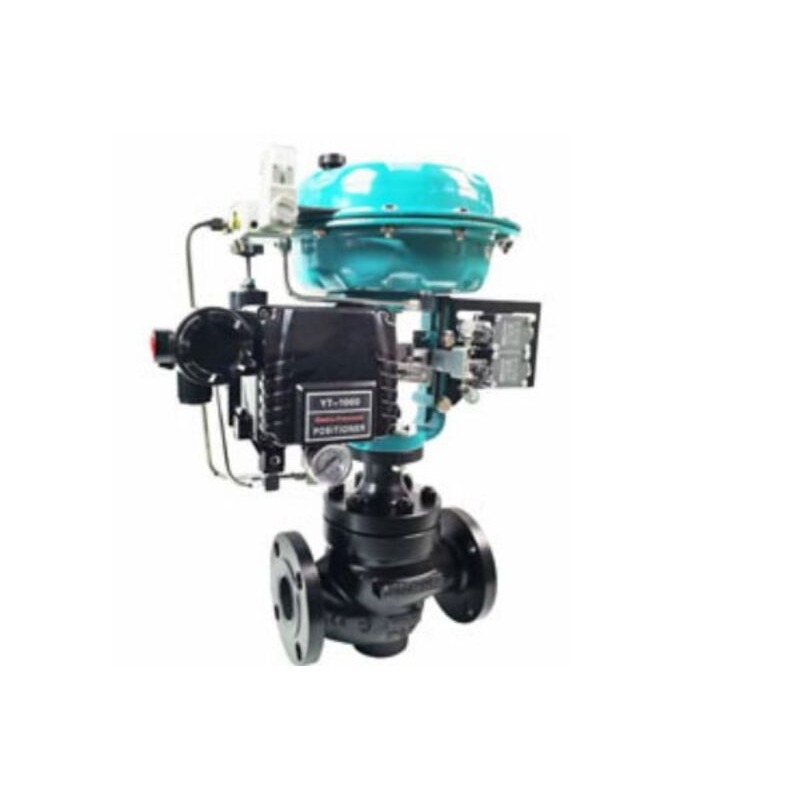
Шаровой регулирующий клапан Precisely regulates fluid flow and pressure by varying the distance between a movable plug and a stationary seat, offering excellent throttling capability. Single-Seat Control Valve, Throttling Valve, Flow Regulator Process control systems, steam regulation, high-pressure drop applications. Globe Control Valve Product

How They Work: The Core Principles of Pressure Control

Understanding the working mechanism of these valves is key to appreciating their role in system integrity. While their designs vary, each valve type employs a precise physical principle to achieve its specific control function.

1. Pressure Reducing Valve (PRV) Working Principle

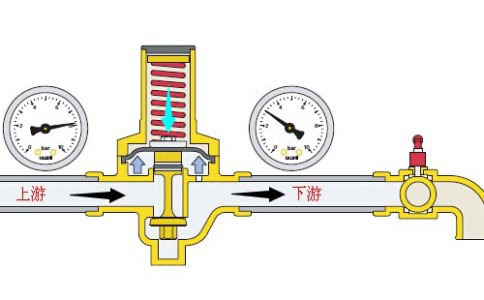
Pressure reducing valve working principle The Pressure Reducing Valve operates on a principle of force balance, acting as a self-regulating mechanism. The valve’s internal components—a diaphragm (or piston) and an adjustable spring—work in opposition. The spring is set to the desired downstream pressure. When fluid flows through the valve, the downstream pressure acts on the diaphragm, pushing against the spring force.
  • If the downstream pressure is too low: The spring force is greater, pushing the valve plug open to allow more flow, which increases the pressure.
  • If the downstream pressure is too high: The fluid pressure on the diaphragm overcomes the spring force, pushing the valve plug toward the seat. This reduces the flow area, effectively “throttling” the flow and bringing the downstream pressure back down to the set point.
This continuous, automatic adjustment ensures a stable, lower pressure is maintained, regardless of fluctuations in the high-pressure inlet side.

2. Pressure Relief Valve (Safety Valve) Working Principle

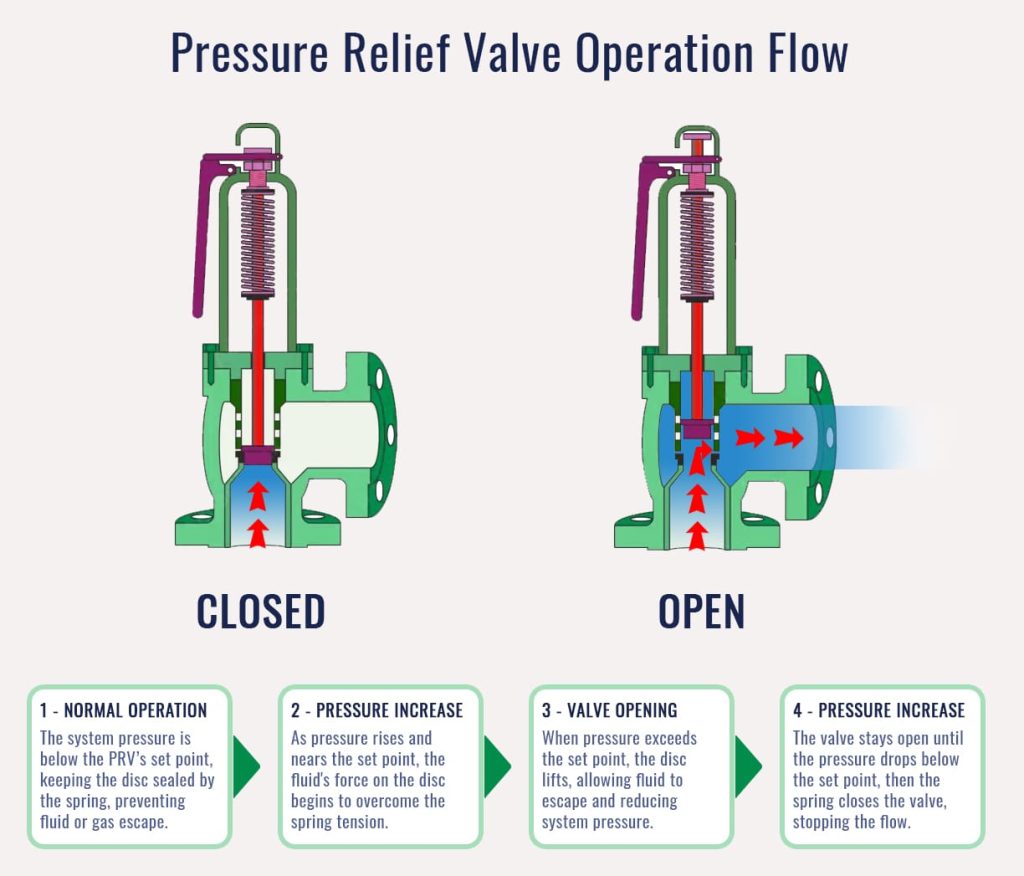
The Pressure Relief Valve is a critical safety device designed to prevent catastrophic overpressure. Its operation is simple and direct:
  • The valve’s disc or plug is held firmly against the inlet by a strong, calibrated spring (or a pilot mechanism). The force exerted by this spring is the заданное давление.
  • As system pressure rises, it exerts an upward force on the disc.
  • When the system pressure exceeds the set pressure, the upward force overcomes the spring force, causing the valve to rapidly open (often called “popping”).
  • This opening creates a path for the excess fluid to be discharged, quickly reducing the system pressure.
  • Once the pressure drops back to a safe level (the reseating pressure), the spring force reseats the disc, closing the valve and restoring normal operation.

3. Globe Control Valve Working Principle

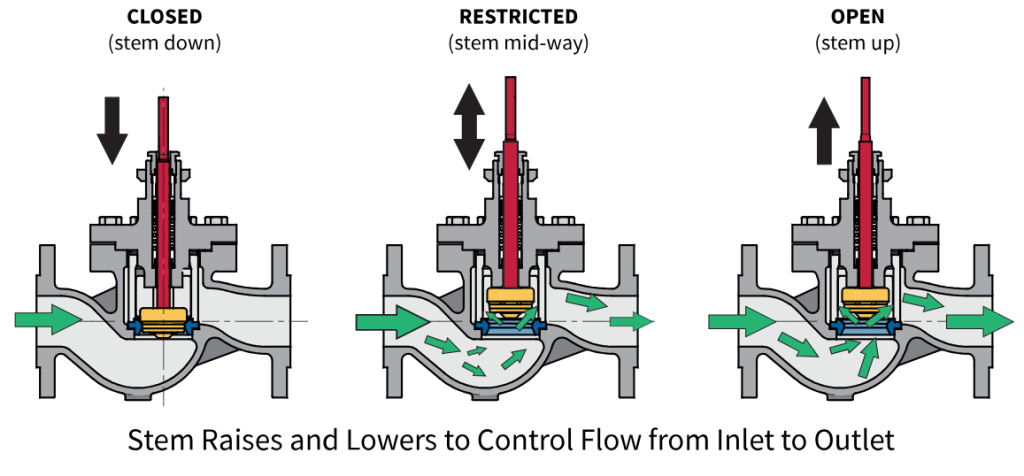
The Globe Control Valve is primarily a throttling valve, used for precise flow and pressure regulation. Unlike the self-actuating PRV and Relief Valve, the Globe Control Valve is typically actuated by an external source (pneumatic, electric, or hydraulic) to position its internal plug.
  • The valve’s design features a body with a movable plug that travels perpendicular to the flow path, seating against a stationary ring.
  • By adjusting the position of the plug relative to the seat, the flow area (and thus the resistance to flow) is precisely controlled.
  • This throttling action creates a pressure drop across the valve, allowing it to regulate both flow rate and downstream pressure with high accuracy. The linear motion and symmetrical flow characteristics give the Globe Control Valve excellent modulation and tight shut-off capabilities, making it the workhorse of automated process control.

The BCST Difference: Engineered for Durability and Performance

Choosing a reliable pressure control valve from BCST is a strategic, long-term investment in your operational integrity. Our products are not just components; they are precision instruments built on a foundation of durability, unparalleled accuracy, and minimal maintenance .

Why Choose BCST Pressure Control Solutions?

  • Unwavering Precision: Our pressure regulating valves are equipped with highly sensitive diaphragms and springs, ensuring an immediate and accurate response to pressure fluctuations. This allows for the maintenance of a tight tolerance on the set point, which is non-negotiable for applications demanding consistent process quality.
  • Rugged, Application-Specific Construction: Whether you require high-pressure relief valves for the harsh environments of oil and gas or water pressure reducing valves for municipal infrastructure, our products are available in a wide range of robust materials. This includes stainless steel, carbon steel, and specialized alloys, all chosen to withstand corrosive media, extreme temperatures, and high-cycle demands.
  • Optimized Energy Efficiency: By expertly managing system pressure, our pressure regulators play a direct role in minimizing pump energy consumption and reducing system heat. This translates directly into lower operating costs and a longer lifespan for your entire fluid system.
  • Comprehensive Technical Support: Our engineering team is ready to assist with valve selection, installation guidance, troubleshooting, and maintenance recommendations tailored to your specific application.
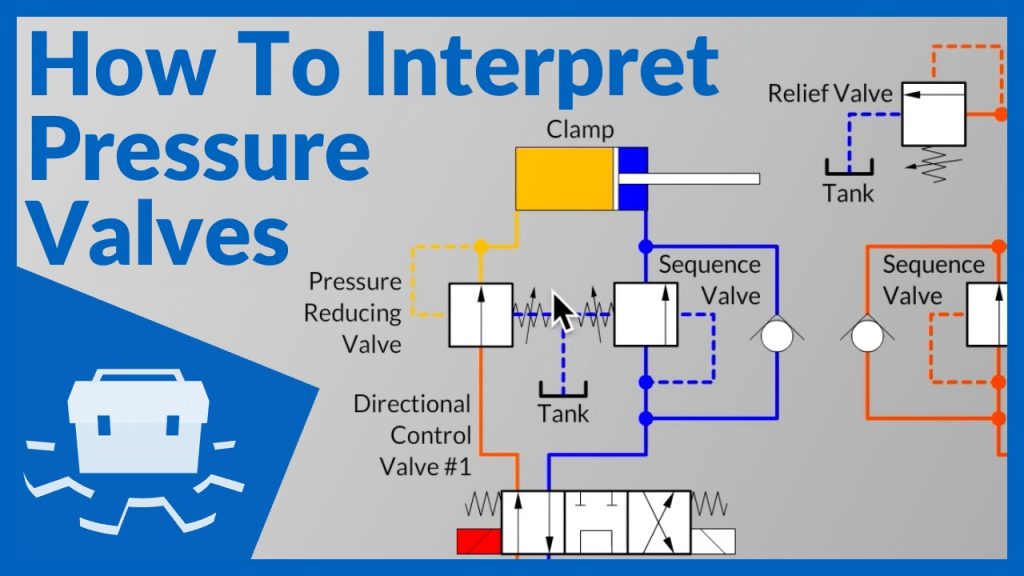
Figure 4: Standard hydraulic symbols for various pressure control valves used in system schematics.

Real-World Applications: Where BCST Valves Deliver Value

Our industrial pressure control valves are the dependable, behind-the-scenes workhorses that power critical operations across diverse sectors. Here’s where they make the biggest impact:

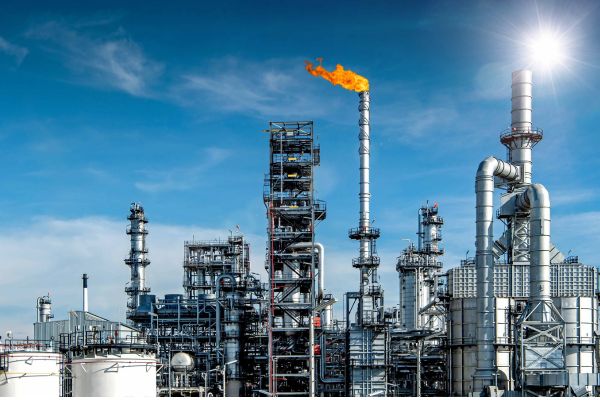
Oil & Gas and Petrochemical

Providing essential protection for pipelines, compressors, and processing equipment against dangerous overpressure events with our robust safety relief valves.

Производство электроэнергии

Guaranteeing stable steam and water pressure within boilers, turbines, and heat exchangers using our reliable pressure reducing regulators.
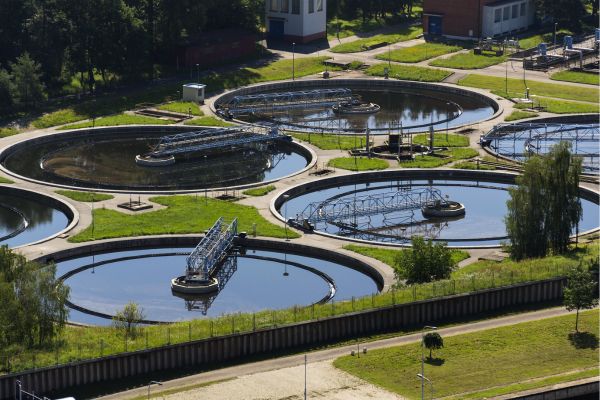
Клапан контроля давления, применяемый в водоснабжении и очистке сточных вод

Water and Wastewater Treatment

Ensuring consistent, safe, and regulated water distribution pressure throughout municipal and large-scale industrial networks.

Ready to Elevate Your System's Performance?

Don’t let the risk of fluctuating pressure compromise your safety, efficiency, or bottom line. It’s time to explore BCST Valve’s comprehensive range of pressure control valve solutions . Connect with BCST Valve’s expert engineering team for a personalized consultation. We will help you select the ideal pressure regulator or relief valve perfectly tailored to your specific technical requirements and application challenges.

Электронная почта

info@bcstgroup.com sales@bcstgroup.com

Телефон

+8615052699328 +8618888120966

WhatsApp

+8615052699328

Website

www.bcstvalve.com

Pressure Control Valve - Comprehensive Guide

Введение

Сайт клапан контроля давления is an essential part of any hydraulic system that assists in a variety of functions, such as keeping pressure below the desired limit and maintaining a set pressure in the circuit. You can find pressure control valves in every pneumatic and hydraulic system. Before using the клапан контроля давления, you need to understand the valve’s functions, specifications, advantages, and disadvantages. We will cover important aspects of the клапан контроля давления в этом руководстве.
1.Почему используется клапан контроля давления?
It is essential to control the pressure in the system. The pressure develops in the valve due to the fluid flow restriction. If we left unchecked, it can cause damage to the system, so it is essential to have a pressure control valve to control pressure levels. The клапан контроля давления Ограничивает максимальное давление, устанавливает противодавление, подает сигнал при нарушении заданного давления, защищает систему от избыточного давления и нагнетает давление при поступлении масла в контур. Без клапана управления давлением компоненты системы подачи жидкости могут быть повреждены.
2.Каков принцип работы клапана управления давлением?
Когда давление в гидравлической системе возрастает, это может привести к ее повреждению. На сайте клапан контроля давления предотвращает повреждение и перегрев системы. Существует две основные категории клапанов регулирования давления: клапаны прямого действия и клапаны с пилотным управлением.

Принцип работы клапана прямого действия

Прямое действие клапан контроля давления состоит из пружины, камеры пилотного клапана, камеры основного клапана, регулируемого винта и мембранной камеры. Механическая пружина удерживает поток жидкости. С помощью ручки можно изменить натяжение пружины, что в конечном итоге приводит к открытию клапана. Давление, под действием которого клапан открывается, называется давлением растрескивания. Когда это давление преодолевается, жидкость начинает течь. При полном давлении клапан открывается и пропускает максимальный поток жидкости. Принцип работы клапана прямого действия

Принцип работы клапана с пилотным управлением

The pilot operating valve consists of a spring, an adjustable screw, the main valve chamber, a diaphragm, and a pilot valve chamber. The primary function of the screw is to maintain the pressure. You can increase or decrease the pressure by tightening or loosening the bolt. When you tighten the control screw, it increases pressure on the adjustable spring. It causes the diaphragm to deform and opens the pilot valve. When the pilot valve opens, the pressurized steam enters the pilot valve; it causes the main diaphragm to open up. The opening of the main valve causes the flow of steam to the downstream line. The balancing line provides pressure on the diaphragm that balances the downward force on the spring. The pilot valve controls the flow of steam to the pilot valve chamber. You can adjust the pressure by holding the adjustable bolt, and the whole system balances automatically. Принцип работы клапана управления давлением с пилотным управлением
3.Каковы области применения клапана управления давлением?
Клапан управления давлением Применяется в различных отраслях промышленности, таких как атомные электростанции, нефтяная промышленность, гидравлические станции и пневматические системы управления. Он контролирует давление в системах водо-, паро- и газоснабжения. Сайт клапан контроля давления is used widely in areas with high water pressure networks to control the pressure level. The other applications of pressure control valves include air compressors, controlling the flow of load in pressure reactors, aerospace and aero craft, fuel engines, semiconductor machinery, air gauging, mining industries, tooling, and automation. It limits the maximum pressure by diverting the excessive oil when the pressure gets too high.
4.Каков принцип работы клапана управления давлением сброса?
В приводе есть силы, которые действуют в диапазоне давления в любой гидравлической системе. Этот диапазон является функцией сил, и во избежание повреждений необходимо контролировать или ограничивать эти силы. Разгрузка клапан контроля давления acts as a safeguard to limit the maximum pressure by diverting excessive oil when the pressure gets too high. The relief valve can be direct acting or pilot operated. The direct-acting relief valve has no adjusting screw, opening at the preset pressure. A direct-acting relief valve consists of a ball on one side and a spring. The force exerted on the spring is higher than the force on the ball. The port of the valve returns leakage of fluid to the tank. When the pressure rises, the ball allows the fluid to bypass the reservoir, maintaining the pressure at the valve setting. There is an adjusting screw in the relief valves, and you can use it to compress or decompress the spring. The direct-acting relief valve blocks flow until the force of pressure on the poppet overcomes the pressure on spring force and downstream pressure. The pilot-operated relief valves are suitable in applications that must relieve large flow with small differential pressure. Принцип работы клапана управления давлением прямого действия Принцип работы предохранительного клапана с пилотным управлением
5.Как установить клапан контроля давления?
Перед покупкой клапан контроля давленияДля установки необходимо убедиться, что у вас есть все заглушки и обмотки. Перед установкой убедитесь, что фитинги, заглушки и уплотнения на месте. Вот шаги, о которых следует помнить при установке.
  • Пожалуйста, не поднимайте клапан за трубки, так как это может погнуть место соединения и нарушить герметичность клапана. Лучше поднимать клапан за корпус или подъемные крюки сверху.
  • Установите шаровые краны на верхней и нижней сторонах регулирующего клапана.
  • Установите клапан контроля давленияв вертикальном положении. Горизонтальная ориентация приведет к нагрузке на шток клапана, что может вызвать утечку.
  • Проверьте положение отказа клапан контроля давленияПо положению индикатора можно определить, открыт или закрыт клапан. Открытый клапан означает, что он настроен на режим "не работает", а закрытый - на режим "не работает".
  • Тщательно осмотрите клапан, чтобы исключить попадание грязи в вентиляционное отверстие клапан контроля давления. Грязь делает подачу газа влажной и вызывает сырость. Используйте сжатый воздух для отвода газа.
  • При установке затягивайте болты звездообразно и заменяйте фланцевые корзины, если они повреждены.
  • Используйте тефлоновую ленту на резьбе для уплотнения соединения, чтобы предотвратить утечку.
6.В чем заключается важность клапанов управления давлением?
Сайт клапан контроля давления is part of every hydraulic system in keeping the system pressure below the desired upper limit. The pressure control valve prevents the bursting and leakage of pipelines. It manages the pressure by removing the excessive pressure. Due to these valves’ high performance and effectiveness, they are used in all hydraulic systems. With a клапан контроля давления в системе, вы можете управлять давлением в системе на регулируемых уровнях для обеспечения статического давления. Гидравлическая система может быть повреждена по разным причинам. Например, насос отключается или возвращается в бак. A клапан контроля давления позволяет контролировать силу и давление в приводе и поддерживать их на безопасном уровне.
7.Что такое модель создания клапана управления давлением?
To understand the model’s analysis and processing, we need to make a few assumptions.
  • Эффект гидравлического масла не влияет на характеристики клапана, поэтому мы не будем учитывать его влияние в процессе моделирования.
  • Поскольку сила трения, инерционная сила и сила зажатия воздействуют на сердечник клапана с небольшими значениями, их влияние также не учитывается в процессе моделирования.
  • Внутренние и внешние утечки клапана не рассматриваются.
  • Небольшое расстояние между сердечником клапана и втулкой приводит к тому, что сердечник клапана движется с одной степенью свободы вдоль оси, поэтому вращательное движение относительно оси игнорируется.
The valve core balance equation will be: P1 A1 – P2 A2 –P3A3 = m1 d2x/dt2 + (BS1 + Bx)dx/dt + Kx (x+x˳) + Bw1 x
8.Каковы технические характеристики клапанов управления давлением?
  • Он состоит из шарового крана, который обеспечивает высокий контроль и диапазон регулирующего элемента. Он помогает при работе с большим расходом, высоким давлением и высокой температурой.
  • Балансировочные клапаны отвечают за поддержание постоянной температуры воды и компенсацию перепада давления.
  • Регулирующие клапаны давления управляются пилотом или гидравлически с помощью мембраны или поршня. Они изготавливаются из нержавеющей стали или бронзы.
  • Индикаторный стержень - важная часть клапана управления давлением, показывающая положение клапана.
  • Корпус клапана, фланцы и крышки изготавливаются в соответствии с ASTM A 126, класс B, или ASTM A 48, класс 35 из нержавеющей стали. Материал бронзы для внутренней отделки - ASTM B 62.
  • Управляющий клапан главного клапана может быть односедельным, мембранным или пружинным. Для удобства регулировки управляющий клапан следует установить на основной клапан.
9.Каковы преимущества клапана управления давлением?
Сайт клапан контроля давления assists in various functions like keeping the pressure below the desired limit and controlling the flow of fluid depending on the signal from the controller. It also controls the flow of liquid, pressure, and temperature. It is also referred to as a final control element in automatic control terminology. A клапан контроля давления регулирует открытие и закрытие регулирующего клапана в пневматических, гидравлических и электрических приводах. Контуры управления устанавливают температуру и давление в рабочем диапазоне. Датчики измеряют любые внутренние возмущения, и клапан контроля давления обязательно корректирует эти нарушения. Сайт клапан контроля давления играет важную роль в поддержании точного функционирования системы. Она обеспечивает эффективность работы системы, оператора и компании в целом.
10.Как работает клапан контроля давления в гидравлической системе?
Различные клапаны выполняют в схеме разные функции. Сайт клапан контроля давления регулирует давление в гидравлической системе, перенаправляя поток жидкости в альтернативный путь при достижении заданного давления. Сайт клапан контроля давления acts as a fuse that protects the system from the excess current by keeping it within a limit. The downstream pressure actuates the pressure control valve that starts reverse free flow. The valve dumps excess fluid into the tank in high-low pump circuits. These pumps move on the actuator at low pressure and high speed. The клапан контроля давления Поддерживает низкий перепад давления, направляя избыточный поток из бака.
11.Что такое прецизионный регулятор давления в клапане управления давлением?
The purpose of the precision regulator is to provide constant pressure output concerning fluctuating supply pressure. Various reasons can cause fluctuations in the pressure, such as excessive downstream pressure, leakage, temperature changes, changes in pressure flows, etc. Pressure regulators are important for accurate maintenance. The pressure regulator provides controlled pressure that ensures workspace safety. The overall system will perform more effectively when there is less wastage of pressurized air. You can also prevent damage to the machine and equipment. Регулятор давления
12.Что такое манометры и как они работают в клапане регулирования давления?
Manometers are the measuring instrument for measuring pressure. It provides accurate measurement of different pressure values. There are two manometers for measuring pressure, analogue and digital manometers. Analog manometer operates using the hydrostatic balance principle. It has U shaped tube, and both ends are open to measure atmospheric pressure. The fluid level in the two tubes shows the amount of pressure applied. Digital manometers consist of a pressure transducer device that converts the pressure level into an electrical signal. This signal is proportional to the magnitude of pressure, and you can calibrate the electrical parameter after detection to a pressure reading. Digital manometers are portable with easy displays as compared to analogue manometers. They don’t need periodic calibrations as digital manometers don’t have primary standards. They also provide accurate measurement because of using computer applications.
13.Как откалибровать клапан управления давлением?
Калибровка очень важна для количественного определения погрешностей измерительного прибора. В целях безопасности калибровку следует проводить раз в год. Для калибровки клапан контроля давленияДля этого необходимо выполнить следующие действия.
  • Определите уставку клапана регулирования давления. Эта уставка будет определять открытие клапана, контролируя давление.
  • Определив уставку, убедитесь в отсутствии утечек.
  • Увеличьте давление, проверьте показания давления на дисплее и запишите их в листе данных измерений.
  • Медленно снижайте давление и наблюдайте за закрытием клапана. Запишите это измерение, а затем повторите ту же процедуру 2-3 раза.
Во время калибровки необходимо соблюдать три этапа: установочное давление, избыточное давление и давление закрытия. Установочное давление - это показания давления при резком сбросе давления клапаном. Избыточное давление - это давление, когда клапан полностью открыт. Давление закрытия - это давление сброса, при котором клапан перестает сбрасывать давление.
14.Как правильно выбрать клапан управления давлением?
Для выбора подходящего клапан контроля давления, you need to keep certain things in mind. You need to understand the material of the valve according to the requirement of the project. The media that flows through the valve can affect the valve’s performance. The wrong material can affect the performance of the valve. Various corrosive resistant valves can ensure the high performance of the valve. The pressure valve size is also very important in measuring the pressure. If the size is too small, it will be challenging to carry out the task. The incorrect valve size can also damage the system, so it is essential to know the size of the valve based on the requirement of the project. The third concern is the pricing of the клапан контроля давления. Вам необходимо рассмотреть различные варианты и выбрать подходящий для вас клапан давления.

Свяжитесь с нами

Tell us your specs; our engineer will reply within 24 hours.