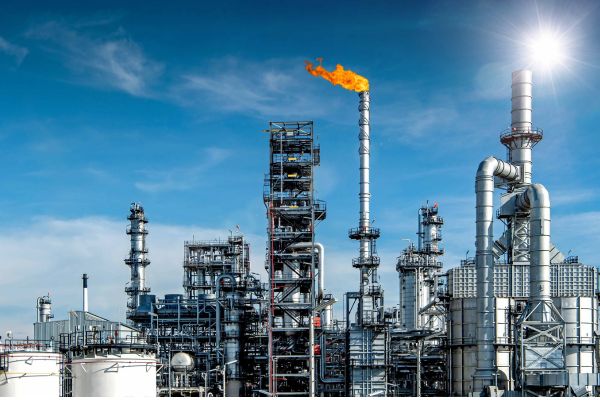
Precision Under Pressure

Your Definitive Guide to High-Performance Pressure Control Valves
High Pressure Control Valve

The Unseen Regulator: Why Pressure Control is Mission-Critical

In the complex world of industrial and commercial fluid systems, pressure control isn’t just a technical detail. It’s the bedrock of operational safety, efficiency, and equipment longevity. Unregulated pressure can be a silent threat, leading to costly downtime, inconsistent product quality, and even catastrophic equipment failure. At BCST Valve, we share your commitment to precise fluid management. That’s why we engineer and supply high-quality pressure control valves designed to be the reliable, unseen regulators that keep your most demanding applications running smoothly. A pressure control valve is a sophisticated mechanical device specifically engineered to automatically manage and maintain fluid pressure within a system at a desired, stable level. This category includes specialized valves that react to pressure changes (like relief and reducing valves) and general-purpose válvulas de control like the Globe Control Valve , which can be used for precise pressure and flow regulation. Whether your goal is to limit maximum system pressure, reduce a high, fluctuating inlet pressure to a lower, stable outlet pressure, or sequence complex operations based on pressure thresholds, selecting the right valve is absolutely essential.

Decoding the Essentials: Key Types of Pressure Control Valves

The term “Pressure Control Valve” is an umbrella category that covers several specialized devices. Each type is designed to perform a distinct function, and understanding these differences is the first step in optimizing your system’s performance.
Tipo de válvula Función principal Common Synonyms & Related Terms Aplicación típica Product Image
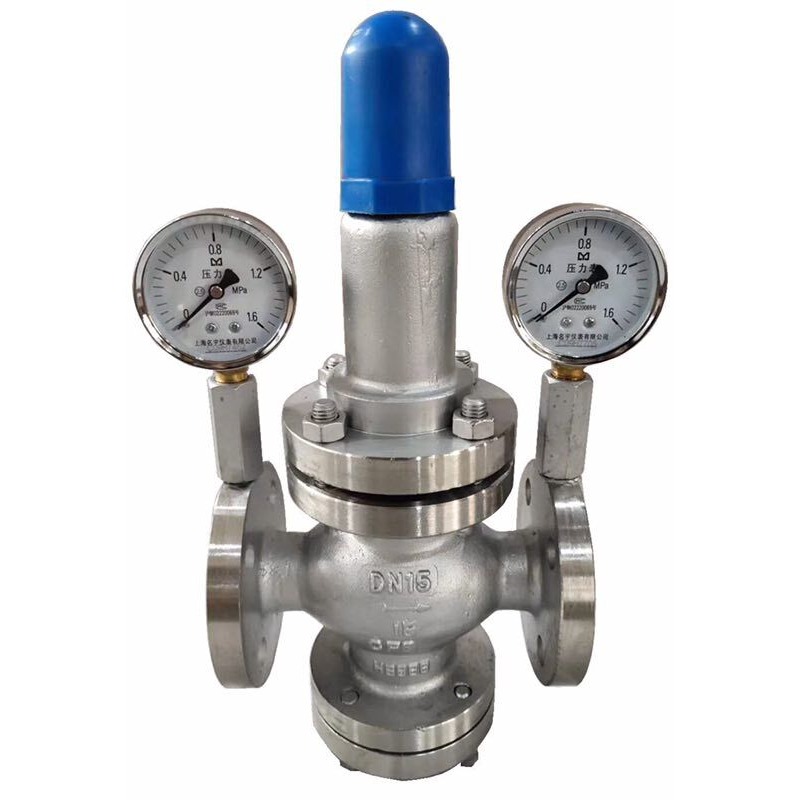
Válvula reductora de presión (PRV) Automatically reduces a high, often fluctuating, upstream pressure to a lower, constant downstream pressure, maintaining stability regardless of changes in flow rate. Pressure Regulator, Reducing Valve, Water Pressure Reducer, Pressure Reducing Regulator Water distribution systems, HVAC, steam lines, process control in manufacturing. Pressure Reducing Valve Product
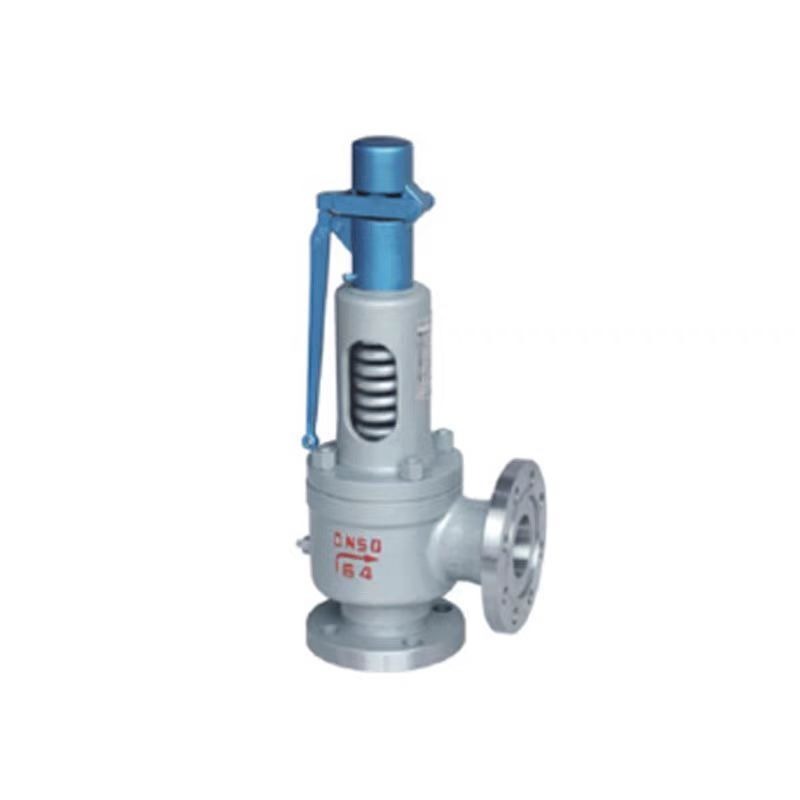
Pressure Relief Valve (Safety Valve) Acts as a critical safety mechanism by rapidly venting excess fluid when the system pressure exceeds a pre-set maximum limit, preventing equipment damage. Safety Relief Valve, Overpressure Protection Valve, Blow-off Valve Boilers, pressure vessels, pipelines, chemical and petrochemical processing. Pressure Relief Valve Product
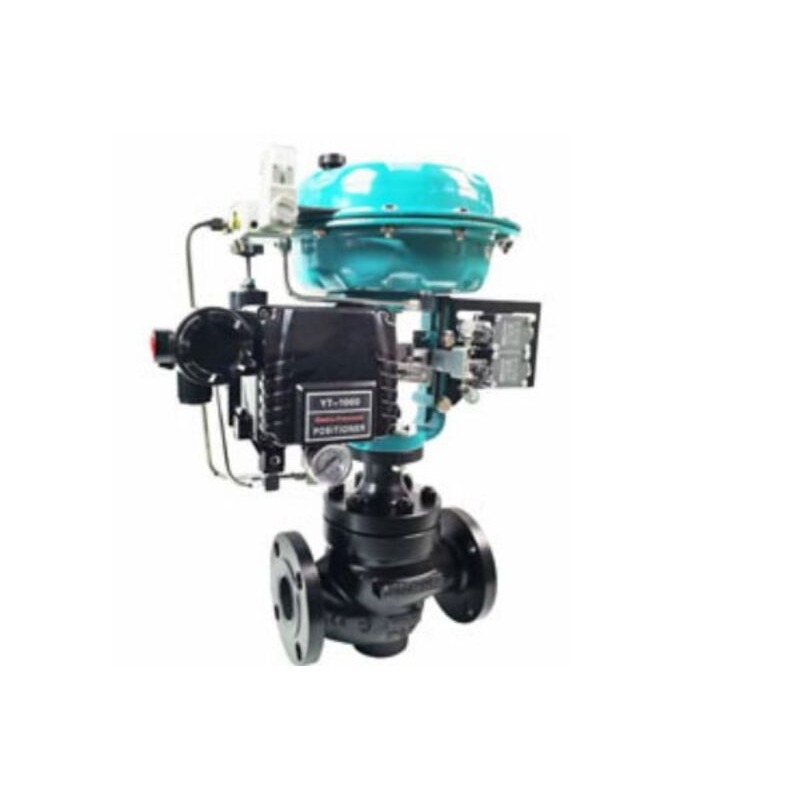
Válvula de globo Precisely regulates fluid flow and pressure by varying the distance between a movable plug and a stationary seat, offering excellent throttling capability. Single-Seat Control Valve, Throttling Valve, Flow Regulator Process control systems, steam regulation, high-pressure drop applications. Globe Control Valve Product

How They Work: The Core Principles of Pressure Control

Understanding the working mechanism of these valves is key to appreciating their role in system integrity. While their designs vary, each valve type employs a precise physical principle to achieve its specific control function.

1. Pressure Reducing Valve (PRV) Working Principle

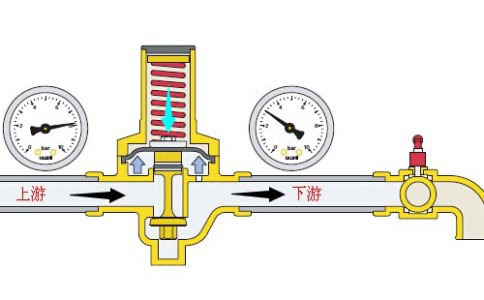
Pressure reducing valve working principle The Pressure Reducing Valve operates on a principle of force balance, acting as a self-regulating mechanism. The valve’s internal components—a diaphragm (or piston) and an adjustable spring—work in opposition. The spring is set to the desired downstream pressure. When fluid flows through the valve, the downstream pressure acts on the diaphragm, pushing against the spring force.
  • If the downstream pressure is too low: The spring force is greater, pushing the valve plug open to allow more flow, which increases the pressure.
  • If the downstream pressure is too high: The fluid pressure on the diaphragm overcomes the spring force, pushing the valve plug toward the seat. This reduces the flow area, effectively “throttling” the flow and bringing the downstream pressure back down to the set point.
This continuous, automatic adjustment ensures a stable, lower pressure is maintained, regardless of fluctuations in the high-pressure inlet side.

2. Pressure Relief Valve (Safety Valve) Working Principle

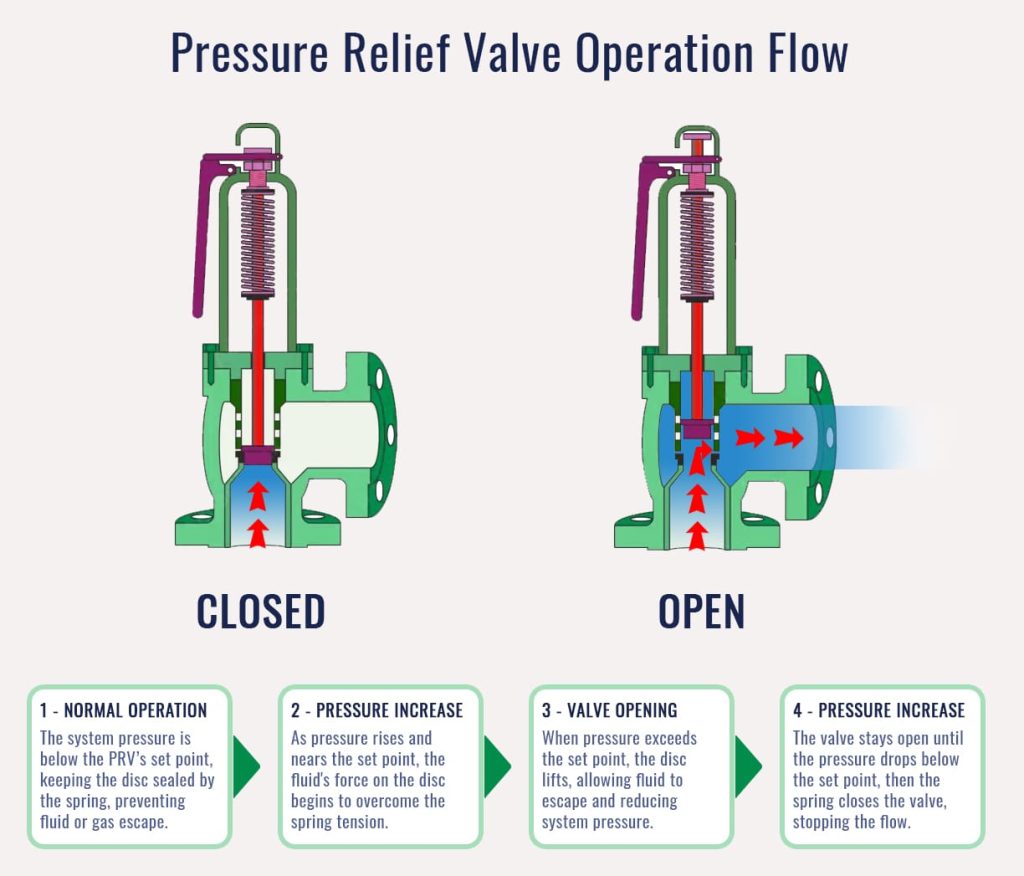
The Pressure Relief Valve is a critical safety device designed to prevent catastrophic overpressure. Its operation is simple and direct:
  • The valve’s disc or plug is held firmly against the inlet by a strong, calibrated spring (or a pilot mechanism). The force exerted by this spring is the set pressure.
  • As system pressure rises, it exerts an upward force on the disc.
  • When the system pressure exceeds the set pressure, the upward force overcomes the spring force, causing the valve to rapidly open (often called “popping”).
  • This opening creates a path for the excess fluid to be discharged, quickly reducing the system pressure.
  • Once the pressure drops back to a safe level (the reseating pressure), the spring force reseats the disc, closing the valve and restoring normal operation.

3. Globe Control Valve Working Principle

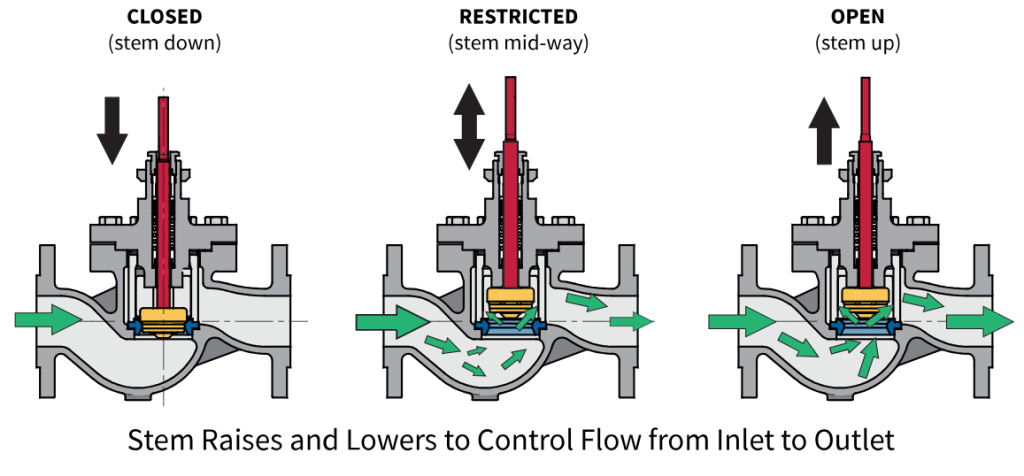
The Globe Control Valve is primarily a throttling valve, used for precise flow and pressure regulation. Unlike the self-actuating PRV and Relief Valve, the Globe Control Valve is typically actuated by an external source (pneumatic, electric, or hydraulic) to position its internal plug.
  • The valve’s design features a body with a movable plug that travels perpendicular to the flow path, seating against a stationary ring.
  • By adjusting the position of the plug relative to the seat, the flow area (and thus the resistance to flow) is precisely controlled.
  • This throttling action creates a pressure drop across the valve, allowing it to regulate both flow rate and downstream pressure with high accuracy. The linear motion and symmetrical flow characteristics give the Globe Control Valve excellent modulation and tight shut-off capabilities, making it the workhorse of automated process control.

The BCST Difference: Engineered for Durability and Performance

Choosing a reliable pressure control valve from BCST is a strategic, long-term investment in your operational integrity. Our products are not just components; they are precision instruments built on a foundation of durability, unparalleled accuracy, and minimal maintenance .

Why Choose BCST Pressure Control Solutions?

  • Unwavering Precision: Our pressure regulating valves are equipped with highly sensitive diaphragms and springs, ensuring an immediate and accurate response to pressure fluctuations. This allows for the maintenance of a tight tolerance on the set point, which is non-negotiable for applications demanding consistent process quality.
  • Rugged, Application-Specific Construction: Whether you require high-pressure relief valves for the harsh environments of oil and gas or water pressure reducing valves for municipal infrastructure, our products are available in a wide range of robust materials. This includes stainless steel, carbon steel, and specialized alloys, all chosen to withstand corrosive media, extreme temperatures, and high-cycle demands.
  • Optimized Energy Efficiency: By expertly managing system pressure, our pressure regulators play a direct role in minimizing pump energy consumption and reducing system heat. This translates directly into lower operating costs and a longer lifespan for your entire fluid system.
  • Comprehensive Technical Support: Our engineering team is ready to assist with valve selection, installation guidance, troubleshooting, and maintenance recommendations tailored to your specific application.
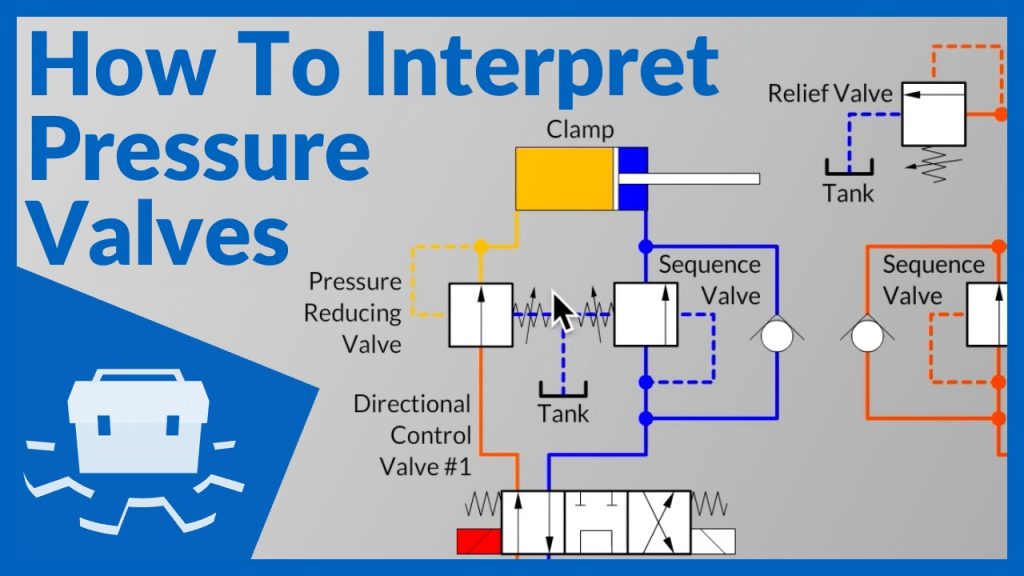
Figure 4: Standard hydraulic symbols for various pressure control valves used in system schematics.

Real-World Applications: Where BCST Valves Deliver Value

Our industrial pressure control valves are the dependable, behind-the-scenes workhorses that power critical operations across diverse sectors. Here’s where they make the biggest impact:

Oil & Gas and Petrochemical

Providing essential protection for pipelines, compressors, and processing equipment against dangerous overpressure events with our robust safety relief valves.

Generación de energía

Guaranteeing stable steam and water pressure within boilers, turbines, and heat exchangers using our reliable pressure reducing regulators.
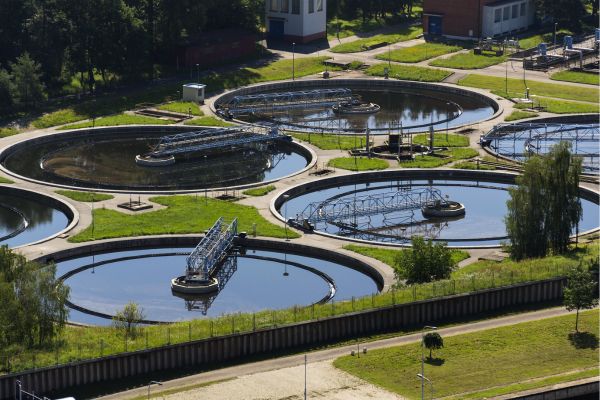
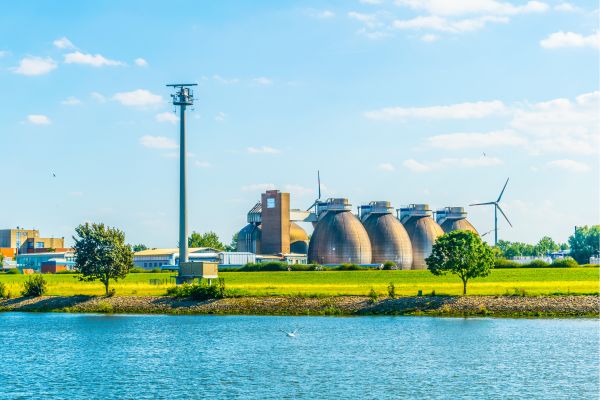
válvula de control de presión aplicada en el tratamiento de aguas y aguas residuales

Water and Wastewater Treatment

Ensuring consistent, safe, and regulated water distribution pressure throughout municipal and large-scale industrial networks.

Ready to Elevate Your System's Performance?

Don’t let the risk of fluctuating pressure compromise your safety, efficiency, or bottom line. It’s time to explore BCST Valve’s comprehensive range of pressure control valve solutions . Connect with BCST Valve’s expert engineering team for a personalized consultation. We will help you select the ideal pressure regulator or relief valve perfectly tailored to your specific technical requirements and application challenges.

Correo electrónico

info@bcstgroup.com sales@bcstgroup.com

Phone

+8615052699328 +8618888120966

WhatsApp

+8615052699328

Website

www.bcstvalve.com

Pressure Control Valve - Comprehensive Guide

Introducción

En válvula de control de presión is an essential part of any hydraulic system that assists in a variety of functions, such as keeping pressure below the desired limit and maintaining a set pressure in the circuit. You can find pressure control valves in every pneumatic and hydraulic system. Before using the válvula de control de presión, you need to understand the valve’s functions, specifications, advantages, and disadvantages. We will cover important aspects of the válvula de control de presión en esta guía.
1.¿Por qué se utiliza la válvula limitadora de presión?
It is essential to control the pressure in the system. The pressure develops in the valve due to the fluid flow restriction. If we left unchecked, it can cause damage to the system, so it is essential to have a pressure control valve to control pressure levels. The válvula de control de presión limita la presión máxima, fija la contrapresión, envía una señal cuando se supera la presión fijada, protege el sistema de la sobrepresión y ejerce presión cuando entra aceite en el circuito. Sin la válvula de control de presión, los componentes de la transmisión hidráulica podrían resultar dañados.
2. ¿Cuál es el principio de funcionamiento de la válvula limitadora de presión?
Cuando la presión se acumula en un sistema hidráulico, puede causar daños en el sistema. El sitio válvula de control de presión evita estos daños y el sobrecalentamiento del sistema. Existen dos categorías principales de válvulas reguladoras de presión: las de acción directa y las pilotadas.

Principio de funcionamiento de la válvula de acción directa

La acción directa válvula de control de presión consta de un muelle, una cámara de válvula piloto, una cámara de válvula principal, un tornillo ajustable y una cámara de diafragma. Hay un muelle mecánico que retiene el flujo de fluido. Con el mando se puede modificar la tensión del muelle que acaba provocando la apertura de la válvula. La presión que provoca la apertura de la válvula se denomina presión de rotura. Cuando se supera esta presión, el fluido fluye. A la presión máxima de la válvula de alivio, la válvula se abre y permite el flujo máximo de fluido. Principio de funcionamiento de la válvula de acción directa

Principio de funcionamiento de la válvula pilotada

The pilot operating valve consists of a spring, an adjustable screw, the main valve chamber, a diaphragm, and a pilot valve chamber. The primary function of the screw is to maintain the pressure. You can increase or decrease the pressure by tightening or loosening the bolt. When you tighten the control screw, it increases pressure on the adjustable spring. It causes the diaphragm to deform and opens the pilot valve. When the pilot valve opens, the pressurized steam enters the pilot valve; it causes the main diaphragm to open up. The opening of the main valve causes the flow of steam to the downstream line. The balancing line provides pressure on the diaphragm that balances the downward force on the spring. The pilot valve controls the flow of steam to the pilot valve chamber. You can adjust the pressure by holding the adjustable bolt, and the whole system balances automatically. Principio de funcionamiento de la válvula de control de presión de funcionamiento piloto
3. ¿Cuáles son las aplicaciones de la válvula limitadora de presión?
La válvula de control de presión es aplicable en diversas industrias, como centrales nucleares, petroleras, centrales hidráulicas y sistemas de control neumático. Controla la presión en sistemas de agua, vapor y gas. El válvula de control de presión is used widely in areas with high water pressure networks to control the pressure level. The other applications of pressure control valves include air compressors, controlling the flow of load in pressure reactors, aerospace and aero craft, fuel engines, semiconductor machinery, air gauging, mining industries, tooling, and automation. It limits the maximum pressure by diverting the excessive oil when the pressure gets too high.
4. ¿Cuál es el principio de funcionamiento de la válvula limitadora de presión?
Existen fuerzas en el actuador que operan dentro del rango de presión en cualquier sistema hidráulico. Este rango es la función de las fuerzas, y uno debe controlar o limitar estas fuerzas para evitar cualquier daño. El alivio válvula de control de presión acts as a safeguard to limit the maximum pressure by diverting excessive oil when the pressure gets too high. The relief valve can be direct acting or pilot operated. The direct-acting relief valve has no adjusting screw, opening at the preset pressure. A direct-acting relief valve consists of a ball on one side and a spring. The force exerted on the spring is higher than the force on the ball. The port of the valve returns leakage of fluid to the tank. When the pressure rises, the ball allows the fluid to bypass the reservoir, maintaining the pressure at the valve setting. There is an adjusting screw in the relief valves, and you can use it to compress or decompress the spring. The direct-acting relief valve blocks flow until the force of pressure on the poppet overcomes the pressure on spring force and downstream pressure. The pilot-operated relief valves are suitable in applications that must relieve large flow with small differential pressure. Principio de funcionamiento de la válvula reguladora de presión de acción directa Principio de funcionamiento de la válvula limitadora de presión pilotada
5.¿Cómo instalar una válvula limitadora de presión?
Antes de comprar el válvula de control de presión, debe asegurarse de que dispone de todos los tapones y envoltorios para instalarlo. Antes de la instalación, asegúrese de que los accesorios, los tapones y las juntas están en su sitio. Estos son los pasos que debe tener en cuenta durante la instalación.
  • Por favor, no levante la válvula por el tubo ya que puede doblar el punto de conexión y romper el sello de la válvula. Es mejor levantar la válvula por el cuerpo o levantar ganchos en la parte superior.
  • Instale las válvulas de bola en los lados aguas arriba y aguas abajo de la válvula de control.
  • Instale el válvula de control de presiónen la orientación vertical. La orientación horizontal dará lugar a poner peso en el vástago de la válvula que puede causar fugas.
  • Compruebe la posición de fallo del válvula de control de presiónmirando la posición del indicador para ver si la válvula está abierta o cerrada. La válvula abierta significa que está configurado para fallar abierto y cerrar la válvula es caer cerca.
  • Inspeccione la válvula a fondo para evitar cualquier suciedad en el puerto de ventilación de la válvula de control de presión. La suciedad humedecerá el suministro de gas y provocará humedad. Utilice aire comprimido para extraer el gas de suministro.
  • Durante la instalación, apriete los tornillos en forma de estrella y sustituya las cestas de las bridas cuando estén dañadas.
  • Utilice cinta de teflón en las roscas para sellar la conexión que evita fugas.
6.¿Cuál es la importancia de las válvulas de control de presión?
En válvula de control de presión is part of every hydraulic system in keeping the system pressure below the desired upper limit. The pressure control valve prevents the bursting and leakage of pipelines. It manages the pressure by removing the excessive pressure. Due to these valves’ high performance and effectiveness, they are used in all hydraulic systems. With a válvula de control de presión en el sistema, puede gestionar la presión del sistema a niveles regulados para garantizar la presión estática. El sistema hidráulico puede sufrir daños por varias razones. Por ejemplo, la bomba se descarga o recircula de vuelta al depósito. A válvula de control de presión puede controlar la fuerza y la presión del actuador y mantenerlas en niveles seguros.
7. ¿Cuál es el modelo de válvula de control de presión?
To understand the model’s analysis and processing, we need to make a few assumptions.
  • El efecto del aceite hidráulico no afecta a las características de la válvula, por lo que no tendremos en cuenta su influencia en el proceso de modelización.
  • Como la fuerza de fricción, la fuerza de inercia y la fuerza de sujeción afectan al núcleo de la válvula con valores pequeños, su influencia también se ignorará en el proceso de modelado.
  • No se tendrán en cuenta las fugas internas y externas de la válvula.
  • Una pequeña distancia entre el núcleo de la válvula y el manguito hace que el núcleo de la válvula se mueva en un solo grado de libertad a lo largo del eje, por lo que el movimiento de rotación a su eje será ignorado.
The valve core balance equation will be: P1 A1 – P2 A2 –P3A3 = m1 d2x/dt2 + (BS1 + Bx)dx/dt + Kx (x+x˳) + Bw1 x
8.¿Cuáles son las especificaciones de las válvulas de control de presión?
  • Consiste en una válvula de bola que proporciona un alto control y rangeabilidad del elemento regulador. Ayuda en el funcionamiento de alto caudal, alta presión y alta temperatura.
  • Las válvulas de equilibrado se encargan de mantener constante la temperatura del agua y compensar la caída de presión.
  • Las válvulas de control de presión son pilotadas o accionadas hidráulicamente con una membrana o un pistón. Tienen material de acero inoxidable o bronce.
  • La varilla indicadora es una parte importante de la válvula de control de presión para mostrar la posición de la válvula.
  • El cuerpo de la válvula, las bridas y las tapas se fabrican según la norma ASTM A 126, clase B, o ASTM A 48, clase 35 de acero inoxidable. El material de bronce del embellecedor interno será por ASTM B 62.
  • La válvula piloto de la válvula principal es de un solo asiento, de diafragma o de muelle. Debe instalar la válvula piloto en la válvula principal para facilitar los ajustes.
9.¿Cuáles son las ventajas de la válvula limitadora de presión?
En válvula de control de presión assists in various functions like keeping the pressure below the desired limit and controlling the flow of fluid depending on the signal from the controller. It also controls the flow of liquid, pressure, and temperature. It is also referred to as a final control element in automatic control terminology. A válvula de control de presión regula la apertura y el cierre de la válvula de control en actuadores neumáticos, hidráulicos y eléctricos. Los lazos de control fijan la temperatura y la presión en el rango de funcionamiento. Los sensores miden cualquier perturbación interna, y el válvula de control de presión se asegura de corregir estas perturbaciones. El sitio válvula de control de presión desempeña un papel esencial en el mantenimiento del funcionamiento preciso del sistema. Garantiza la eficiencia del sistema, del operador y de la empresa en general.
10.¿Cómo funciona la válvula de control de presión en un sistema hidráulico?
Las distintas válvulas desempeñan diversas funciones en el circuito. El sitio válvula de control de presión controla la presión en el sistema hidráulico desviando el flujo de fluido a la ruta alternativa una vez que alcanza la presión preestablecida. La dirección válvula de control de presión acts as a fuse that protects the system from the excess current by keeping it within a limit. The downstream pressure actuates the pressure control valve that starts reverse free flow. The valve dumps excess fluid into the tank in high-low pump circuits. These pumps move on the actuator at low pressure and high speed. The válvula de control de presión mantiene la caída de baja presión enviando el exceso de caudal procedente del depósito.
11.¿Qué es un regulador de presión de precisión en una válvula de control de presión?
The purpose of the precision regulator is to provide constant pressure output concerning fluctuating supply pressure. Various reasons can cause fluctuations in the pressure, such as excessive downstream pressure, leakage, temperature changes, changes in pressure flows, etc. Pressure regulators are important for accurate maintenance. The pressure regulator provides controlled pressure that ensures workspace safety. The overall system will perform more effectively when there is less wastage of pressurized air. You can also prevent damage to the machine and equipment. Regulador de presión
12.¿Qué son los manómetros y cómo funcionan en las válvulas de control de presión?
Manometers are the measuring instrument for measuring pressure. It provides accurate measurement of different pressure values. There are two manometers for measuring pressure, analogue and digital manometers. Analog manometer operates using the hydrostatic balance principle. It has U shaped tube, and both ends are open to measure atmospheric pressure. The fluid level in the two tubes shows the amount of pressure applied. Digital manometers consist of a pressure transducer device that converts the pressure level into an electrical signal. This signal is proportional to the magnitude of pressure, and you can calibrate the electrical parameter after detection to a pressure reading. Digital manometers are portable with easy displays as compared to analogue manometers. They don’t need periodic calibrations as digital manometers don’t have primary standards. They also provide accurate measurement because of using computer applications.
13.¿Cómo calibrar la válvula de control de presión?
La calibración es muy importante para identificar la determinación cuantitativa de errores en un dispositivo de medición. Por razones de seguridad, la calibración debe realizarse una vez al año. Para calibrar el válvula de control de presión, debe seguir estos pasos.
  • Determine el punto de consigna de la válvula de control de presión. Este punto de consigna anticipará la apertura de la válvula controlando la presión.
  • Una vez determinado el punto de consigna, asegúrese de que no hay fugas.
  • Aumente la presión, compruebe la lectura de presión en la pantalla y anótela en la hoja de datos de medición.
  • Disminuya lentamente el flujo de presión y observe el cierre de la válvula. Registre esta medición y, a continuación, repita el mismo procedimiento 2-3 veces.
Debe observar tres etapas durante la calibración: presión de ajuste, sobrepresión y presión de cierre. La presión de ajuste es la lectura de la presión cuando la válvula libera presión bruscamente. La sobrepresión es la presión cuando la válvula está completamente abierta. La presión de cierre es la presión de restablecimiento, y aquí la válvula deja de liberar la presión.
14.¿Cómo seleccionar la válvula de control de presión adecuada?
Para seleccionar el válvula de control de presión, you need to keep certain things in mind. You need to understand the material of the valve according to the requirement of the project. The media that flows through the valve can affect the valve’s performance. The wrong material can affect the performance of the valve. Various corrosive resistant valves can ensure the high performance of the valve. The pressure valve size is also very important in measuring the pressure. If the size is too small, it will be challenging to carry out the task. The incorrect valve size can also damage the system, so it is essential to know the size of the valve based on the requirement of the project. The third concern is the pricing of the válvula de control de presión. Debe considerar varias opciones y conseguir la válvula de presión que más le convenga.

Póngase en contacto con nosotros

Tell us your specs; our engineer will reply within 24 hours.