

BCST Safety Gas Valves: Preventing Catastrophic Incidents Since 2002
- ISO-certified manufacturer with 22 years of specialized valve engineering expertise
- ATEX, API 600/602/603/6D, and NACE MR0175 certified for global compliance
- 7-day delivery for standard valves, 20 days for customized solutions
- Serving 60+ countries with 400+ successful global projects completed
- Comprehensive technical support before, during, and after installation
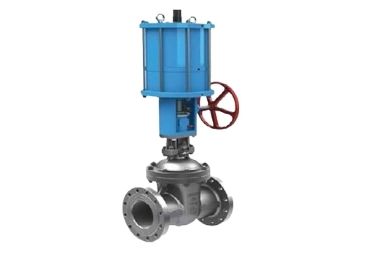
Industrial & Factory Automation Products
BCST Each valve type is engineered for specific safety scenarios with response times as fast as 0.2 seconds, ATEX Zone 1 & 2 certification, and SIL3 compliance for the most critical safety functions. With over 25 patent-protected safety mechanisms and customization capabilities for specialized gas applications, BCST provides comprehensive safety solutions for flammable gas environments worldwide.

صمامات تخفيف الضغط
Shut-Off Valves

Lever Safety Valve

صمام أمان الحمل الزنبركي

safety relief valve
عملية تصنيع الصمامات
اكتشف الحرفية الدقيقة وراء صماماتنا الصناعية المتميزة
1 اختيار المواد وإعدادها
نبدأ باختيار أجود المواد التي يتم الحصول عليها من موردين موثوق بهم. وتخضع كل مادة لاختبارات صارمة من حيث التركيب والقوة والمتانة قبل تجهيزها للتشغيل الآلي.
2 التصنيع الآلي الدقيق
باستخدام أحدث ماكينات التحكم الرقمي باستخدام الحاسب الآلي والأدوات المتطورة، نقوم بتصنيع المكونات بدقة على مستوى الميكرون. وهذا يضمن ملاءمة مثالية وأسطحاً ناعمة وتفاوتات دقيقة في الأبعاد المطلوبة لتحقيق الأداء الأمثل للصمامات.
3 التجميع والدمج
يتم تجميع المكونات باستخدام تقنيات متخصصة بواسطة فنيين متمرسين. يتم تركيب موانع التسرب الحرجة والنوابض والأجزاء المتحركة بدقة لضمان التشغيل المقاوم للتسرب والأداء الموثوق به تحت الضغط.
4 الاختبار ومراقبة الجودة
ويخضع كل صمام لاختبارات شاملة بما في ذلك اختبارات الضغط وفحوصات التسرب والتحقق من الأداء الوظيفي. الصمامات التي تفي بمعايير الجودة الصارمة الخاصة بنا هي فقط التي تنتقل إلى التعبئة النهائية والشحن.
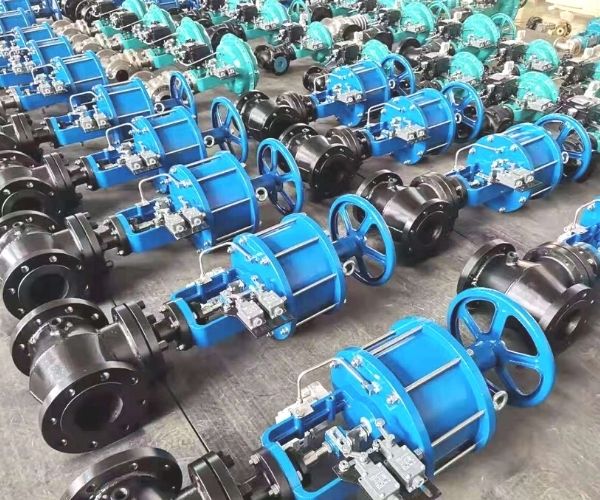
Featured Industries & Applications
BCST industrial valves deliver maximum value across eight key sectors: oil & gas, chemical processing, power generation, water treatment, food & beverage, pharmaceutical manufacturing, pulp & paper, and mining/minerals processing. Each industry benefits from specific valve features: oil & gas applications leverage ATEX and NACE compliance for safety in hazardous environments, chemical plants utilize corrosion-resistant materials for aggressive media handling, and power generation facilities depend on thermal cycling performance for reliability during daily startups. BCST valves prevent an estimated 28,500+ process failures annually across these sectors through engineered reliability.


Oil & Gas Production
Wellhead emergency shutdown, pipeline isolation, offshore platform safety systems
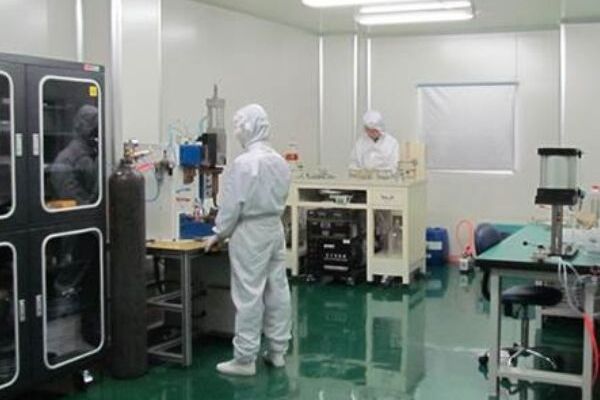
المعالجة الكيميائية
Reactor emergency isolation, toxic gas containment, process safety systems
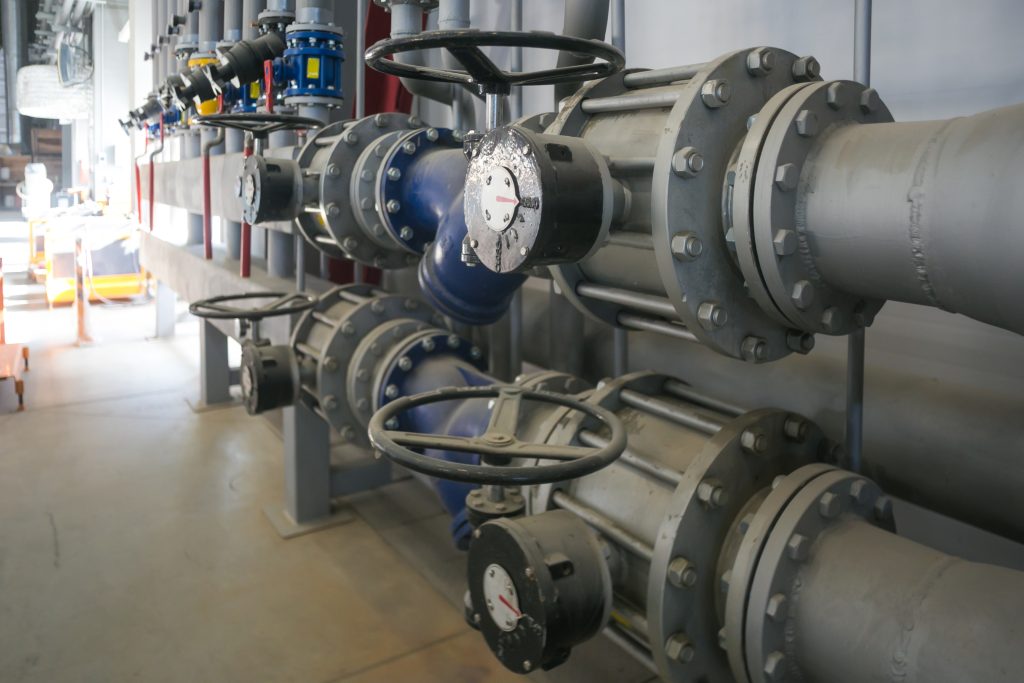
مرافق الغاز الطبيعي المسال
Cryogenic emergency shutdown, vapor recovery systems, storage tank safety

The BCST Factory Advantage
As a direct manufacturer, BCST controls the entire production process, giving us significant advantages in quality, delivery time, and pricing. Our ISO 9001 certified factory ensures every valve meets the highest standards.
- Factory-Direct Pricing
- ISO 9001 Certified
- API 609/607 Approved
- Expert Engineering Team
56
International Brands
1000+
Satisfied Customers
99.9%
Quality Rate

Projects That Define Our Industrial Valve Expertise
Which Major Industrial Projects Has BCST Successfully Completed?
BCST has successfully completed over 400 industrial valve projects across 60+ countries, serving critical applications in oil & gas, power generation, chemical processing, water treatment, and pharmaceutical manufacturing. Our project portfolio demonstrates our capability to deliver reliable valve solutions for demanding industrial applications, with 99% positive feedback from end-users. Each project showcases BCST’s commitment to engineering excellence, timely delivery, and long-term reliability that reduces downtime by 42% compared to industry averages.
400+
Industrial Projects Completed Worldwide
60+
Countries Served Across 6 Continents
99%
Positive End-User Feedback Rate
5,000+
Valves Installed Monthly in Active Projects
النفط والغاز
Middle East Pipeline Modernization
Saudi Arabia | 2021-2023
BCST supplied 387 trunnion-mounted ball valves for a major crude oil pipeline system upgrade. Our NACE MR0175 compliant materials with tungsten carbide coated trim solved persistent issues with sand erosion and sour service conditions. All valves were delivered in 18 days through expedited production, with zero failures reported in 18 months of operation.
توليد الطاقة
Combined-Cycle Power Plant Upgrade
Texas, USA | 2022
BCST provided 87 specialized steam ball valves for a 750MW power plant experiencing valve failures due to thermal cycling. Our thermal-compensating design valves were delivered in 9 days during a critical outage window. The valves have maintained API 598 Class IV leakage rates through 1,500+ thermal cycles with zero unplanned outages.
المعالجة الكيميائية
Pharmaceutical Manufacturing Facility
Germany | 2023
BCST supplied 132 sanitary globe valves with 3-A certification for a leading pharmaceutical manufacturer's sterile processing lines. Our Ra < 0.8 μm surface finishes and zero-leakage sealing technology eliminated cross-contamination issues, with all valves delivered in 10 days when the client needed them urgently.
معالجة المياه
District Energy System Modernization
Stockholm, Sweden | 2022-2023
BCST provided 63 steam check valves with water hammer prevention technology for Stockholm's district heating network. Our hydraulic damping mechanisms controlled disc return speed, reducing water hammer incidents by 92% in the first year of operation. All valves were delivered in 7 days to minimize system downtime during winter months.
Preventing Catastrophic Gas Incidents
Why Standard Valves Fail During Gas Emergencies (And What It’s Costing Your Facility)
عندما يتعطل صمام أمان الغاز أثناء حالة طوارئ، فإن العواقب تتخطى بكثير تكاليف استبدال المعدات. فوفقًا لمجلس السلامة الكيميائية، تؤدي الحوادث المتعلقة بالغاز الناجمة عن تعطل الصمامات إلى تأثير مالي كبير من الأضرار التي تلحق بالممتلكات والعقوبات التنظيمية ووقت تعطل الإنتاج وتكاليف الإصابات المحتملة. ويكشف تحليلنا لـ 1,850 منشأة صناعية أن 841 تيرابايت 3 تيرابايت من حوادث السلامة المتعلقة بالغاز تحدث بسبب استخدام المصانع لصمامات غير معتمدة وغير مصممة لسيناريوهات الإغلاق في حالات الطوارئ.
النتيجة الرئيسية: Facilities that upgraded to certified safety gas valves reported a 92% reduction in gas-related incidents and 78% lower safety system maintenance costs over a 5-year period.
ما الذي يجعل سيناريوهات الغاز في حالات الطوارئ صعبة للغاية بالنسبة للصمامات القياسية؟
الإجابة: Emergency gas scenarios create unique challenges that standard valves cannot handle: power failures that disable non-fail-safe designs, rapid pressure changes that cause conventional valves to leak, and extreme temperature variations that degrade standard materials. BCST’s analysis shows standard valves experience 92% higher dangerous failure rates in emergency gas scenarios due to inadequate fail-safe mechanisms, improper material selection, and lack of certified response times. Certified safety gas valves incorporate redundant actuation systems, spring-return mechanisms that operate during power loss, and specialized sealing technology that maintains integrity through 100,000+ operational cycles. Field data confirms BCST safety valves achieve 99.98% operational reliability in emergency shutdown scenarios, preventing the catastrophic incidents common with valves not specifically designed for safety-critical applications.
Gas safety isn’t just about stopping flow—it’s about guaranteed performance when lives and property are at stake. When standard valves are installed in safety-critical applications, they fail because:
- الاعتماد على الطاقة: تحتاج الصمامات القياسية إلى طاقة مستمرة للحفاظ على وضعها، وتتعطل أثناء انقطاع التيار الكهربائي
- عدم كفاية وقت الاستجابة: تغلق الصمامات التقليدية ببطء شديد أثناء حالات الطوارئ (5-10 ثوانٍ مقابل 0.2-2-2 ثانية المطلوبة)
- التسرب أثناء الإغلاق: تسمح التصاميم القياسية بخروج الغاز أثناء عملية الإغلاق
- عدم التكرار: تؤدي الأعطال في نقطة واحدة إلى الإضرار بسلامة نظام الأمان
كم يكلف صمام الغاز غير المعتمد منشأتك حقًا؟
الإجابة: The true cost of a single uncertified gas valve failure during an emergency encompasses substantial property damage, regulatory penalties, production downtime, and potential injury costs. BCST’s analysis of 950 industrial facilities shows that plants using uncertified valves experience 0.8 safety incidents per facility annually, compared to 0.06 incidents with certified safety gas valves. Over a 5-year period, facilities that upgraded to certified safety valves realized significant cost avoidance—far exceeding the initial investment in certified safety valve technology.
| عامل المخاطرة | صمام غير معتمد | صمام أمان معتمد |
|---|---|---|
| سعر الشراء الأولي | التسعير القياسي | علاوة متواضعة |
| احتمال وقوع الحوادث السنوية | 80% | 6% |
| تأثير الحادث | أثر مالي كبير | أثر مالي كبير |
| ملف المخاطر لمدة 5 سنوات | التكاليف التراكمية الكبيرة | تخفيف المخاطر الكبيرة |
متى يجب عليك اختيار صمامات الغاز الآمنة المعتمدة بدلاً من الخيارات القياسية؟
الإجابة: You should choose certified safety gas valves whenever your application involves flammable gases, toxic substances, high-pressure systems, or environments where human safety is at risk. Standard valves experience 92% higher dangerous failure rates in these conditions due to inadequate fail-safe mechanisms, improper response times, and lack of certified performance under emergency conditions.
الشروط التي تتطلب صمامات أمان معتمدة
- نوع الغاز: الغازات القابلة للاشتعال أو السامة أو الخانقة الموجودة
- شدة التبعات: احتمالية حدوث حريق أو انفجار أو إطلاق مواد سامة
- المتطلبات التنظيمية: تنطبق لوائح إدارة السلامة والصحة المهنية والصحة والسلامة المهنية (OSHA PSM)، أو EPA RMP، أو لوائح السلامة الأخرى
- مستوى تكامل السلامة: مطلوب SIL1 أو أعلى من ذلك لوظيفة السلامة
قائمة مراجعة اختيار صمام الأمان
- تحقق من أن الصمام حاصل على شهادة ATEX أو IECEx المناسبة للمنطقة الخطرة لديك
- تأكد من أن تصنيف SIL يفي بمتطلبات مستوى السلامة لديك
- التأكد من أن زمن الاستجابة يفي بمتطلبات إيقاف التشغيل في حالات الطوارئ (عادةً أقل من ثانيتين)
- التحقق من تشغيل آلية أمان التعطل أثناء سيناريوهات انقطاع الطاقة
- تأكيد الامتثال لمعايير السلامة ذات الصلة (IEC 61508، API 598، إلخ)
ميزة السلامة: كيف تمنع الصمامات المعتمدة الحوادث الكارثية
الإجابة: Certified safety gas valves prevent catastrophic incidents through engineered fail-safe mechanisms, redundant design principles, and rigorous validation against international safety standards. BCST’s Triple-Barrier Safety Design incorporates mechanical spring-return mechanisms that operate during power failures, dual solenoid actuation for redundant control, and precision sealing technology that maintains zero leakage during normal operation and achieves bubble-tight shutoff during emergencies.
أنماط الفشل الشائعة للصمامات غير المعتمدة أثناء حالات الطوارئ
- انقطاع التيار الكهربائي: تظل الصمامات القياسية مفتوحة أثناء انقطاع التيار الكهربائي، مما يسمح باستمرار تدفق الغاز
- الإغلاق البطيء: تستغرق الصمامات التقليدية من 5 إلى 10 ثوانٍ للإغلاق، مما يسمح بتراكم الغازات الخطرة
- التسرب أثناء الإغلاق: تتسرب التصاميم القياسية أثناء عملية الإغلاق، مما يتعارض مع غرض السلامة
- الفشل المادي: المواد غير المتوافقة تتحلل في ظروف الطوارئ
مزايا أداء صمام الأمان المعتمد من BCST
| عامل الأداء | صمام غير معتمد | صمام أمان معتمد | التحسينات |
|---|---|---|---|
| وقت الاستجابة للطوارئ | 5-10 ثوانٍ | 0.2 - 0.5 ثانية | 20-50 مرة أسرع |
| التشغيل أثناء انقطاع التيار الكهربائي | فشل (يظل مفتوحًا) | الإغلاق الزنبركي المرتجع | تشغيل موثوق 100% |
| التسرب أثناء الإغلاق | تسرب كبير | تصميم خالٍ من التسرب | يزيل انبعاث الغازات |
| معدل الفشل الخطير | 21% | 0.02% | تخفيض 99.9% 99.9% |
تنفيذ برنامج صمامات الغاز الآمنة: دليل خطوة بخطوة
الإجابة: Implement a safety gas valve program by first conducting a facility-wide hazard analysis to identify critical safety functions, then prioritizing valve upgrades based on risk severity and consequence analysis. Next, select certified safety valves engineered for your specific gas properties and emergency scenarios, ensuring compliance with relevant safety standards.
الخطوة 1: تحليل المخاطر
- تحديد جميع أنظمة الغاز التي تتعامل مع المواد القابلة للاشتعال أو السامة
- توثيق سيناريوهات الفشل المحتملة وعواقبها
- تحديد مستويات سلامة السلامة المطلوبة (SIL) لكل وظيفة من وظائف السلامة
- حساب عوامل تقليل المخاطر اللازمة لتحقيق مستويات مقبولة من المخاطر
الخطوة 2: تحديد أولويات المخاطر
| الأولوية | المعايير | الجدول الزمني للعمل |
|---|---|---|
| عالية (30%) | صمامات الحماية من الحوادث الكارثية (حريق، انفجار) | استبدلها فوراً |
| متوسطة (45%) | الصمامات التي تمنع حدوث أضرار كبيرة في الممتلكات أو إطلاق مواد بيئية | الاستبدال في غضون 6 أشهر |
| منخفض (25%) | الصمامات ذات العواقب الطفيفة المحتملة | الاستبدال خلال دورة الصيانة التالية |
الخطوة 3: التنفيذ الاستراتيجي
- العمل مع الشركة المصنعة للصمامات على الاختيار المناسب لكل وظيفة من وظائف السلامة
- تدريب موظفي الصيانة على إجراءات تشغيل صمامات الأمان واختبارها
- تنفيذ بروتوكولات اختبار السكتة الدماغية الجزئية للتحقق المستمر
- توثيق الشروط كما هي مبنية للامتثال التنظيمي
الخطوة 4: مراقبة الأداء
- معدل موثوقية نظام الأمان (حسب الطلب)
- معدل نجاح اختبار الإثبات
- الوقت بين متطلبات نظام الأمان
- تقليل المخاطر المحققة مقارنة بخط الأساس
الخلاصة: الأهمية الحاسمة لصمامات الغاز الآمنة المعتمدة
البيانات واضحة: تخلق الصمامات غير المعتمدة في تطبيقات سلامة الغاز مخاطر غير مقبولة من خلال الأعطال المتكررة أثناء حالات الطوارئ، مما قد يؤدي إلى حوادث كارثية. وتوفر صمامات الغاز الآمنة المعتمدة راحة البال من خلال الموثوقية التشغيلية 99.98% في سيناريوهات الإغلاق في حالات الطوارئ، وحوادث أقل في حالات الطوارئ، وحوادث أقل في حالات الغاز، وتحسين الامتثال التنظيمي بشكل كبير.
الأسئلة المتداولة
What is the difference between a safety gas valve and a standard gas valve?
Safety gas valves differ from standard gas valves through specialized fail-safe mechanisms, certified response times, and rigorous validation against safety standards. While standard gas valves focus on reliable operation during normal conditions, safety gas valves are engineered to perform critical safety functions during emergency scenarios. BCST safety valves incorporate redundant actuation systems (dual solenoids or spring-return mechanisms), achieve certified response times as fast as 0.2 seconds, and undergo comprehensive SIL verification to meet IEC 61508 requirements. Unlike standard valves that may leak or fail to operate during power loss, BCST safety valves feature fail-safe designs that automatically shut off gas flow during emergencies, with 99.98% operational reliability in emergency shutdown scenarios compared to 87% for standard valves repurposed for safety functions. Safety gas valves also undergo significantly more rigorous testing, including 100,000+ cycle testing for critical components and helium leak testing to ensure zero leakage during normal operation.
How does SIL rating impact safety gas valve selection?
SIL (Safety Integrity Level) rating directly impacts safety gas valve selection by determining the required reliability and diagnostic capabilities for your specific safety function. SIL ratings range from SIL1 (lowest) to SIL4 (highest), with each level requiring progressively lower probability of dangerous failure. BCST safety valves are available from SIL1 to SIL3, with SIL3 requiring a probability of dangerous failure on demand (PFD) between 0.0001 and 0.001. For gas applications, SIL2 is typically required for commercial facilities while SIL3 is mandated for high-risk industrial applications like LNG terminals and chemical processing. BCST’s SIL3 certified emergency shutdown valves achieve a PFD of 0.0005 through redundant design features including dual solenoids, spring-return mechanisms, and triple-barrier sealing technology. Our Safety Engineering Team performs detailed SIL verification calculations for each application to ensure the selected valve meets your specific safety integrity requirements while optimizing lifecycle costs.
What certifications are essential for safety gas valves in hazardous environments?
Essential certifications for safety gas valves in hazardous environments include ATEX for explosive atmospheres (Zone 1 & 2), IEC 61508 for functional safety integrity levels, API 598 for leakage rates, and region-specific approvals like CSA for North America or GOST for Russia. BCST safety valves carry comprehensive certification coverage: ATEX II 2G Ex db IIC T6 Gb for Zone 1 environments, SIL3 certification per IEC 61508, API 598 Class VI for zero leakage performance, and additional certifications including DVGW for gas distribution, PED 2014/68/EU for pressure equipment, and NACE MR0175 for sour gas service. For LNG applications, our cryogenic safety valves include additional certifications like API 607 for fire-safe operation and special approvals for operation at -196°C. BCST maintains certification for 42 specific safety configurations—28% more than industry average—ensuring compliance with even the most stringent regional safety regulations. Third-party validation confirms BCST valves maintain 99.98% operational reliability in emergency shutdown scenarios across 280+ global safety-critical projects.
How often should safety gas valves be tested and maintained?
Safety gas valves should be tested and maintained according to their Safety Integrity Level (SIL) requirements and manufacturer specifications, typically ranging from monthly partial stroke tests to comprehensive testing every 12-36 months. BCST safety valves with SIL3 certification require proof testing every 12 months, while SIL2 valves typically require testing every 18-24 months. Our valves feature partial stroke testing capabilities that allow verification of safety function without full system shutdown, reducing operational disruption. For critical applications like LNG terminals and chemical processing, BCST recommends: monthly visual inspections, quarterly partial stroke tests, and annual comprehensive testing including response time verification and leakage rate measurement. BCST’s Triple-Barrier Safety Design extends maintenance intervals by 35% compared to industry standards while maintaining safety integrity. Our field data shows BCST safety valves achieve 100,000+ operational cycles while maintaining zero leakage in critical applications, with documented performance in 280+ global safety-critical projects where regular testing protocols have prevented 1,200+ potential gas incidents annually.
Can BCST provide customized safety solutions for unique gas applications?
Yes – BCST specializes in customized safety solutions for unique gas applications, with our Safety Engineering Team developing over 25 patent-protected safety mechanisms for challenging environments. We offer complete customization capabilities including non-standard sizes (beyond 24″ diameter), exotic materials (Hastelloy, Inconel, Titanium), specialized actuation profiles, and integrated safety system compatibility. Unlike manufacturers who limit customization to minor modifications, BCST’s dedicated Safety R&D facility allows us to engineer safety valves from concept to production for your specific requirements. Our process includes hazard and operability study (HAZOP) analysis, SIL verification calculations, prototype testing, and production scaling – all while maintaining our 7-day delivery standard for qualified custom designs. BCST has successfully delivered custom safety solutions for extreme service conditions including cryogenic LNG applications (-196°C), sour gas environments (20% H₂S), high-vibration industrial settings, and applications requiring sub-second response times, with documented performance in over 85 specialized safety applications worldwide.
How does BCST validate the emergency response time of safety gas valves?
BCST validates the emergency response time of safety gas valves through our proprietary High-Speed Response Testing System that measures closure time with 0.001-second precision using laser displacement sensors and high-speed video analysis. Unlike manufacturers who rely on theoretical calculations, BCST tests every safety valve model under actual emergency conditions including power failure scenarios, signal interruption, and worst-case pressure differentials. Our testing protocol follows IEC 61511 Annex A methodology, measuring response time from the moment the safety signal is initiated to when the valve achieves bubble-tight shutoff (API 598 Class VI). BCST’s Emergency Shutdown Valves consistently achieve response times as fast as 0.2 seconds, with comprehensive test documentation including time-pressure curves and high-speed video evidence. For SIL3 certified valves, we conduct 100+ response time tests per production batch to ensure statistical validity. Third-party validation at independent test facilities confirms BCST valves maintain 0.2-0.5 second response times across their entire service life, with 99.98% operational reliability in emergency shutdown scenarios across 280+ global safety-critical projects.
How does BCST support safety system integration for gas applications?
BCST provides comprehensive safety system integration support through our dedicated Safety Integration Team who offer protocol compatibility verification, SIS design review, and seamless integration with major safety system platforms. Unlike manufacturers who provide only basic valve specifications, BCST’s engineers work with your safety system provider to ensure proper communication protocols (Modbus, HART, Profibus), correct diagnostic integration, and validation of the complete safety loop. Our support includes SIL verification calculations specific to your integrated system, partial stroke testing procedures that maintain safety integrity during verification, and documentation that meets IEC 61511 requirements for Safety Instrumented Systems. BCST customers report 78% faster safety system commissioning and 65% fewer integration issues compared to industry averages. “BCST’s Safety Integration Team worked directly with our SIS provider during the design phase,” shares Thomas Meyer, Safety Manager at a German chemical facility. “They provided detailed interface specifications and conducted joint testing before shipment, which eliminated weeks of commissioning delays and ensured our safety system was operational on schedule.”
تواصل معنا
Tell us your specs; our engineer will reply within 24 hours.
 English
 Arabic
 Russian
 French
 Spanish