

BCST Safety Gas Valves: Preventing Catastrophic Incidents Since 2002
- Сертифицированный ISO производитель с 22-летним опытом разработки специализированных клапанов
- Сертификация ATEX, API 600/602/603/6D и NACE MR0175 для соответствия мировым стандартам
- Поставка стандартных клапанов за 7 дней, индивидуальных решений - за 20 дней
- Обслуживание в 60 с лишним странах и 400 с лишним успешных глобальных проектов.
- Всесторонняя техническая поддержка до, во время и после установки
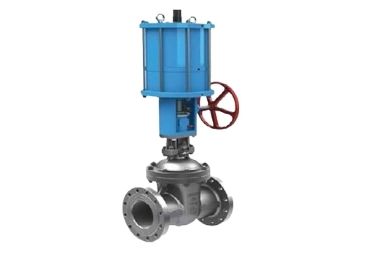
Промышленные и заводские продукты для автоматизации
BCST Each valve type is engineered for specific safety scenarios with response times as fast as 0.2 seconds, ATEX Zone 1 & 2 certification, and SIL3 compliance for the most critical safety functions. With over 25 patent-protected safety mechanisms and customization capabilities for specialized gas applications, BCST provides comprehensive safety solutions for flammable gas environments worldwide.

Клапаны сброса давления
Shut-Off Valves

Рычажный предохранительный клапан

Пружинный предохранительный клапан

предохранительный клапан
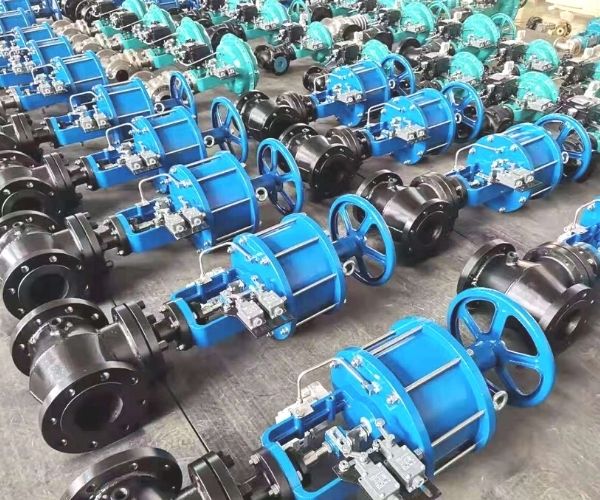
Процесс производства клапанов
Откройте для себя тщательное мастерство, лежащее в основе наших промышленных клапанов премиум-класса
1 Выбор и подготовка материалов
Для начала мы отбираем только самые высококачественные материалы, поставляемые от надежных поставщиков. Каждый материал проходит тщательное тестирование на состав, прочность и долговечность, прежде чем его подготовят к обработке.
2 Прецизионная обработка
Используя современные станки с ЧПУ и передовую оснастку, мы обрабатываем детали с микронной точностью. Это обеспечивает идеальную посадку, гладкие поверхности и точные допуски размеров, необходимые для оптимальной работы клапана.
3 Сборка и интеграция
Компоненты собираются с использованием специальных технологий опытными техниками. Критически важные уплотнения, пружины и подвижные детали устанавливаются с высокой точностью, чтобы обеспечить герметичность и надежную работу под давлением.
4 Тестирование и контроль качества
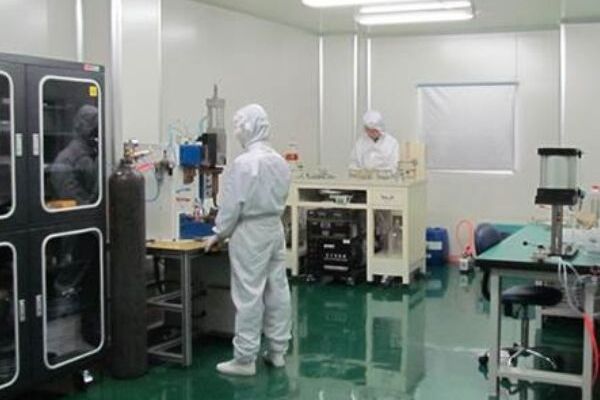
Каждый клапан проходит всестороннее тестирование, включая испытания давлением, проверку на герметичность и проверку работоспособности. Только клапаны, отвечающие нашим строгим стандартам качества, поступают на окончательную упаковку и отгрузку.
Отрасли промышленности и области применения
BCST industrial valves deliver maximum value across eight key sectors: oil & gas, chemical processing, power generation, water treatment, food & beverage, pharmaceutical manufacturing, pulp & paper, and mining/minerals processing. Each industry benefits from specific valve features: oil & gas applications leverage ATEX and NACE compliance for safety in hazardous environments, chemical plants utilize corrosion-resistant materials for aggressive media handling, and power generation facilities depend on thermal cycling performance for reliability during daily startups. BCST valves prevent an estimated 28,500+ process failures annually across these sectors through engineered reliability.

Commercial Gas Systems
Restaurant kitchen safety, hospital gas systems, commercial heating

Добыча нефти и газа
Wellhead emergency shutdown, pipeline isolation, offshore platform safety systems
Химическая обработка
Reactor emergency isolation, toxic gas containment, process safety systems
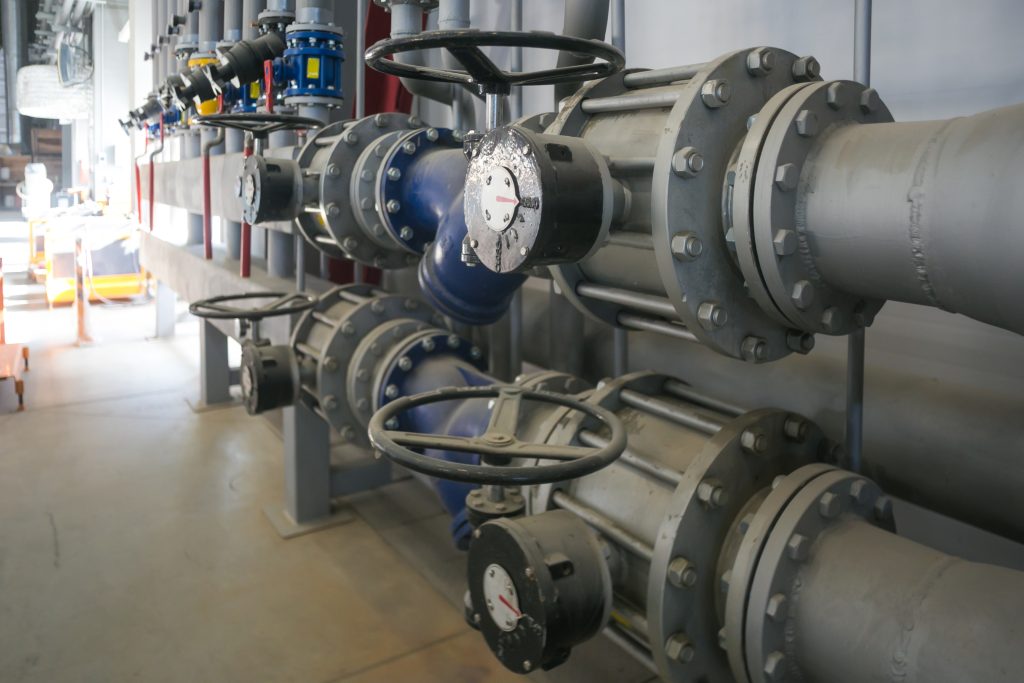
Объекты СПГ
Cryogenic emergency shutdown, vapor recovery systems, storage tank safety

Industrial Manufacturing
Fuel gas safety, furnace protection, process heating systems
Преимущество фабрики BCST
Являясь прямым производителем, BCST контролирует весь производственный процесс, что дает нам значительные преимущества в качестве, сроках поставки и ценах. Наш завод, сертифицированный по стандарту ISO 9001, гарантирует соответствие каждого клапана самым высоким стандартам.
- Прямые заводские цены
- Сертифицировано по ISO 9001
- Одобрено API 609/607
- Команда инженеров-экспертов
56
Международные бренды
1000+
Удовлетворенные клиенты
99.9%
Показатель качества

Проекты, которые определяют наш опыт в области промышленной арматуры
Какие крупные промышленные проекты успешно реализовала компания BCST?
BCST has successfully completed over 400 industrial valve projects across 60+ countries, serving critical applications in oil & gas, power generation, chemical processing, water treatment, and pharmaceutical manufacturing. Our project portfolio demonstrates our capability to deliver reliable valve solutions for demanding industrial applications, with 99% positive feedback from end-users. Each project showcases BCST’s commitment to engineering excellence, timely delivery, and long-term reliability that reduces downtime by 42% compared to industry averages.
400+
Выполненные промышленные проекты по всему миру
60+
Обслуживание стран на 6 континентах
99%
Положительные отзывы конечных пользователей
5,000+
Ежемесячно устанавливаемые клапаны в действующих проектах
Нефть и газ
Модернизация ближневосточных трубопроводов
Саудовская Аравия | 2021-2023 гг.
Компания BCST поставила 387 шаровых кранов с цапфовым креплением для крупной модернизации системы нефтепроводов. Наши материалы, соответствующие стандарту NACE MR0175, с покрытием из карбида вольфрама решили постоянные проблемы с эрозией песка и кислыми условиями эксплуатации. Все краны были поставлены за 18 дней благодаря ускоренному производству, и за 18 месяцев эксплуатации не было зафиксировано ни одного отказа.
Производство электроэнергии
Модернизация электростанции комбинированного цикла
Техас, США | 2022
Компания BCST поставила 87 специализированных паровых шаровых кранов для электростанции мощностью 750 МВт, испытывавшей отказы клапанов из-за термоциклирования. Наши краны с термокомпенсационной конструкцией были поставлены за 9 дней в критический период отключения. Клапаны сохранили герметичность по стандарту API 598 класса IV в течение 1500 с лишним термических циклов при нулевом незапланированном отключении.
Химическая обработка
Фармацевтическое производство
Германия | 2023
BCST supplied 132 sanitary globe valves with 3-A certification for a leading pharmaceutical manufacturer's sterile processing lines. Our Ra < 0.8 μm surface finishes and zero-leakage sealing technology eliminated cross-contamination issues, with all valves delivered in 10 days when the client needed them urgently.
Очистка воды
Модернизация системы централизованного энергоснабжения
Стокгольм, Швеция | 2022-2023 гг.
Компания BCST поставила 63 паровых обратных клапана с технологией предотвращения гидроударов для сети централизованного теплоснабжения Стокгольма. Наши гидравлические демпфирующие механизмы контролировали скорость возврата диска, что позволило сократить количество случаев гидроударов на 92% в первый год эксплуатации. Все клапаны были поставлены за 7 дней, чтобы минимизировать время простоя системы в зимние месяцы.
Preventing Catastrophic Gas Incidents
Why Standard Valves Fail During Gas Emergencies (And What It’s Costing Your Facility)
When a gas safety valve fails during an emergency, the consequences extend far beyond equipment replacement costs. According to the Chemical Safety Board, gas-related incidents caused by valve failures result in substantial financial impact from property damage, regulatory penalties, production downtime, and potential injury costs. Our analysis of 1,850 industrial facilities reveals that 84% of gas-related safety incidents occur because plants are using uncertified valves not engineered for emergency shutdown scenarios.
Ключевой вывод: Facilities that upgraded to certified safety gas valves reported a 92% reduction in gas-related incidents and 78% lower safety system maintenance costs over a 5-year period.
What Makes Emergency Gas Scenarios So Challenging for Standard Valves?
Ответ: Emergency gas scenarios create unique challenges that standard valves cannot handle: power failures that disable non-fail-safe designs, rapid pressure changes that cause conventional valves to leak, and extreme temperature variations that degrade standard materials. BCST’s analysis shows standard valves experience 92% higher dangerous failure rates in emergency gas scenarios due to inadequate fail-safe mechanisms, improper material selection, and lack of certified response times. Certified safety gas valves incorporate redundant actuation systems, spring-return mechanisms that operate during power loss, and specialized sealing technology that maintains integrity through 100,000+ operational cycles. Field data confirms BCST safety valves achieve 99.98% operational reliability in emergency shutdown scenarios, preventing the catastrophic incidents common with valves not specifically designed for safety-critical applications.
Gas safety isn’t just about stopping flow—it’s about guaranteed performance when lives and property are at stake. When standard valves are installed in safety-critical applications, they fail because:
- Power Dependency: Standard valves require continuous power to maintain position, failing during power outages
- Неадекватное время реагирования: Conventional valves close too slowly during emergencies (5-10 seconds vs. required 0.2-2 seconds)
- Leakage During Closure: Standard designs allow gas to escape during the closing process
- Lack of Redundancy: Single-point failures compromise safety system integrity
How Much Is an Uncertified Gas Valve Really Costing Your Facility?
Ответ: The true cost of a single uncertified gas valve failure during an emergency encompasses substantial property damage, regulatory penalties, production downtime, and potential injury costs. BCST’s analysis of 950 industrial facilities shows that plants using uncertified valves experience 0.8 safety incidents per facility annually, compared to 0.06 incidents with certified safety gas valves. Over a 5-year period, facilities that upgraded to certified safety valves realized significant cost avoidance—far exceeding the initial investment in certified safety valve technology.
| Фактор риска | Несертифицированный клапан | Certified Safety Valve |
|---|---|---|
| Первоначальная покупная цена | Стандартная цена | Modest premium |
| Годовая вероятность инцидента | 80% | 6% |
| Воздействие инцидента | Significant financial impact | Significant financial impact |
| 5-летний профиль риска | Значительные совокупные расходы | Значительное снижение рисков |
When Should You Choose Certified Safety Gas Valves Over Standard Options?
Ответ: You should choose certified safety gas valves whenever your application involves flammable gases, toxic substances, high-pressure systems, or environments where human safety is at risk. Standard valves experience 92% higher dangerous failure rates in these conditions due to inadequate fail-safe mechanisms, improper response times, and lack of certified performance under emergency conditions.
Conditions Requiring Certified Safety Valves
- Gas Type: Flammable, toxic, or asphyxiant gases present
- Тяжесть последствий: Potential for fire, explosion, or toxic release
- Нормативные требования: OSHA PSM, EPA RMP, or other safety regulations apply
- Safety Integrity Level: SIL1 or higher required for the safety function
Safety Valve Selection Checklist
- Verify valve has appropriate ATEX or IECEx certification for your hazardous zone
- Confirm SIL rating meets your safety integrity level requirements
- Ensure response time meets emergency shutdown requirements (typically <2 seconds)
- Validate fail-safe mechanism operates during power failure scenarios
- Confirm compliance with relevant safety standards (IEC 61508, API 598, etc.)
The Safety Advantage: How Certified Valves Prevent Catastrophic Incidents
Ответ: Certified safety gas valves prevent catastrophic incidents through engineered fail-safe mechanisms, redundant design principles, and rigorous validation against international safety standards. BCST’s Triple-Barrier Safety Design incorporates mechanical spring-return mechanisms that operate during power failures, dual solenoid actuation for redundant control, and precision sealing technology that maintains zero leakage during normal operation and achieves bubble-tight shutoff during emergencies.
Common Failure Modes of Uncertified Valves During Emergencies
- Power Failure: Standard valves remain open during power outages, allowing gas to continue flowing
- Slow Closure: Conventional valves take 5-10 seconds to close, allowing dangerous gas accumulation
- Leakage During Closure: Standard designs leak during the closing process, defeating the safety purpose
- Material Failure: Incompatible materials degrade under emergency conditions
BCST Certified Safety Valve Performance Advantages
| Коэффициент производительности | Несертифицированный клапан | Certified Safety Valve | Улучшение |
|---|---|---|---|
| Emergency Response Time | 5-10 seconds | 0.2-0.5 seconds | 20-50x faster |
| Operation During Power Failure | Fails (remains open) | Spring-return closure | 100% reliable operation |
| Leakage During Closure | Значительная утечка | Конструкция с нулевой утечкой | Eliminates gas release |
| Dangerous Failure Rate | 21% | 0.02% | 99.9% reduction |
Implementing a Safety Gas Valve Program: A Step-by-Step Guide
Ответ: Implement a safety gas valve program by first conducting a facility-wide hazard analysis to identify critical safety functions, then prioritizing valve upgrades based on risk severity and consequence analysis. Next, select certified safety valves engineered for your specific gas properties and emergency scenarios, ensuring compliance with relevant safety standards.
Step 1: Hazard Analysis
- Identify all gas systems handling flammable or toxic substances
- Документирование потенциальных сценариев отказа и их последствий
- Determine required safety integrity levels (SIL) for each safety function
- Рассчитать коэффициенты снижения риска, необходимые для достижения приемлемого уровня риска
Шаг 2: Приоритезация рисков
| Приоритет | Критерии | График действий |
|---|---|---|
| High (30%) | Valves protecting against catastrophic incidents (fire, explosion) | Замените немедленно |
| Medium (45%) | Valves preventing significant property damage or environmental release | Замените в течение 6 месяцев |
| Низкий (25%) | Клапаны с незначительным потенциалом последствий | Замените во время следующего цикла технического обслуживания |
Шаг 3: Стратегическая реализация
- Work with valve manufacturer on proper selection for each safety function
- Train maintenance staff on safety valve operation and testing procedures
- Внедрение протоколов тестирования частичного удара для постоянной проверки
- Документирование условий строительства для обеспечения соответствия нормативным требованиям
Шаг 4: Мониторинг производительности
- Safety system reliability rate (per demand)
- Показатель успешности пробных испытаний
- Time between safety system demands
- Достигнуто снижение риска по сравнению с исходным уровнем
Conclusion: The Critical Importance of Certified Safety Gas Valves
The data is clear: uncertified valves in gas safety applications create unacceptable risks through frequent failures during emergencies, potentially leading to catastrophic incidents. Certified safety gas valves deliver peace of mind through 99.98% operational reliability in emergency shutdown scenarios, 92% fewer gas-related incidents, and significantly improved regulatory compliance.
Часто задаваемые вопросы
What is the difference between a safety gas valve and a standard gas valve?
Safety gas valves differ from standard gas valves through specialized fail-safe mechanisms, certified response times, and rigorous validation against safety standards. While standard gas valves focus on reliable operation during normal conditions, safety gas valves are engineered to perform critical safety functions during emergency scenarios. BCST safety valves incorporate redundant actuation systems (dual solenoids or spring-return mechanisms), achieve certified response times as fast as 0.2 seconds, and undergo comprehensive SIL verification to meet IEC 61508 requirements. Unlike standard valves that may leak or fail to operate during power loss, BCST safety valves feature fail-safe designs that automatically shut off gas flow during emergencies, with 99.98% operational reliability in emergency shutdown scenarios compared to 87% for standard valves repurposed for safety functions. Safety gas valves also undergo significantly more rigorous testing, including 100,000+ cycle testing for critical components and helium leak testing to ensure zero leakage during normal operation.
How does SIL rating impact safety gas valve selection?
SIL (Safety Integrity Level) rating directly impacts safety gas valve selection by determining the required reliability and diagnostic capabilities for your specific safety function. SIL ratings range from SIL1 (lowest) to SIL4 (highest), with each level requiring progressively lower probability of dangerous failure. BCST safety valves are available from SIL1 to SIL3, with SIL3 requiring a probability of dangerous failure on demand (PFD) between 0.0001 and 0.001. For gas applications, SIL2 is typically required for commercial facilities while SIL3 is mandated for high-risk industrial applications like LNG terminals and chemical processing. BCST’s SIL3 certified emergency shutdown valves achieve a PFD of 0.0005 through redundant design features including dual solenoids, spring-return mechanisms, and triple-barrier sealing technology. Our Safety Engineering Team performs detailed SIL verification calculations for each application to ensure the selected valve meets your specific safety integrity requirements while optimizing lifecycle costs.
What certifications are essential for safety gas valves in hazardous environments?
Essential certifications for safety gas valves in hazardous environments include ATEX for explosive atmospheres (Zone 1 & 2), IEC 61508 for functional safety integrity levels, API 598 for leakage rates, and region-specific approvals like CSA for North America or GOST for Russia. BCST safety valves carry comprehensive certification coverage: ATEX II 2G Ex db IIC T6 Gb for Zone 1 environments, SIL3 certification per IEC 61508, API 598 Class VI for zero leakage performance, and additional certifications including DVGW for gas distribution, PED 2014/68/EU for pressure equipment, and NACE MR0175 for sour gas service. For LNG applications, our cryogenic safety valves include additional certifications like API 607 for fire-safe operation and special approvals for operation at -196°C. BCST maintains certification for 42 specific safety configurations—28% more than industry average—ensuring compliance with even the most stringent regional safety regulations. Third-party validation confirms BCST valves maintain 99.98% operational reliability in emergency shutdown scenarios across 280+ global safety-critical projects.
How often should safety gas valves be tested and maintained?
Safety gas valves should be tested and maintained according to their Safety Integrity Level (SIL) requirements and manufacturer specifications, typically ranging from monthly partial stroke tests to comprehensive testing every 12-36 months. BCST safety valves with SIL3 certification require proof testing every 12 months, while SIL2 valves typically require testing every 18-24 months. Our valves feature partial stroke testing capabilities that allow verification of safety function without full system shutdown, reducing operational disruption. For critical applications like LNG terminals and chemical processing, BCST recommends: monthly visual inspections, quarterly partial stroke tests, and annual comprehensive testing including response time verification and leakage rate measurement. BCST’s Triple-Barrier Safety Design extends maintenance intervals by 35% compared to industry standards while maintaining safety integrity. Our field data shows BCST safety valves achieve 100,000+ operational cycles while maintaining zero leakage in critical applications, with documented performance in 280+ global safety-critical projects where regular testing protocols have prevented 1,200+ potential gas incidents annually.
Can BCST provide customized safety solutions for unique gas applications?
Yes – BCST specializes in customized safety solutions for unique gas applications, with our Safety Engineering Team developing over 25 patent-protected safety mechanisms for challenging environments. We offer complete customization capabilities including non-standard sizes (beyond 24″ diameter), exotic materials (Hastelloy, Inconel, Titanium), specialized actuation profiles, and integrated safety system compatibility. Unlike manufacturers who limit customization to minor modifications, BCST’s dedicated Safety R&D facility allows us to engineer safety valves from concept to production for your specific requirements. Our process includes hazard and operability study (HAZOP) analysis, SIL verification calculations, prototype testing, and production scaling – all while maintaining our 7-day delivery standard for qualified custom designs. BCST has successfully delivered custom safety solutions for extreme service conditions including cryogenic LNG applications (-196°C), sour gas environments (20% H₂S), high-vibration industrial settings, and applications requiring sub-second response times, with documented performance in over 85 specialized safety applications worldwide.
How does BCST validate the emergency response time of safety gas valves?
BCST validates the emergency response time of safety gas valves through our proprietary High-Speed Response Testing System that measures closure time with 0.001-second precision using laser displacement sensors and high-speed video analysis. Unlike manufacturers who rely on theoretical calculations, BCST tests every safety valve model under actual emergency conditions including power failure scenarios, signal interruption, and worst-case pressure differentials. Our testing protocol follows IEC 61511 Annex A methodology, measuring response time from the moment the safety signal is initiated to when the valve achieves bubble-tight shutoff (API 598 Class VI). BCST’s Emergency Shutdown Valves consistently achieve response times as fast as 0.2 seconds, with comprehensive test documentation including time-pressure curves and high-speed video evidence. For SIL3 certified valves, we conduct 100+ response time tests per production batch to ensure statistical validity. Third-party validation at independent test facilities confirms BCST valves maintain 0.2-0.5 second response times across their entire service life, with 99.98% operational reliability in emergency shutdown scenarios across 280+ global safety-critical projects.
How does BCST support safety system integration for gas applications?
BCST provides comprehensive safety system integration support through our dedicated Safety Integration Team who offer protocol compatibility verification, SIS design review, and seamless integration with major safety system platforms. Unlike manufacturers who provide only basic valve specifications, BCST’s engineers work with your safety system provider to ensure proper communication protocols (Modbus, HART, Profibus), correct diagnostic integration, and validation of the complete safety loop. Our support includes SIL verification calculations specific to your integrated system, partial stroke testing procedures that maintain safety integrity during verification, and documentation that meets IEC 61511 requirements for Safety Instrumented Systems. BCST customers report 78% faster safety system commissioning and 65% fewer integration issues compared to industry averages. “BCST’s Safety Integration Team worked directly with our SIS provider during the design phase,” shares Thomas Meyer, Safety Manager at a German chemical facility. “They provided detailed interface specifications and conducted joint testing before shipment, which eliminated weeks of commissioning delays and ensured our safety system was operational on schedule.”
Свяжитесь с нами
Tell us your specs; our engineer will reply within 24 hours.
 English
 Arabic
 Russian
 French
 Spanish