
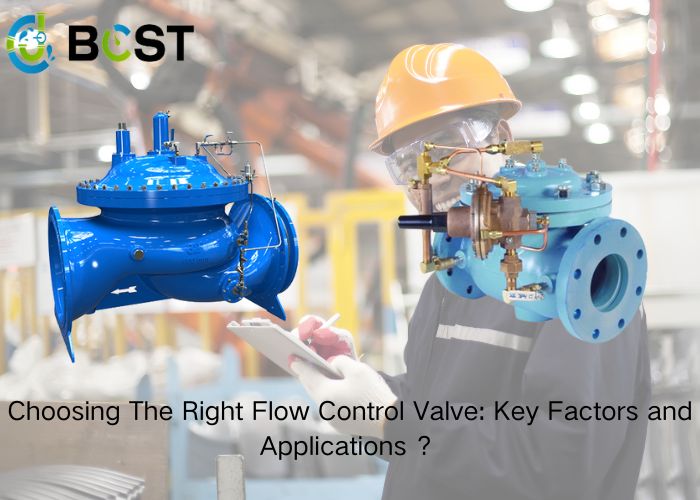
What Is The Function Of التحكم في التدفق?
Flow control is a critical aspect of fluid systems, ensuring efficiency and stability. Without proper regulation, systems can experience performance issues and even equipment failure.
A flow control valve regulates the speed, pressure, and volume of fluid movement within a system. It optimizes efficiency, prevents damage, and maintains operational stability.
For example, in hydraulic systems, if the flow rate is too high, components can wear out quickly. If it’s too low, machines may not function correctly. Flow control valves solve these issues by maintaining the right balance.
Where Are Flow صمامات التحكم Used?
Flow control valves are essential in various industries that require precise fluid management.
These valves are widely used in oil and gas, water treatment, HVAC, and industrial automation to regulate the flow of gases, liquids, and steam.
Applications Across Industries
- النفط والغاز – Regulates crude oil and gas transportation.
- معالجة المياه – Ensures steady water distribution in filtration plants.
- أنظمة التدفئة والتهوية وتكييف الهواء – Controls refrigerant and coolant flow.
- Industrial Machinery – Maintains pressure in automated equipment.
Without these valves, processes in these industries would be inefficient or even hazardous.
What Is The Most Common Type Of Flow صمام التحكم?
There are many types of flow control valves, but some are more commonly used due to their reliability and precision.
The needle valve is the most common type, providing fine control over fluid flow using a tapered pin mechanism.
Other Common Flow Control Valves
| نوع الصمام | الوظيفة |
|---|---|
| صمام الإبرة | Precise control of small flow rates. |
| صمام كروي | Quick shutoff with a rotating ball. |
| صمام الكرة الأرضية | Throttling control for high-pressure systems. |
| صمام الفراشة | Regulates large flow volumes efficiently. |
Choosing the right valve depends on the specific application and the level of control needed.
What Are The Two Methods Of Flow Control?
Different systems use different approaches to regulate fluid movement effectively.
The two primary methods of flow control are throttling and bypassing. Throttling adjusts the valve opening, while bypassing diverts excess fluid to an alternate path.
Key Differences Between Throttling and Bypassing
| طريقة | الوصف | Common Use Cases |
|---|---|---|
| الاختناق | Restricts flow by narrowing the valve opening. | Process control, pipelines |
| Bypassing | Redirects excess flow to prevent overloading. | High-pressure systems, pumps |
Both methods help maintain system efficiency and prevent operational issues.
What Does A Flow Control Valve Prevent?
Uncontrolled fluid flow can lead to serious system malfunctions and increased maintenance costs.
Flow control valves prevent pressure surges, system overloads, and inefficient operation, ensuring smooth and stable performance.
Key Benefits of Flow Control Valves
- Prevents Overheating – Avoids excess friction in hydraulic systems.
- Reduces Pressure Surges – Protects pipelines from sudden bursts.
- Ensures Stable Speed – Keeps automated machinery running consistently.
- Minimizes Energy Waste – Helps reduce operational costs.
Properly selected and maintained flow control valves are essential for long-term efficiency.
خاتمة
Flow control valves are crucial for regulating fluid movement in various industries. They enhance efficiency, prevent damage, and ensure stable operation. Choosing the right valve and control method is key to optimizing system performance.

 English
 Arabic
 Russian
 French
 Spanish