Zero Leakage Shut-off
The metal-to-metal seating design, combined with the unique triple offset geometry, ensures a bidirectional, bubble-tight seal.

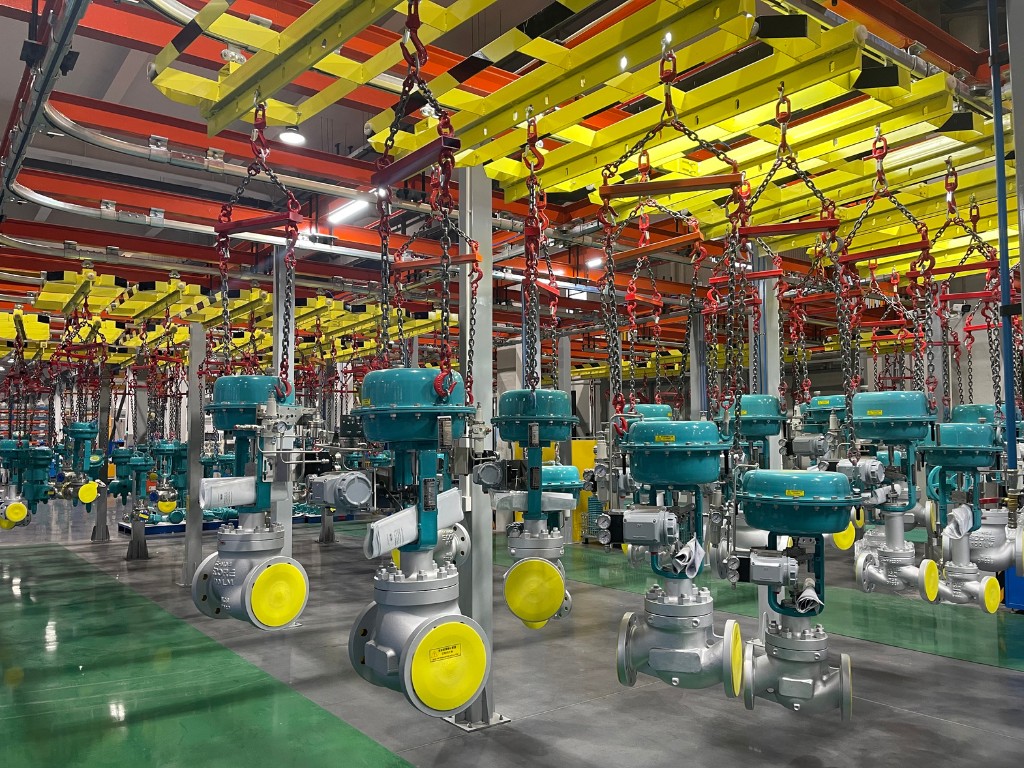
Experience the pinnacle of valve performance with BCST. As a premier manufacturer, we engineer and produce our Triple Eccentric Butterfly Valves in our advanced factory to eliminate friction and ensure zero-leakage performance in critical high-pressure and high-temperature applications. Trust BCST for superior durability and operational reliability.

The core of a Triple Eccentric Butterfly Valve (also known as a Triple Offset Valve or TOV) is its innovative design. BCST has perfected this technology in our dedicated factory. The three offsets work in harmony: the first two place the disc seat out of the sealing plane, while the third, a unique conical sealing profile, creates a cam-action, torque-seated closure. This design eliminates rubbing between the seat and seal during operation, drastically extending valve life and ensuring bubble-tight shutoff, a hallmark of a leading manufacturer.
The metal-to-metal seating design, combined with the unique triple offset geometry, ensures a bidirectional, bubble-tight seal.
Friction-free operation eliminates wear between disc and seat, dramatically extending valve lifespan.
Robust construction withstands extreme conditions up to 650°C and 25MPa pressure.
Non-rubbing design requires significantly lower torque, enabling smaller actuators.
Durable construction and minimal wear reduce maintenance frequency and costs.
Designed for bi-directional flow capability, offering greater system flexibility.
When specifying a Triple Offset Butterfly Valve, trust is paramount. Every BCST valve is built to exceed industry standards in our ISO 9001 certified factory. We hold crucial certifications including API 609, API 607 Fire Safe, and CE, guaranteeing our products are suitable for the most demanding services in oil & gas, chemical processing, and power generation. This commitment to certified quality is a core advantage of partnering with BCST.


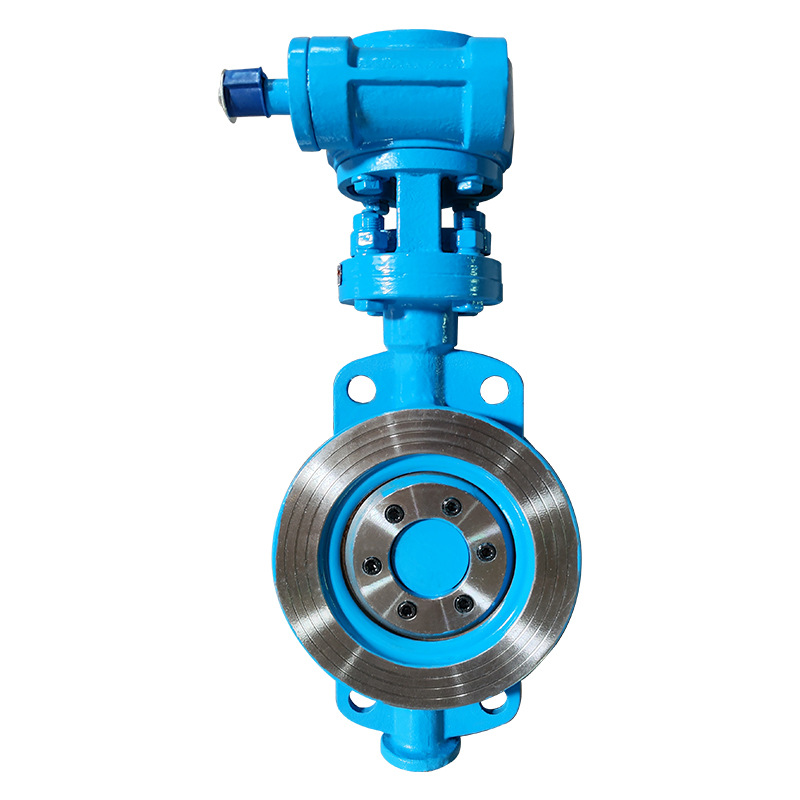

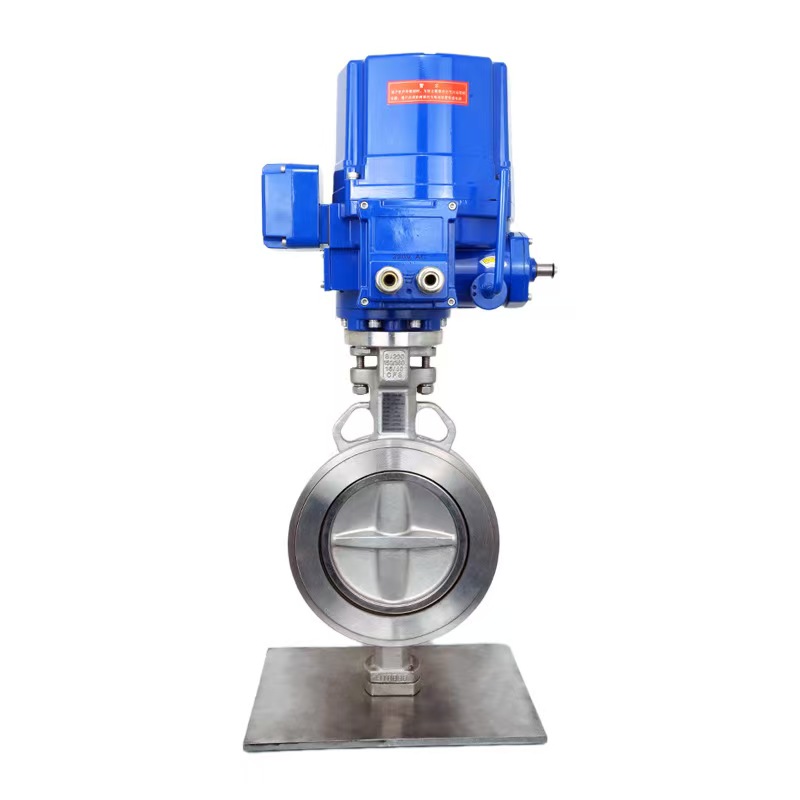
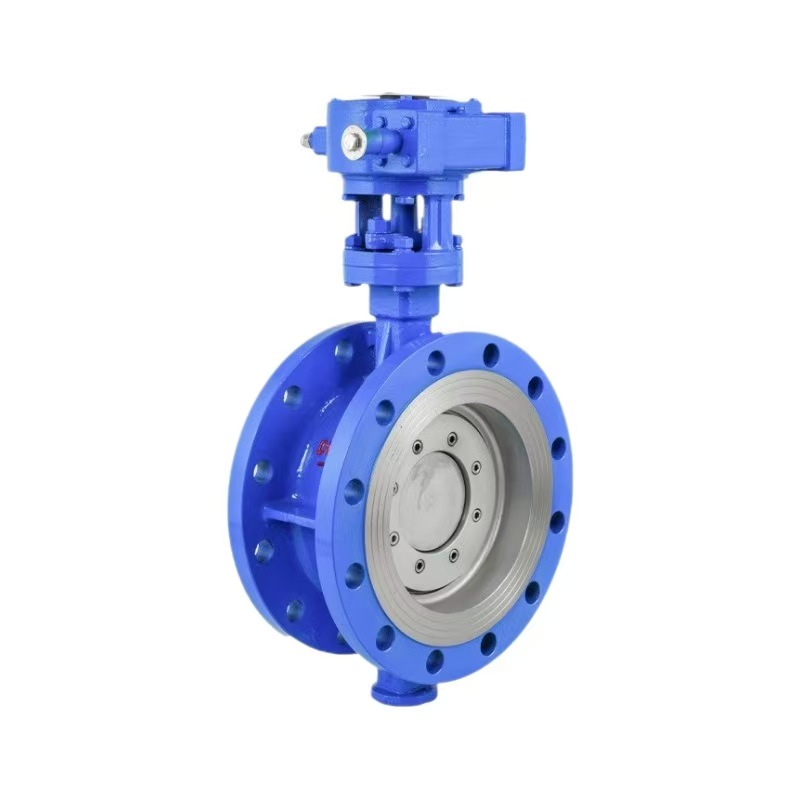
The secret behind our superior performance lies in the ingenious threeoffset design that eliminates friction and ensures bubble-tight sealing.
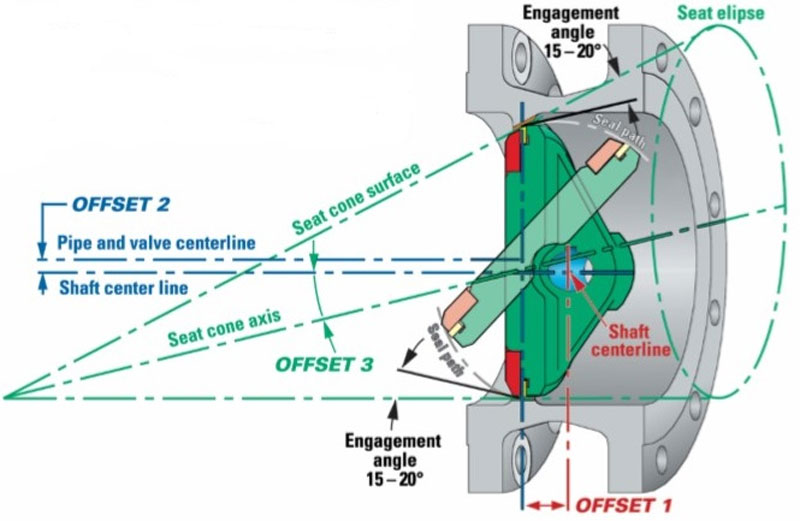
The valve stem is offset from the center of the pipe and the center of the disc. This initial offset allows the disc to cam into and out of the seat, reducing interference and wear during the initial opening and final closing stages.
The valve stem is offset from the centerline of the bore. This second offset ensures that the disc does not rub against the seat during the full 90-degree rotation. Instead, the disc lifts off the seat immediately upon opening and only makes contact at the very end of the closing stroke.
This is the most critical offset, where the seat sealing surface is conically machined, and the disc sealing surface is also conically shaped. This creates a right-angle conical sealing geometry. As the valve closes, the disc cams into the seat, providing a uniform, friction-free, and tight metal-to-metal seal. This unique design eliminates rubbing, galling, and wear, which are common issues in conventional butterfly valves.
نطاق الضغط
نطاق درجة الحرارة
نطاق الحجم
certifcation
Comprehensive technical data and interactive tools to help you select the perfect valve for your application.
Choose the right material for your application based on temperature, pressure, and media compatibility.
≤425°C
Standard carbon steel for general applications
≤425°C
High-quality carbon steel casting
≤650°C
Corrosion resistant, food grade
≤650°C
Superior corrosion resistance
≤650°C
Cast stainless steel equivalent to 304
Interactive dimensional data table based on GB/T 12221-2005 standards.
| DN | ضغط | Wafer Type (mm) | Flanged Type (mm) |
|---|---|---|---|
| DN50 | PN 1.6~2.5 | 43 | 108 |
| DN65 | PN 1.6~2.5 | 46 | 112 |
| DN80 | PN 1.6~2.5 | 46 | 114 |
| DN100 | PN 1.6~2.5 | 52 | 127 |
| DN125 | PN 1.6~2.5 | 56 | 140 |
| DN150 | PN 1.6~2.5 | 56 | 140 |
| DN200 | PN 1.6~2.5 | 60 | 152 |
| DN250 | PN 1.6~2.5 | 68 | 165 |
Choose the appropriate actuator type based on your operational requirements.
Hand wheel operation for smaller sizes
Hand wheel operation for smaller sizes
Size Range: DN50-DN300
Torque: Low to Medium
Air-operated for automated control
Air Pressure: 4-7 bar
Response Time: Fast
Electric motor operation for precise control
Voltage: 220V/380V
Control: Precise
Gear-operated for large valves
Size Range: DN400+
Gear Ratio: Variable
BCST valves are manufactured according to international and Chinese national standards.
100% Factory Testing
ISO 9001 Certified
30+ Years Experience
تتفوق صمامات الفراشة الثلاثية اللامركزية التي نقدمها في القطاعات الصناعية المتطلبة، مما يوفر أداءً موثوقًا في أكثر البيئات صعوبة.

Essential for steam, condensate, and cooling water systems in thermal, nuclear, and combined cycle power plants.
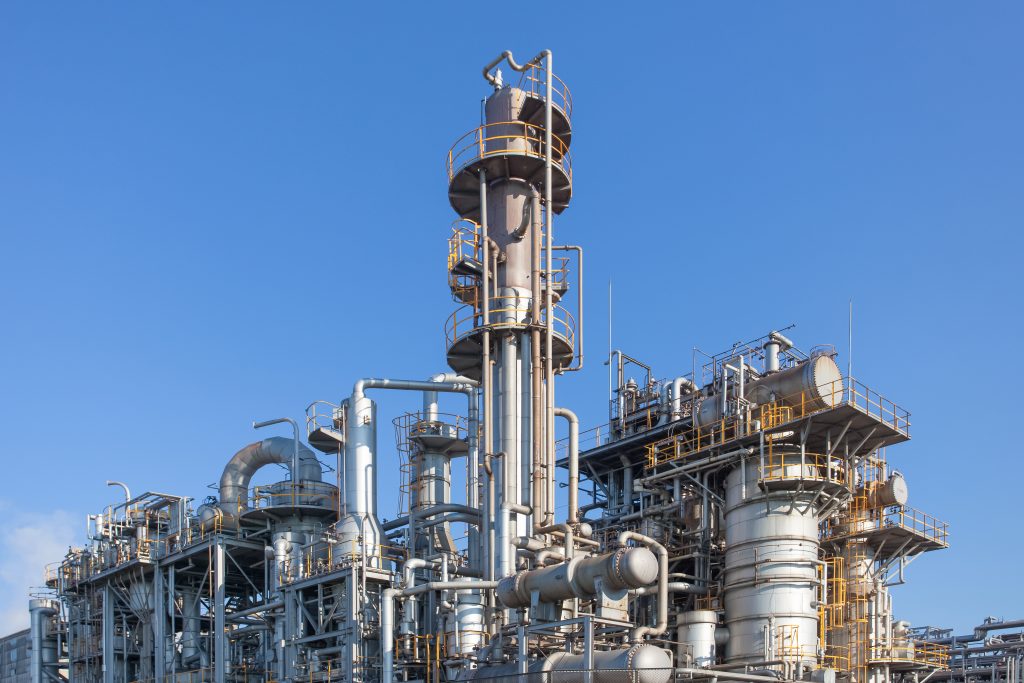
Essential for steam, condensate, and cooling water systems in thermal, nuclear, and combined cycle power plants.
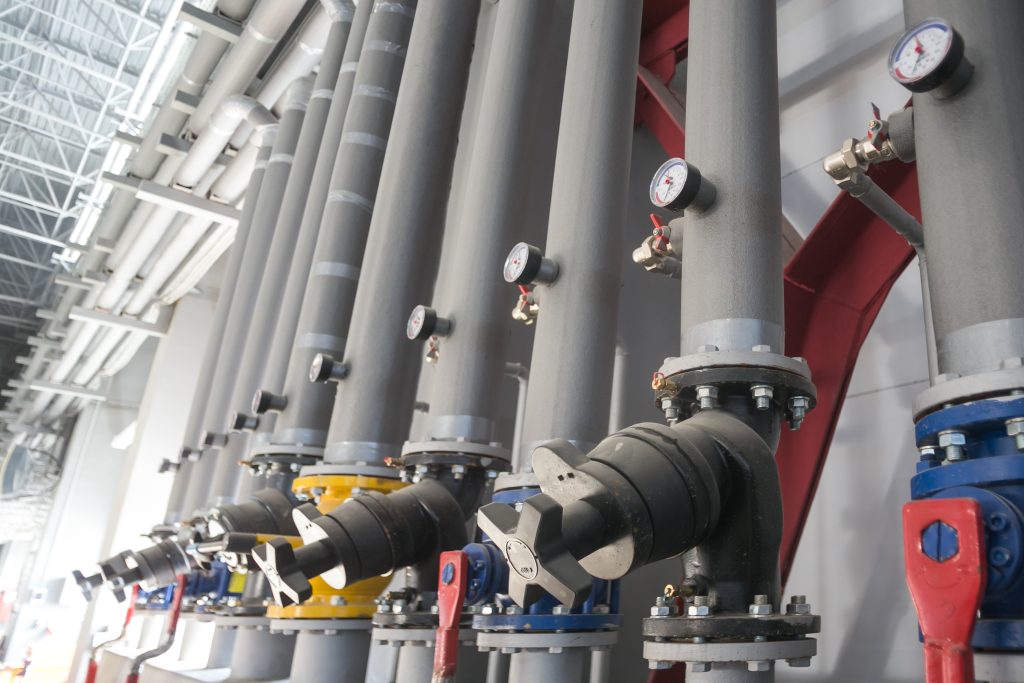
Handling aggressive chemicals, high-purity fluids, and slurries with superior chemical resistance.
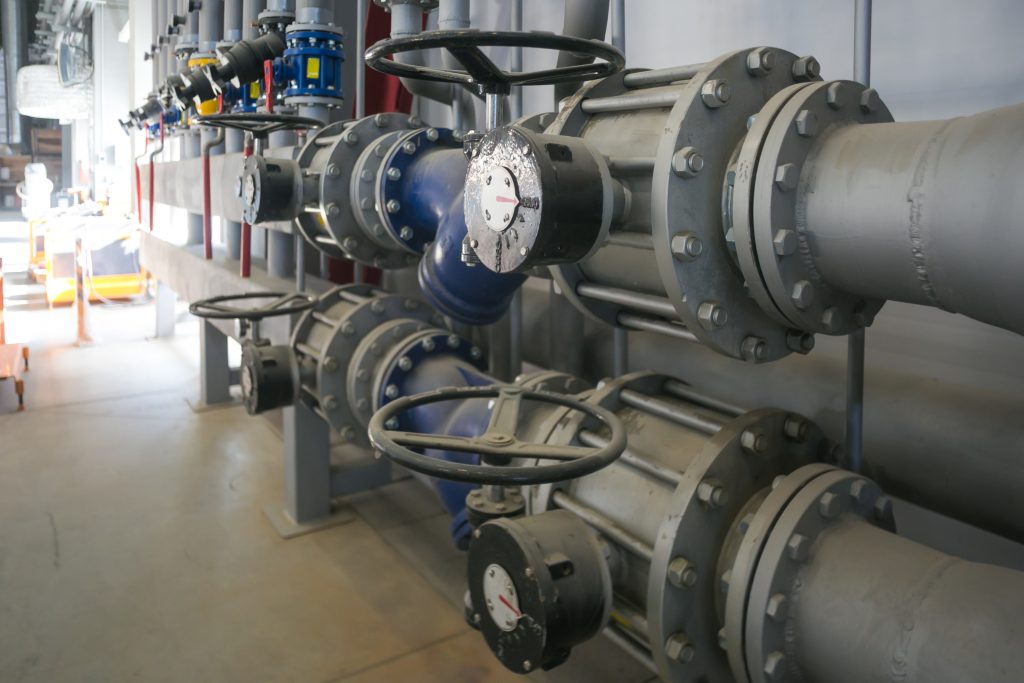
Large-diameter pipelines, pump stations, and treatment facilities requiring reliable isolation and flow control.
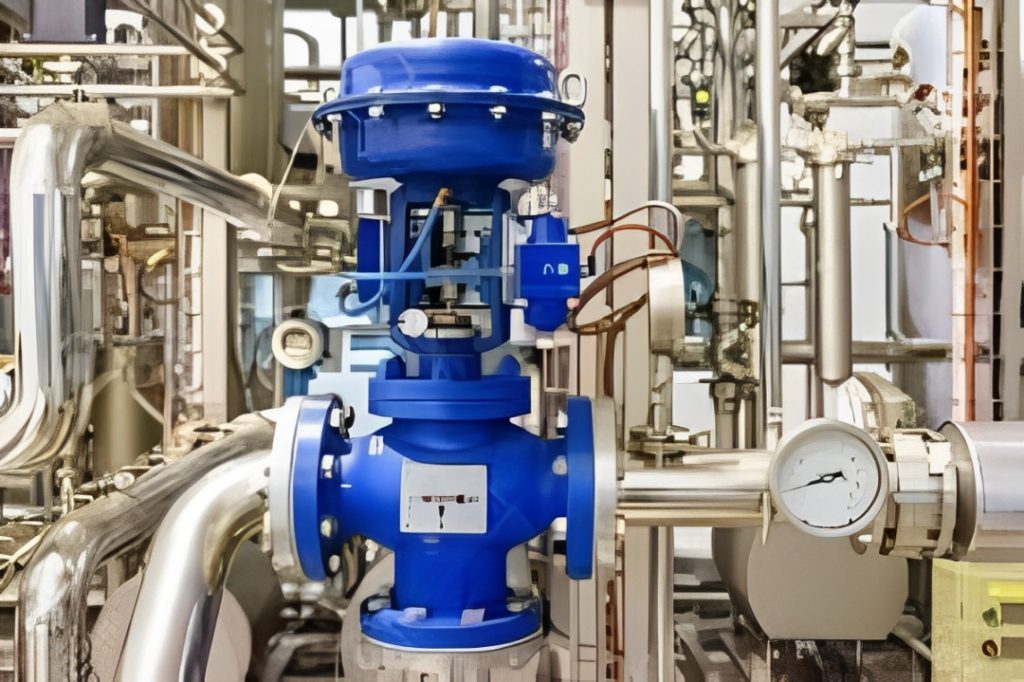
Large-scale heating, ventilation, and air conditioning systems providing efficient and precise control.

High-temperature, abrasive slurries, and corrosive media in blast furnaces and mineral processing.
As a direct manufacturer, BCST controls the entire production process, giving us significant advantages in quality, delivery time, and pricing. Our ISO 9001 certified factory ensures every valve meets the highest standards.
56
International Brands
1000+
Satisfied Customers
99.9%
Quality Rate
A Triple Offset Butterfly Valve (TOBV), also known as a Tri-Eccentric Butterfly Valve, is an advanced quarter-turn valve designed for critical applications. It features three distinct offsets between the disc, shaft, and seat, which eliminate friction during operation and allow for a metal-to-metal, bubble-tight seal, even in high-temperature and high-pressure environments.
The zero leakage in a TOBV is achieved through its unique triple offset design. The third offset creates a conical sealing surface on both the disc and the seat. As the valve closes, the disc cams into the seat without rubbing, creating a uniform, tight metal-to-metal seal that prevents any fluid bypass.
TOBVs offer several key advantages, including bidirectional zero leakage shut-off, extended service life due to friction-free operation, suitability for high-temperature and high-pressure applications, lower operating torque, and reduced maintenance costs. They are a superior choice for demanding industrial processes.
Triple Offset Butterfly Valves are widely used in industries such as power generation (thermal, nuclear), oil and gas (upstream, midstream, downstream), chemical processing, water and wastewater treatment, HVAC, metallurgy, and pulp and paper. They are ideal for applications requiring reliable shut-off in harsh conditions.
Yes, BCST Valve Triple Offset Butterfly Valves can be designed and manufactured with specialized materials and hardened seating surfaces to effectively handle abrasive media and slurries. Our engineering team can help you select the appropriate materials and configurations for your specific abrasive applications to ensure optimal performance and longevity.
Selecting a triple offset butterfly valve for high-pressure or high-temperature service is a critical decision. But did you know that choosing the wrong body style can complicate installation, prevent necessary maintenance, and compromise safety?
The main types of triple offset butterfly valves are defined by their body construction: Lug, Wafer, Double Flanged, and Butt-Weld ends. The choice depends on your installation needs, pressure requirements, and whether the valve needs to serve as a dead-end isolation point.
I often discuss this with project engineers like Hassan. He views the valve body as more than just a pressure vessel; it’s a key part of the piping design. He once told me, “Emily, the valve’s performance is sealed by its triple offset geometry, but its function in the system is defined by its body style. Choosing a wafer style when you need end-of-line service is a fundamental design error.
This is because different body types interact with the pipeline flanges in very different ways. The right choice ensures not only a proper seal but also the safety and serviceability of the entire unit for years to come.
Are you concerned about needing to perform maintenance on a pipeline without shutting down the entire system? A standard valve might not allow this, forcing a complete and costly outage for a simple repair on one section.
The Lug-type butterfly valve is the solution for this problem. Its body has threaded lugs that allow it to be bolted to one pipe flange at a time. This design allows it to be used for dead-end service, isolating the downstream piping for maintenance.
The key feature of a lug-style valve is the set of threaded inserts, or “lugs,” cast into the valve body. This allows you to connect the valve to each pipe flange with a separate set of bolts. In a standard installation, bolts will pass through both flanges and the valve. But the real advantage comes when you need to isolate a part of the system. You can remove the downstream piping while the valve remains bolted to the upstream flange, holding back the process fluid. This makes it invaluable for applications where regular maintenance is expected.
Hassan frequently specifies lug-style valves for utility connections and equipment tie-ins because they provide a safe and reliable point of isolation without needing a second valve, saving space and cost.
| ميزة | الوصف |
|---|---|
| تصميم | Valve body has threaded lugs for bolting. |
| تثبيت | Can be bolted to each flange independently. |
| الميزة الرئيسية | Suitable for dead-end service and pipeline isolation. |
| الاستخدام الشائع | High-pressure applications; systems requiring frequent maintenance. |
Are you looking for a more compact and cost-effective valve for a straightforward isolation task? A heavier or more complex valve might be overkill, taking up unnecessary space and budget in your piping design.
The wafer-type butterfly valve is a compact and lightweight option that is “sandwiched” between two pipe flanges. It relies on long through-bolts that clamp the entire assembly together, making it a simple, space-saving, and economical choice for many applications.
A wafer valve is the essence of simplicity. It has no lugs; instead, it has alignment holes and is held in place by the compression of the flange bolts that extend from one flange to the other, clamping the valve in between. This design makes the valve lighter and often more affordable than a lug-style valve. Because of its slim profile, it is an excellent choice for systems where space is tight.
However, this design has a significant limitation: it cannot be used for dead-end service. If you need to remove the downstream piping, there is nothing to hold the valve in place, and you would need to shut down the entire line. I see these valves used extensively in long, straight pipe runs where isolation for maintenance isn’t a primary concern, such as water distribution or HVAC systems.
| ميزة | الوصف |
|---|---|
| تصميم | A thin body held between two pipe flanges by through-bolts. |
| تثبيت | “Sandwiched” between pipe flanges. |
| الميزة الرئيسية | Lightweight, compact, and cost-effective. |
| Limitation | Cannot be used for dead-end service. |
Are you dealing with very large pipe sizes or extremely high pressures where lug and wafer styles may not be suitable? In these critical service conditions, ensuring a robust and secure connection is the highest priority.
For very large diameters or critical, high-pressure applications, double flanged and butt-weld end valves provide the most rigid and secure connection. A double flanged valve bolts independently to each pipe flange, while a butt-weld valve becomes an integral, leak-free part of the pipeline.
These styles are for the most demanding jobs. A double flanged valve has two sets of flanges as part of the valve body itself. Each valve flange is bolted to its corresponding pipe flange with its own set of bolts. This creates an extremely strong and rigid connection, often preferred for very large and heavy valves. It also allows for dead-end service, similar to a lug valve.
Butt-weld end valves take this a step further. These valves have no flanges at all. Instead, the ends of the valve are beveled and are welded directly to the ends of the pipe. This creates a completely leak-proof, continuous connection that is as strong as the pipe itself. Hassan specifies butt-weld valves for the most critical, high-temperature, and high-pressure steam services where zero leakage and maximum structural integrity are non-negotiable.
| Body Style | الوصف | الأفضل لـ |
|---|---|---|
| Double Flanged | Valve has its own flanges that bolt to pipe flanges. | Very large pipe sizes, high-pressure applications. |
| Butt-Weld | Valve ends are welded directly to the pipeline. | Highest integrity applications, steam, zero-leakage requirements. |
| Top-Entry | Allows access to valve internals from the top. | Critical applications where inline maintenance is required. |
Choosing the right triple offset butterfly valve body is crucial for system performance. Use lug-style for dead-end service, wafer-style for compact and cost-effective needs, and double flanged or butt-weld for the most critical, high-pressure applications.
Tell us your specs; our engineer will reply within 24 hours.
 English English
 Arabic
 Russian
 French
 Spanish