
Hydraulic systems power various industries, from heavy machinery to manufacturing and automotive equipment. A critical component of maintaining these systems is monitoring pressure levels to ensure they operate smoothly and efficiently. One of the most effective tools for this task is an inline pressure transmitter. In this article, we’ll explore the role of inline pressure transmitters in hydraulic systems and how they contribute to the hydraulic pressure control essential for system performance and safety.
What Are Inline Pressure Transmitters?

Inline pressure transmitters are devices designed to measure pressure levels in fluid systems such as hydraulic machinery. These sensors are integrated directly into the flow path of hydraulic systems, allowing real-time monitoring of pressure. The transmitter converts pressure readings into an electrical signal, which is then relayed to a control system for analysis.
By providing continuous pressure data, inline pressure transmitters play a vital role in optimizing hydraulic system operations and ensuring equipment functions within safe parameters.
Importance of Pressure Monitoring in Hydraulic Systems
Hydraulic systems rely on precise pressure control to function efficiently. Incorrect pressure levels can lead to various issues, such as system inefficiencies, equipment wear, and even total failure. By integrating an inline pressure transmitter, operators can ensure that pressure remains within the required limits, preventing costly malfunctions and downtime.
Effective hydraulic pressure control is essential for maintaining system reliability, reducing energy consumption, and extending the life of the equipment.
Key Features of Inline Pressure Transmitters
The modern inline pressure transmitter offers several key features that make it indispensable in hydraulic applications:
- الدقة: High accuracy in measuring pressure, ensuring optimal system performance.
- متانة: Built to withstand the harsh environments often found in hydraulic systems.
- Real-time Data: Provides continuous pressure monitoring, allowing for immediate adjustments when needed.
These features make inline pressure transmitters a reliable tool for managing complex hydraulic systems where accuracy and quick responses are essential.
How Transmitters Enhance Hydraulic System Efficiency
In hydraulic systems, efficiency is key. Maintaining the correct pressure levels reduces energy consumption and prevents wear and tear on machinery. Inline pressure transmitters ensure that hydraulic systems operate at optimal pressure, which can significantly improve system performance.
When a system is running at the correct pressure, the chances of downtime due to equipment failure decrease, meaning less time and money spent on repairs. Additionally, optimizing pressure through continuous monitoring helps save energy, making the system more eco-friendly and cost-effective.
Benefits of Using Transmitters for Hydraulic Pressure Control
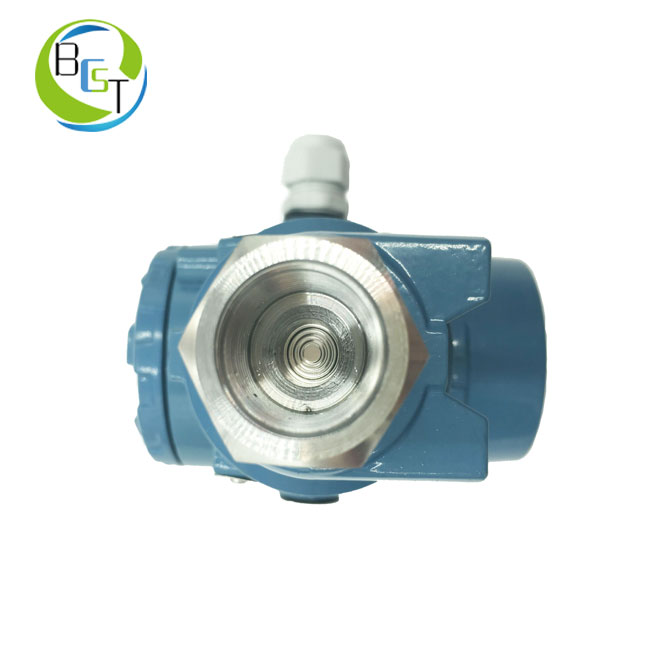
There are several benefits to incorporating pressure transmitters in hydraulic systems:
- Reduced Maintenance Costs: Early detection of pressure anomalies allows for preventive maintenance, avoiding expensive repairs.
- Improved System Reliability: Accurate pressure monitoring ensures the system operates as intended, reducing the likelihood of unexpected failures.
- Enhanced Safety: Proper pressure control is essential for maintaining safe working conditions, particularly in high-pressure environments.
With these benefits, inline pressure transmitters offer a significant return on investment for industries that rely on hydraulic systems for daily operations.
Common Applications of Pressure Transmitters in Hydraulics
Inline pressure transmitters are widely used in hydraulic systems across various industries. Some of the most common applications include:
- Heavy Machinery: Ensuring proper hydraulic pressure in construction and mining equipment.
- Manufacturing Equipment: Monitoring pressure in hydraulic presses and automated systems.
- Automotive Systems: Regulating hydraulic pressure in braking and steering systems.
These applications demonstrate the versatility of inline pressure transmitters and their importance in maintaining hydraulic systems.
How to Choose the Right Pressure Transmitter for Hydraulic Systems
اختيار المناسب inline pressure transmitter depends on several factors, including the pressure range, system compatibility, and the operating environment. When selecting a transmitter, it’s essential to consider:
- نطاق الضغط: The transmitter should be able to measure the expected pressure levels of the system.
- توافق المواد: Ensure the sensor materials can withstand the hydraulic fluid and operating conditions.
- تثبيت: Choose a transmitter that is easy to integrate into the existing system.
Making the right choice helps ensure accurate measurements and long-term system reliability.
Inline pressure transmitters are crucial for the effective operation of hydraulic systems, providing accurate and real-time pressure monitoring. By improving system efficiency, reducing maintenance costs, and enhancing safety, these transmitters play a vital role in modern hydraulic pressure control. Investing in high-quality inline pressure transmitters can significantly enhance the performance and longevity of your hydraulic systems, ensuring smooth and efficient operations for years to come.


 English
 Arabic
 Russian
 French
 Spanish