
The “NACE” Oversight: How Sour Gas (H2S) Turns a Cheap Bleeder Valve Into Shrapnel
Ignoring material specifications in H2S service isn’t just an error; it’s a ticking time bomb.
In the high-stakes world of oil and gas, particularly within sour service environments contaminated with Hydrogen Sulfide (H2S), a single oversight can trigger devastating consequences. The “NACE” oversight refers to the critical mistake of deploying non-compliant materials, turning what begins as a cost-saving measure into a catastrophic failure. A common, inexpensive bleeder valve, if not correctly specified, can suffer from **Sulfide Stress Cracking (SSC)**, transforming a seemingly innocuous component into a volatile piece of shrapnel capable of causing severe injury or extensive plant damage.
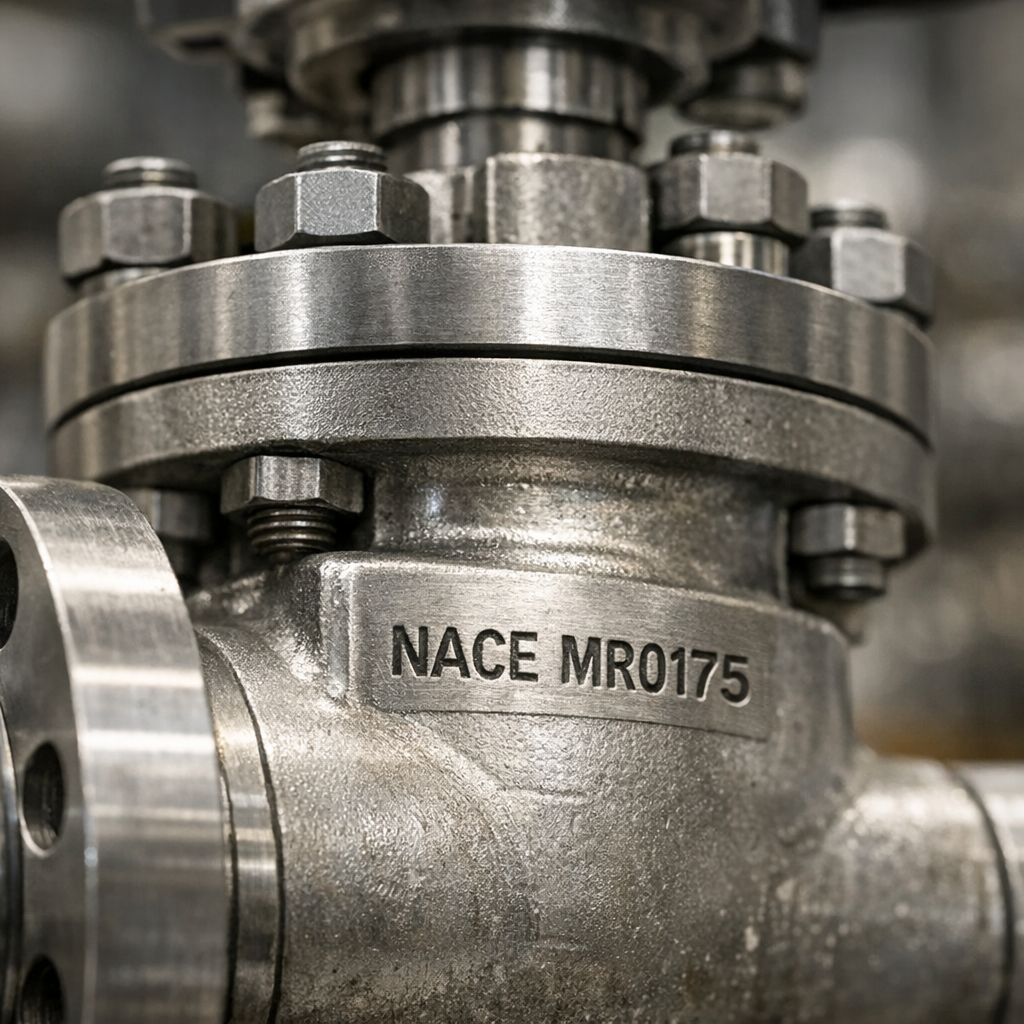
Key Insight: For sour gas applications, NACE MR0175/ISO 15156 compliance for every wetted component of a bleeder valve is non-negotiable. This catastrophic material failure is a deadly and often invisible type of hidden pressure trap that every safety manager must understand.
Our expertise extends beyond valve design; we understand the intricate material science required to navigate the world’s harshest environments. This guide is an urgent warning and a practical specification roadmap, explaining the lethal mechanism of SSC and providing a checklist to ensure your bleeder valves are truly NACE compliant, safeguarding both personnel and production assets.
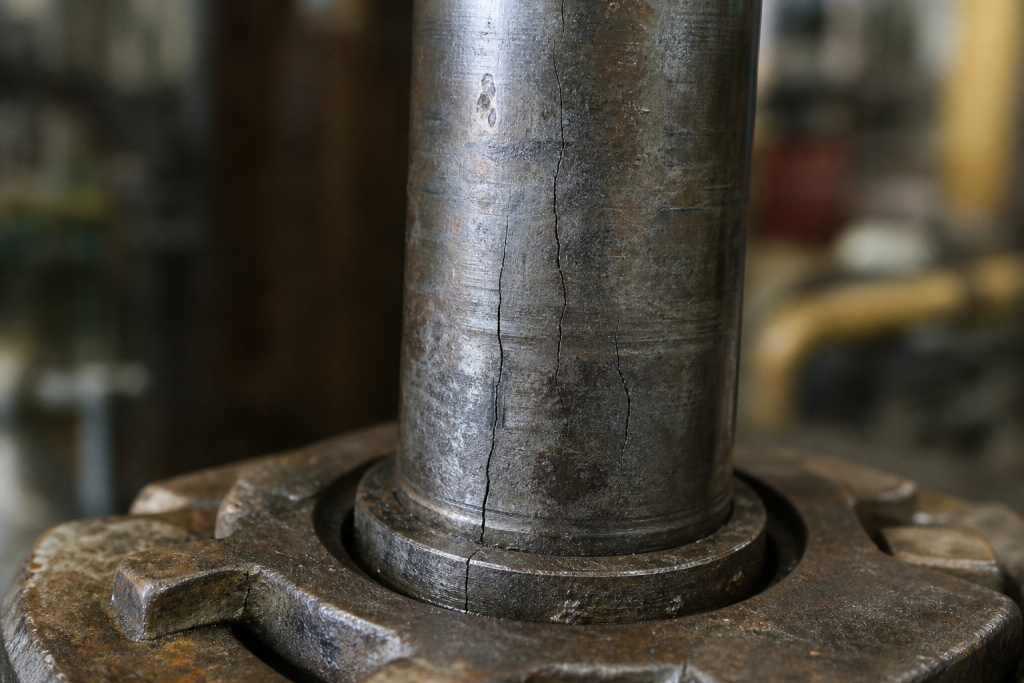
What is Sulfide Stress Cracking (SSC)? The Silent Killer
Sulfide Stress Cracking (SSC) is a brittle-cracking phenomenon that affects high-strength steels and other alloys when exposed to H2S environments in the presence of water (even trace amounts). It’s particularly insidious because it can occur rapidly, often without prior warning, at stresses well below the material’s yield strength.
The Mechanism of SSC: A Microscopic Bomb
- Hydrogen Absorption: H2S in water dissociates, producing hydrogen atoms. These atoms are absorbed into the metal’s crystal structure.
- Hydrogen Embrittlement: The absorbed hydrogen weakens the atomic bonds within the metal, making it brittle.
- Crack Propagation: Under even residual or operational stresses (e.g., from tightening, differential pressure), microscopic cracks form and propagate rapidly, especially in hard, high-strength materials.
- Sudden Failure: The component can then fracture catastrophically, often with explosive force if under high pressure, turning the valve into shrapnel.
This process is highly dependent on factors like H2S partial pressure, temperature, pH, and the hardness (or heat treatment) of the alloy. Even a seemingly small bleeder valve, if made from an unsuitable material like hardened 410 stainless steel, becomes an extreme hazard.
NACE MR0175/ISO 15156: The Standard for Prevention
To combat SSC, the NACE International (formerly National Association of Corrosion Engineers) standard NACE MR0175 (now harmonized with ISO 15156) sets strict metallurgical requirements for materials used in H2S-containing environments. This standard specifies material grades, heat treatments, and hardness limits for components to resist SSC.
Key Compliance Elements for Bleeder Valves
- Material Composition: Specific alloys (e.g., certain grades of stainless steel, duplex, Inconel) with controlled chemical compositions.
- Heat Treatment: Crucial for achieving the correct microstructure and hardness. Hardness in particular is carefully limited, often to Rockwell C 22 (HRC 22) or less.
- Manufacturing Process: Ensuring no cold working or machining that could increase hardness beyond limits.
- Certification and Traceability: Every wetted component—valve body, stem, packing gland, ball/tip, springs—must have traceable Material Test Reports (MTRs) proving NACE compliance.
| Component/Factor | Non-NACE Compliant Risk | NACE MR0175/ISO 15156 Requirement |
|---|---|---|
| Valve Body/Stem Material | Standard carbon or high-strength stainless steel (e.g., highly hardened 410SS). Susceptible to SSC. | Approved alloys (e.g., 316L SS, specific duplex, Inconel) with controlled hardness (e.g., HRC ≤ 22). |
| Heat Treatment | Uncontrolled or inappropriate heat treatment leading to high hardness. | Specific heat treatments (e.g., annealing, solution annealing) to achieve soft, ductile microstructure and low hardness. |
| Internal Components (Springs, Pins) | Standard alloys, often with high hardness. | Must also be NACE compliant, often requiring specialized alloys like Hastelloy C or Inconel. |
| التوثيق | Generic certificates, no material traceability for specific components. | Full Material Test Reports (MTRs) for every wetted component, demonstrating chemical composition and heat treatment. |
While material failure is catastrophic, even a perfectly specified valve can cause significant financial harm if it leaks, silently wrecking your plant’s mass balance calculations.
A Specification Checklist for NACE-Compliant Bleeder Valves
To avoid the “NACE” oversight and ensure optimal safety and longevity in sour service, procurement and engineering teams must insist on the following:
- Specify NACE MR0175/ISO 15156: Explicitly state this requirement on all purchase orders and data sheets for sour service applications.
- Request Full MTRs: Demand Material Test Reports for all wetted parts (body, stem, tip, packing gland, ball/disk, fasteners). Visually inspect these against NACE requirements.
- Verify Hardness: Ensure hardness values (typically HRC ≤ 22) are explicitly stated and met for critical components.
- Confirm Heat Treatment: Verify that the correct heat treatment process was applied to enable NACE compliance.
- Visual Inspection for Stamping: Look for NACE markings on the valve body, although this alone is not sufficient without full documentation.
- Choose Reputable Suppliers: Partner with manufacturers who have a proven track record of supplying NACE compliant components with transparent documentation.
Conclusion: No Compromise on NACE Compliance
In sour gas service, specifying NACE MR0175/ISO 15156 compliant bleeder valves isn’t a recommendation; it’s an imperative. “The ‘NACE’ Oversight” can swiftly transform a trusted component into a deadly projectile, with catastrophic human and financial costs. By understanding the science of Sulfide Stress Cracking, adhering to stringent material specifications, and holding suppliers accountable, you elevate safety and operational integrity.
At [Your Brand Name], we are specialists in engineered solutions for extreme environments. Our NACE compliant bleeder valves are meticulously manufactured and certified, providing the assurance you need when H2S is a constant threat. Don’t compromise; collaborate with experts who understand that material science is the foundation of safety.
Need NACE-compliant bleeder valves for your sour service applications?


 English
 Arabic
 Russian
 French
 Spanish