
When to Use Full Bore vs. Reduced Bore Ball Valves
When selecting ball valves for pipeline applications, one of the most fundamental decisions an engineer faces is the choice between a full bore (also known as full port) and a reduced bore (or reduced port) design. This decision isn’t merely about valve size; it profoundly impacts the pipeline’s hydraulic efficiency, operational flexibility, maintenance capabilities (especially pipeline pigging), and overall cost.
At BCST Valve, we understand that optimizing pipeline performance means making informed choices at every component level. This guide delves into the distinctions, advantages, and disadvantages of full bore and reduced bore ball valves, helping you determine which design is best suited for your specific pipeline requirements. For a broader overview of ball valve engineering principles in pipeline environments, consult The Engineer’s Guide to Ball Valves in Pipeline Applications.

What Defines Full Bore and Reduced Bore?
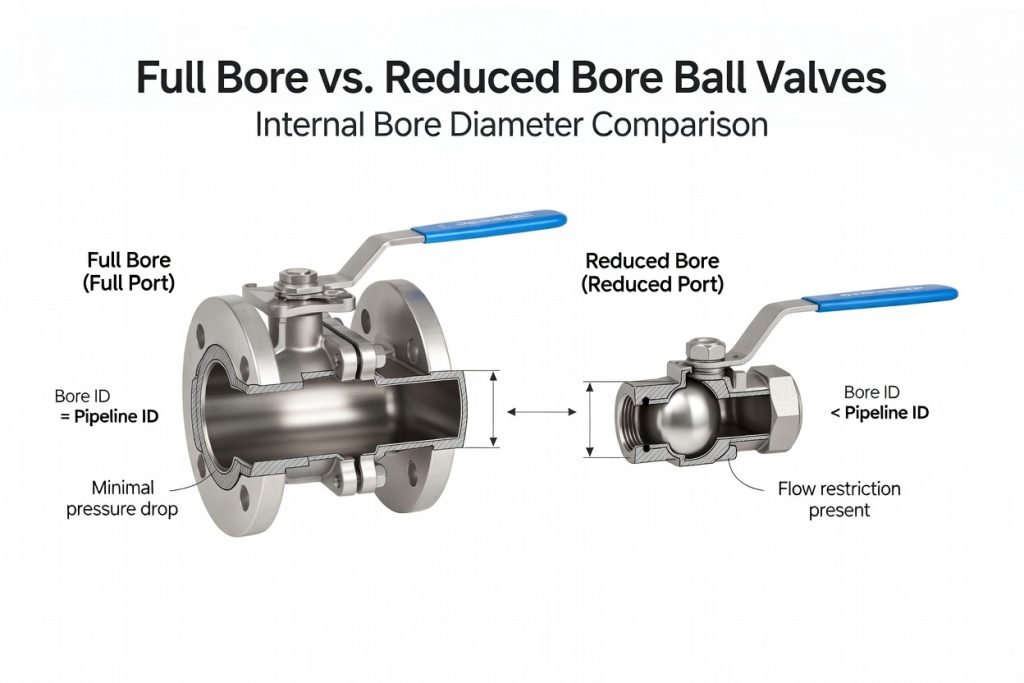
The distinction lies in the internal diameter of the valve’s port (the opening through the ball) relative to the connecting pipeline’s nominal diameter.
Full Bore (Full Port) Ball Valves
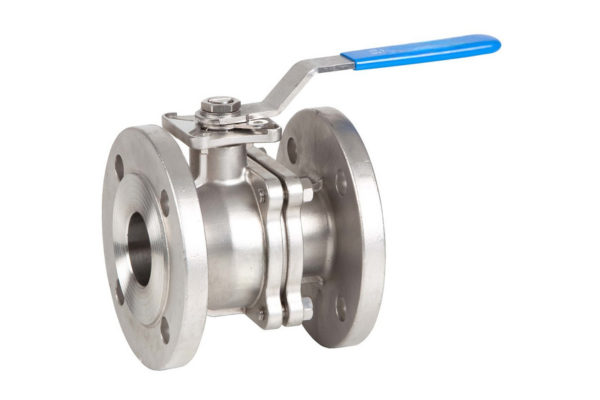
- Definition: The internal diameter of the ball’s bore is equal to or very slightly larger than the connecting pipe’s nominal internal diameter. This creates an unobstructed flow path.
- Flow Characteristic: Mimics the flow of an uninterrupted pipe section.
Reduced Bore (Reduced Port) Ball Valves
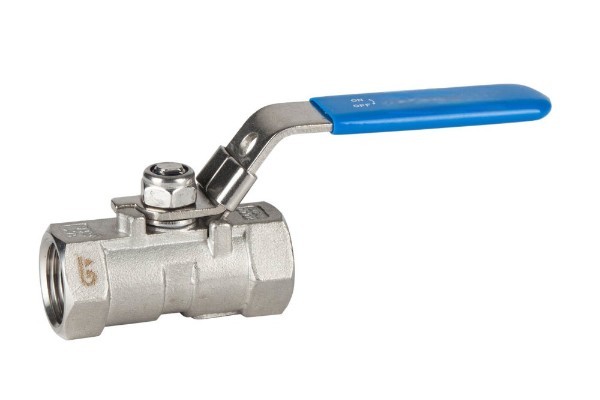
- Definition: The internal diameter of the ball’s bore is smaller than the connecting pipe’s nominal internal diameter. This creates a constriction in the flow path.
- Flow Characteristic: Acts as an orifice, inducing a pressure drop.
Advantages and Disadvantages for Pipeline Applications
| ميزة | Full Bore Ball Valve | Reduced Bore Ball Valve |
|---|---|---|
| Internal Diameter | Matches pipe ID | Smaller than pipe ID |
| انخفاض الضغط | Minimal | Significant |
| Pigging Compatibility | Yes, allows unimpeded passage | No, obstructs pig passage |
| Size/Weight | Larger, heavier | More compact, lighter |
| التكلفة | أعلى | أقل |
| Flow Capacity | Maximum | Reduced |
| Erosion/Cavitation Risk | Lower (smoother flow) | Higher (due to velocity change) |
Why Pigging is a Game Changer for Full Bore
Pipeline Inspection Gauges (PIGs) are critical tools used for cleaning, inspection, and maintenance of pipelines. These devices travel through the pipeline, performing tasks like removing paraffin or scale buildup, inspecting for corrosion or cracks, and separating different products within the line.
- Full Bore: Absolutely essential for any pipeline segment intended for pigging. The unobstructed flow path allows PIGs to pass through without getting stuck or damaging the valve or the pig itself. This is vital for maintaining pipeline integrity and operational efficiency.
- Reduced Bore: Completely unsuitable for piggable lines. The reduced diameter would trap or damage the PIG, halting operations, potentially damaging the pipeline, and incurring significant recovery costs.
Neglecting pigging requirements when selecting valve bore type can lead to severe operational headaches and significantly higher maintenance costs down the line. Papers on corrosion mitigation suggest that consistent pigging, enabled by full-bore accessibility, can extend the operational life of a pipeline by up to 15 years by preventing under-deposit corrosion.
Impact on Flow Characteristics and System Efficiency
The choice of bore directly influences the hydraulic performance of the pipeline system:
- Pressure Drop: Every component in a pipeline causes some level of pressure drop. Full bore valves cause a negligible pressure drop, as if the pipe itself continues. Reduced bore valves, however, act as a choke, causing a sudden reduction in pressure and an increase in fluid velocity. This pressure loss needs to be accounted for in pump sizing and overall system design.
- Flow Rates: Full bore valves maximize flow capacity for a given pipe size, which is critical for high-volume gas transmission or liquid pipelines. Reduced bore valves inherently limit the maximum achievable flow rate.
- Erosion & Cavitation: The increased velocity and turbulence through a reduced bore can heighten the risk of erosion, especially with abrasive fluids or slurries. In liquid service, the sudden pressure drop can lead to cavitation, where vapor bubbles form and collapse, causing physical damage to the valve and downstream piping.

When to Choose Which Bore Type
Choose Full Bore When:
- Pipeline Pigging is Required: This is the absolute primary driver for full bore selection.
- Minimal Pressure Drop is Critical: For long-distance transmission, main lines, or gravity-fed systems.
- Handling Viscous Fluids or Slurries: To prevent clogging or excessive shear.
- Maintaining Maximum Flow Capacity: For high-throughput applications.
- Reducing Erosion/Cavitation Risk: In critical process streams.
Choose Reduced Bore When:
- Cost is a Primary Consideration: Reduced bore valves are typically more economical due to less material and a smaller ball.
- Space is Limited: They are more compact and lighter.
- Pigging is NOT Required: For utility lines, bypass lines, or systems where flow is not intended for pigging.
- Pressure Drop is Acceptable or Desired: In certain process control applications where a slight restriction helps regulate flow.
- Fluid is Clean and Non-Abrasive: To mitigate the risk of erosion and clogging.
خاتمة
The decision between full bore and reduced bore ball valves is a critical engineering trade-off. While reduced bore valves offer cost and space advantages, the benefits of full bore—minimal pressure drop and, crucially, pigging compatibility—often outweigh these for main pipeline applications. A well-designed pipeline prioritizes efficiency and maintainability, making the full bore ball valve the preferred choice for ensuring long-term operational integrity and inspection capabilities.
BCST Valve specializes in manufacturing API 6D compliant ball valves for demanding pipeline service. Our engineers can guide you in selecting the optimal bore configuration, ensuring your pipeline functions with maximum efficiency and reliability.
Seeking expert advice for your pipeline valve selection?


 English
 Arabic
 Russian
 French
 Spanish