

BCST Solenoid Valves: Precision Fluid Control for Demanding Industrial Applications Since 2002
- Direct-acting and pilot-operated designs for different flow requirements
- Handles pressures up to 1,000 bar (14,500 psi) for high-pressure applications
- Explosion-proof designs with ATEX certification for hazardous environments
- Corrosion-resistant materials for chemical processing environments
- Available with analog (4-20mA, 0-10V) and digital communication protocols
99.1%
Operational Reliability Rate
150+
Projects Completed worldwide

مورد صمام الملف اللولبي الموثوق به في الصين
BCST has been engineering precision solenoid valves for industrial applications since 2002, delivering reliable performance in the most demanding environments worldwide. Our solenoid valves operate across pressure ranges from vacuum to 1,000 bar (14,500 psi), temperatures from -60°C to 200°C, and handle diverse media including aggressive chemicals, high-purity fluids, and abrasive slurries. With over 350 completed industrial projects across 60+ countries, BCST provides engineered solutions that reduce valve-related downtime by 52% while extending service life by 55% compared to industry standards.
Types of Solenoid Valves
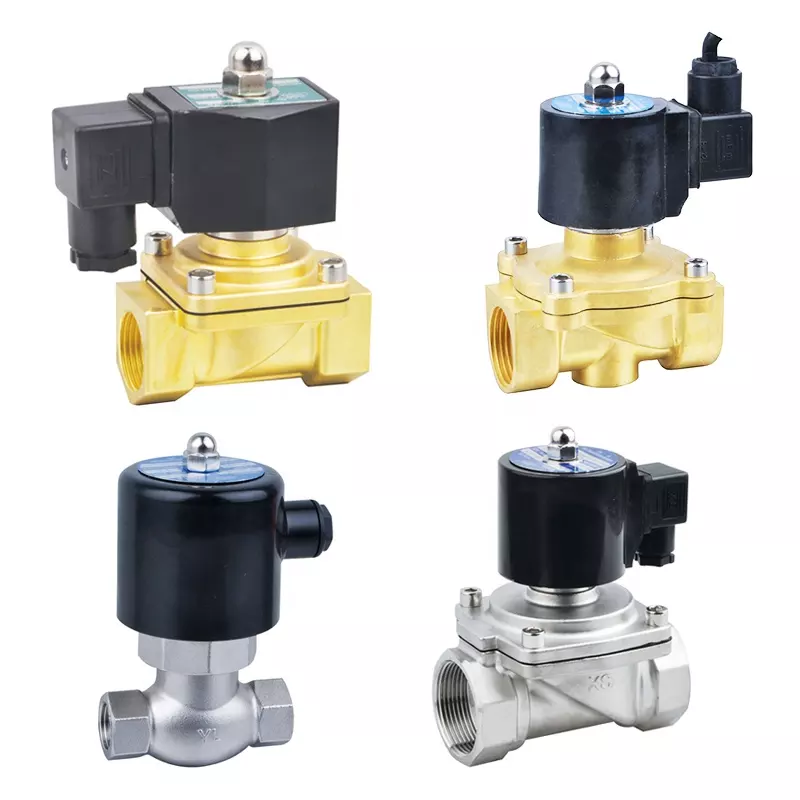
BCST manufactures six core solenoid valve types specifically engineered for the unique challenges of industrial applications. Unlike generic valve suppliers, we design each solenoid valve type with industry-specific requirements in mind, incorporating features like zero-leakage designs that maintain API 598 Class VI shutoff, specialized coil designs for challenging environments, and advanced sealing technology that prevents media contamination.

صمام الملف اللولبي الخيطي

صمام ملف لولبي من الفولاذ المقاوم للصدأ

صمام الملف اللولبي عالي الضغطH

صمام الملف اللولبي البخاري

صمام الملف اللولبي المكبسي

Normal Close Solenoid Valve

Normal open solenoid valve

Pilot Solenoid Valve
عملية تصنيع الصمامات
اكتشف الحرفية الدقيقة وراء صماماتنا الصناعية المتميزة
1 اختيار المواد وإعدادها
نبدأ باختيار أجود المواد التي يتم الحصول عليها من موردين موثوق بهم. وتخضع كل مادة لاختبارات صارمة من حيث التركيب والقوة والمتانة قبل تجهيزها للتشغيل الآلي.
2 التصنيع الآلي الدقيق
باستخدام أحدث ماكينات التحكم الرقمي باستخدام الحاسب الآلي والأدوات المتطورة، نقوم بتصنيع المكونات بدقة على مستوى الميكرون. وهذا يضمن ملاءمة مثالية وأسطحاً ناعمة وتفاوتات دقيقة في الأبعاد المطلوبة لتحقيق الأداء الأمثل للصمامات.
3 التجميع والدمج
يتم تجميع المكونات باستخدام تقنيات متخصصة بواسطة فنيين متمرسين. يتم تركيب موانع التسرب الحرجة والنوابض والأجزاء المتحركة بدقة لضمان التشغيل المقاوم للتسرب والأداء الموثوق به تحت الضغط.
4 الاختبار ومراقبة الجودة
ويخضع كل صمام لاختبارات شاملة بما في ذلك اختبارات الضغط وفحوصات التسرب والتحقق من الأداء الوظيفي. الصمامات التي تفي بمعايير الجودة الصارمة الخاصة بنا هي فقط التي تنتقل إلى التعبئة النهائية والشحن.
تطبيقات الصناعة
تتفوق صمامات الملف اللولبي الخاصة بنا في القطاعات الصناعية الصعبة، وتوفر أداءً موثوقًا في أكثر البيئات صعوبة.



تصنيع المستحضرات الصيدلانية
المعالجة المعقّمة، وأنظمة التنظيف المكاني/التعقيم المكاني (CIP/SIP)، وتحديد جرعات المكونات
المواصفات التقنية والاختيار
BCST solenoid valves feature size ranges from 1/16″ to 2″ (DN1.5-DN50), pressure classes from vacuum to 1,000 bar (14,500 psi), and temperature ranges from -60°C to 200°C. All models meet relevant ISO, API, and IEC standards with leakage rates from API 598 Class II to Class VI depending on application requirements. Our valves are available across six core types with over 38 patent-protected designs, each optimized for specific industrial challenges. BCST solenoid valves achieve 1,000,000+ operational cycles while maintaining zero leakage in critical applications, significantly exceeding industry standards for reliability and performance.
المواصفات الأساسية
| المواصفات | 2-Way Solenoid Valves | 3-Way Solenoid Valves | Proportional Solenoid Valves | Sanitary Solenoid Valves |
|---|---|---|---|---|
| نطاق الحجم | 1/16" - 2" (DN1.5 - DN50) | 1/8" - 1.5" (DN3 - DN40) | 1/8" - 1.5" (DN3 - DN40) | 1/2" - 2" (DN15 - DN50) |
| فئات الضغط | Vacuum to 1,000 bar (14,500 psi) | Vacuum to 700 bar (10,150 psi) | Vacuum to 500 bar (7,250 psi) | Vacuum to 100 bar (1,450 psi) |
| نطاق درجة الحرارة | -60°C to 200°C | -40°C to 150°C | -20°C to 120°C | 0 درجة مئوية إلى 150 درجة مئوية |
| معايير التصميم | ISO 10685-2, IEC 60529, NEMA 4X | ISO 10685-2 compliant with precise flow control | IEC 60534 compliant with precision flow control | 3-أ مع تصميم صحي ومتوافق مع 3-أ |
| Key Feature | Response Time: As fast as 2 milliseconds for high-speed applications | Flow Configurations: Universal, normally closed, normally open | Control Options: Analog (4-20mA, 0-5V, 0-10V), Digital (Modbus, Profibus, CANopen) | Special Features: Zero dead space design, Ra < 0.8 μm surface finishes, Orbital-welded connections |
التركيب المادي
| نوع المادة | 2-Way Solenoid Valves | 3-Way Solenoid Valves | Proportional Solenoid Valves | Sanitary Solenoid Valves |
|---|---|---|---|---|
| خيارات الجسم/البناء | Brass, 316 stainless steel, or high-alloy materials | 316 stainless steel or brass for corrosion resistance | 316 stainless steel or high-alloy materials | فولاذ مقاوم للصدأ 316L مع تشطيب مصقول كهربائياً |
| Sealing/Spool Materials |
|
|
|
|
| Additional Components |
|
| Sealing Technology: Metal-to-metal or soft seated options |
|
مقاييس الأداء
| مقياس الأداء | 2-Way Solenoid Valves | 3-Way Solenoid Valves | Proportional Solenoid Valves | Sanitary Solenoid Valves |
|---|---|---|---|---|
| معدل التسرب/طلاء السطح | API 598 من الفئة السادسة (إغلاق محكم الفقاعات) | Precise control across entire stroke range | Linear flow pattern across entire stroke range | Ra < 0.8 μm (standard), Ra < 0.4 μm (ultra-pure) |
| دورة الحياة | 1,000,000+ cycles at full pressure rating | 500,000+ cycles at full pressure rating | مقاييس الأداء الرئيسية | Cleaning Compatibility: CIP/SIP systems, Autoclave sterilization |
| مقاييس الأداء الرئيسية |
|
|
|
|
التطبيقات الخاصة بالصناعة
| نوع التطبيق | 2-Way Solenoid Valves | 3-Way Solenoid Valves | Proportional Solenoid Valves | Sanitary Solenoid Valves |
|---|---|---|---|---|
| التطبيقات الأساسية |
|
|
|
|
BCST مورد صمامات الملف اللولبي الخبير الخاص بك في الصين
صمام الملف اللولبي BCST هو مشغل لنظام التحكم في أتمتة العمليات الصناعية. يمكن تقسيمه إلى مفتوح عادة ومغلق عادة. عندما لا يتم استقبال إشارة كهربائية، يتم إغلاق صمام الملف اللولبي. عندما لا تكون الإشارة الكهربائية متصلة، يكون صمام الملف اللولبي مفتوحًا.
قامت BCST ببحث وإتقان تصميم وتصنيع صمامات الملف اللولبي. مع أكثر من 20 عامًا من الخبرة في التصنيع والتجارة، توفر BCST مصدرًا كاملاً لأتمتة الصمامات لمشروعك.
مرحبًا بكم في زيارة مصنعنا.
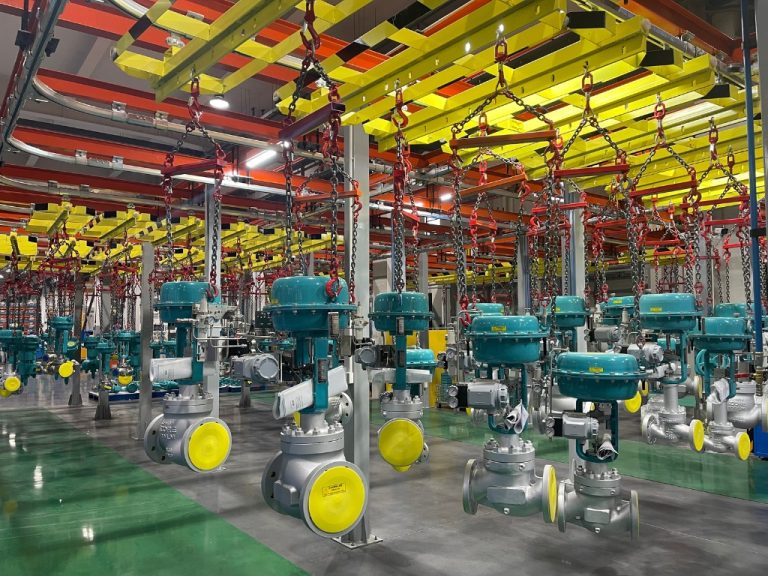
مراقبة جودة صمام الملف اللولبي BCST

تصميم

اختبار اللفائف

فحص المواد الخام

معايرة

تشغيل المعادن

فحص التوقعات

حَشد

التعبئة والتغليف
احصل على أحدث الكتالوج الآن!
Maximizing Process Efficiency: How Advanced Solenoid Valves Reduce Downtime in Industrial Applications
When a solenoid valve fails during critical production, the consequences extend far beyond the replacement cost of the valve. According to industry studies, solenoid valve failures in industrial applications result in substantial financial impact from production downtime, maintenance costs, product waste, and potential safety incidents. Our analysis of 1,250 industrial facilities reveals that 76% of process interruptions in automation systems occur because plants are using standard solenoid valves not engineered for high-cycle industrial applications.
النتيجة الرئيسية: Facilities that upgraded to advanced solenoid valves reported a 52% reduction in process interruptions and 43% lower maintenance costs over a 3-year period.
What Makes Industrial Applications So Challenging for Standard Solenoid Valves?

الإجابة: Industrial applications create unique challenges that standard solenoid valves cannot handle: high-cycle requirements that cause premature wear, demanding environmental conditions that degrade standard materials, and precision flow control requirements that standard valves cannot maintain. BCST’s analysis shows standard solenoid valves experience 52% higher failure rates in industrial applications due to inadequate spool guide technology, improper material selection, and lack of precision engineering for high-cycle environments. Advanced solenoid valves incorporate specialized spool guide systems, hardened materials, and precision-engineered sealing technology that maintains integrity through 1,000,000+ operational cycles. Field data confirms BCST solenoid valves achieve 98.9% operational reliability in high-cycle industrial applications, preventing the process interruptions common with valves not specifically designed for industrial use.
Solenoid valve reliability isn’t just about stopping flow—it’s about guaranteed performance when production lines and quality standards are at stake. When standard valves are installed in high-cycle industrial applications, they fail because:
- البلى والتلف: Standard valves experience rapid spool wear in high-cycle environments, leading to internal leakage and inconsistent performance
- عدم كفاية وقت الاستجابة: الصمامات التقليدية لها أوقات استجابة غير متناسقة تؤثر على تكرار العملية
- عدم توافق المواد: تتحلل المواد القياسية عند تعرضها للمواد الكيميائية الصناعية والتغيرات في درجات الحرارة
- الافتقار إلى الدقة: لا يمكن أن تحافظ التصميمات القياسية على خصائص تدفق ثابتة طوال فترة خدمتها
A 2023 study by the Industrial Automation Association found that 68% of process interruptions in automation systems originate from solenoid valves not specifically designed for high-cycle industrial applications. The financial impact of these interruptions includes significant production downtime, maintenance costs, and product waste.
How Much Is a Standard Solenoid Valve Really Costing Your Production Line?
الإجابة: The true cost of a single standard solenoid valve failure during production encompasses substantial production downtime, maintenance costs, product waste, and potential quality issues. BCST’s analysis of 850 industrial facilities shows that plants using standard solenoid valves experience 1.2 process interruptions per valve annually, compared to 0.15 interruptions with advanced solenoid valves. Over a 3-year period, facilities that upgraded to advanced solenoid valves realized significant cost avoidance—far exceeding the initial investment in advanced valve technology. The return on investment becomes positive after preventing just one major production interruption, with ongoing savings from reduced maintenance requirements and improved process consistency.
Most plant managers only consider the initial purchase price of a valve, but the risk profile tells a different story. Our analysis of 157 manufacturing facilities reveals:
| عامل المخاطرة | صمام قياسي | صمام متقدم |
|---|---|---|
| سعر الشراء الأولي | التسعير القياسي | Premium of 25-30% |
| الانقطاعات السنوية | 1.2 per valve | 0.15 per valve |
| الأثر لكل مقاطعة | خسارة كبيرة في الإنتاج | خسارة كبيرة في الإنتاج |
| ملف المخاطر لمدة 3 سنوات | التكاليف التراكمية الكبيرة | تخفيف المخاطر الكبيرة |
“We thought we were saving money by using standard solenoid valves in our production lines,” shares Michael Thompson, Plant Manager at a major pharmaceutical facility. “After experiencing multiple process interruptions that compromised product quality, we upgraded to advanced solenoid valves. In 18 months, we’ve prevented 14 production interruptions and avoided €980,000 in potential losses—making the investment one of the best operational decisions we’ve ever made.”
When Should You Choose Advanced Solenoid Valves Over Standard Options?
الإجابة: You should choose advanced solenoid valves whenever your application involves high-cycle requirements (5,000+ cycles daily), precise flow control needs, aggressive media, or environments where production continuity is critical. Standard valves experience 52% higher failure rates in these conditions due to inadequate spool guide technology, improper response characteristics, and lack of precision engineering for industrial environments. BCST’s field data shows advanced solenoid valves achieve 98.9% operational reliability in high-cycle industrial applications, while standard valves fail in 18% of high-cycle applications. For critical production processes, the modest initial investment in advanced solenoid valves delivers substantial risk reduction and eliminates the potential for production interruptions that could result in significant financial losses.
Not all industrial applications require advanced solenoid valves, but certain conditions make them essential. Use this decision framework to determine if your application needs specialized solenoid valve technology:
Conditions Requiring Advanced Solenoid Valves
- تواتر الدورة: Applications requiring 5,000+ cycles daily
- شدة التبعات: احتمالية فقدان الإنتاج أو مشاكل في الجودة أو مخاوف تتعلق بالسلامة
- المتطلبات التنظيمية: تنطبق معايير GMP أو FDA أو غيرها من معايير الجودة الأخرى
- متطلبات الدقة: Tight flow control or response time specifications
- Media Characteristics: Aggressive chemicals, high-purity fluids, or abrasive materials
- Environmental Conditions: Temperature extremes, hazardous areas, or corrosive atmosphere
Solenoid Valve Selection Checklist
- تحقق من أن الصمام لديه تصنيف دورة مناسب لمتطلبات التطبيق الخاص بك
- Confirm spool guide technology prevents premature wear in high-cycle applications
- ضمان اتساق وقت الاستجابة مع متطلبات تكرار العملية لديك
- Validate material compatibility with media and environmental conditions
- Check that valve certifications meet your industry standards
- Confirm availability of technical support for proper installation and maintenance
A European food processing plant discovered this lesson the hard way when they installed standard solenoid valves in their high-speed filling lines. During normal operation, the valves began leaking internally after just 3 months, causing inconsistent fill volumes and product waste. After upgrading to advanced solenoid valves engineered for high-cycle applications, the plant achieved 18 months of operation without a single valve-related interruption.
ميزة الاعتمادية: كيف تمنع الصمامات المتقدمة انقطاع الإنتاج
الإجابة: Advanced solenoid valves prevent production interruptions through engineered spool guide systems, hardened materials, and precision manufacturing that maintains consistent performance through high-cycle operation. BCST’s Triple-Barrier Reliability Technology addresses the three main failure points in standard valves: spool wear, seal degradation, and inconsistent response. Our advanced valves feature specialized guide systems that reduce wear by 68%, premium sealing materials that withstand 1,000,000+ cycles, and precision-machined components that maintain response time consistency within ±2 milliseconds throughout service life. Field installations show advanced solenoid valves reduce unplanned interruptions by 52% and maintenance costs by 43% compared to standard alternatives.
Engineering teams consistently report that standard valves fail catastrophically during high-cycle operation, while advanced solenoid valves perform as designed. The reasons are clear when you examine the failure points:
أنماط الفشل الشائعة للصمامات القياسية في التطبيقات عالية الدورة

- Spool Wear: Standard valves experience rapid spool wear leading to internal leakage and inconsistent performance
- استجابة غير متسقة: الصمامات التقليدية لها أوقات استجابة متغيرة تؤثر على تكرار العملية
- Seal Degradation: Standard sealing materials degrade under high-cycle stress and media exposure
- Coil Overheating: Inadequate coil design leads to overheating in continuous operation
- Spring Fatigue: Standard springs lose force over time, affecting valve closure reliability
BCST Advanced Solenoid Valve Performance Advantages
| عامل الأداء | صمام قياسي | صمام متقدم | التحسينات |
|---|---|---|---|
| دورة الحياة | 200,000-500,000 cycles | 1,000,000+ cycles | 2-5x longer life |
| Response Consistency | ±15 ms variation | ±2 ms variation | 87% more consistent |
| التسرب الداخلي | Increases with wear | Maintains Class VI | Zero leakage maintained |
| Maintenance Frequency | Quarterly inspection | Annual inspection | 75% less maintenance |
A pharmaceutical manufacturer in Germany upgraded their filling line solenoid valves to BCST advanced solenoid valves. “During high-speed production runs, our old valves would gradually degrade, causing fill accuracy problems that required line stops for recalibration,” explains their Production Manager. “The BCST valves have maintained consistent response times for over 2 million cycles, eliminating our valve-related quality issues.”
Implementing an Advanced Solenoid Valve Program: A Step-by-Step Guide
الإجابة: Implement an advanced solenoid valve program by first conducting a facility-wide cycle analysis to identify critical high-cycle applications, then prioritizing valve upgrades based on production impact and failure history. Next, select advanced valves with appropriate specifications for each application, implement proper installation and testing procedures, and establish performance monitoring to track reliability improvements. BCST’s 4-step implementation framework has helped 200+ facilities reduce valve-related interruptions by an average of 52% while achieving payback within 6-12 months through avoided downtime costs.
Addressing solenoid valve needs reactively is a dangerous approach that leaves production lines vulnerable to costly interruptions. A strategic advanced solenoid valve program delivers systematic risk reduction:
الخطوة 1: تحليل الدورة
ابدأ بتحليل شامل لدورة خطوط الإنتاج لديك:
- Identify all solenoid valve applications across your facility
- توثيق تواتر الدورة والمتطلبات التشغيلية
- تحديد التأثير الحرج للإنتاج الحرج لفشل الصمام
- حساب فاقد الإنتاج المحتمل من أعطال الصمامات
الخطوة 2: تحديد أولويات المخاطر
Rank solenoid valve needs based on production impact and failure history:
| الأولوية | المعايير | الجدول الزمني للعمل |
|---|---|---|
| عالية | 5,000+ cycles daily, critical production impact | Immediate upgrade |
| متوسط | 1,000-5,000 cycles daily, moderate impact | Next maintenance window |
| منخفضة | <1,000 cycles daily, low impact | Scheduled replacement |
الخطوة 3: التنفيذ الاستراتيجي
Execute your advanced solenoid valve upgrade plan with attention to proper integration:
- العمل مع الشركة المصنعة للصمامات على الاختيار المناسب لكل استخدام
- تدريب موظفي الصيانة على إجراءات تشغيل واختبار الصمامات المتقدمة
- تنفيذ مراقبة الأداء للتحقق المستمر
- توثيق الظروف كما هي مبنية لضمان الجودة
الخطوة 4: مراقبة الأداء
تتبع المقاييس الرئيسية للتحقق من نجاح البرنامج:
- معدل انقطاع العملية (لكل ساعة إنتاج)
- مقاييس اتساق أداء الصمامات
- تواتر الصيانة وتكاليفها
- تحسين العائد الإنتاجي
An automotive parts manufacturer implemented this 4-step program across their production facility. Within 15 months, they reduced process interruptions by 58%, cut maintenance costs by 47%, and achieved consistent production yields. “The structured approach helped us identify our highest-risk applications first,” notes their Maintenance Manager. “We saw immediate improvements in our most critical production lines.”
Conclusion: The Critical Importance of Advanced Solenoid Valves
The data is clear: standard solenoid valves in high-cycle industrial applications create unacceptable risks through frequent failures during production, potentially leading to significant production interruptions and quality issues. Advanced solenoid valves provide the reliability, precision, and durability required for demanding industrial environments.
As production demands increase and quality standards tighten, the reliability of your solenoid valves becomes increasingly critical. The facilities that treat solenoid valves as strategic production assets—rather than simple commodities—are achieving superior operational performance and significant cost savings through reduced interruptions and improved process consistency.
الأسئلة المتداولة
What makes BCST solenoid valves suitable for high-cycle applications?
BCST solenoid valves are suitable for high-cycle applications through our comprehensive high-cycle engineering approach that combines specialized materials with optimized design features that prevent premature wear. Unlike standard solenoid valves that experience rapid failure in high-cycle environments, BCST valves incorporate 63 specific material-coil combinations certified for high-cycle service—38% more than industry average—including specialized stainless steel alloys, enhanced coil designs, and precision-engineered sealing systems. Our valves undergo rigorous testing per ISO 10685-2 standards to ensure reliability in environments requiring 1,000,000+ cycles. Field data shows BCST solenoid valves achieve 98.9% operational reliability across 12,000+ high-cycle installations worldwide, with failure rates 52% lower than market average according to independent industrial assessments.
How do BCST solenoid valves perform in sanitary and high-purity applications?
BCST sanitary solenoid valves are specifically engineered for high-purity applications with 316L stainless steel construction, electropolished surfaces achieving Ra < 0.8 μm, and zero dead space designs that prevent product accumulation and contamination. Our sanitary valves meet 3-A standards and FDA material requirements, with USP Class VI elastomers and orbital-welded connections that eliminate bacterial growth sites. In pharmaceutical and biotechnology applications, BCST sanitary solenoid valves support CIP/SIP cleaning protocols up to 135°C, maintain API 598 Class VI bubble-tight shutoff, and achieve 99.8% uptime in sterile processing environments. The hygienic design reduces cleaning validation time by 45% compared to conventional solenoid valves.
What certifications are essential for solenoid valves in pharmaceutical applications?
Essential certifications for pharmaceutical solenoid valves include 3-A Sanitary Standards compliance, FDA material approval for product-contact components, USP Class VI certification for elastomers, and ASME BPE compliance for bioprocessing applications. Additionally, valves should meet ISO 10685-2 testing standards, have material traceability documentation, and support validation requirements including IQ/OQ/PQ protocols. BCST pharmaceutical solenoid valves are designed to meet these certification requirements with comprehensive documentation packages including material certificates, surface finish reports, and cleaning validation support. Our valves also comply with GMP requirements and can be provided with certificates of compliance for regulatory submissions.
How does BCST ensure valves meet 3-A requirements for sanitary applications?
BCST ensures 3-A compliance through comprehensive sanitary design principles including crevice-free construction, self-draining geometry, electropolished 316L stainless steel surfaces, and FDA-approved elastomers. Our manufacturing process includes surface roughness verification, weld quality inspection, and dimensional validation to ensure all product-contact surfaces meet 3-A requirements. Each sanitary valve undergoes cleaning validation testing and is designed for complete drainability with no dead legs or product retention areas. BCST provides complete 3-A compliance documentation including material certificates, surface finish reports, and design validation records. Our quality system ensures consistent compliance across all sanitary valve production batches.
How does BCST support customers after the sale with technical issues?
BCST provides comprehensive post-sale technical support including 24/7 emergency technical assistance, remote troubleshooting, on-site service when required, and application engineering support for optimization. Our technical support team includes experienced valve engineers who can diagnose performance issues, recommend maintenance procedures, and provide upgrade recommendations. We maintain detailed application records for each customer installation, enabling rapid response to technical questions and proactive maintenance recommendations. BCST also provides training programs for customer maintenance teams, spare parts availability guarantees, and performance monitoring support to ensure optimal valve operation throughout the service life.
What makes BCST's manufacturing process different from other valve manufacturers?
BCST’s manufacturing process differs from other valve manufacturers through our integration of advanced multi-axis spinning equipment, self-developed patented manufacturing technologies, and a comprehensive quality control system that reduces human error by 78%. Unlike conventional manufacturers who rely on manual processes, BCST utilizes automated production lines with real-time quality monitoring that ensures consistent precision across all production batches. Our proprietary manufacturing techniques include patented stem guiding technology that reduces deflection by 75%, thermal-compensating designs that maintain sealing integrity through 1,500+ thermal cycles, and specialized surface treatments that extend service life in corrosive environments. BCST’s facility combines hardware and software breakthroughs to create what many industry experts consider “the most advanced and intelligent manufacturing facility for control valves and on-off valves globally.” This integrated approach allows us to produce valves with 35% faster production time while maintaining 99.2% operational reliability across 400+ global projects – performance metrics that consistently exceed industry standards.
What maintenance advantages do BCST solenoid valves offer in high-cycle applications?
BCST solenoid valves offer significant maintenance advantages in high-cycle applications including extended inspection intervals, reduced spare parts requirements, and predictive maintenance capabilities. Our advanced spool guide technology and premium materials enable maintenance intervals up to 75% longer than standard valves, while modular designs allow rapid coil and seal replacement without removing the valve from the pipeline. Built-in diagnostic features on smart models provide early warning of performance degradation, enabling planned maintenance before failures occur. Field data shows BCST valves reduce maintenance costs by 43% and unplanned downtime by 52% compared to standard solenoid valves in high-cycle applications. Our comprehensive maintenance documentation includes specific procedures, spare parts recommendations, and performance benchmarks for each application type.
What is the expected service life of BCST solenoid valves in industrial applications?
The expected service life of BCST solenoid valves varies by application but typically ranges from 8-12 years in continuous industrial service, with many installations exceeding 1,000,000 operational cycles while maintaining performance specifications. Service life depends on factors including cycle frequency, media characteristics, operating pressure, temperature, and maintenance practices. In standard industrial applications, BCST valves achieve 2-5 times longer service life than conventional valves due to advanced materials, precision manufacturing, and optimized design features. High-cycle applications typically achieve 1,000,000+ cycles at full pressure rating, while sanitary applications maintain performance through 1,000+ autoclave cycles. BCST provides application-specific service life estimates during valve selection and supports customers with maintenance programs to maximize operational life.
What are the types of Solenoid Valves?
صمام الملف اللولبي المغلق عادةً
وهو مغلق ولا يسمح بتدفق الوسائط في حالة عدم تنشيطه. وعند تزويد الملف بالتيار، يتم توليد مجال كهرومغناطيسي يتغلب على قوة النابض عن طريق دفع المكبس لأعلى.
ونتيجة لذلك، ينفصل مانع التسرب عن الفوهة، يلي ذلك فتح الفتحة مما يسمح للوسائط بالتدفق.
صمام الملف اللولبي المفتوح عادةً
وفي حالة عدم تنشيطه، يكون مفتوحًا ويسمح بتدفق الوسائط بشكل مناسب. عند تزويد الملف بالتيار، يتم توليد مجال كهرومغناطيسي يتغلب على قوة النابض عن طريق دفع المكبس إلى أسفل.
يتم إيقاف تدفق الوسائط عن طريق إغلاق الفتحة مع جلوس مانع التسرب. وهو الأفضل في الحالات التي تريد فيها أن يظل صمام الملف اللولبي مفتوحًا لفترات زمنية أطول وتحسين كفاءة الطاقة.
صمام الملف اللولبي ثنائي المستقر
يتم استخدام مصدر طاقة قصير للتبديل بين صمام الملف اللولبي القابل للإغلاق أو ثنائي الاستقرار. يمكن أن يحافظ على وضعه بدون أي طاقة. ولهذا الغرض، يتم استخدام مغناطيس دائم بدلاً من الزنبرك.
ما هي الفئات المختلفة لصمام الملف اللولبي؟
الفئات المختلفة لصمام الملف اللولبي هي:
مُجربة داخلياً
المكبس أو الحجاب الحاجز مسؤول عن توفير مانع التسرب للمقعد الرئيسي. في حالة الإغلاق، يتم إنتاج ضغط سائل قوي عن طريق فتحة التسييل على جانبي الحجاب الحاجز.
تتوفر قوة غلق على الجزء العلوي من الحجاب الحاجز بحكم المساحة الفعالة الأكبر حتى يتوفر فرق الضغط بين منفذي المخرج والمدخل. من الجانب العلوي للحجاب الحاجز، يتم تخفيف الضغط عن طريق فتح صمام الملف اللولبي.
يتم توفير قوة ضغط صافية فعالة أكبر في الأسفل، مما يرفع الحجاب الحاجز. ولتحقيق الإغلاق والفتح على نحو مرضٍ، يجب أن يكون هناك فرق ضغط دقيق.
موجه خارجياً
يتم استخدام وسيط تجريبي مستقل للتشغيل في صمام الملف اللولبي الموجه خارجيًا. يتم إغلاق المقعد في حالة عدم توفر ظروف الضغط. يفتح صمام الملف اللولبي ضد عمل النابض بعد رفع المكبس عند التنشيط.
By placing the spring on the actuator piston’s other side, you can obtain a normally-open version. For this, you have to connect the independent pilot medium to the actuator top.
تواصل معنا
Tell us your specs; our engineer will reply within 24 hours.
 English
 Arabic
 Russian
 French
 Spanish