
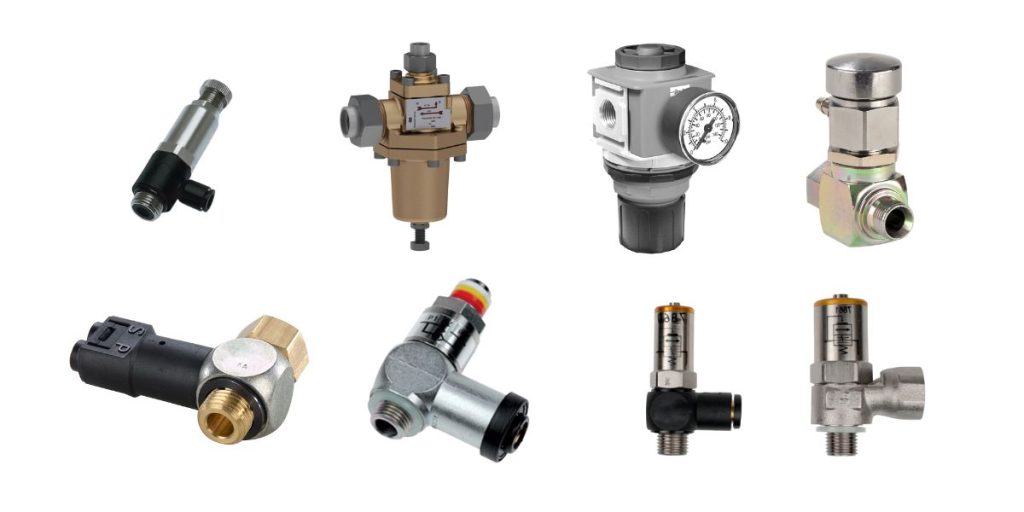
In industrial systems, the منظم الضغط is more than a small mechanical component—it’s the gatekeeper of process stability. Whether you’re managing compressed air in a pneumatic line, controlling gas flow in refineries, or maintaining consistent liquid pressure in water systems, an undersized or poorly selected regulator can lead to energy waste, leakage, or even system failure.

Learning how to اختر منظم الضغط المناسب isn’t just about flow rates and pressure ranges—it’s about matching the regulator’s design, materials, and performance to the specific demands of your operation. In this guide, you’ll discover the key factors that ensure long-term reliability, efficiency, and safety—helping you make the best purchasing decision for your plant or facility.
2. Understanding the Function of a Pressure Regulator
أ منظم الضغط automatically maintains downstream pressure at a constant value, even when the upstream supply fluctuates. It works by balancing the forces of a spring, diaphragm, and valve seat, ensuring the outlet pressure remains stable.
In industrial environments, regulators safeguard sensitive equipment from overpressure, reduce maintenance downtime, and improve overall process precision. For example, in a gas distribution system, a gas pressure regulator stabilizes flow for burners or analyzers, while in a pneumatic line, an air regulator ensures consistent tool performance.
💡 Pro Tip: Always choose a regulator based on your system’s medium—air, gas, or liquid. A regulator made for compressed air might not perform effectively in corrosive or high-temperature environments.
3. Types of Pressure Regulators
اختيار النوع المناسب من منظم الضغط depends on your system’s purpose, pressure range, and environmental conditions.

3.1 Air Pressure Regulators
Used in pneumatic systems for controlling tools, actuators, and valves.
-
المزايا: Quick response, low maintenance
-
التطبيقات: Manufacturing, automation, packaging lines
3.2 Gas Pressure Regulators
Designed for flammable or inert gases such as nitrogen, oxygen, or natural gas.
-
المزايا: High precision, superior sealing
-
التطبيقات: Petrochemical plants, welding, laboratories
3.3 Liquid Pressure Regulators
Built for handling water, oil, or chemical fluids.
-
المزايا: Excellent sealing, broad material compatibility
-
التطبيقات: Water treatment, hydraulic circuits, cooling systems
3.4 Steam Pressure Regulators
Engineered for extreme pressure and temperature conditions.
-
المزايا: Durable construction, thermal stability
-
التطبيقات: Boilers, HVAC systems, and power generation units
💡Expert Tip: Don’t assume one regulator fits all. Identify the exact operating environment before choosing the right pressure regulator for your system.
4. Key Specifications to Compare
Before you اختر منظم الضغط المناسب, compare these critical specifications to ensure your investment delivers optimal performance:
4.1 Pressure Range (Inlet and Outlet)
Your regulator must handle both maximum inlet and required outlet pressure accurately.
-
Too narrow a range can cause instability.
-
Too wide a range can reduce sensitivity and control.
4.2 Flow Rate Capacity
A regulator’s Cv (flow coefficient) determines how much media it can pass. Match your regulator’s Cv to your system’s peak flow requirements.
4.3 Materials of Construction
The medium dictates the materials:
-
Brass or stainless steel for non-corrosive gases or air
-
Monel or Hastelloy for corrosive chemicals or high-temperature fluids
4.4 Temperature Range
Ensure both the body and elastomer materials can handle operating temperatures. This is vital in steam, chemical, and cryogenic processes.
4.5 Port Size and Connection Type
Your regulator’s connections—threaded, flanged, or welded—should align with your piping standards and flow capacity.
💡Expert Tip: Oversizing your regulator leads to hunting and poor pressure control. Always size it based on real flow conditions, not theoretical maximums.
5. Common Selection Mistakes
Even experienced engineers can make errors when selecting pressure regulators. Avoid these common pitfalls:
-
Ignoring flow demand: Leads to sudden pressure drops.
-
Choosing incompatible materials: Causes premature corrosion or failure.
-
Skipping filtration: Particulate buildup damages the diaphragm.
-
Focusing only on price: Cheaper regulators often fail faster, costing more long-term.
✅ Recommendation: Before finalizing your purchase, explore the most trusted global suppliers and regulator options in our detailed guide on leading pressure regulator brands recognized for performance and reliability.
Recommended Brands and Suppliers
When you اختر منظم الضغط المناسب, brand reputation and technical reliability are as important as the specifications. High-quality regulators from established manufacturers ensure accuracy, safety compliance, and long-term stability.
صمام BCST partners with industry-leading صمام التحكم في الضغط brands that provide OEM-grade precision, customization options, and local support networks—helping clients minimize downtime and extend equipment lifespan.
6. Maintenance and Performance Optimization
Once installed, your pressure regulator needs regular attention to maintain peak efficiency. Follow these essential maintenance practices:
-
Inspect filters regularly to prevent clogging.
-
Examine diaphragms and seals for early wear.
-
Recalibrate periodically based on operating cycles.
-
Use pressure gauges to verify stable downstream control.
-
Replace OEM components only—mixing brands can reduce accuracy.
🛠️ Tip: Record each inspection and replacement to track performance over time. Predictive maintenance helps you avoid costly system interruptions.
7. When to Upgrade or Replace Your Regulator
Even the best regulators eventually degrade. Watch for these signs that it’s time to replace or upgrade:
-
Fluctuating downstream pressure
-
Audible leaks or hissing
-
Increased energy consumption
-
Delayed response time under load
Modern digital pressure regulators offer enhanced monitoring and automatic adjustments, reducing manual intervention and improving overall control accuracy.
Conclusion: Make Every PSI Count
Knowing how to اختر منظم الضغط المناسب gives you an edge in performance, reliability, and cost efficiency. By understanding your system’s medium, flow demands, and temperature conditions—and selecting a trusted brand—you ensure long-term success.
When comparing options, rely on proven industry leaders and verified suppliers. For an expert breakdown of which brands excel in quality and innovation, check out our in-depth analysis of the top 5 pressure regulator brands worldwide.
صمام BCST can help you evaluate, specify, and integrate the ideal regulator for your process—ensuring safety, stability, and maximum return on investment.


 English
 Arabic
 Russian
 French
 Spanish