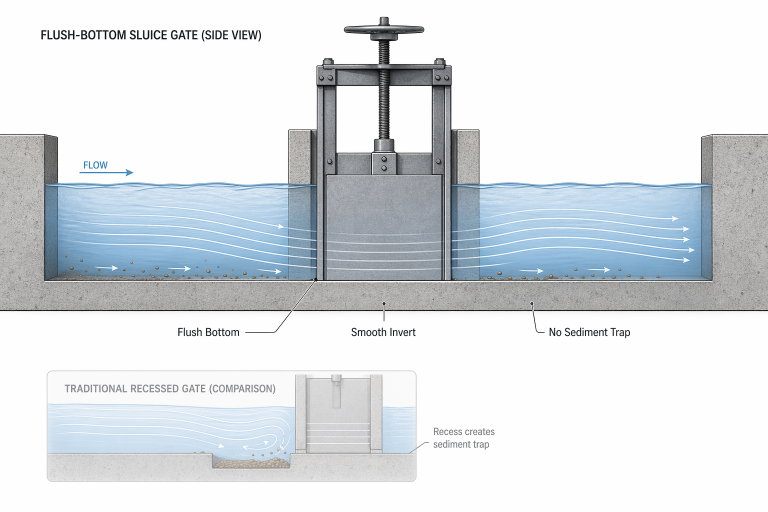
Sediment Jamming in Sluice Gates Explained
Sediment Jamming in Sluice Gates: Why Fine Silt, Trash, and Debris Cause Torque Spikes and Incomplete Closure The operator blames the…
Read more →
Specialty Flow Protection & Filtration
Sediment Jamming in Sluice Gates: Why Fine Silt, Trash, and Debris Cause Torque Spikes and Incomplete Closure The operator blames the…
Read more →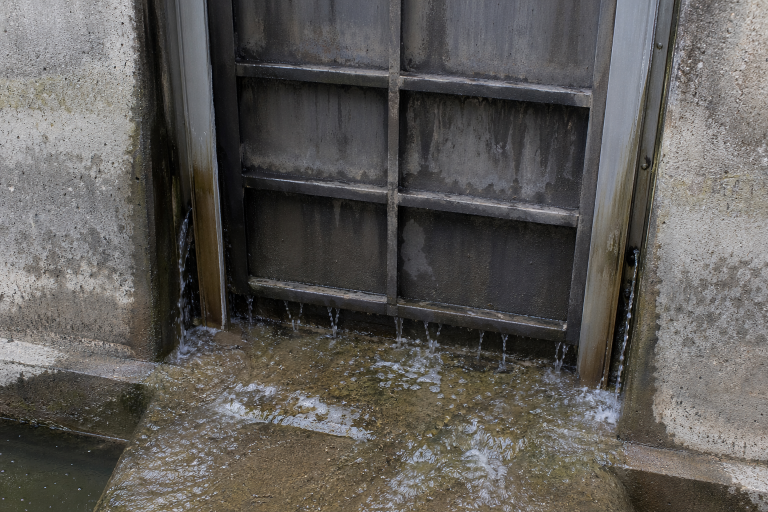
Why Your Sluice Gate Leaks Under Seating Head: Seal Compression, Frame Distortion, and Installation Tolerance Errors The sluice gate…
Read more →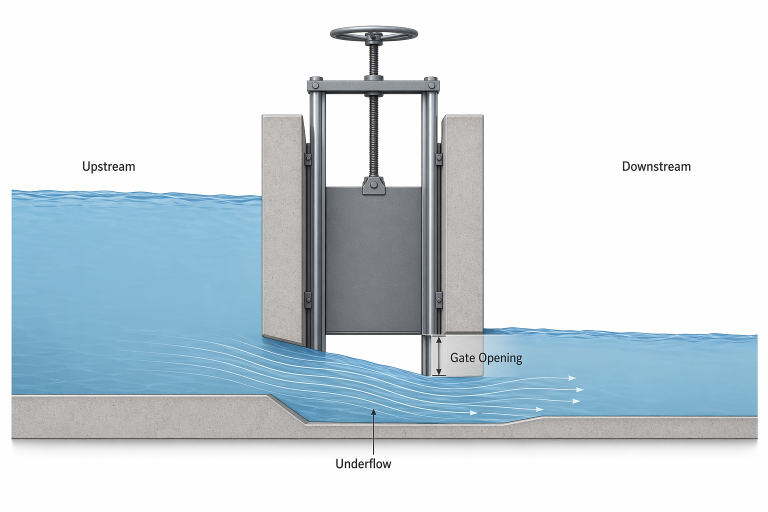
What Is the Difference Between a Sluice Gate and a Weir Gate? Navigating Water Control Structure Choices Many specifications use…
Read more →Why Your Control Valve Hunts at 5–15% Open: Low-Flow Instability, Oversizing, and Seat Geometry in Gas Service At 10% open, the control…
Read more →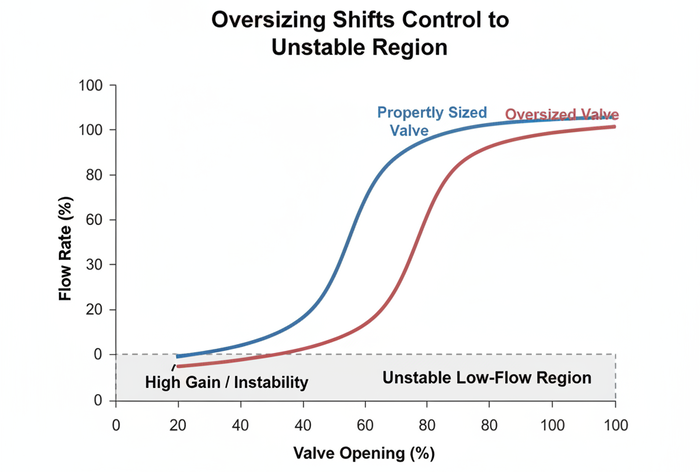
The Inversion Temperature Trap: Why Hydrogen and Helium Can Warm Instead of Cool Across a Control Valve The simplified textbook rule states:…
Read more →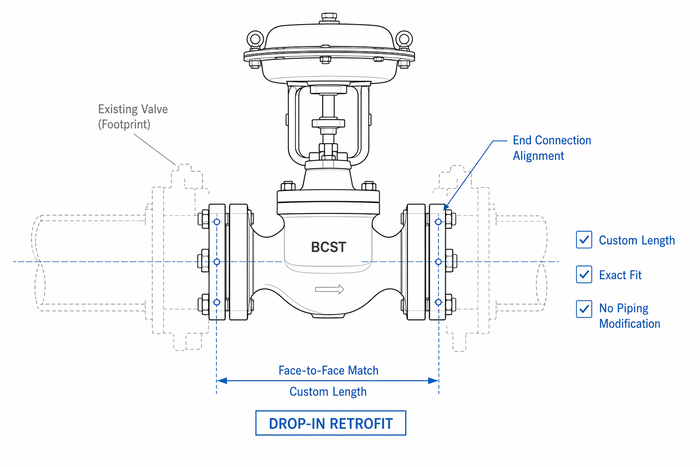
For engineers managing 20-year-old process equipment, the pain point of control valve retrofit planning isn’t the initial price of a new…
Read more →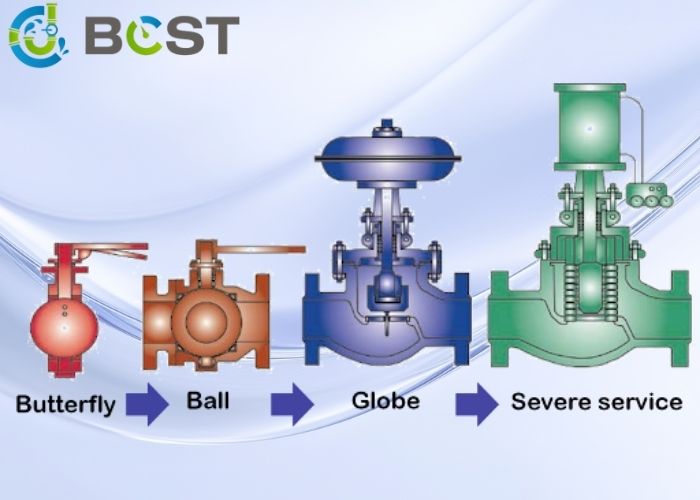
You’re looking at a P&ID, and there it is: that symbol for a control valve. You know it’s important, but what does it…
Read more →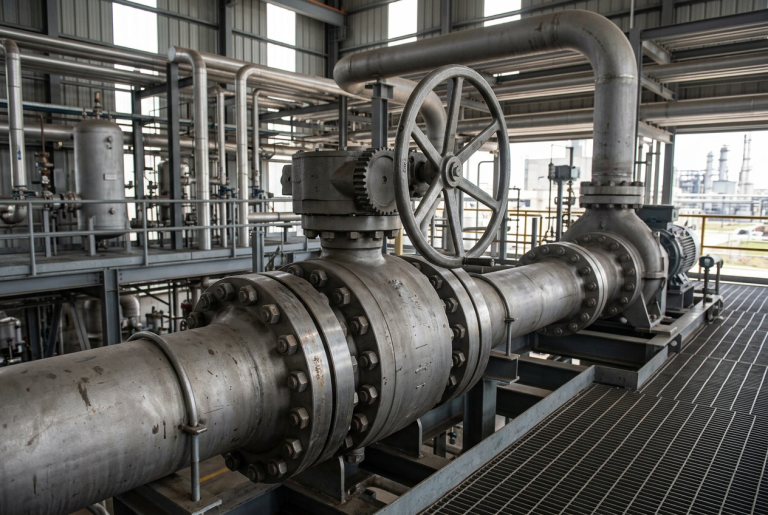
In a high-pressure system, shut-off performance is not just about stopping flow. It is about maintaining seal integrity under pressure, temperature shock,…
Read more →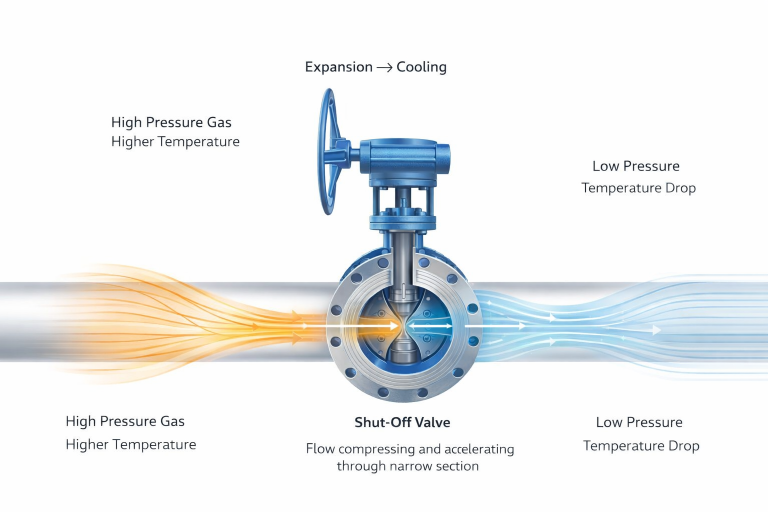
A shut-off valve handle that suddenly stiffens, a seat that starts leaking after one pressure event, or seals that seem…
Read more →
In many older plants, replacing a shut-off valve is not a simple parts swap. The pressure rating may be easy to…
Read more →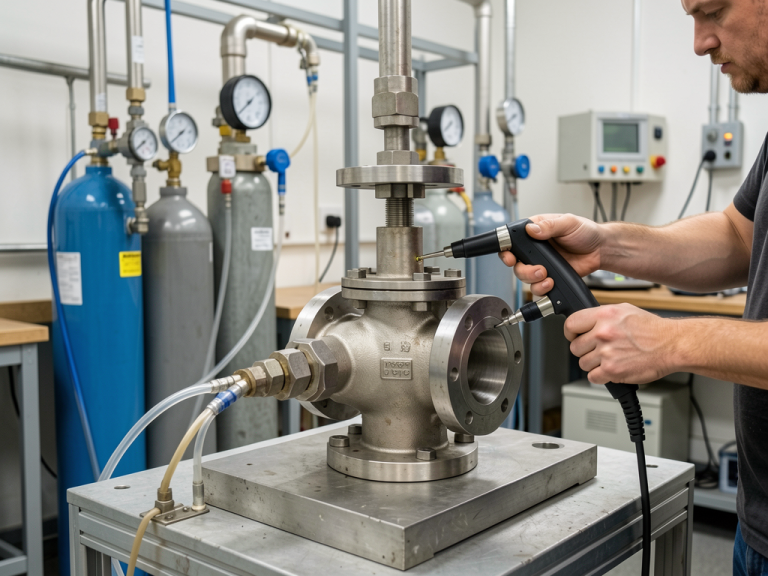
A high-pressure shut-off valve can pass a routine leakage check and still be the wrong choice for hydrogen service. The reason is…
Read more →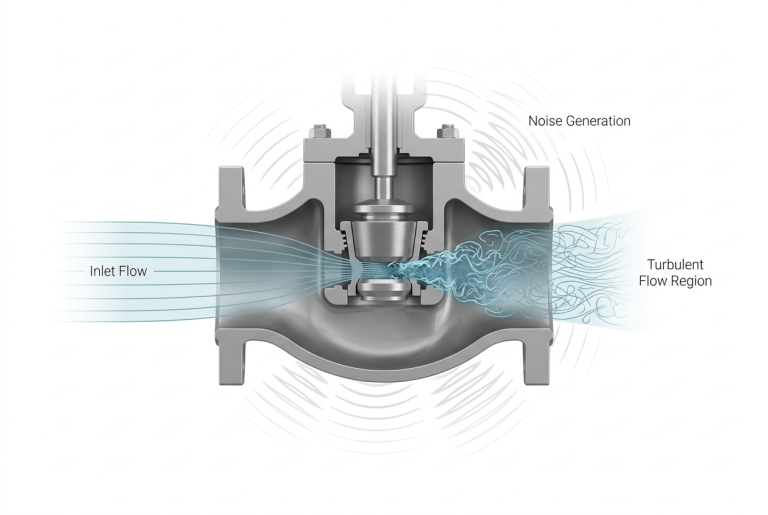
The incessant, high-pitched shriek emanating from a high-pressure steam control valve isn’t just an annoyance; it’s a diagnostic signal. This aerodynamic noise…
Read more → English English
 Arabic
 Russian
 French
 Spanish