

Введение
Заслонки are crucial components in industrial processes for regulating flow. Among them, triple eccentric and double eccentric butterfly valves are prominent due to their unique designs and operational advantages. This article delves into the distinctions between these two types of butterfly valves, exploring their mechanisms, applications, advantages, and limitations to offer a comprehensive understanding of their roles in various industries.
1. Basic Concepts
1.1. Double Eccentric Butterfly Valve

A double eccentric поворотный клапан, also known as a high-performance butterfly valve, features two eccentrics that aid in reducing friction between the disc and the seat. These eccentrics are designed to ensure that the disc moves away from the seat as it opens, thereby minimizing wear and tear and improving performance.
1.2. Triple Eccentric Butterfly Valve
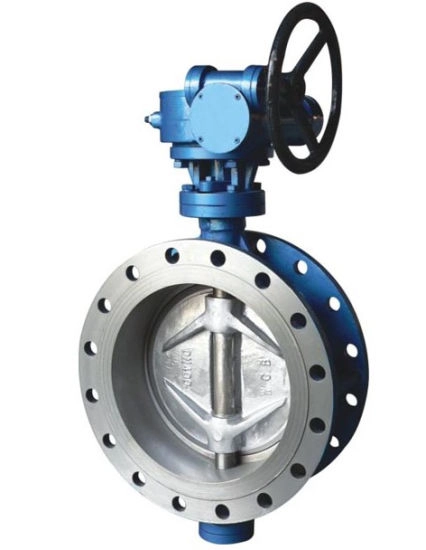
A triple eccentric поворотный клапан, or triple offset valve, incorporates three eccentricities in its design. This advanced valve is engineered for high-performance applications where precise control, tight sealing, and longevity are critical. The three eccentricities include the disc’s axis being offset from the seat axis and the valve body, contributing to its unique sealing capability.
2. Design and Operation
2.1. Double Eccentric Butterfly Valve
Design Features: In a double eccentric valve, the first eccentricity involves the offset of the disc’s axis from the valve shaft. The second eccentricity is the offset of the disc’s axis from the seat. This design reduces the friction and torque required for operation, enhancing the valve’s efficiency.
Operation: When the valve is operated, the disc moves away from the seat, reducing contact and wear. The disc rotates around the shaft, and its movement is controlled by the two eccentric offsets, which ensure smooth operation and reduced leakage.
2.2. Triple Eccentric Butterfly Valve
Design Features: A triple eccentric butterfly valve adds a third offset, which involves the seat’s axis being eccentric to the shaft axis. This third eccentricity results in a conical sealing surface that provides a more effective seal. The triple offset design enhances the valve’s ability to handle high-pressure and high-temperature applications.
Operation: The disc’s three eccentricities ensure that it moves away from the seat in a way that provides a tight seal with minimal friction. This design allows the valve to operate efficiently in extreme conditions, offering superior performance compared to double eccentric valves.
3. Sealing Performance
3.1. Double Eccentric Butterfly Valve
Sealing Mechanism: The double eccentric design improves sealing by reducing contact between the disc and the seat during operation. This helps to minimize leakage and extend the valve’s service life. However, the sealing capability is limited compared to the triple eccentric design, especially under high-pressure conditions.
Applications: Suitable for moderate pressure and temperature applications, the double eccentric valve is often used in HVAC systems, water treatment facilities, and various industrial processes where extreme sealing performance is not critical.
3.2. Triple Eccentric Butterfly Valve
Sealing Mechanism: The triple eccentric design provides a more effective and reliable seal, especially in high-pressure and high-temperature environments. The conical shape of the seat and disc ensures that the valve can handle harsh conditions with minimal leakage.
Applications: Ideal for critical applications in industries such as oil and gas, chemical processing, and power generation, where tight sealing and durability are essential. The valve’s ability to maintain a secure seal under extreme conditions makes it suitable for demanding processes.
4. Performance and Durability
4.1. Double Eccentric Butterfly Valve
Performance: While the double eccentric valve offers improved performance over traditional butterfly valves, its efficiency is generally lower than that of the triple eccentric valve. The reduced friction and wear contribute to reliable operation, but it may not be suitable for all high-performance applications.
Durability: This valve type has a good service life in moderate conditions but may experience wear and tear more quickly in harsh environments. Regular maintenance is required to ensure optimal performance and longevity.
4.2. Triple Eccentric Butterfly Valve
Performance: The triple eccentric design enhances performance by providing a more precise control over flow and a tighter seal. The valve can handle higher pressures and temperatures with greater efficiency, making it suitable for more demanding applications.
Durability: Known for its exceptional durability, the triple eccentric valve is built to withstand extreme conditions with minimal maintenance. Its robust construction and advanced sealing mechanism contribute to a longer service life and reduced operational costs.
5. Cost Considerations
5.1. Double Eccentric Butterfly Valve
Initial Cost: Generally, double eccentric butterfly valves are less expensive compared to triple eccentric valves. Their simpler design and manufacturing process contribute to lower initial costs.
Operational Cost: Although the initial investment is lower, the operational costs may increase due to more frequent maintenance and potential for higher wear and tear.
5.2. Triple Eccentric Butterfly Valve
Initial Cost: Triple eccentric valves have a higher initial cost due to their advanced design and manufacturing complexity. However, this cost is often justified by their superior performance and durability.
Operational Cost: Despite the higher initial investment, the triple eccentric valve may offer lower operational costs in the long run due to reduced maintenance needs and extended service life.
6. Заключение
In summary, the choice between a double eccentric and a triple eccentric butterfly valve depends on the specific requirements of the application. Double eccentric valves offer a balance of performance and cost-effectiveness for moderate conditions, while triple eccentric valves provide superior sealing, performance, and durability for demanding applications. Understanding these differences allows for informed decision-making in selecting the most appropriate valve for a given process, ensuring optimal operation and efficiency.


 English
 Arabic
 Russian
 French
 Spanish