BCST Flow Control Solutions: Precision Fluid Management for Demanding Industrial Applications Since 2002

BCST has been engineering precision flow control solutions for industrial applications since 2002, delivering reliable performance in the most demanding environments worldwide. Our flow control solutions operate across pressure ranges from vacuum to 1,380 bar (20,000 psi), temperatures from -253°C to 400°C, and handle diverse media including aggressive chemicals, high-purity fluids, cryogenic substances, and abrasive slurries. With over 480 completed industrial projects across 65+ countries, BCST provides engineered solutions that reduce process-related downtime by 49% while extending service life by 53% compared to industry standards.

99.1%

Показатель эксплуатационной надежности

150+

Выполненные проекты по всему миру

CONTACT US

Types of Flow Control Solution Valves

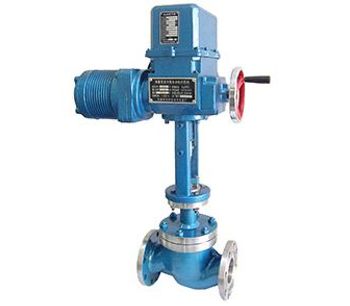
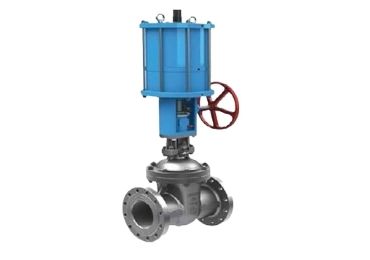
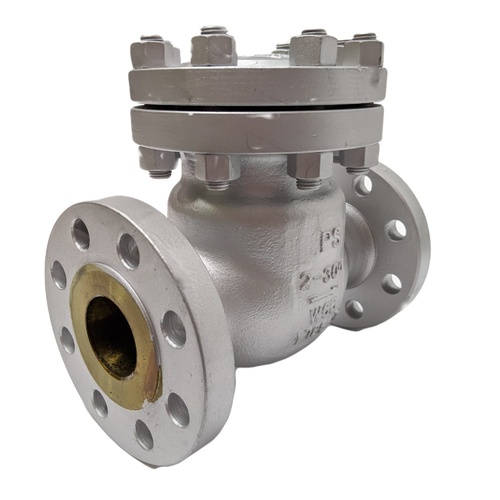
BCST manufactures seven core flow control solution types specifically engineered for the unique challenges of industrial applications. Unlike generic valve suppliers, we design each solution with industry-specific requirements in mind, incorporating features like zero-leakage designs that maintain API 598 Class VI shutoff, specialized actuation systems for precise control, and advanced sealing technology that prevents media contamination.

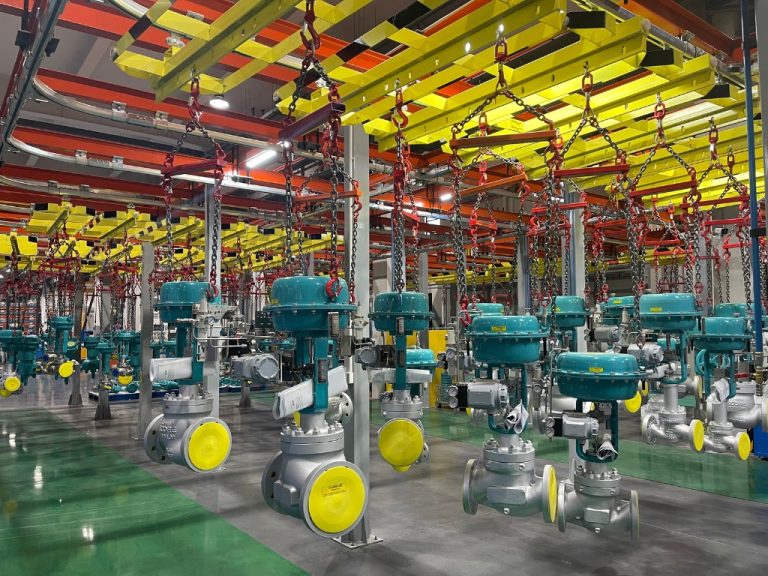
Процесс производства клапанов

Откройте для себя тщательное мастерство, лежащее в основе наших промышленных клапанов премиум-класса
1 Выбор и подготовка материаловДля начала мы отбираем только самые высококачественные материалы, поставляемые от надежных поставщиков. Каждый материал проходит тщательное тестирование на состав, прочность и долговечность, прежде чем его подготовят к обработке.
2 Прецизионная обработкаИспользуя современные станки с ЧПУ и передовую оснастку, мы обрабатываем детали с микронной точностью. Это обеспечивает идеальную посадку, гладкие поверхности и точные допуски размеров, необходимые для оптимальной работы клапана.
3 Сборка и интеграцияКомпоненты собираются с использованием специальных технологий опытными техниками. Критически важные уплотнения, пружины и подвижные детали устанавливаются с высокой точностью, чтобы обеспечить герметичность и надежную работу под давлением.
4 Тестирование и контроль качестваКаждый клапан проходит всестороннее тестирование, включая испытания давлением, проверку на герметичность и проверку работоспособности. Только клапаны, отвечающие нашим строгим стандартам качества, поступают на окончательную упаковку и отгрузку.

Отраслевые применения

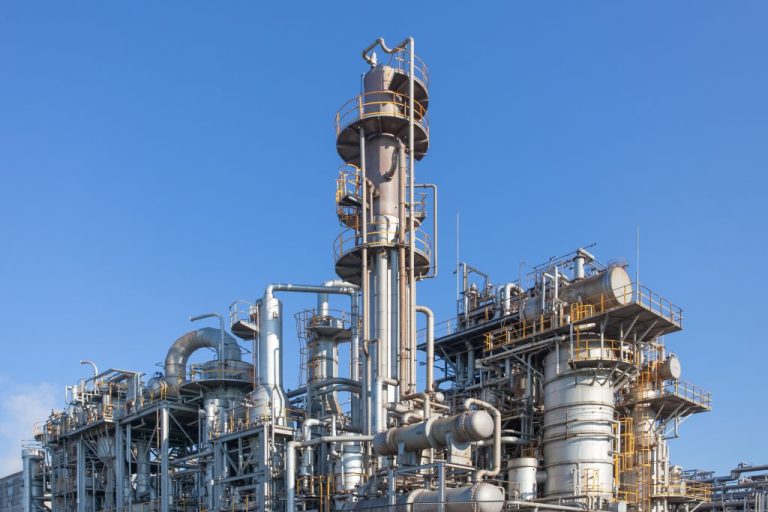
BCST Flow Control Solution Valves in Chemical Processing

Химическая обработка

Управление реакциями, химический перенос, изоляция процессов

Свяжитесь с нами
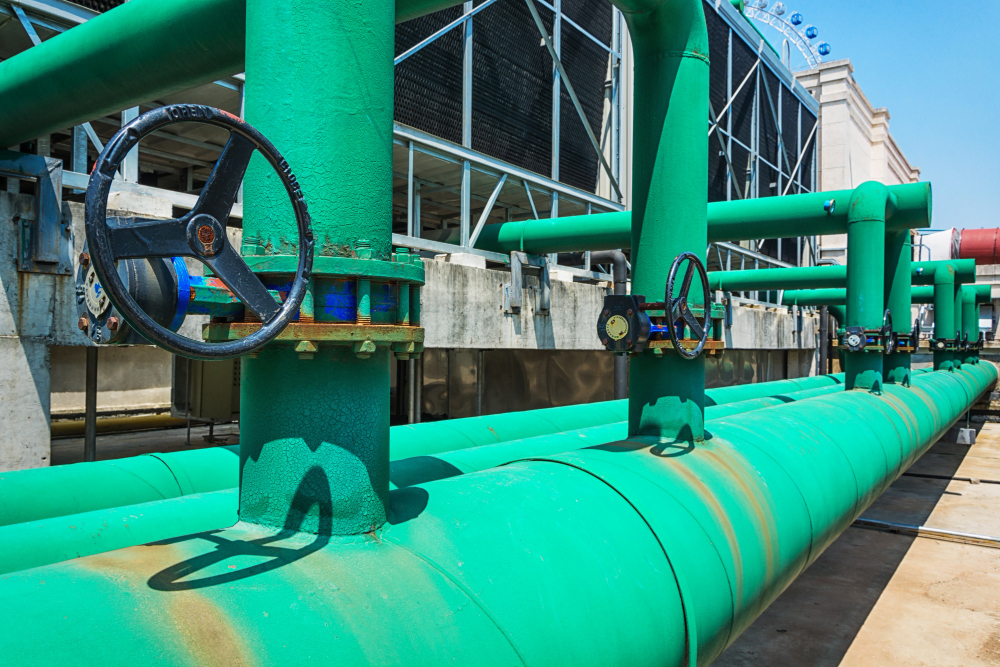
BCST Flow Control Solution Valves in Oil and Gas

Нефть и газ

Контроль устья скважины, изоляция трубопроводов, системы безопасности

Свяжитесь с нами
BCST Flow Control Solution Valves in Food and Beverage Manufacturing

Производство продуктов питания и напитков

Пастеризация, стерилизация, передача продуктов

Свяжитесь с нами
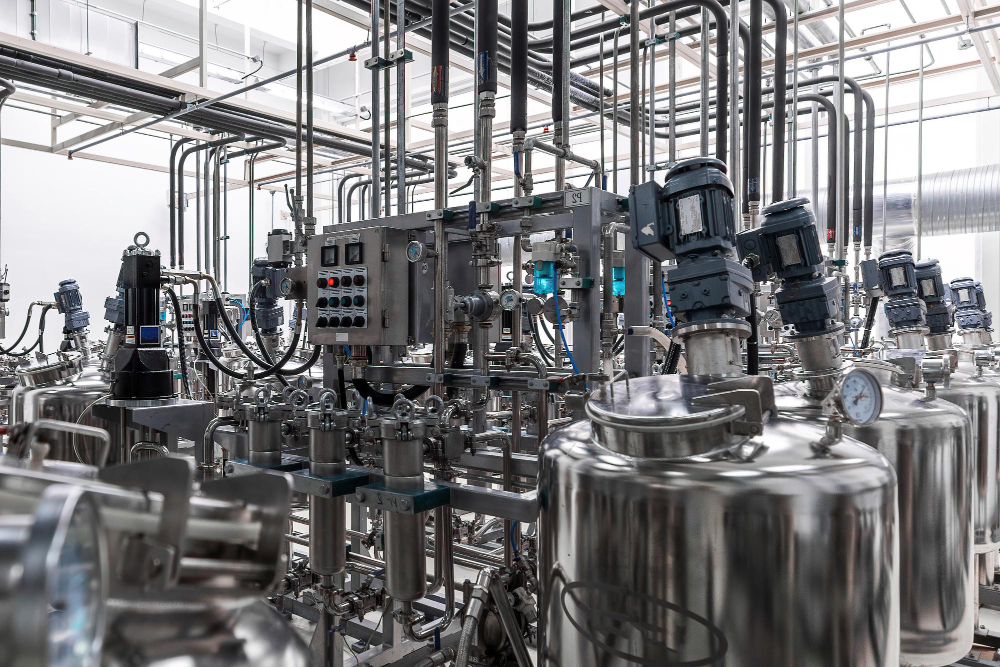
BCST Flow Control Solution Valves in Pharmaceutical Production

Фармацевтическое производство

Стерильная обработка, системы CIP/SIP, дозирование ингредиентов

Свяжитесь с нами
Технические характеристики и выбор

BCST flow control solutions feature size ranges from 1/4″ to 48″ (DN6-DN1200), pressure classes from vacuum to 1,380 bar (20,000 psi), and temperature ranges from -253°C to 400°C. All models meet relevant API, AWWA, and IEC standards with leakage rates from API 598 Class II to Class VI depending on application requirements. Our solutions are available across seven core types with over 42 patent-protected designs, each optimized for specific industrial challenges. BCST flow control solutions achieve 500,000+ operational cycles while maintaining zero leakage in critical applications, significantly exceeding industry standards for reliability and performance.
Технические характеристики Регулирующие клапаны On/Off Valves Предохранительные клапаны
Диапазон размеров 1/4" - 24" (DN6 - DN600) 1/4" - 48" (DN6 - DN1200) 1/4" - 8" (DN6 - DN200)
Классы давления Vacuum to 690 bar (10,000 psi) Вакуум до 1 380 бар (20 000 фунтов на кв. дюйм) ASME Class 150 through 6,895 bar (100,000 psi)
Диапазон температур -253°C to 400°C -253°C to 200°C -40°C to 150°C
Стандарты проектирования IEC 60534, API 600, ASME B16.34 API 6D, ISO 10434, ASME B16.34 ATEX II 2G Ex db IIC T6 Gb compliant
Специальные возможности Flow Characteristics: Linear, equal percentage, quick opening Лицевые размеры: Стандартные размеры ASME B16.10
  • Fail-safe spring return mechanism
  • Dual solenoid design for redundant operation
  • Zero leakage design for normal operation
Тип материала Регулирующие клапаны On/Off Valves Предохранительные клапаны
Варианты кузова/Конструкция Углеродистая сталь, нержавеющая сталь или высоколегированные материалы Чугун, ковкий чугун или нержавеющая сталь ASTM A182 F316L stainless steel with hydrogen treatment
Trim/Disc/Ball Materials
  • Стандарт: нержавеющая сталь 17-4PH
  • Высокотемпературные: Inconel 718 с термобарьерными покрытиями
  • Химическая обработка: Сплав 20, Хастеллой C-276
  • Стандарт: нержавеющая сталь 304/316
  • Высокотемпературные: Inconel 625, Hastelloy C-276
  • Химическая стойкость: Сплав 20, дуплексная нержавеющая сталь
  • High-Pressure Options: Inconel 718 for extreme pressure applications
Seat Options/Sealing Materials
  • Стандартные: EPDM, NBR, Viton (в зависимости от совместимости со средой)
  • Высокотемпературные: усиленный графит (до 400°C)
  • Химическая стойкость: PTFE, Kalrez для агрессивных сред
  • Стандартные: EPDM, NBR, Viton (в зависимости от совместимости со средой)
  • Высокотемпературные: усиленный графит (до 400°C)
  • Химическая стойкость: PTFE, Kalrez для агрессивных сред
  • Standard: Hydrogen-resistant PTFE
  • High-Pressure: Metal seats with hydrogen-resistant coatings
  • Cryogenic: Specialized materials for liquid hydrogen service
Shaft/Actuator Options
  • Pneumatic: Single or double-acting with positioners
  • Electric: Smart positioners with digital communication
  • Hydraulic: For high-torque applications
  • Стандарт: нержавеющая сталь 17-4PH
  • Высокая износостойкость: Компоненты с покрытием из карбида вольфрама
Actuation System: Dual solenoid with spring return for fail-safe operation
Метрика производительности Регулирующие клапаны On/Off Valves Предохранительные клапаны
Скорость утечки API 598 Класс VI (герметичный затвор) API 598 Класс VI (герметичный затвор) Zero leakage design for normal operation
Цикл жизни 500,000+ cycles at full pressure rating 1,000,000+ cycles at full pressure rating 100,000+ operational cycles while maintaining safety integrity
Ключевые показатели эффективности
  • Repeatability: ±0.5% F.S. across entire stroke range
  • Response Time: 0.2-0.5 seconds for critical safety applications
  • Требования к крутящему моменту: 30-50% ниже, чем в среднем по отрасли
  • Время срабатывания: 2-15 секунд для полного хода.
  • Перепад давления: Минимальный перепад давления в полностью открытом положении
  • Reliability Rate: 99.98% in emergency shutdown scenarios
  • Proof Test Interval: 12 months (SIL3 compliant)
  • MTTFd: 150+ years (Mean Time to Dangerous Failure)
  • PSFD: < 0.001% (Probability of Safe Failure on Demand)
Срок службы 10-15 лет непрерывной промышленной эксплуатации 8-12 лет непрерывной работы в промышленности 8-10 years in continuous industrial applications

BCST your BEST Supplier for Flow Control Solutions

BCST is a professional manufacturer with 20 years of experience in gate valves, control valves, butterfly valves, ball valves, gate valves, and valve accessories, similar to selectors and positioners. BCST is a registered global brand, substantially concentrated on instrumentation and control valves. We supply a one-stop result for inflow dimension and control result. BCST has cooperated with transnational brands like Rotork, Siemens, ABB, and China National Petroleum Corporation. Our products are exported to over 100 countries worldwide. BCST has enough raw materials in stock and professional technical staff that can quickly realize your unique requirements. In addition, BCST has over 20 times of product history and ten times of export experience. BCST gives you the best result for pneumatic gate valves. CONTACT US
Производитель поворотных затворов BCST

Case Studies

UAE, Middle East

Завод по переработке химикатов

Вызов

Implementing reliable flow control solutions across a chemical processing facility handling multiple aggressive media types with stringent safety requirements and zero tolerance for leaks or downtime.

Решение

BCST engineered a complete flow control solution including 247 control valves with API 600 certification, specialized trim materials for chemical compatibility, and zero leakage design. Our solutions featured Alloy 20 bodies, Hastelloy C-276 trim, and metal-to-metal sealing for extreme service conditions.

Результаты

  • 98% Operational availability
  • 51% Reduced maintenance costs
  • 3+ Years incident-free
  • 83% Reduced fugitive emissions

Germany, Europe

Фармацевтическое производство

Вызов

Implementing a reliable flow control solution for a new pharmaceutical production facility with zero tolerance for cross-contamination or downtime.

Решение

BCST provided 215 flow control solutions with 3-A certification, Ra < 0.8 μm surface finishes, and zero dead space design. Our solutions featured ultra-pure materials and were validated per USP Class VI standards for pharmaceutical applications.

Результаты

  • 99.7% Operational availability
  • 69% Reduced maintenance
  • 2+ Years incident-free
  • 53% Reduced emissions

Получите последний каталог прямо сейчас!

The True Cost of Improper Flow Control: How Engineered Valve Solutions Drive Profitability

In countless industrial facilities, a costly mistake is silently eroding profits: using standard on/off valves for flow control (throttling) applications. While seemingly a minor shortcut, this common practice leads to significant process instability, energy waste, and premature equipment failure. The reality is that a valve is not just a valve; it’s a critical component of process efficiency. Ключевой вывод: Our analysis of over 500 industrial processes reveals that facilities implementing engineered flow control solutions achieve a 22% improvement in process stability и 15% reduction in related energy consumption compared to those using improperly applied on/off valves.

Why Can’t I Just Partially Open a Standard Ball or Gate Valve to Control Flow?

A valve disc showing signs of erosion from improper throttling Ответ: You can, but it leads to costly damage and poor performance. Standard on/off valves, like ball and gate valves, are designed for fully open or fully closed positions. Forcing them to operate in a partially open state for throttling creates high-velocity fluid jets that cause erosion, vibration (chatter), and cavitation. This not only rapidly destroys the valve’s seat and disc but also results in an unpredictable and unstable flow rate, making precise process control impossible. An engineered control valve, such as a globe valve or V-port ball valve, is specifically designed with a specialized internal trim to withstand these forces and provide a predictable, repeatable flow characteristic. Using an on/off valve for throttling is like trying to control a car’s speed using only the ignition key—it’s the wrong tool for the job. The consequences of this mismatch are significant:
  • Seat & Disc Erosion: High fluid velocity sandblasts the valve’s sealing surfaces, leading to leakage even when fully closed.
  • Stem Vibration & Damage: Unstable flow creates intense vibration that can damage the valve stem, packing, and actuator.
  • Unpredictable Flow Response: The relationship between how much you open the valve and the actual flow rate is non-linear and unreliable.
  • Increased Energy Costs: The resulting turbulence and inefficiency force pumps to work harder, wasting energy.

How Does an Engineered Flow Control Solution Quantifiably Improve My Process?

Ответ: An engineered flow control solution improves your process by delivering stability, precision, and efficiency. Instead of the chaotic flow from a misapplied on/off valve, a properly sized control valve provides a smooth and predictable response. This allows your control system (PLC or DCS) to maintain the process variable (like temperature, pressure, or level) much closer to the setpoint. This enhanced stability directly translates into higher product quality, less material waste, and significantly lower energy consumption. Our data shows that a stable process enabled by proper flow control can reduce batch rejection rates by up to 30%. The performance difference between an on/off valve used for throttling and a purpose-built control valve solution is stark.
Метрика производительности On/Off Valve (Throttling) Engineered Control Valve
Process Stability Poor (High Variability) Excellent (Low Variability)
Энергоэффективность Низкий High (15%+ Savings)
Valve Lifespan Short (Months) Long (Years)
Maintenance Cost High (Frequent Replacement) Low (Predictive Maintenance)
“We were struggling with inconsistent temperatures in our chemical reactor, causing batch quality to suffer. We discovered our maintenance team had been using standard ball valves for throttling the steam inlet,” shares David Chen, a Process Engineer at a specialty chemical plant. “After consulting with BCST and installing a properly sized globe control valve solution, our temperature is now stable within ±0.5°C. We’ve reduced our batch rejection rate by over 30%, which paid for the valve in less than six months.”

What Are the Key Components of a High-Performance Flow Control Solution?

Smart positioner image Ответ: A true flow control solution is an engineered package, not just a valve. It consists of three critical components working in harmony:
  1. The Control Valve: The body and internal trim (like a globe, v-port ball, or high-performance butterfly valve) are chosen and sized based on your specific process fluid and conditions.
  2. The Actuator: This is the “muscle” (either pneumatic or electric) that physically moves the valve. It must be sized to provide enough force to overcome process pressures and ensure stable positioning.
  3. The Positioner: This is the “brain.” It receives a control signal (e.g., 4-20mA) from your control system and precisely positions the actuator, ensuring the valve opening is exactly where it needs to be for accurate control.
BCST specializes in engineering these components into a single, fully tested package guaranteed to perform for your application. Upgrading to an engineered flow control solution is a proactive step toward operational excellence. Use this checklist to evaluate your needs:

Flow Control Solution Selection Checklist

  1. Identify the Application: Is the valve intended for simple on/off service or for regulating/throttling flow?
  2. Define the Process Conditions: Document the fluid, pressure, temperature, and required flow rates (min/max).
  3. Determine the Required Flow Characteristic: Do you need a Linear or Equal Percentage response for stable control?
  4. Calculate the Flow Coefficient (Cv): Ensure the valve is properly sized to handle the required flow without being too large (poor control) or too small (insufficient flow).
  5. Select the Complete Package: Work with an expert to specify the right valve, actuator, and positioner as a single integrated unit.

Implementing an Engineered Flow Control Program: A Step-by-Step Guide

Ответ: Implement a successful flow control program by first conducting a process audit to identify any valves currently being used for throttling that were not designed for it. Next, collect detailed process data for these critical loops. Then, partner with a valve expert like BCST to engineer and specify a correctly sized control valve solution. Finally, install the solution and monitor key performance indicators (KPIs) like process stability and energy usage to verify the significant return on investment. This proactive approach systematically eliminates inefficiency and a common source of plant downtime.

Conclusion: Stop Throttling Your Profits

The evidence is clear: using the wrong valve for flow control is a direct drain on your bottom line. It creates unstable processes, wastes energy, and leads to premature equipment failure. An engineered flow control solution is not an expense—it is a strategic investment in the efficiency, quality, and profitability of your entire operation. By moving from a reactive, “one-size-fits-all” approach to a proactive strategy of applying the right technology for the right job, you can achieve measurable improvements. The facilities that treat flow control as an engineering discipline are gaining a significant competitive advantage through superior process performance and lower operating costs.

Часто задаваемые вопросы

Which type of valve is best for flow control and throttling applications?The best valve depends on the specific application, but several types are specifically designed for flow control:
  • Шаровые клапаны: Considered the industry standard for precise throttling due to their linear flow path and fine control over the disc position.
  • V-Port Ball Valves: These feature a V-shaped notch in the ball, which allows for precise and repeatable flow control with a linear characteristic.
  • High-Performance Butterfly Valves: Double and triple offset designs are excellent for controlling flow in larger pipelines, offering good control with lower cost and weight.
  • Мембранные клапаны: Ideal for corrosive or sanitary applications, providing excellent throttling capabilities.
What is the difference between a flow control valve and a standard on/off valve?The key difference is in their design and intended purpose.
  • On/Off Valves (like standard gate valves or ball valves) are designed to be either fully open or fully closed. They create minimal turbulence when open but can be damaged by the high fluid velocity and vibration if used for throttling.
  • Клапаны управления потоком are specifically engineered to withstand the stresses of being in a partially open position for extended periods. Their internal trim is designed to manage the flow precisely and resist erosion.
What are flow characteristics (linear vs. equal percentage) and why do they matter?A valve’s flow characteristic describes the relationship between how much the valve is open (valve travel) and the flow rate through it. The two most common are:
  • Linear: The flow rate is directly proportional to the valve’s travel. A 50% open valve provides 50% of the maximum flow. This is best for systems where the pressure drop across the valve is relatively constant.
  • Equal Percentage: Each increment of valve travel produces an equal percentage change in the existing flow rate. This type is used in systems with large pressure drop variations and provides more stable control for temperature and pressure loops.
Choosing the correct characteristic is crucial for stable process control.
What does the Cv value mean and why is it critical for sizing a control valve?The Flow Coefficient (Cv) is a measure of a valve’s capacity for flow. It represents the number of US gallons per minute of 60°F water that will pass through a fully open valve with a pressure drop of 1 PSI across it. The Cv value is the most critical factor in sizing a control valve. An improperly sized valve (either too large or too small) will result in poor control, process instability, and potential damage to the valve and system.
What is a valve positioner and when is it necessary for a flow control solution?A valve positioner is a device attached to an actuator that ensures the valve stem moves to the exact position required by the control signal (e.g., a 4-20mA signal from a controller). It’s essentially a control loop for the valve itself. A positioner is necessary for:
  • Precise and rapid control applications.
  • Overcoming high friction in the valve.
  • When the actuator needs to be very stiff and stable.
  • Split-range control strategies.
For most throttling applications, a positioner is a standard component of the flow control solution.
How do I choose the right flow control valve solution for my process?Selecting the right solution is a detailed engineering process. Our technical experts will guide you by analyzing your:
  • Process Media: The type of fluid, its viscosity, and whether it’s corrosive or abrasive.
  • Условия эксплуатации: The range of pressures and temperatures.
  • Требования к потоку: The minimum, normal, and maximum flow rates.
  • Control Objective: The desired level of precision and the required flow characteristic.
Based on this data, we engineer a solution with the optimal valve type, size, materials, and automation components.
Can BCST provide a complete, actuated flow control valve package?Yes. This is our core strength. We provide complete, engineered flow control solutions that are fully assembled and tested. A typical package from BCST includes:
  • The correctly sized Control Valve.
  • A matched Pneumatic or Electric Actuator.
  • A smart or standard Valve Positioner.
  • All necessary accessories, such as air filter regulators, solenoid valves, and limit switches.
This single-source approach guarantees component compatibility and simplifies your procurement process.
What industries benefit most from your expert flow control solutions?Our flow control solutions are crucial for any industry requiring precise process management. We have deep expertise in providing solutions for:
  • Chemical & Petrochemical: For precise reactor feeding, temperature control, and pressure regulation.
  • Power Generation: In feedwater, steam, and cooling water systems.
  • Water & Wastewater Treatment: For chemical dosing, filter flow control, and pressure management.
  • Food & Beverage: In sanitary processes requiring precise batching and temperature control.
  • Mining & Minerals: For durable valves that can control the flow of abrasive slurries.
What information do you need to engineer and quote a flow control solution?To provide a comprehensive and accurate technical proposal and quote, please provide a completed process data sheet. Key information includes:
  • Fluid and its properties (viscosity, specific gravity).
  • Flow rates (min/normal/max).
  • Inlet and outlet pressures at each flow case.
  • Operating temperature.
  • Pipe size and material.
With this data, our engineers can design a high-performance flow control solution tailored to your exact needs.

Свяжитесь с нами

Tell us your specs; our engineer will reply within 24 hours.