99.1%
Operational Reliability Rate

99.1%
Operational Reliability Rate
150+
Projects Completed worldwide

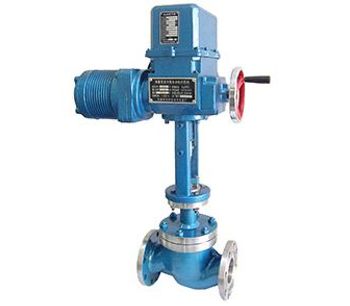
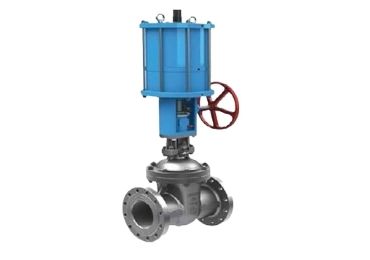

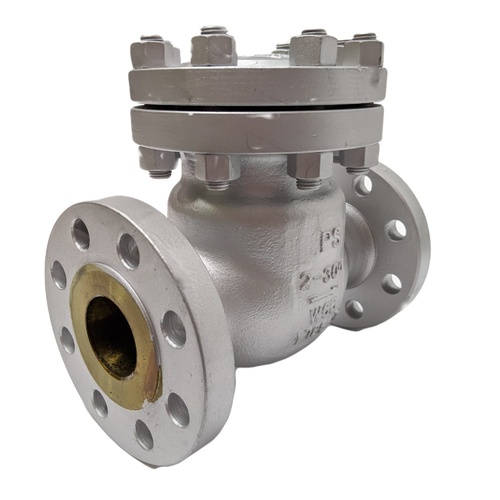
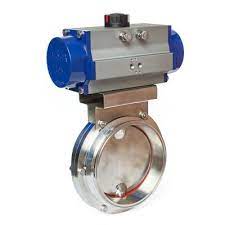



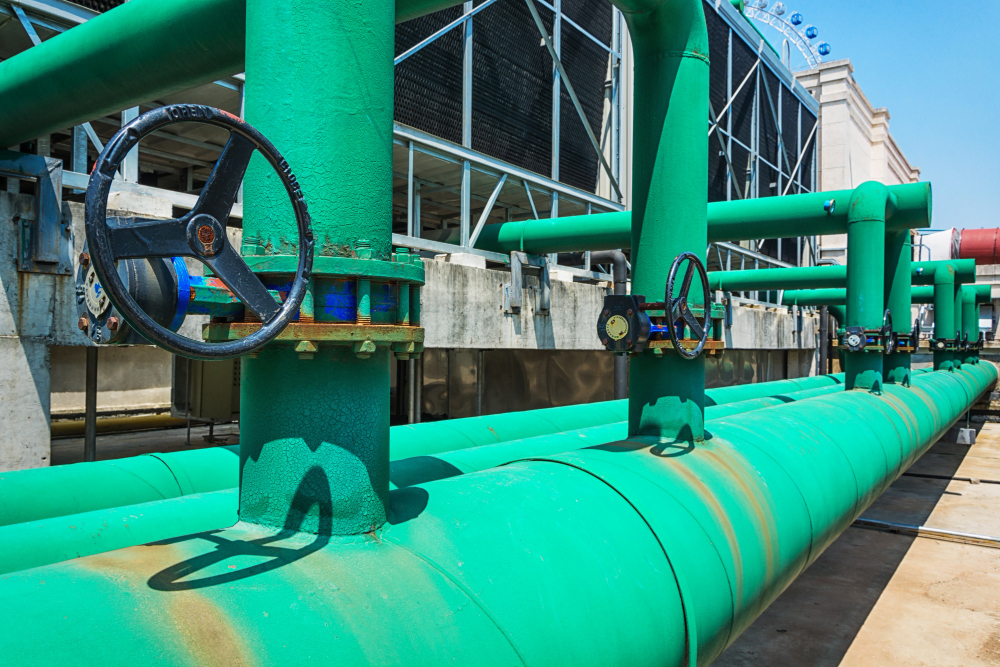
Pasteurization, sterilization, product transfer
Contacte con nosotros
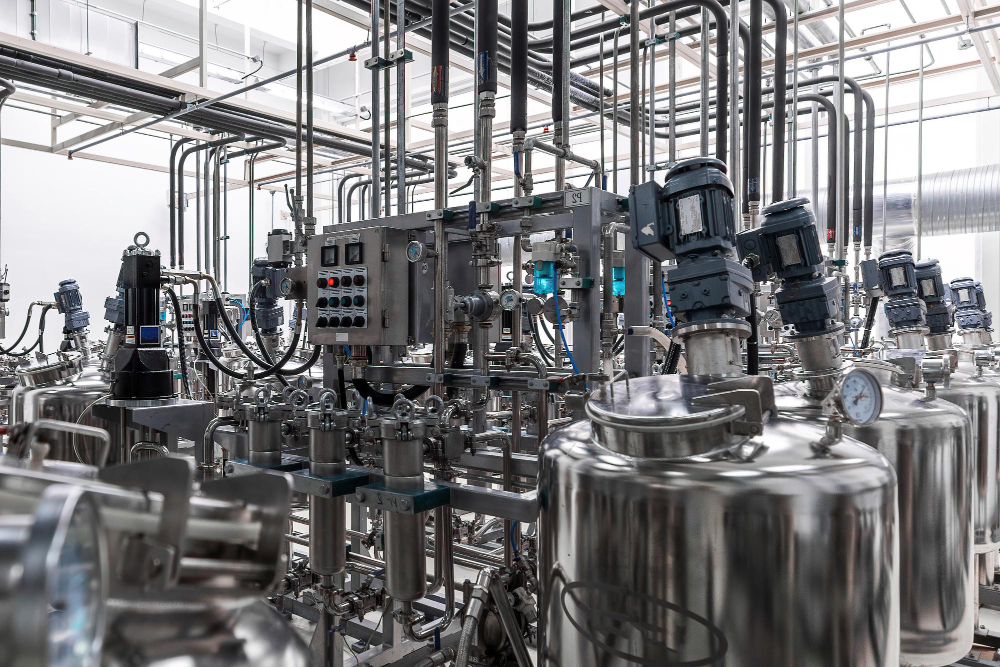
Sterile processing, CIP/SIP systems, ingredient dosing
Contacte con nosotros
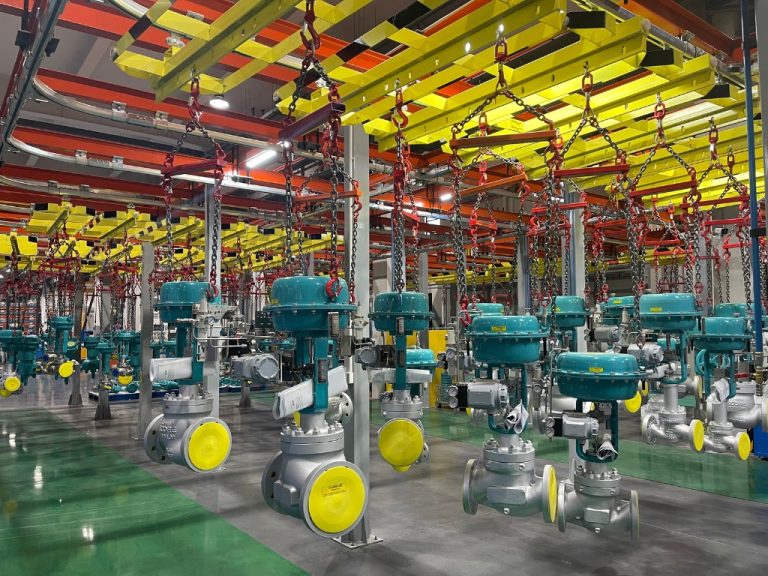
| Specification | Válvulas de control | On/Off Valves | Válvulas de seguridad |
|---|---|---|---|
| Tamaños | 1/4" - 24" (DN6 - DN600) | 1/4" - 48" (DN6 - DN1200) | 1/4" - 8" (DN6 - DN200) |
| Pressure Classes | Vacuum to 690 bar (10,000 psi) | Vacuum to 1,380 bar (20,000 psi) | ASME Class 150 through 6,895 bar (100,000 psi) |
| Temperatura | -253°C to 400°C | -253°C to 200°C | -40°C to 150°C |
| Design Standards | IEC 60534, API 600, ASME B16.34 | API 6D, ISO 10434, ASME B16.34 | ATEX II 2G Ex db IIC T6 Gb compliant |
| Special Features | Flow Characteristics: Linear, equal percentage, quick opening | Face-to-Face Dimensions: ASME B16.10 standard dimensions |
|
| Material Type | Válvulas de control | On/Off Valves | Válvulas de seguridad |
|---|---|---|---|
| Body Options/Construction | Carbon steel, stainless steel, or high-alloy materials | Cast iron, ductile iron, or stainless steel | ASTM A182 F316L stainless steel with hydrogen treatment |
| Trim/Disc/Ball Materials |
|
|
|
| Seat Options/Sealing Materials |
|
|
|
| Shaft/Actuator Options |
|
|
Actuation System: Dual solenoid with spring return for fail-safe operation |
| Performance Metric | Válvulas de control | On/Off Valves | Válvulas de seguridad |
|---|---|---|---|
| Leakage Rate | API 598 Class VI (bubble-tight shutoff) | API 598 Class VI (bubble-tight shutoff) | Zero leakage design for normal operation |
| Cycle Life | 500,000+ cycles at full pressure rating | 1,000,000+ cycles at full pressure rating | 100,000+ operational cycles while maintaining safety integrity |
| Key Performance Metrics |
|
|
|
| Vida útil | 10-15 years in continuous industrial applications | 8-12 years in continuous industrial applications | 8-10 years in continuous industrial applications |
UAE, Middle East
Germany, Europe
 Answer: You can, but it leads to costly damage and poor performance. Standard on/off valves, like ball and gate valves, are designed for fully open or fully closed positions. Forcing them to operate in a partially open state for throttling creates high-velocity fluid jets that cause erosion, vibration (chatter), and cavitation. This not only rapidly destroys the valve’s seat and disc but also results in an unpredictable and unstable flow rate, making precise process control impossible. An engineered control valve, such as a globe valve or V-port ball valve, is specifically designed with a specialized internal trim to withstand these forces and provide a predictable, repeatable flow characteristic.
Using an on/off valve for throttling is like trying to control a car’s speed using only the ignition key—it’s the wrong tool for the job. The consequences of this mismatch are significant:
| Performance Metric | On/Off Valve (Throttling) | Engineered Control Valve |
|---|---|---|
| Process Stability | Poor (High Variability) | Excellent (Low Variability) |
| Eficiencia energética | Bajo | High (15%+ Savings) |
| Valve Lifespan | Short (Months) | Long (Years) |
| Maintenance Cost | High (Frequent Replacement) | Low (Predictive Maintenance) |
“We were struggling with inconsistent temperatures in our chemical reactor, causing batch quality to suffer. We discovered our maintenance team had been using standard ball valves for throttling the steam inlet,” shares David Chen, a Process Engineer at a specialty chemical plant. “After consulting with BCST and installing a properly sized globe control valve solution, our temperature is now stable within ±0.5°C. We’ve reduced our batch rejection rate by over 30%, which paid for the valve in less than six months.”
 Answer: A true flow control solution is an engineered package, not just a valve. It consists of three critical components working in harmony:
Tell us your specs; our engineer will reply within 24 hours.
 English English
 Arabic
 Russian
 French
 Spanish