
A storage tank seems strong, but an invisible force can cause it to rupture or collapse without warning. This is the danger of unmanaged vapor pressure, a silent threat to any plant.
Vapor pressure is the force exerted by vapor from a stored liquid. If this pressure exceeds a tank’s design limits due to temperature changes, it can cause catastrophic failure. Proper venting and pressure relief valves are essential to prevent this.
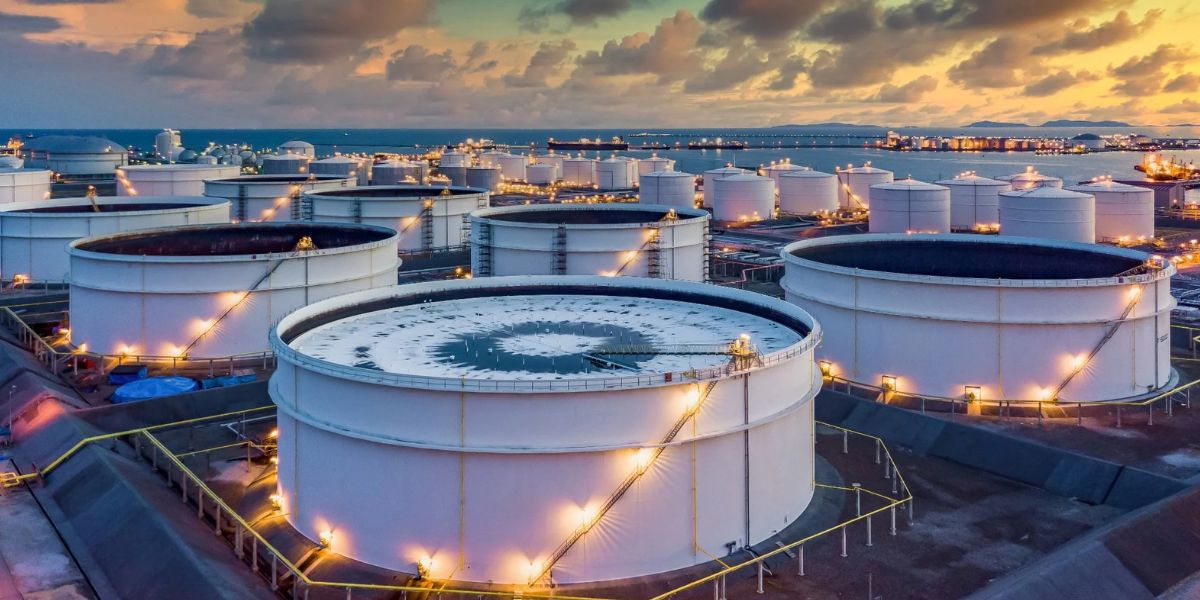
I will never forget a conversation with Hassan, a chief engineer I work with. He told me about a close call at a chemical plant early in his career. During an unexpected heatwave, the pressure inside a volatile chemical storage tank began to rise rapidly. The primary vent was overwhelmed. He said the sound of the emergency pressure relief valve opening was the loudest, most beautiful sound he’d ever heard. That valve, a simple, mechanical device, was the only thing standing between a normal day and a major disaster. It showed me that understanding forces like vapor pressure isn’t just academic; it’s fundamental to keeping people and the environment safe.
How Does Overpressure Lead to Tank Rupture?
Your tank holds a valuable liquid. But as the sun beats down, that liquid creates immense pressure from within, pushing outwards on every seam and weld, threatening a violent rupture.
When the internal vapor pressure of a liquid exceeds the tank’s Maximum Allowable Working Pressure (MAWP), it acts like an overinflated balloon. The force will exploit the weakest point in the tank’s structure, causing a sudden, catastrophic rupture.
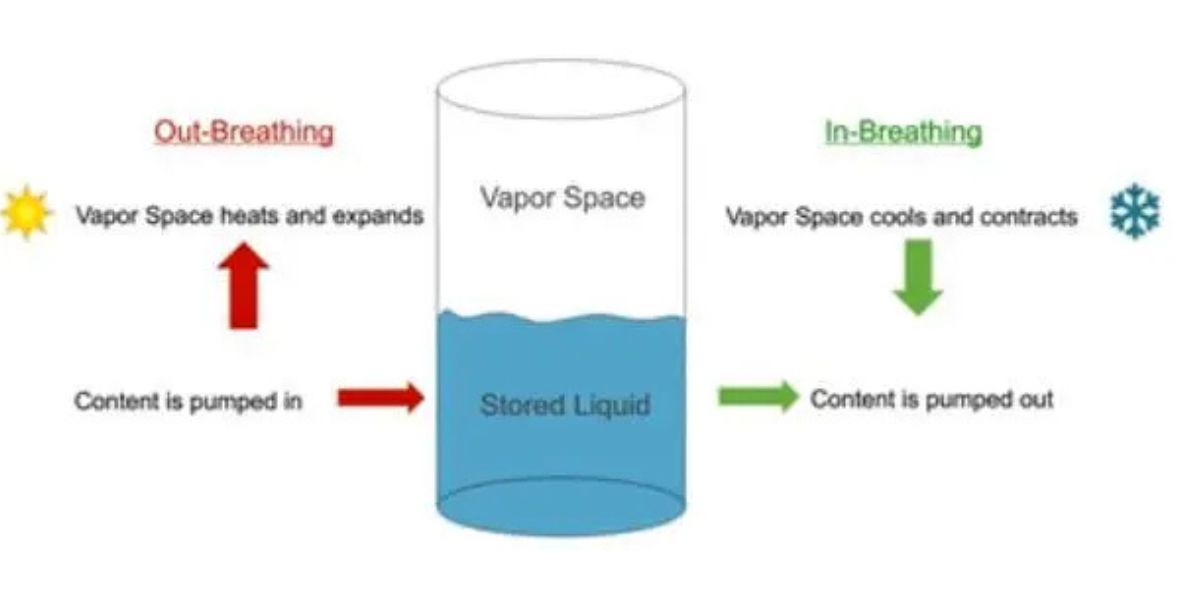
This is one of the most serious risks for any facility with storage tanks. The process is driven by temperature. When you store a liquid like gasoline or a volatile chemical, some of it naturally evaporates into the space above it, creating vapor. As the day gets hotter or if the tank is heated, the rate of evaporation increases dramatically. This creates more vapor in a fixed space, causing the internal pressure to climb. Every tank is built to withstand a certain amount of pressure, its MAWP. If the venting system is blocked, undersized, or fails, this pressure can quickly surpass the MAWP. The tank will begin to bulge, and the stress will concentrate on welds and seams. Eventually, the metal gives way, leading to a rupture that releases the tank’s contents, potentially creating a fire, explosion, or toxic cloud. That’s why pressure relief valves are not just accessories; they are non-negotiable safety devices.
| Failure Factor | Description | Prevention Method |
|---|---|---|
| External Fire | A fire near the tank rapidly heats the contents, causing a very fast pressure increase. | Pressure relief valves sized for fire case; tank insulation. |
| Ambient Heat | Solar radiation on a hot day slowly increases liquid temperature and vapor pressure. | Adequate normal venting; tank painting/coatings to reflect heat. |
| Overfilling | Filling the tank too high leaves no room for vapor expansion, causing pressure to spike. | Level indicators and alarms; strict filling procedures. |
What Causes a Tank to Collapse Inward?
You’ve emptied a tank, but now it’s crumpling like a soda can. This implosion, caused by a vacuum, is just as destructive as an explosion and points to a different pressure problem.
A vacuum forms when the pressure inside the tank drops significantly below the atmospheric pressure outside. This external force crushes the tank inward if air cannot enter quickly enough through a proper vacuum relief vent.
A tank collapse seems counterintuitive, but it’s caused by the simple physics of atmospheric pressure. We live at the bottom of an ocean of air that exerts about 14.7 psi of pressure on everything. Tanks are usually strong enough to handle this from the outside. However, a vacuum can form in two common ways. The first is during pump-out. As liquid is rapidly pumped out, the space it leaves must be filled with air. If the vent is blocked or too small, a powerful vacuum is created. The second cause is a sudden drop in temperature. Imagine a tank full of hot vapor after being steam-cleaned. If a sudden rainstorm cools the tank walls, the vapor inside will rapidly condense back into a liquid. This condensation causes a massive pressure drop, creating a near-perfect vacuum. The immense, unbalanced pressure from the outside atmosphere then crushes the tank. This is why pressure/vacuum (P-V) relief vents are so important; they let air in to break the vacuum just as readily as they let pressure out.
Why Are Pressure Relief Valves So Critical?
You have vents on your tanks. But are they enough to handle a true emergency, like a nearby fire? Relying only on normal vents for overpressure protection is a dangerous gamble.
Standard vents handle normal pressure changes from daily operations and weather. Emergency Pressure Relief Valves (EPRVs) are designed to open rapidly and release massive volumes of vapor during worst-case scenarios, like a fire, preventing a catastrophic tank explosion.

Hassan and I once reviewed the design for a new tank farm. The initial plan had standard conservation vents on all the tanks. I asked him, “What happens if there’s a fire in this bund area?” Normal vents are sized for thermal breathing and pump-out rates. They are not designed to handle the massive vapor generation that occurs when a fire is boiling the liquid inside the tank. In that scenario, a standard vent would be completely overwhelmed, and the tank’s pressure would skyrocket to failure in minutes. We had to specify emergency relief valves for each tank, sized according to API 2000 standards for the fire case. These valves have a much larger opening and are set to a higher pressure point than the normal vents. They stay closed during normal operations but act as the ultimate failsafe. They are the last line of defense, a purely mechanical device that will function even if power and control systems fail, ensuring the tank does not turn into a bomb.
How Does Product Selection Affect Tank Safety?
You are designing a new storage facility. Choosing the cheapest tank and valve for a highly volatile liquid is a recipe for disaster. Matching the equipment to the chemical’s properties is essential.
The vapor pressure of the stored liquid is the most critical factor. High-vapor-pressure liquids like gasoline require tanks and relief valves designed for higher pressures, whereas low-vapor-pressure liquids like diesel or water are less demanding.
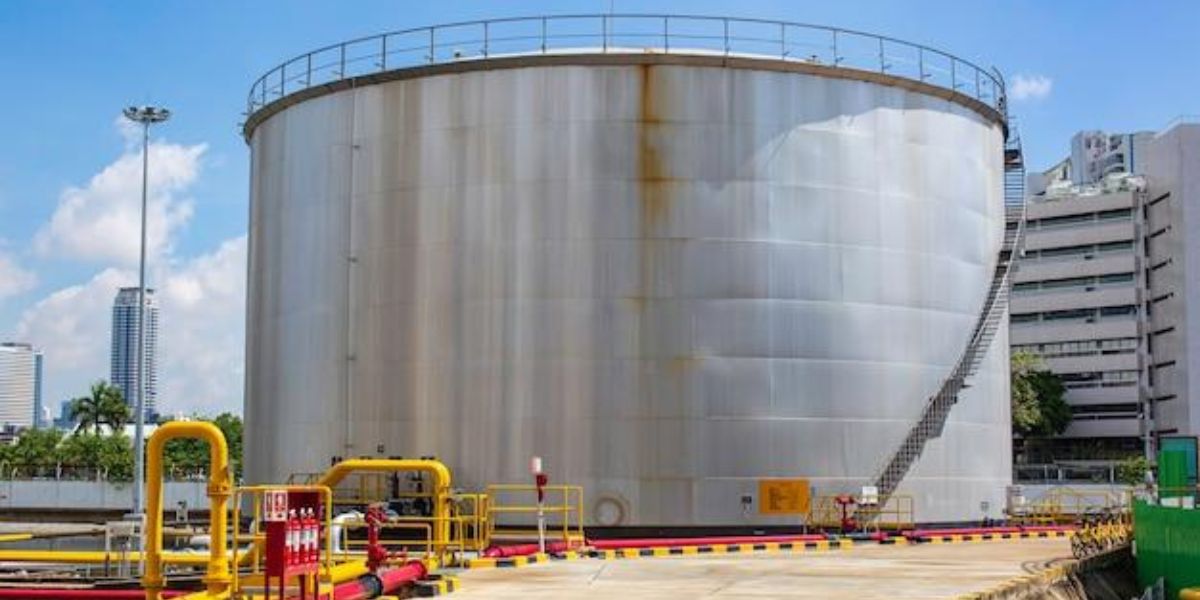
When planning a project, the first questions I ask a client like Hassan are about the product. What is being stored? What is its specific gravity and, most importantly, its Reid Vapor Pressure (RVP)? The RVP tells you how volatile the product is. Storing water is simple. Storing a liquid with a high RVP is a completely different engineering challenge. For example, a fixed-roof tank that is perfectly safe for storing diesel fuel would be totally inadequate and dangerous for storing butane. Butane’s high vapor pressure would require a pressurized sphere or a “bullet” tank to be stored safely as a liquid. Mismatching the product and the storage tank design is a fundamental error that leads to chronic venting issues or, in the worst case, failure. The pressure relief valve’s set point and flow capacity must also be precisely matched to the tank’s design pressure and the liquid’s properties. Getting this right at the design stage is the most effective way to ensure long-term safety and operational stability.
Conclusion
Understanding vapor pressure is not optional; it is central to safe tank operation. By correctly designing for overpressure and vacuum conditions and installing the right relief valves, you can prevent catastrophic failures.


 English
 Arabic
 Russian
 French
 Spanish