
Your engine sputters and dies on a hot day, leaving you stranded. This frustrating issue, known as vapor lock, happens when fuel boils in the lines, starving your engine.
You can prevent vapor lock by insulating fuel lines, using a fuel return system, installing an electric “pusher” pump near the tank, choosing a fuel with lower volatility, and ensuring the fuel tank is properly vented to manage pressure.

I once got a call from Hassan, the chief engineer, about a fleet of backup generators for a hospital project in a very hot region. The generators kept failing during routine tests on hot afternoons. He said, “Emily, the engines are stalling, and it looks like the fuel is boiling. We need a solution that is 100% reliable.” The problem was classic vapor lock. It showed me that even in high-stakes industrial applications, these basic principles of fuel dynamics are incredibly important. Solving his problem required a multi-pronged approach, starting with the most direct and effective methods.
Can Insulating Fuel Lines Really Stop Vapor Lock?
Your fuel lines run right next to a blistering hot engine or exhaust. The heat boils the fuel inside, causing your engine to choke and stall, which is a major reliability problem.
Yes, insulating fuel lines creates a thermal shield. This barrier dramatically reduces heat transfer from hot engine components to the fuel, keeping the fuel in its liquid state and preventing the formation of vapor bubbles that cause vapor lock.

The main cause of vapor lock is heat. Your engine bay is a very hot place, with parts like the exhaust manifold reaching extreme temperatures. The fuel lines are often routed nearby. Without protection, the radiant heat from these components can easily raise the temperature of the fuel inside the line above its boiling point. By wrapping the fuel lines in a protective sleeve, you block this heat transfer. Hassan’s team started by identifying every fuel line that passed within a few inches of the generator’s exhaust system or engine block. They used high-temperature, reflective heat shields to cover these sections. This single step significantly lowered the fuel temperature in the lines. It’s a simple, direct, and often highly effective first line of defense against vapor lock.
| Insulation Type | Best Use Case | Temperature Rating | Notes |
|---|---|---|---|
| Fiberglass Sleeves | General purpose, good thermal barrier | Up to 650°C (1200°F) | Flexible and easy to install on most lines. |
| Reflective Foil Wrap | Areas with direct radiant heat | Reflects ~90% of radiant heat | Best for lines near exhaust manifolds. |
| Rubber/Silicone Hose | Mild heat areas, provides abrasion resistance | Up to 260°C (500°F) | Also protects against chafing and vibration. |
How Does a Fuel Return System Prevent Fuel from Boiling?
In standard systems, fuel goes to the engine and stops. On a hot day, this trapped fuel gets hotter and hotter until it boils, causing a stall that could be dangerous.
A fuel return system keeps fuel flowing continuously from the tank, to the engine, and back to the tank. This circulation prevents any single portion of fuel from sitting in the hot engine bay long enough to boil.
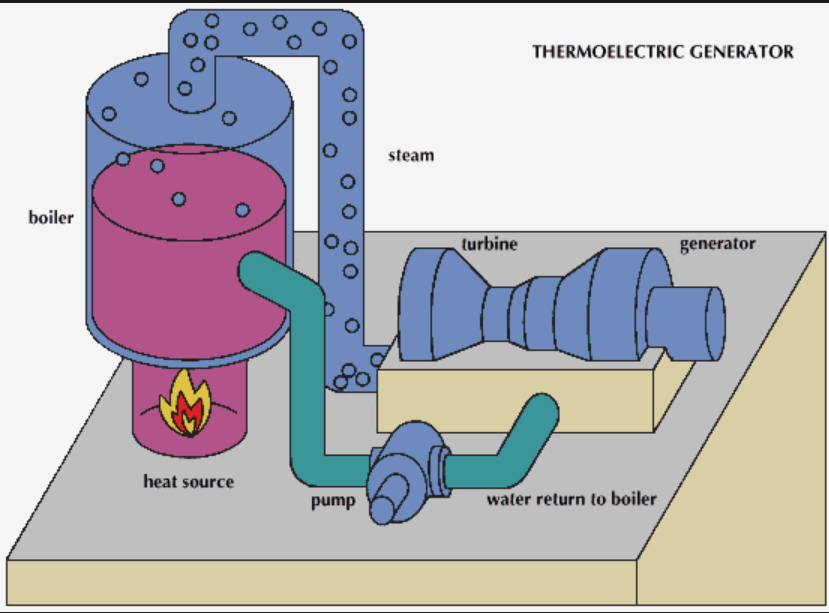
Think of it like a river versus a pond. A “dead-head” fuel system sends fuel in only one direction, where it sits in the fuel rail until the injectors use it. This is the pond, and on a hot day, it quickly heats up. A fuel return system is like a river. An electric fuel pump sends more fuel than the engine needs. A pressure regulator at the engine bleeds off the excess and sends it back to the fuel tank through a separate “return” line. This has two huge benefits. First, the fuel is always moving, so it doesn’t have time to absorb too much heat. Second, any fuel that does get warm is sent back to the main tank, where it mixes with the large volume of cooler fuel. This process effectively uses the entire fuel tank as a giant heat sink, keeping the fuel supply well below its boiling point. Many modern fuel injection systems use this method for exactly this reason.
Why Is a Pusher Pump Better Than a Suction Pump?
Traditional engine-mounted pumps have to suck fuel all the way from the tank. This pulling action lowers the pressure in the fuel line, making it much easier for the fuel to boil.
A “pusher” pump, installed near the tank, pressurizes the entire fuel line. Fuel under pressure has a higher boiling point, just like water in a pressure cooker, making it far more resistant to forming vapor lock.

This was the second major change Hassan’s team made to the generators. The original design used a mechanical pump on the engine block. This pump creates a vacuum in the line between it and the tank. Under the laws of physics, reducing pressure lowers a liquid’s boiling point. So, a suction pump was actually making the vapor lock problem worse. The solution was to install a modern electric fuel pump close to the fuel tank. This “pushes” fuel through the line instead of pulling it. By pressurizing the entire line, even by just a few PSI, it raises the fuel’s boiling point significantly. This makes it much harder for vapor bubbles to form, even when the line gets hot. Combining a pusher pump with insulated lines is a powerful, professional-grade solution to eliminate vapor lock in even the most demanding hot-weather conditions.
How Does Fuel Choice Affect Vapor Lock?
You fill your tank with whatever is available. But different fuel blends have different properties, and using the wrong one in hot weather can dramatically increase your risk of vapor lock.
Fuels blended for winter use have a higher Reid Vapor Pressure (RVP), meaning they vaporize more easily for better cold starting. Using this “winter gas” in summer can lead directly to vapor lock as it will boil at a much lower temperature.

Not all gasoline is the same. Refineries change their blends based on the season. Winter-grade fuel is formulated to be more volatile so that it can vaporize easily in a cold engine. This is measured by its Reid Vapor Pressure, or RVP. A higher RVP means it boils more easily. While this is great for a frigid morning, it’s a disaster on a hot afternoon. Summer-grade fuel has a lower RVP, making it more stable and less prone to boiling prematurely. The problem often occurs in spring when suppliers are switching over, or if you are using fuel that has been stored for a long time since winter. For his generator project, Hassan made sure the fuel supplier was providing a stable, low-RVP summer blend specifically for that climate. For high-performance applications, some users even choose racing fuels with very low vapor pressures to ensure stability under the most extreme heat.
Can a Vented Gas Cap Really Make a Difference?
Pressure builds up in your tank on a hot day. This pressure can overwhelm your system and force fuel into hot lines, or a vacuum can form, making it harder for your pump to work.
A properly functioning vented gas cap or tank vent system is critical. It safely releases excess pressure as fuel expands and allows air to enter as fuel is used, maintaining stable pressure within the entire system and preventing vacuum conditions.

The fuel tank needs to breathe. As the temperature rises, the fuel and the air in the tank expand, creating positive pressure. A vent allows this pressure to escape safely. As fuel is consumed, the liquid level drops, and air must be allowed in to prevent a vacuum from forming. A vacuum in the tank would force the fuel pump to work much harder, lowering the pressure in the lines and leading straight back to vapor lock. Hassan found that the vent lines on some of the generator tanks were partially clogged with dust from the site. This seemingly small issue was preventing the tanks from breathing properly, contributing to the pressure problems. Ensuring the tank vent is clear and the vented cap is working correctly is a simple but vital maintenance step. It ensures the fuel pump operates in a stable pressure environment, which is the foundation of a healthy fuel system.
Conclusion
Preventing vapor lock comes down to controlling heat and pressure. By insulating lines, circulating fuel, pressurizing the system, using the right fuel, and ensuring proper ventilation, you can ensure reliable engine performance.


 English
 Arabic
 Russian
 French
 Spanish