

What Is Control Valve Assembly?
Control valves play a crucial role in industrial processes, yet understanding their assembly might seem daunting at first. When broken down, it becomes clear how their parts function together to regulate the flow of liquids, gases, or steam. But what exactly is a control valve assembly?
A control valve assembly is a complete system composed of the valve, actuator, and accessories that regulate process variables such as flow, pressure, or temperature in industrial systems.
Let’s delve deeper to explore the roles of its components, their functions, and how they come together to create a reliable solution for process control.
What Is The Function Of The Control Valve?
Control valves are essential in maintaining the efficiency and safety of process operations. But what makes them so important?
The primary function of a control valve is to modulate the flow of process fluid, maintaining optimal conditions in an industrial system by responding to signals from a controller.
For example, in an oil refinery, a control valve can adjust the flow of crude oil to ensure proper refining. This task requires precision and reliability to maintain product quality and process safety.
The Critical Role Of Process Regulation
Control valves are tasked with the vital job of ensuring that process variables stay within desired limits. This involves:
- Flow Regulation: Adjusting the volume of fluid passing through a system.
- Pressure Management: Balancing upstream and downstream pressures.
- Temperature Control: Modulating heat exchange processes in steam or liquid systems.

Each of these functions is critical for industries like oil and gas, food production, and water treatment.
Choosing The Right Control Valve
Selecting the right control valve depends on the application. Factors like fluid type, pressure range, and temperature conditions all play a part. Using the wrong valve can lead to inefficiencies or system failure, emphasizing the importance of understanding the valve’s function and compatibility with your needs.
What Are The Parts Of The Control Valve Assembly?
The performance of a control valve assembly relies on the harmonious functioning of its parts. But what exactly makes up a control valve assembly?
A typical control valve assembly consists of the valve body, actuator, positioner, and other accessories like handwheels and limit switches. Each component has a unique role that contributes to precise flow control.
Let’s examine these components more closely.
Main Components Of A Control Valve Assembly
| Component | Function |
|---|---|
| Valve Body | Houses the internal mechanism that regulates flow. |
| Actuator | Provides the mechanical force to open, close, or adjust the valve position. |
| Positioner | Ensures the actuator moves the valve to the desired position accurately. |
| Accessories | Enhance control, including feedback systems and manual override devices. |
Understanding The Role Of Each Part
-
Valve Body: The valve body is the primary housing where the fluid flows. Inside, you’ll find critical parts like the plug, seat, and stem, which directly regulate the flow rate.
-
Actuator: This component converts control signals into mechanical motion. Actuators can be pneumatic, electric, or hydraulic, depending on the system requirements.
-
Positioner: Acting as the brain of the assembly, the positioner ensures the valve’s position aligns with the controller’s signal. This feedback mechanism is vital for precision.
-
Accessories: Additional devices such as solenoid valves, limit switches, and handwheels enhance the valve’s functionality, adding layers of control and safety.
Why Maintenance Matters
Each part of the assembly must function seamlessly to ensure optimal performance. Regular maintenance and inspection can prevent malfunctions, which might lead to costly downtime or safety risks in industrial processes.

What Is A Control Valve Body Assembly?
The valve body is at the heart of the control valve assembly. But what makes the valve body assembly distinct and essential?
A control valve body assembly comprises the physical housing and internal components like the plug, seat, and stem that work together to regulate fluid flow.
Let’s explore this integral part in detail.
Components Of The Valve Body Assembly
The valve body assembly houses critical internal components. Here’s a breakdown of its primary parts:
| Component | Description |
|---|---|
| Plug | Controls flow by moving closer to or away from the valve seat. |
| Seat | Provides a sealing surface for the plug to prevent leaks. |
| Stem | Connects the actuator to the plug, transmitting motion effectively. |
| Bonnet | Covers the valve body and supports the stem. |
Types Of Valve Bodies
Valve bodies come in various designs, each suited to specific applications:
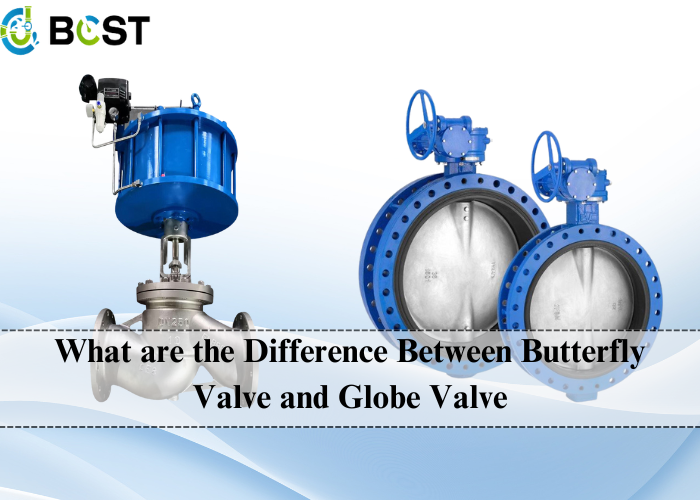
- Globe Valve Body: Common in precise flow control.
- Ball Valve Body: Suitable for quick on-off control.
- Butterfly Valve Body: Used in larger systems requiring compact designs.
Balancing Efficiency And Durability
The valve body assembly must withstand harsh operating conditions, including high pressure, extreme temperatures, and corrosive fluids. Material selection, such as stainless steel or alloy, directly impacts durability and performance.
Practical Tips For Maintenance
Ensuring the valve body assembly performs efficiently requires regular inspection. Check for signs of wear, corrosion, and leaks, and replace worn components promptly. Proper lubrication of the stem and plug is also critical for smooth operation.
Conclusion
Understanding control valve assembly is essential for anyone involved in industrial process management. From the overarching function of the control valve to the intricacies of its parts and the role of the valve body assembly, each element contributes to a system’s success. By selecting the right valve and maintaining its components, businesses can achieve safe, efficient, and reliable operations.

 English
 Arabic
 Russian
 French
 Spanish