
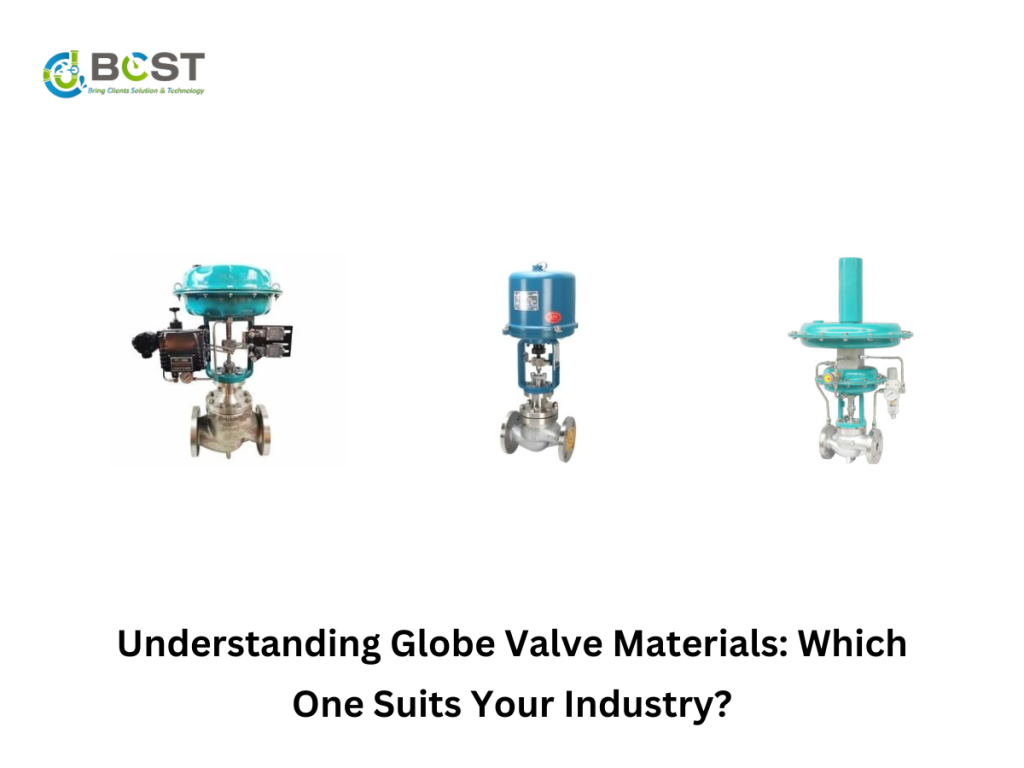
Choosing the right globe valve materials is crucial for maximizing performance and durability in various industrial applications. Globe valves control fluid flow in pipelines, and the material they are made from determines their strength, resistance to wear, and ability to handle temperature extremes. By selecting the correct material, industries can ensure long-term reliability and reduce operational costs.
Why Globe Valve Materials Matter
The material a globe valve is made from directly affects its corrosion resistance, durability, and strength under pressure. Different industries, like oil and gas, chemical processing, and water treatment, require materials that can withstand specific environmental and operational conditions. Choosing a material that doesn’t match the application can lead to early failure, higher maintenance costs, and potential safety risks.
Common Materials Used in Globe Valves
Several materials are commonly used in globe valves, each offering specific advantages depending on the application.
1. Cast Iron
Cast iron is widely used for low-pressure systems. Its durability and affordability make it a preferred choice in certain industries.
- Applications: Water distribution, HVAC systems, and general flow control.
- Advantages: Cost-effective, durable, and resistant to wear in low-pressure applications.
- Drawbacks: Cast iron tends to become brittle under high pressure or high temperatures.
2. Carbon Steel
Carbon steel is preferred for medium- to high-pressure applications. It offers greater strength and durability than cast iron, making it suitable for more demanding environments.
- Applications: Oil and gas, chemical processing, and power generation.
- Advantages: High strength and good resistance to temperature variations.
- Drawbacks: Susceptible to corrosion without proper coatings or treatments.
3. Stainless Steel
Stainless steel is often chosen for its excellent corrosion resistance. It performs well in environments where valves are exposed to harsh chemicals or extreme temperatures.
- Applications: Chemical processing, food and beverage, pharmaceuticals, and marine industries.
- Advantages: Outstanding corrosion resistance and durability, making it ideal for high-pressure and high-temperature settings.
- Drawbacks: More expensive than cast iron or carbon steel, but offers long-term cost benefits due to its longevity.
4. Bronze
Bronze is highly valued in marine environments due to its resistance to seawater corrosion. It is also a common choice for handling potable water and non-corrosive liquids.
- Applications: Marine systems, fire protection, and potable water systems.
- Advantages: Excellent resistance to seawater, suitable for low-pressure environments.
- Drawbacks: Not as strong as steel, making it less ideal for high-pressure applications.
5. Alloy Steel
Alloy steel, designed for extreme conditions, combines materials like chromium and nickel to enhance its properties. This makes it highly durable under high temperatures and pressures.
- Applications: Power plants, petrochemical industries, and steam applications.
- Advantages: Excellent strength and temperature resistance, perfect for harsh environments.
- Drawbacks: Higher cost due to enhanced material properties.
How to Choose the Right Globe Valve Materials
When selecting the appropriate globe valve material for your industry, several factors come into play.
1. Corrosion Resistance
Industries that deal with corrosive fluids need materials that can withstand constant exposure to chemicals or saltwater. Stainless steel and bronze provide superior corrosion resistance, while carbon steel and cast iron may require protective coatings in such environments.
2. Pressure and Temperature
High-pressure environments demand strong, durable materials like alloy steel or carbon steel. Meanwhile, low-pressure systems can function effectively with cast iron or bronze, providing a cost-effective solution without compromising performance.
3. Cost vs. Longevity
While materials like stainless steel and alloy steel have a higher upfront cost, they offer a longer lifespan and require less maintenance. Cast iron and carbon steel, though cheaper, may incur higher maintenance costs over time due to their susceptibility to corrosion and wear.
4. Industry-Specific Requirements
Each industry has specific standards for valve materials. For example, the food and beverage industry often mandates the use of stainless steel because it is non-reactive and easy to clean. In contrast, the marine industry may opt for bronze because of its superior resistance to seawater.
Selecting the right globe valve material is essential for achieving optimal performance in your industry. By understanding the benefits and limitations of materials like cast iron, carbon steel, stainless steel, bronze, and alloy steel, you can make an informed decision that ensures long-term durability, reduces maintenance costs, and enhances the efficiency of your system. Whether you need corrosion resistance, strength, or cost-effectiveness, choosing the right material will guarantee the longevity and effectiveness of your globe valves.
Learn more about Glove Valves


 English
 Arabic
 Russian
 French
 Spanish