
In many industrial processes, speed and precision are not just desirable they are critical. From ensuring product consistency in chemical batching to maintaining stability in power generation, the ability of control systems to react instantly is key. A crucial component in these systems is the control valve, but what happens when standard valves can’t keep pace with the demands for rapid adjustments?
Often, the answer lies in moving beyond off-the-shelf options towards customized control valve solutions. These are valves specifically engineered to meet unique operational challenges, particularly the need for meeting tight response time requirements.
This article dives into the world of fast-response control valves. We’ll explore why response time is so important, the limitations often found in standard valves, and the engineering principles behind creating custom solutions that deliver optimized control valve performance.

Why Milliseconds Matter: The Critical Role of Control Valve Response Time
Control valve response time refers to how quickly a valve can adjust its position after receiving a command signal from the control system. It’s often discussed using terms like:
- T63: A common engineering metric representing the time taken for the valve to complete 63% of its commanded travel. A lower T63 generally means a faster valve.
- Dead Time: The initial delay between the signal being sent and the valve beginning to move. Even small amounts of dead time can hinder precise control.
Slow response or significant dead time isn’t just a minor inconvenience; it can directly impact:
- Process Stability: Valves that react slowly can cause the process variable (like temperature, pressure, or flow) to overshoot the target or oscillate around it, making stable operation difficult.
- Efficiency: In processes requiring frequent adjustments, slow valves lead to wasted time, energy, and potentially materials as the system waits or struggles to reach the desired state.
- Product Quality: Inconsistent control due to valve lag can result in variations in the final product, impacting quality and potentially leading to waste.
- Safety: In critical safety systems (like emergency shutdowns or pressure relief), the valve must act almost instantaneously. Delays can have serious consequences.
Understanding these impacts highlights why achieving the necessary control valve response time is fundamental to successful process control optimization.
Common Roadblocks: Why Standard Valves Can Struggle with Speed
Standard control valves are versatile workhorses, but they are often designed for average conditions and may face limitations in highly dynamic or fast-acting applications. Several factors affecting control valve response time can come into play:
- Actuator Mechanics: The device moving the valve (the actuator) might inherently have slower mechanics or lack the immediate power required for rapid travel. Standard pneumatic or electric designs might prioritize cost or simplicity over speed.
- Signal Processing & Power Delivery: Positioners, which translate the control signal into actuator movement, can introduce delays in processing the signal or delivering the necessary pneumatic pressure or electrical power.
- Internal Friction: Resistance from seals, packing, or the fluid itself can impede quick, smooth movement, especially for small adjustments.
- Deadband: Many valves have a small range where the control signal can change without initiating any physical movement. While often necessary, excessive deadband harms responsiveness.
- Flow Dynamics & Sizing: A valve not optimally sized (in terms of flow capacity, or Cv) or lacking the appropriate internal trim design for the specific flow conditions may struggle to regulate flow quickly and accurately during rapid changes.
How Customization Optimizes Response
When standard valves fall short, custom control valve solutions offer a path forward. This involves carefully engineering various valve components specifically for speed and the demands of the application. Key techniques include:
- Advanced Actuation Strategies:
- Selecting actuators known for rapid stroking speeds (e.g., specific types of electric actuators, or pneumatic actuators paired with quick-exhaust valves and volume boosters).
- Employing intelligent electro-pneumatic positioners featuring faster microprocessors and high-capacity air relays for minimal signal delay and powerful movement.
- Precisely calculating and providing the required actuator torque/thrust and optimizing air supply pressure or electrical power delivery.
- Valve Design for Flow & Low Friction:
- Optimized Sizing: Ensuring the valve’s flow capacity (Cv) is perfectly matched to the process needs for dynamic control, not just maximum flow.
- Custom Trim Design: Engineering the shape and flow paths of the internal components (plug, cage, disc) to allow for rapid changes in flow rate with minimal resistance and instability. Different fast-acting globe valve specifications, for instance, might use specially contoured plugs.
- Material Science: Utilizing low-friction materials or coatings for seals and guiding surfaces to reduce resistance and ensure smooth, fast operation, especially important for reliable high-cycle control valve performance.
The Process: How Expert Manufacturers Develop Custom Valve Solutions
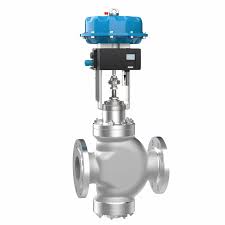
Creating an effective customized valve for fast actuation requires more than just assembling parts; it involves a rigorous engineering process typically undertaken by experienced manufacturers. While specifics vary, the general approach includes:
- In-Depth Consultation: Understanding the precise application – flow conditions, control objectives, speed requirements, existing system limitations, and environmental factors.
- Detailed Analysis & Simulation: Using engineering calculations and potentially flow simulation software to model valve behavior and predict performance under the specified conditions.
- Component Selection & Design: Choosing or designing each component – valve body, trim, actuator, positioner, materials – specifically to meet the performance targets, especially response time. This relies heavily on engineering expertise and experience.
- Manufacturing & Quality Control: Building the valve assembly under strict quality protocols to ensure design integrity and material specifications are met. Adherence to industry standards is crucial here.
- Rigorous Testing & Validation: Performing functional tests that specifically measure the valve’s response time (e.g., T63, dead time) under simulated operating pressures to confirm it meets the required specifications before shipment. Documented results provide assurance.
This meticulous process, combining technical knowledge (Expertise) with practical application experience (Experience) and verified through testing (Trustworthiness), is key to successfully developing high-performance custom valves.
The Result: Benefits of Optimized Fast-Response Valves
When a control valve is properly engineered for fast response, the positive impacts on the process are significant:
- Tighter Process Control: Minimizes deviations from setpoints, leading to more stable and predictable operations.
- Improved Efficiency: Reduces wasted time during transitions, potentially lowering energy consumption and material usage.
- Consistent Product Quality: Helps ensure products meet specifications batch after batch by maintaining precise control.
- Enhanced Safety: Allows for quicker reactions in critical situations, improving overall plant safety.
- Increased Reliability: Valves designed for specific demanding conditions, including high-speed cycling, often exhibit greater durability and longevity.
These benefits highlight why investing time in finding the right valve solution, including exploring custom options, is often worthwhile for optimized control valve performance.
Conclusion: Matching the Valve to the Need for Speed
Achieving optimal process control often hinges on having components that can react as quickly as the system demands. While standard control valves serve many purposes well, applications requiring extremely fast response often necessitate a move towards custom control valve solutions.
By carefully engineering actuators, valve trim, materials, and sizing, and validating performance through rigorous testing, it’s possible to create valves that significantly reduce lag and improve dynamic control. Understanding the factors that limit speed and the techniques used in customization empowers engineers and plant managers to specify and obtain valves that truly meet their performance goals.


 English
 Arabic
 Russian
 French
 Spanish