
Buried valves are a constant headache. They get damaged, they’re hard to reach for maintenance, and an emergency turns into a digging frenzy. A proper valve box changes all that, protecting your investment and keeping things running smoothly.
A valve box for a gate valve is a protective sleeve for your buried valve. It’s a tough housing that goes over the valve, creating a clean and secure path from the ground surface right down to the part you need to turn. It guarantees easy access for operation and maintenance.
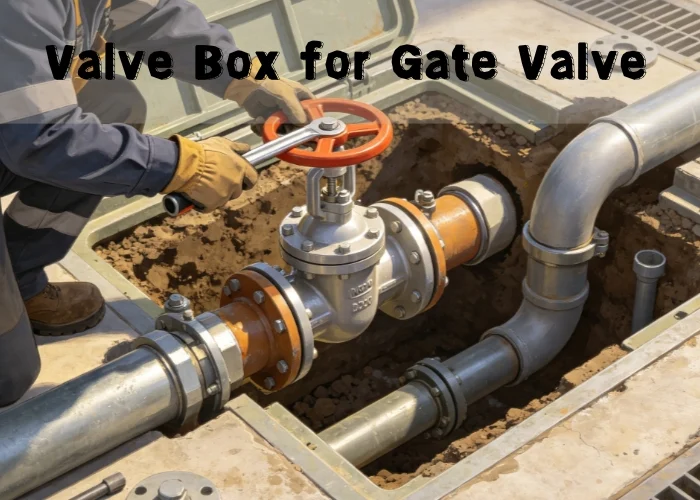
Let’s be honest, getting excited about a valve box is hard. But for engineers like you, responsible for the safety and uptime of an entire facility, it’s one of those small details that makes a huge difference. I learned this from my father. He spent his life in the valve business and always told me, “Emily, a valve you can’t get to is just a buried piece of metal.” He was right. A simple component like a valve box for a gate valve prevents that nightmare. It’s the gatekeeper for your gate valve. Let’s look at why this simple housing is so crucial and how to pick the right one for your job.
The Purpose of a Valve Box for a Задвижка
If your buried valves are getting crushed by soil or seized with rust, you’re not alone. And trying to find and operate them in a hurry is another story entirely. A valve box is the straightforward answer to these problems.
At its core, a valve box shields your buried gate valve from everything that destroys it: the weight of the soil, surface traffic, rocks, and weather. It creates a clear vertical shaft down to the valve’s operating nut, turning a difficult job into a simple one.
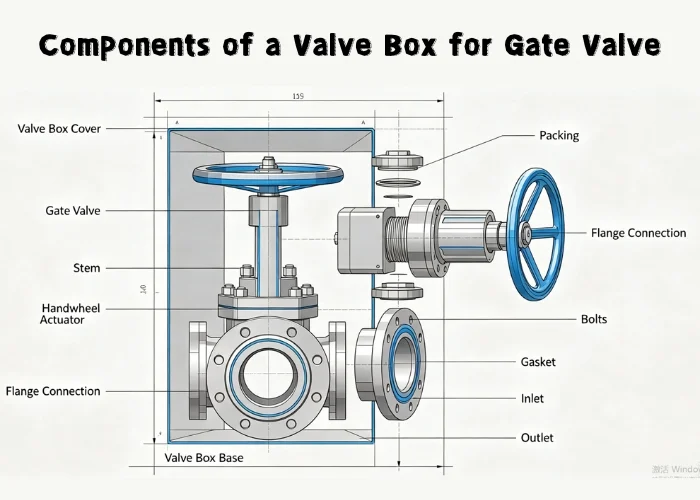
When you’re designing a system with buried pipes, you need to think about the long haul. You don’t just stick a gate valve in the ground and cross your fingers. I remember a project with a chemical plant client. They had constant problems with valve stems getting clogged with dirt or seizing up after a heavy rain. Their solution wasn’t a fancier valve; it was installing a quality valve box for each gate valve. It completely changed their maintenance schedule and prevented costly shutdowns. A valve box for a gate valve isn’t just a piece of plastic or iron; it’s a critical piece of your system’s protective gear. Let’s break down what it really does.
Shielding From Environmental Stress
The number one job of a valve box for a gate valve is to take a beating so your valve doesn’t have to. Underground, your valve is under constant pressure from shifting soil and rocks. Up top, there is heavy equipment driving over it. All that weight and vibration crushes a valve or misaligns its stem. A strong valve box absorbs those forces. It also creates a barrier against ground moisture that causes corrosion. This simple shield dramatically extends the life of your gate valve, saving you from the massive headache and expense of digging it up for a replacement.
Ensuring Operational Access
In an emergency, you need to shut off a valve, and you need to do it fast. Without a valve box, your team is scrambling for a shovel to start digging. That’s slow, unsafe, and messy. A valve box for a gate valve provides a clean, clear tunnel straight to the valve’s operating nut. Your crew just has to pop the lid, drop in a T-key, and turn. This turns a frantic, hour-long excavation into a calm, two-minute job. For any engineer responsible for a plant’s safety and operation, that kind of guaranteed access is a non-negotiable part of a good design.
Common Types of Valve Boxes for Gate Valves
Choosing a valve box doesn’t have to be complicated. The differences are about the material, and each one is suited for a different job. The common materials are cast iron, plastic, or concrete.
The type of valve box for a gate valve you need comes down to three things: strength, corrosion resistance, and cost. Your choice is between cast iron for its toughness, plastic for its light weight and resistance to rust, or concrete for heavy-duty applications where maximum stability is needed.
Picking the right type of valve box for your gate valve is all about matching it to the environment. I talk to engineers like Hassan, a Chief Engineer for petrochemical plants, all the time. For him, a decision like this has consequences for decades. In a high-traffic plant roadway, a heavy-duty cast iron valve box is the only choice. But for a buried water line in an area with corrosive soil and no traffic, a lightweight plastic box is the smarter, more cost-effective option. It’s about using the right tool for the job. Let’s compare the main options so you can see what works best for you.
A Closer Look at Materials
To make the best choice, you need to know the pros and cons of each material. A valve box for a gate valve must be tough enough for its surroundings. The material you pick will directly affect how long the box lasts and how easy your maintenance work will be.
| Материал | Ключевые преимущества | Key Disadvantages | Best Use Case |
|---|---|---|---|
| Чугун | Extremely strong and durable. It’s what you need for traffic-rated areas. It lasts a very long time. | It’s heavy, which makes it harder to install. It can rust in very wet or corrosive soils. Costs more upfront. | Plant-yards, roadways, and any area with routine truck or heavy equipment traffic. |
| Plastic (HDPE/Polypropylene) | Lightweight, so it’s easy for one person to handle and install. It’s totally immune to rust and most chemicals. It is the most affordable option. | Less strong than iron. You cannot use a standard one in traffic areas unless it’s specifically rated for it. | General water lines, irrigation systems, areas with bad soil, and anywhere with just foot traffic. |
| Concrete | Extremely heavy and stable. It offers incredible protection against being crushed. | A real pain to install because of the weight. It cracks with age or ground shifts and is damaged by certain chemicals. | Around very large water mains or in settings where you need the most weight and stability possible. |
One more thing to consider: get a “telescoping” valve box. This is a two-piece design that lets you slide the top section up or down to get the height just right. It’s a lifesaver when the final ground level isn’t exactly what was on the plans. This small feature adds a lot of flexibility during installation.
The Key Benefits of Using a Valve Box for a Gate Valve
You are fighting high maintenance costs for your buried valves and you are worried about the safety of your crew and the public. A valve box for a gate valve delivers real-world benefits that go far beyond just covering a valve.
When you install a valve box for a gate valve, you’re buying peace of mind. It protects the valve, extending its life and saving you money. It makes the area safer for everyone. And it makes finding, operating, and securing your valve incredibly simple.
The true value of any component is measured over its entire life. A valve box for a gate valve is a prime example of a small upfront cost that pays you back over and over again. You’re not just buying a piece of hardware; you’re buying long-term reliability, safety, and efficiency. Growing up in this industry, I’ve seen firsthand how skipping this one small part creates giant problems later on. Let’s dig into the practical benefits that really matter to a chief engineer.
Enhanced Durability and Cost Savings
The number one benefit is that it saves you money by protecting your valve. A valve box for a gate valve acts as a shield. It keeps the weight of the earth and traffic from crushing the valve body or bending the stem. It also keeps corrosive dirt and water away. By preventing damage, you avoid premature failures. That means fewer expensive, unscheduled digs and replacements. Over the life of a facility with hundreds of buried valves, the savings from this simple protective measure are huge.
Improved Safety and Accessibility
In any industrial site, safety comes first. An open hole or a poorly covered valve is a serious trip hazard. A proper valve box with a flush-fitting lid makes the ground surface safe to walk or drive on. It also makes the job safer for your operators. They service or operate the valve from the surface, without having to climb down into a muddy trench. This is a massive safety upgrade, especially during an emergency when you need to act fast. A valve box for a gate valve makes the whole process controlled and safe.
Simplified Maintenance and Security
Time is money, especially during a maintenance shutdown. With a valve box for a gate valve, you know exactly where your valve is. Your team finds it, opens the lid, and gets to work in minutes. This drastically cuts down on wasted time. On top of that, the lids are secure. This stops unauthorized people from tampering with a critical water main or process line. This security feature adds another layer of control and reliability to your entire system. Using a valve box for a gate valve is a sign of a well-planned and professionally managed facility.
Finding reliable, professional partners is just as important as choosing the right parts. At Группа BCST, we continue the legacy of practical, no-nonsense expertise my father built his company on. We don’t just send you a valve; we provide real solutions. We help engineers like you select the perfect gate valve and the right valve box to protect it. Our goal is to ensure your project is a success for years to come.
Часто задаваемые вопросы (FAQ)
Q1: How do I choose the right size valve box for a gate valve?
A1: The size depends on your valve’s diameter and how deep it’s buried. The box’s diameter must be wide enough for the operating nut and a key, and its length must cover the distance from the valve to the ground surface.
Q2: Can a valve box for a gate valve be adjusted for height?
A2: Yes, many plastic and iron boxes have a “telescoping” design. This lets you slide one piece inside the other to perfectly match the final ground height, which is incredibly useful.
Q3: Are there standards for traffic-rated valve boxes?
A3: Absolutely. For any area with cars or trucks, ensure your box is rated for traffic, like an AASHTO H-20 rating. This proves it withstands heavy loads without breaking and damaging the valve underneath.
Final Thought
Don’t leave your critical infrastructure to chance. Choosing the right valve box for a gate valve is a smart engineering decision that protects your assets and keeps your operations safe and efficient. For durable, reliable valve solutions, let the experts at BCST guide you to the perfect choice.


 English
 Arabic
 Russian
 French
 Spanish