

Professional Shut-Down Valves Manufacturer
- Enhanced safety,Reliable operation
- Optimal control over fluid flow
- Durability in extreme conditions
- Fail-safe mechanism
- Easy installation and integration
- Remote monitoring and control capabilities
- Improved operational efficiency
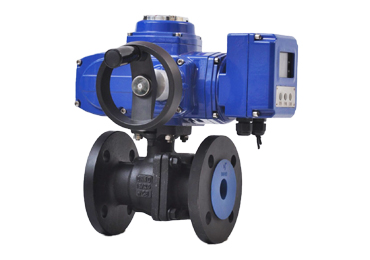
BCST your Expert Shut-Down Valves Manufacturer
Shutdown valves are used in power production facilities. To maintain control of steam systems, cooling water systems, and fuel supply lines. Allowing for efficient emergency shutdown processes and safeguarding equipment integrity. Shutdown valves are also used in various industries. Such as water treatment, chemical manufacture, and critical infrastructure sites. They help improve overall safety, operational efficiency, and environmental protection.
Types of Shut-Down Valves
BCST shutdown valves restrict or redirect fluid flow through pipelines or industrial systems. They can be operated manually or mechanically. An operator physically activates the valve in manual systems by twisting a handle or moving a lever. Pneumatic, hydraulic, or electric actuators are used in automatic shutdown valves to respond to signals from control systems or safety devices. When the shutdown valve is triggered, it closes, stopping fluid flow and preventing further movement.
BCST shutdown valves have several uses in various sectors. They are critical in the oil and gas industry as well as in petrochemical facilities. For assuring safety and managing fluid flow throughout upstream exploration and production, refining operations, pipeline transportation, and storage facilities. And for isolating specific areas of the processing system. Protecting people and preventing leaks or accidents.

Pneumatic Piston Globe Shut Down Valve

Solenoid Shut Down Valve

Manual Shut Down Ball Valve

One Piece Shut Down Ball Valve

Two Piece Shut Down Ball Valve

Pneumatic Piston Shut Down Ball Valve

Electric Shut Down Ball Valve

Pneumatic Piston Globe Shut Down Valve

Electric Shut Down Butterfly Valve

Pneumatic Butterfly Shut Down Valve

Electric Shut Down Gate Valve
BCST your BEST Shut-Down Valves Supplier
Shutdown valves are used in power production facilities. To maintain control of steam systems, cooling water systems, and fuel supply lines. Allowing for efficient emergency shutdown processes and safeguarding equipment integrity. Shutdown valves are also used in various industries. Such as water treatment, chemical manufacture, and critical infrastructure sites. They help improve overall safety, operational efficiency, and environmental protection.
BCST shutdown valves restrict or redirect fluid flow through pipelines or industrial systems. They can be operated manually or mechanically. An operator physically activates the valve in manual systems by twisting a handle or moving a lever. Pneumatic, hydraulic, or electric actuators are used in automatic shutdown valves to respond to signals from control systems or safety devices. When the shutdown valve is triggered, it closes, stopping fluid flow and preventing further movement.
BCST shutdown valves have several uses in various sectors. They are critical in the oil and gas industry as well as in petrochemical facilities. For assuring safety and managing fluid flow throughout upstream exploration and production, refining operations, pipeline transportation, and storage facilities. And for isolating specific areas of the processing system. Protecting people and preventing leaks or accidents.
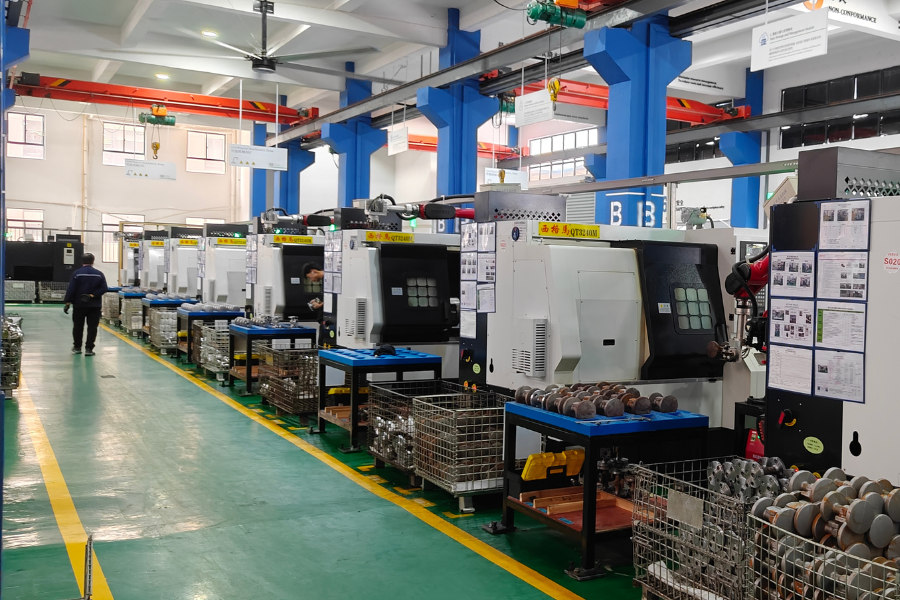
Отраслевые применения
Наши трехэксцентриковые поворотные затворы отлично зарекомендовали себя в самых требовательных отраслях промышленности, обеспечивая надежную работу в самых сложных условиях.
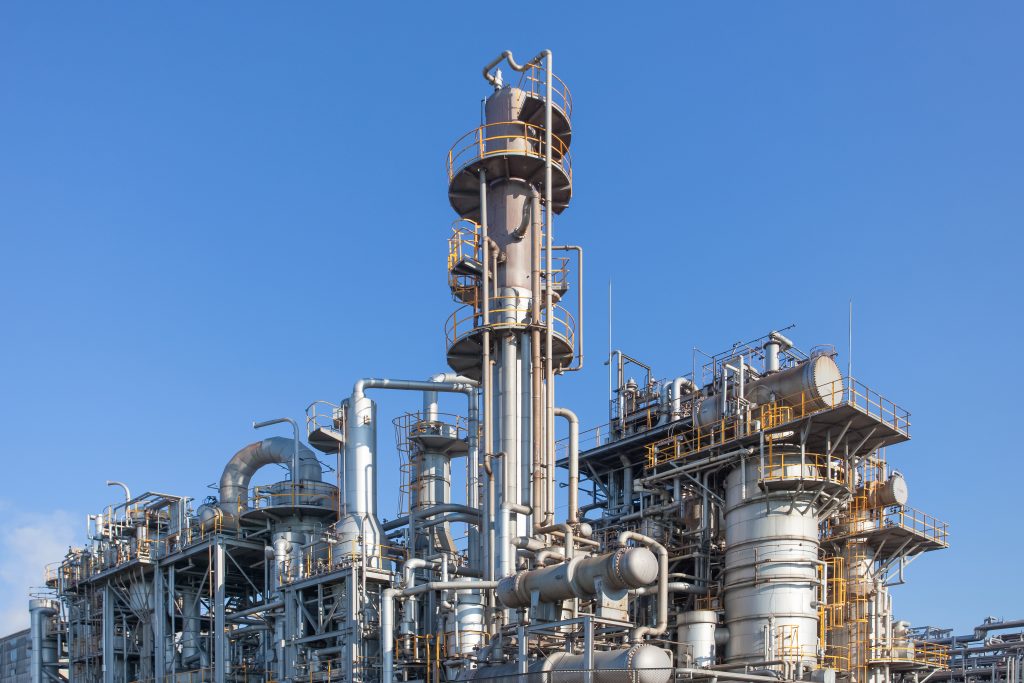
Нефть и газ
Rapidly isolate hydrocarbon flows on platforms, refineries, pipelines, and LNG terminals to prevent explosions, fires, and toxic releases.
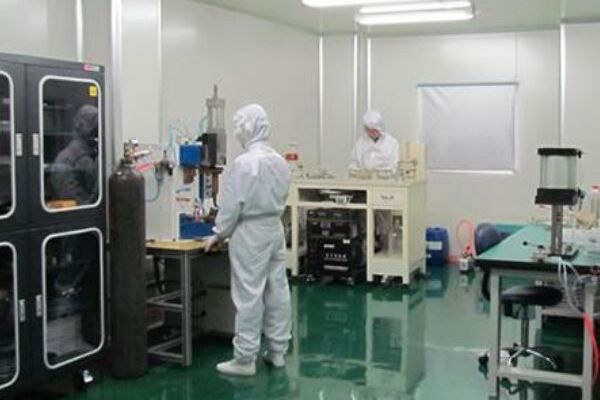
Chemical & Petrochemical Processing
Необходим для систем подачи пара, конденсата и охлаждающей воды на тепловых, атомных и парогазовых электростанциях.
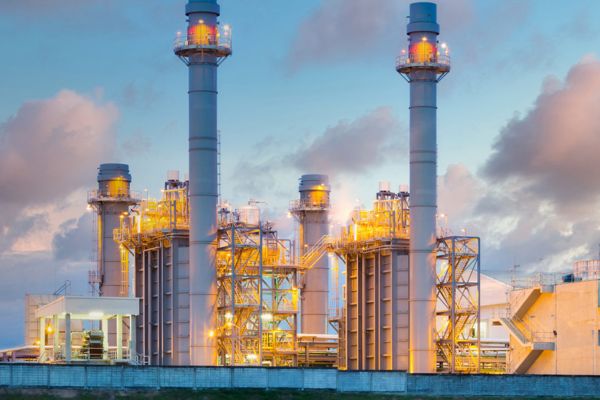
Производство электроэнергии
Safeguard fuel supply lines, steam systems, and turbines in power plants, ensuring rapid shutdown in critical failures.
BCST Shut-Down Valves Quality Control

Дизайн
- Техническое программное обеспечение
- Заседание технической группы
- Подтверждение чертежей CAD

Сборка
- Установка
- Калибровка

Контроль сырья
- Химический анализ
- Механическая недвижимость
- размерные чеки
- Визуальные проверки
- Экспертиза на предмет неразрушения

Гидростатическое испытание
- Испытание оболочки
- Испытание на герметичность
- Испытание на утечку
- Испытание воздухом
- Функциональный тест

Обработка
- Обработка на станках с ЧПУ
- Визуальные проверки
- Проверки размеров
- Жидкий тест на проникновение

Перспективы лечения
- Полировка поверхности
- Живопись
- Визуальный осмотр
- Проверка толщины

Тест части Спарт
- Визуальные проверки
- Проникновение жидкости
- Тест
- Испытание на твердость
- Притирка
- Проверки размеров

Упаковка
- Маркировка
- Экспортируемый деревянный ящик
Получите последний каталог прямо сейчас!
Технические характеристики и выбор
Исчерпывающие технические данные и интерактивные инструменты помогут вам выбрать идеальный клапан для вашего применения.
Руководство по выбору материала
Выберите подходящий материал для вашей области применения с учетом температуры, давления и совместимости со средой.
Basic Information
Product Series:
BCST-SDV-2000
Valve Type:
Ball Valve / Gate Valve
Приведение в действие:
Electric / Pneumatic / Hydraulic
Operating Conditions
Pressure Range:
ASME Class 150 – 2500
Диапазон температур:
-196°C to +650°C
Диапазон размеров:
1/2″ to 48″
Концевые соединения:
RF, RTJ, BW, SW
Размерные данные
Standard dimensions for BCST shut down valves (in mm)
| NPS | ASME Class | L (Face to Face) | H (Height) | W (Weight) | Flange OD |
|---|---|---|---|---|---|
| 2" | 150 | 178 | 320 | 12 kg | 152 |
| 4" | 150 | 229 | 410 | 28 kg | 229 |
| 6" | 300 | 394 | 580 | 65 kg | 317 |
| 8" | 600 | 508 | 720 | 120 kg | 406 |
| 12" | 900 | 711 | 950 | 280 kg | 559 |
Материалы корпуса
| Material Grade | Стандарт | Max Temp | Приложения |
|---|---|---|---|
| WCB | ASTM A216 | 425°C | General service, oil & gas |
| WC6 | ASTM A217 | 593°C | High temperature service |
| WC9 | ASTM A217 | 649°C | Power generation, steam |
| CF8 | ASTM A351 | 816°C | Corrosive service, chemical |
| CF8M | ASTM A351 | 816°C | Acid service, marine |
Trim Materials
Standard Trim
Стебель:
17-4PH Stainless Steel
Ball/Disc:
Нержавеющая сталь 316
Сиденье:
PTFE/RPTFE
Standard Trim
Inconel, Duplex Steel
Хастеллой, монель, титан
PEEK, Nylon, Metal
Характеристики производительности
Leakage Class:
ANSI FCI 70-2 Class VI
Fire Safe Design:
API 607 / API 6FA
Cycle Life:
100,000+ cycles
Время отклика:
< 2 seconds
Testing Standards
Shell Test:
1.5x MAWP
Seat Test:
1.1x MAWP
Low Pressure Test:
80-100 psi
Cryogenic Test:
-196°C
Actuator Performance
| Actuator Type | Рабочее давление | Torque Range | Fail Safe | Control Signal |
|---|---|---|---|---|
| Электрический | 24-480 VAC/VDC | 50-10,000 Nm | Battery Backup | 4-20mA / Modbus |
| Пневматический | 4-8 bar | 100-50,000 Nm | Spring Return | 3-15 psi |
| Гидравлика | 70-210 bar | 500-100,000 Nm | Accumulator | 4-20mA |
What Is the Real Job of a Shutdown Valve in Your Plant?
Confused by all the different valve terms? You hear “shutdown valve,” “block valve,” and “ESD valve” used interchangeably, creating uncertainty. You need to know which one to use and when.
A shutdown valve, also known as a block or isolation valve, is designed to completely stop the flow within a process line. Its primary job is to isolate equipment for maintenance, inspection, or to stop a process under controlled, non-emergency conditions.
When I first started in the valve business, my father taught me that a valve’s name tells you its purpose. But even so, I saw customers get confused. The term “shutdown valve” is a perfect example. I remember a conversation with Hassan, a chief engineer designing a chemical plant. He stressed that clarity in terminology is critical for safety and efficiency. He explained that while some valves shut down a process during an emergency, most “shutdown valves” are used for planned, methodical isolation. They are the workhorses that allow maintenance crews to safely enter a section of the plant without worrying about active process fluids. They are the gatekeepers of safe maintenance and operational control. Understanding their specific role is the first step to running a safer and more efficient facility.
How is a Shutdown Valve Different from an ESD Valve?
Is any valve that closes a line a true safety device? Mistaking a manual shutdown valve for an automated emergency valve can lead to a dangerously false sense of security.
A standard shutdown valve is for planned isolation, often manually operated for maintenance. An Emergency Shutdown (ESD) valve is an automated, fail-safe system designed for rapid, remote closure during a critical failure to prevent a disaster. The key difference is planned versus emergency action.
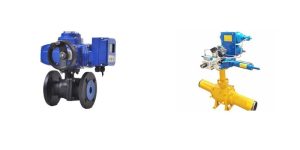
This is one of the most important distinctions I have to make for my clients. They perform very different jobs. A general shutdown valve is what an operator uses to prepare a pump for repair. They walk up to the valve, turn the handwheel, and isolate the pump from the main process line. It’s a deliberate, planned action. I once worked with a plant that was specifying valves for a new unit. The initial drawings just said “shutdown valve” everywhere. Hassan, who was consulting on the project, immediately flagged this. He insisted we separate the valves for manual isolation from the ones tied to the safety system. An ESD valve is fundamentally different. It doesn’t wait for an operator. It’s connected to sensors that detect dangerous conditions like high pressure or a gas leak. When a hazard is detected, the safety system automatically commands the ESD valve to slam shut in seconds.
| Аспект | General Shutdown Valve | Emergency Shutdown (ESD) Valve |
|---|---|---|
| Основная функция | Planned isolation for maintenance | Unplanned, automatic emergency shutdown |
| Операция | Typically manual (handwheel, gear) | Automated (actuator with solenoid) |
| Trigger | Human operator decision | Safety system sensor signal |
| Speed | Slow, not a critical factor | Extremely fast, critical for safety |
| System | Standalone component | Part of an integrated Safety System (SIS) |
| Key Purpose | Enable safe work | Prevent a disaster |
Using the right valve for the right job isn’t just about efficiency; it’s about the fundamental safety of the entire plant.
What Are the Best Valve Types for Shutdown and Isolation?
Does the type of valve you choose for isolation really matter? Selecting the wrong valve type can lead to dangerous leaks, difficult operation, and unreliable sealing, compromising plant safety.
For shutdown and isolation, the best valve types provide a bubble-tight seal. Ball valves are excellent for fast, quarter-turn action and tight shut-off. Gate valves are great for full-bore, unobstructed flow, while Triple Offset Butterfly Valves offer zero-leakage performance in large-diameter pipes.
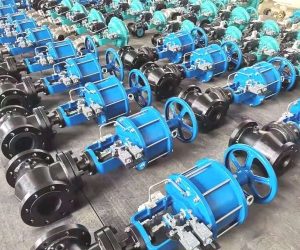
Choosing the right valve type is a decision I help engineers with every day. The best choice depends on the specific needs of the service. For most general-purpose isolation, a ball valve is a fantastic option. It’s simple, durable, and the quarter-turn action gives a clear visual indication of whether it’s open or closed. When you need a completely unobstructed flow path, like for pigging a pipeline, a through-conduit gate valve is the superior choice. Gate valves move a solid gate completely out of the flow stream. But what about really big pipes where a ball or gate valve would be enormous and expensive? That’s where I often recommend a Triple Offset Butterfly Valve (TOBV). Unlike a standard butterfly valve, its clever geometry eliminates friction between the seal and seat, allowing it to provide a bubble-tight, bi-directional seal that lasts. Hassan often specified TOBVs for critical isolation points in large cooling water or hydrocarbon lines, valuing their combination of high performance and reasonable cost.
Why is a Double Block and Bleed (DBB) System the Safest Bet?
How can you be 100% certain a line is isolated? A single valve can leak, creating a life-threatening situation for maintenance personnel working on what they believe is a safe line.
A Double Block and Bleed (DBB) system is the safest because it uses two independent isolation valves in series with a bleed valve in between. This setup allows you to verify a zero-leak seal by safely venting any pressure that leaks past the first valve.
When I talk about truly critical isolation, especially for work involving “hot work” or vessel entry, a single shutdown valve is not enough. This is where the Double Block and Bleed (DBB) philosophy comes in. I’ve seen firsthand how this system provides verifiable safety. Imagine you need to do maintenance on a pump in a high-pressure gas line. You first close the shutdown valve upstream of the pump. Then, you close a second shutdown valve downstream. These are your “double blocks.” In the space between these two closed valves, there is a small “bleed” valve. You open this bleed valve to the atmosphere. If the first block valve is leaking even slightly, you will see or hear the gas safely escaping through the bleed valve. Only when the bleed valve shows no flow can you be absolutely certain that the first valve is providing a perfect seal and that it’s safe to work on the pump. Hassan would always say, “Don’t trust, verify.” A DBB system is how you verify your isolation is secure. It’s a non-negotiable safety standard in high-risk industries.
Заключение
A shutdown valve’s real job is to provide safe and reliable isolation for planned work. Understanding its difference from an ESD valve and choosing the right type is critical for plant safety.
Часто задаваемые вопросы
What is the difference between an ESD valve and a standard shut-down valve (SDV)?
This is a critical distinction based on application. A standard Shut-Down Valve (SDV) is typically used for process control, such as starting or stopping a media flow during normal plant operations. An Emergency Shutdown (ESD) valve, however, is a safety-critical device. It’s the final line of defense, designed to automatically and rapidly move to a pre-determined safe position (usually closed) to prevent a hazardous event during an emergency. ESD valves are connected to a plant’s Safety Instrumented System (SIS) and must meet strict performance standards, such as a Safety Integrity Level (SIL) rating.
What does "fail-safe" mean for a shut-down valve?
“Fail-safe” describes the valve’s ability to automatically go to its designated safe state upon loss of power or the control signal. This is a fundamental feature of any safety valve. There are two primary fail-safe modes:
- Fail-Close: The valve will automatically close when power or signal is lost. This is the most common configuration, used to stop the flow of hazardous material.
- Fail-Open: The valve will automatically open on power or signal loss. This is used in applications where stopping the flow could be dangerous, such as preventing overpressure in a cooling system.
BCST engineers our shut-down valves with highly reliable actuators to guarantee a proper fail-safe response.
Which industries require high-integrity shut-down valves?
While many industries use shut-down valves, several require high-integrity, safety-rated valves due to the high-risk nature of their operations. These primarily include:
- Oil & Gas: For wellheads, pipelines, and processing facilities to control high-pressure hydrocarbons.
- Chemical & Petrochemical: To prevent the uncontrolled release of toxic, flammable, or explosive materials.
- Power Generation: In fuel lines and steam systems to ensure safe plant operation.
- Refining: To isolate process units and storage tanks during operational upsets.
What type of actuator is best for a shut-down valve?
The choice of actuator depends on the application’s specific needs, available power sources, and required closing speed. The most common types for shut-down applications are:
- Pneumatic Spring-Return Actuators: These are the industry standard for fail-safe applications. They use compressed air to open the valve and powerful springs to close it instantly when air pressure is lost. They are reliable, fast-acting, and cost-effective.
- Hydraulic Actuators: Used for large valves that require very high torque and fast closing speeds.
- Electro-Hydraulic Actuators: These combine an electric motor with a self-contained hydraulic system, making them ideal for remote locations where compressed air is unavailable.
We can provide a complete, fully tested actuated shut-down valve package tailored to your specific requirements.
What are the testing requirements for emergency shut-down valves?
Testing is mandatory to ensure an ESD valve will function as designed during an emergency. Key testing requirements are governed by standards like IEC 61508/61511 and API. The main types of testing include:
- Proof Testing: This is a periodic functional test performed to detect any hidden failures in the valve assembly. Partial Stroke Testing (PST) is a common method where the valve is moved a small amount (e.g., 10-20% of its travel) to confirm it isn’t stuck, without disrupting the main process.
- Full Stroke Testing: This is a complete open/close cycle, typically performed during a planned plant shutdown.
Our valves are designed for reliability and are fully compatible with modern partial stroke testing devices to ensure you meet your safety and compliance obligations.
Can you provide shut-down valves for corrosive service or with special materials?
Yes. We specialize in manufacturing valves for severe and corrosive applications. Beyond standard carbon and stainless steel, we can construct shut-down valves and their components from a wide range of exotic alloys, including:
- Duplex & Super Duplex Stainless Steel
- Монель
- Хастеллой C
- Inconel
If you have a challenging fluid or demanding service environment, send us your material specifications. Our engineers are ready to design a custom valve solution that meets your needs.
What are the advantages of sourcing a complete shut-down valve assembly from BCST?
Purchasing a complete, single-source assembly from us offers significant advantages over buying separate components:
- Guaranteed Compatibility: We ensure the valve, actuator, and accessories (like solenoid valves and positioners) are perfectly matched and sized for optimal performance.
- Simplified Procurement: You issue one purchase order to one vendor, simplifying your logistics and project management.
- Reduced Risk: The entire assembly is fully tested in our facility (Factory Acceptance Test – FAT) before shipment, guaranteeing it works as a single unit upon arrival.
- Single Point of Contact: You have one dedicated contact at BCST for all technical support, warranty, and documentation needs.
Свяжитесь с нами
Tell us your specs; our engineer will reply within 24 hours.
 English
 Arabic
 Russian
 French
 Spanish