
A broken handle stops your entire operation cold. What seems like a small failure leads to big problems like downtime and safety risks. Let’s get ahead of that.
When a gate valve handle breaks, it means you have lost control over your flow system. Choosing and installing quality replacement gate valve handles is the only way to ensure operator safety, prevent leaks, and keep your operation efficient, saving you from major headaches and costs.
I grew up in the valve business, and my father taught me that no part is too small to take seriously. A faulty handle looks like a quick fix, but I’ve seen it cause huge operational problems for my clients. This is something I talk about all the time with engineers like Hassan, a chief project engineer in Nigeria. He designs entire refineries and knows that control starts with the operator’s hands. Before you rush to find just any fix for a broken handle, we need to talk about what it really means for your system.
Understanding the Importance of Задвижка Ручки
You see a cracked handwheel and figure it’s a minor job for another day. But that neglect leads to a stuck valve in an emergency, creating a crisis you could have prevented.
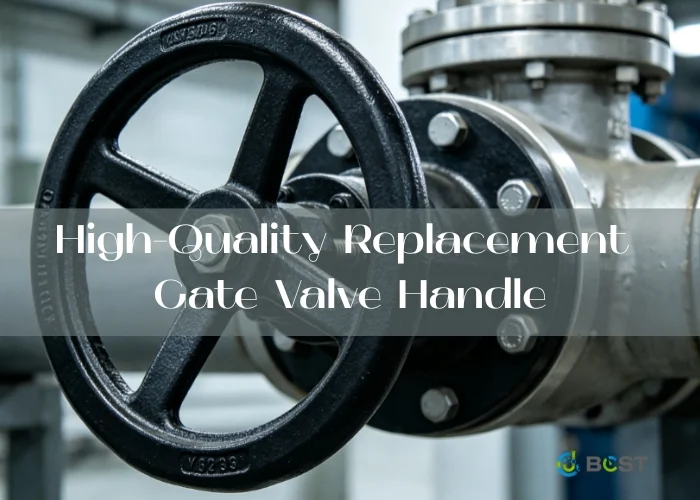
The handle is your direct connection to the valve’s gate. It provides the leverage needed to raise or lower it and control the flow. A good handle means reliable operation, a safe worker, and precise control over your whole process.
It’s easy to see replacement gate valve handles as just simple pieces of metal, but they are so much more. This is a critical piece of engineering, designed to turn human force into mechanical action, safely and effectively. Hassan always emphasizes that the handle is the first line of control and the last line of defence. If an operator can’t turn that valve when it matters most, the consequences are disastrous. The handle isn’t just for turning; it’s for applying controlled, powerful force.
Its Role in Torque and Operation
The size of that handwheel isn’t random. It’s calculated to give just the right amount of mechanical advantage so a person can generate enough torque to move the gate against extreme internal pressure. A handle that’s too small makes the job nearly impossible, which risks injury and results in an incomplete seal. A poorly made one will just break under the strain. That’s why picking the right replacement gate valve handles is about operational integrity. Your team needs to be able to open and close valves completely, without a struggle.
The Safety Factor
In an emergency, you need to shut a line off immediately. A broken, missing, or slipping handle makes that impossible. In any industrial plant, this is a major safety violation. Health, Safety, and Environmental (HSE) standards require all controls to be in perfect working order. A damaged handle is a known, ignored risk. Choosing durable replacement gate valve handles is a direct investment in the safety of your people and your plant.
| Характеристика | Functional Handle | Defective or Incorrect Handle |
|---|---|---|
| Управление | Gives you precise and complete shut-off | Unreliable, partial operation, or no control at all |
| Torque | Lets the operator apply force easily | Needs excessive force; risks operator injury |
| Безопасность | Allows for immediate action in an emergency | Fails when you need it most; a major safety hazard |
| Долговечность | Stands up to work and the weather | Cracks, rusts, and will fail suddenly |
How to Select the Correct Replacement Gate Valve Handle
You need a new handle, but ordering the wrong one means it won’t fit or it will break under pressure. Let’s stop the guesswork and avoid costly mistakes.
To get the right replacement gate valve handle, you must know the valve’s stem dimensions and its shape (like square or round with a keyway). You also need to confirm the material and the handle diameter needed for proper torque and clearance.
I had a client who rushed an order for 100 replacement gate valve handles for a plant-wide maintenance shutdown. They matched the valve size but completely missed the stem connection details. It turned out half their valves had square stems, and the handles they bought were for keyed round stems. It was a simple mistake that caused big delays and cost them money. That’s why I always tell people: don’t guess. You have to get the data from the valve itself before you even think about ordering. Here are the exact steps to get a perfect match.
Get to Know Your Valve Stem
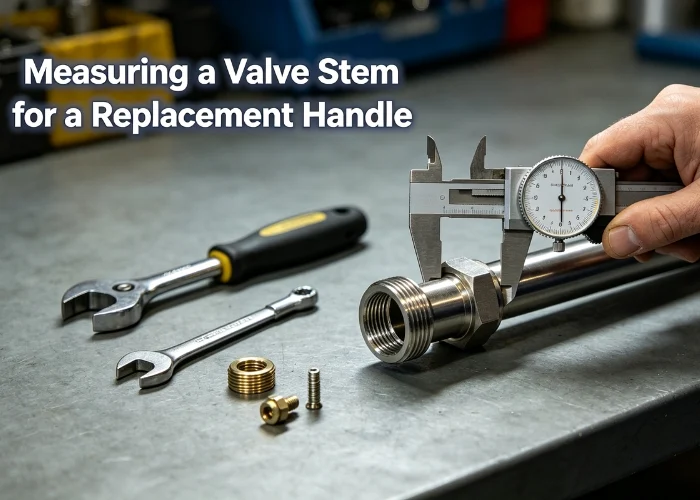
The connection between the handle and the valve is everything. The stem is the shaft the handle turns, so you must identify its shape and get precise measurements.
- Stem Shape: Look at the top of the stem. Is it a solid square? Is it round with a groove cut into it (a keyway)? Take a picture if you need to. Getting this wrong is the #1 reason for ordering the wrong replacement gate valve handles.
- Stem Dimensions: Grab a pair of calipers to be accurate. If it’s a square stem, measure the flat sides. If it’s a round stem, measure its diameter and the width of the keyway. Write these numbers down.
Choose the Right Material and Size
The handle’s material affects its strength and how well it stands up to corrosion. The size determines how easy it is to operate.
- Материал: For most industrial jobs, cast iron or ductile iron are the standards. Ductile iron is tougher and less likely to crack if it gets hit, making it a better choice for busy or critical areas. If you’re in a highly corrosive environment, you will need a special coated or stainless steel handle.
- Diameter: The original handle’s size was chosen for a reason—leverage. Try to match it. If your operators have been struggling to turn the valve, go a little bigger, but first, make sure there’s enough room around the valve for it to turn all the way.
Checklist for a Replacement Gate Valve Handle
| Check Point | На что обратить внимание | Why It Matters |
|---|---|---|
| Размер клапана | e.g., 4-inch, 6-inch | Good starting point, but not enough info. |
| Stem Shape | Square, Round with Key, etc. | This is what determines if the handle will even fit. |
| Stem Dimensions | e.g., 14mm square | The most critical measurement for a tight, secure fit. |
| Handle Material | Cast Iron, Ductile Iron | Affects strength, durability, and rust resistance. |
| Handle Diameter | e.g., 200mm | Gives the user the leverage needed to operate the valve. |
| Environment | Corrosive, High-Traffic | Tells you if you need special materials or coatings. |
Step-By-Step Guide to Replacing a Gate Valve Handle
Changing a handle looks easy, but a wrong move damages the valve or gets someone hurt. You need to be safe and efficient. Just follow this guide for a secure installation every time.
To replace a handle safely, you have to start by depressurizing the line and using your lock-out/tag-out (LOTO) procedure. After that, you can remove the old handle’s nut, lift the handle off, put the new one on, and securely fasten it.
Safety is everything. On Hassan’s team, every maintenance job, no matter how small, has a strict protocol. For a valve handle, it starts with completely isolating the system. He has a saying: “An isolated system is the only safe system.” You have to assume the line is under pressure until you’ve proven it’s not. This is the mindset that prevents accidents. Swapping out replacement gate valve handles is a simple job, but only if you follow the safety and mechanical steps in the right order. Rushing this job damages the valve stem or the new handle, creating an even bigger mess.
1. Safety First: Isolate and Prepare
Before you even pick up a wrench, secure the work area. This is not optional.
- Confirm the Line is Dead: Make sure the pipe section is fully depressurized, drained, and vented. Double-check with a pressure gauge.
- Lock-Out/Tag-Out (LOTO): Follow your company’s LOTO rules. This physically locks the equipment in a safe state and puts a tag on it so everyone knows work is being done.
- PPE: At the very least, you need safety glasses and good work gloves.
2. Get the Old Handle Off
Once the area is safe, it’s time to remove the broken handle.
- Loosen the Nut: There’s a nut in the center of the handle holding it on the stem. Use the right size wrench to remove it. If it’s rusted on, spray it with penetrating oil and give it a few minutes to work.
- Lift the Handle: The handle should pull straight off. If it’s stuck from rust, do not hit it with a hammer. You will damage the valve stem. Use a gear puller or wheel puller to apply even force and remove it safely.
3. Install the New Handle
Putting the new handle on is just the reverse of taking it off.
- Clean the Stem: Wipe down the top of the valve stem. Get rid of any rust, dirt, or grease so the new handle sits flat and flush.
- Position the New Handle: Line up the square hole or keyway on your new replacement gate valve handle with the stem and slide it down until it’s fully seated. It must be a snug fit, not wobbly.
- Secure with the Nut: Put the washer (if you have one) and the new nut on the stem. Tighten it down firmly with a wrench. Don’t go crazy—over-tightening will crack the handle or strip the threads. Just make it tight enough so there’s no wobble.
4. Test Your Work
After the installation, remove your LOTO devices. Slowly and carefully bring pressure back to the system. Then, test the valve by turning the new handle from fully open to fully closed. It must feel smooth, with no binding or slipping. That’s how you know your new replacement gate valve handle is installed right and ready for service.
Finding reliable, correctly-sized replacement gate valve handles is a challenge, especially when you need them now. You need a partner who understands the technical details. This is why my father started our business, and it is the commitment to quality and precision we carry on at BCST Valve. We help our clients find the exact parts they need to keep their operations safe and running, from whole valve assemblies down to the single replacement gate valve handles. We know every part matters. If you’re looking for a supplier who takes your operational security as seriously as you do, I invite you to visit us at Клапан BCST.
Часто задаваемые вопросы (FAQ)
Q1: Can I use a replacement gate valve handle from a different brand on my valve?
A: Yes, but only if all critical dimensions match perfectly: the stem shape, stem size, and keyway. Also, ensure the material is right for the job. If you’re not sure, it is always best to check with your valve supplier.
Q2: What do I do if the old handle is completely rusted onto the stem?
A: Do not reach for a hammer. First, soak it with a good penetrating oil and let it sit. Then, use a wheel puller. This tool applies even pressure and will pull the handle off without damaging the stem or valve.
Q3: How often should I inspect my gate valve handles?
A: You must inspect your handles during regular maintenance rounds. Look for any cracks, heavy rust, or looseness. For valves in critical spots or harsh environments, a quick visual check more often is a smart move.
Q4: What’s the biggest mistake people make when ordering replacement gate valve handles?
A: The most common mistake is not getting an accurate measurement of the valve stem’s size and shape. People often order based on the pipe size alone, and they end up with a handle that simply won’t fit.
Final Thought
Don’t let a small part like a handle put your entire operation’s safety on the line. By understanding why it matters, picking the right one, and installing it safely, you protect your whole system. At BCST, we make sure every valve and component, including our replacement gate valve handles, delivers that reliability.


 English
 Arabic
 Russian
 French
 Spanish