
Picking the wrong valve means leaks and expensive shutdowns. That uncertainty puts your whole project at risk. Getting the plug valve vs gate valve choice right is where you start winning.
The main difference in the plug valve vs gate valve comparison is their closing mechanism. A plug valve uses a rotating cylindrical or tapered plug for quick, quarter-turn shutoff. A gate valve uses a flat gate that slides up and down, offering slower but full-bore opening.
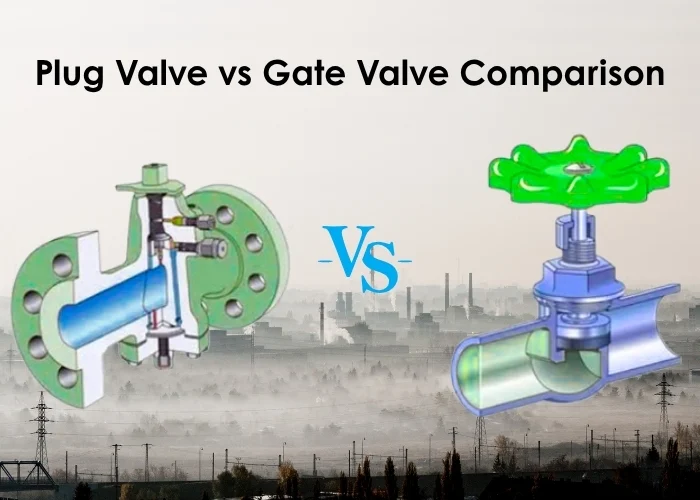
So, you get the basic idea. But that’s just scratching the surface. The real choice depends on how they act in the field. Let’s look at what makes each one tick. A smart choice now saves you from huge problems down the line.
Обзор Плунжерные клапаны и Задвижки
Those terms “plug valve” and “gate valve” on the spec sheet are confusing if you don’t know what’s inside. This confusion leads to bad choices and expensive mistakes. Let’s pull them apart and see how they work.
A plug valve features a ported plug that rotates within the valve body, and a 90-degree turn moves it from open to closed. A gate valve has a solid gate that moves up and down into the flow path to block it, requiring multiple turns of the handwheel.
Dive Deeper: Understanding Valve Mechanics
To make the right choice in the plug valve vs gate valve discussion, you have to look closely at how they are built. Their internal design is what dictates how they perform in your pipeline. Let’s break them down.
The Plug Valve Mechanism
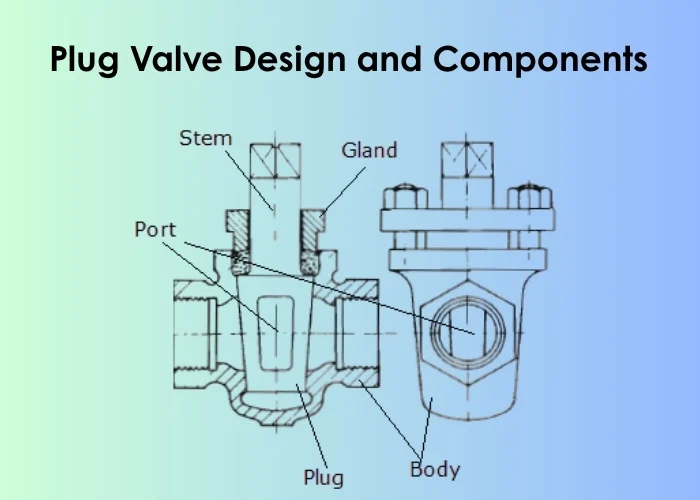
The plug valve is one of the oldest valve designs, and its strength is in its simplicity. It’s just a body, a cover, and a plug with a hole (the “port”) through it. You turn the handle, the plug rotates. When the port lines up with the pipe, flow is on. A quick 90-degree turn moves the port away, shutting off flow instantly. This fast action is a huge plus. There are two main flavors: lubricated and non-lubricated. Lubricated ones use a special grease to seal tight and make turning easier, which is perfect for gritty services that clog up other valves. Non-lubricated types use a special plastic sleeve to reduce friction, making them ideal when you absolutely cannot risk grease contaminating your process. I worked with a chief engineer named Hassan on a refinery project in Nigeria, and he needed a fast emergency shutoff for a slurry line. A lubricated plug valve was the perfect fit.
The Gate Valve Mechanism
A gate valve works completely differently. Instead of a rotating part, it has a flat plate, the “gate,” that moves up and down. When you turn the handwheel, the gate rises completely out of the flow path. This gives you a clear, straight opening. That’s why a gate valve barely affects the flow pressure when it’s wide open. To close it, you turn the wheel the other way, lowering the gate until it wedges tightly against two seats, stopping the flow. This takes many turns of the wheel, so it’s much slower than a plug valve. But here’s the most important thing to remember: gate valves are for fully open или fully closed service only. Never use a gate valve to control the flow rate. If you only open it partway, the fluid rushes underneath, causing heavy vibration that destroys the gate and seats. This is a vital difference in the plug valve vs gate valve world.
Key Differences Between Plug Valves and Gate Valves
Knowing how they’re built is one thing. Picking the right one for your job is the real test. The wrong valve wastes energy, costs a fortune to maintain, and fails. Let’s line them up and compare what matters.
The plug valve offers fast, quarter-turn shutoff and is great for dirty or slurry services. The gate valve provides minimal flow restriction when fully open and is ideal for clean liquids and gases where on/off control is needed, but speed isn’t a priority.
Dive Deeper: The Operational Showdown
The choice between a plug valve and a gate valve comes down to your specific job. Each one has its own personality, making it great for some tasks and a complete disaster for others. I’ve walked through plants where one wrong valve choice caused a cascade of problems. Let’s put this plug valve vs gate valve comparison under the microscope.
| Характеристика | Плунжерный клапан | Задвижка |
|---|---|---|
| Скорость работы | Быстро (четверть оборота) | Медленный (многооборотный) |
| Throttling Ability | Very Poor (Not for use) | Disastrous (Never use) |
| Путь потока | Restricted | Unobstructed (Full-bore) |
| Перепад давления | Low to Moderate | Очень низкий |
| Suitable Media | Clean fluids, slurries, solids | Clean liquids and gases only |
| Уплотнение | Excellent, bubble-tight | Good, but traps debris |
| Техническое обслуживание | Requires lubrication | Low maintenance |
Deeper Analysis of the Comparison
Operation Speed: This is the most obvious difference. The plug valve’s 90-degree turn is perfect for any system that needs a quick shutdown or is operated frequently. The gate valve’s slow, multi-turn action is better when you’re just going to leave it open or closed for a long, long time, like a main isolation valve.
Дросселирование: Do not use either of these for throttling. Using a gate valve for throttling destroys the valve. A plug valve also fails prematurely when used for throttling.
Suitable Media: This is where the two paths diverge in the plug valve vs gate valve decision. The plug valve’s rotating motion creates a “wiping” action, cleaning the sealing surfaces with every turn. This makes it the undisputed champion for handling slurries, wastewater, and fluids with solids. My father, who founded this company, always drilled this into me: “If the fluid is dirty, think plug valve first.” With a gate valve, grit and scale get trapped in the bottom, preventing the gate from closing all the way and causing leaks.
Sealing and Size: A good plug valve gives you a bubble-tight seal. Gate valves seal well with clean fluids, but their design ensures they will leak as they wear or when debris gets in. Both come in all shapes and sizes, but gate valves are the economical choice for really big pipelines.
Advantages and Disadvantages of Plug Valves and Gate Valves
You have the technical data. Now you need this straightforward pros and cons list to make your final call. Without it, you will pick a valve that looks good on paper but is a nightmare in practice.
Plug valves offer a simple design, quick operation, and excellent performance with solids. However, they have higher torque and require lubrication. Gate valves offer low pressure drop and bidirectional sealing but are slow and poor for throttling, making the plug valve vs gate valve choice critical.
Dive Deeper: Weighing the Advantages and Disadvantages
Everything’s a trade-off. The perfect valve for one job is a terrible choice for another. I spent my first years after university on our factory floor, learning every nut and bolt. You quickly see how a small design choice makes a huge difference in the field. The plug valve vs gate valve choice is a classic example. Let’s lay out the good and the bad for each.
The Plug Valve: Strengths and Weaknesses
Advantages of the Plug Valve:
- Built to Last: They have few moving parts, so there’s less to break. This simple design delivers a long, reliable service life.
- Fast Action: That quarter-turn is perfect when you need to shut things down now or operate the valve often.
- Handles the Tough Stuff: That “wiping” action makes it the king for dealing with slurries, grime, and fluids carrying solids.
- Seals Tight: When you choose the right type, a plug valve provides a very dependable, leak-free shutoff.
Disadvantages of the Plug Valve: - Needs More Muscle: They are tough to turn because of friction between the plug and body. This requires a bigger, pricier actuator to do the job.
- Requires Upkeep: If you have a lubricated type, you have to stick to a maintenance schedule to add more sealant. If you forget, it gets stuck or starts leaking.
- Is Pricier: In larger sizes and for higher pressures, a plug valve costs more than a gate valve.
The Gate Valve: Strengths and Weaknesses
Advantages of the Gate Valve:
- Maximum Flow: When it’s open, it’s wide open. The gate is completely out of the way, so there’s almost no pressure drop, which is great for long pipelines.
- Big and Economical: For very large pipes, like water mains or oil transport, gate valves are the cheapest and most practical option.
- Handles Heat and Pressure: Their tough, simple build makes them a solid choice for high-pressure, high-temperature jobs, as long as the fluid is clean.
Disadvantages of the Gate Valve: - Slow to Operate: Turning that wheel takes time. It’s not for situations where you need to act fast.
- Don’t Even Think About Throttling: It’s worth saying again: using it to control flow destroys the valve. Period.
- Picky About Cleanliness: This is its Achilles’ heel. Any dirt, scale, or debris gets stuck in the bottom and prevents it from sealing. That’s why the plug valve vs gate valve discussion ends as soon as you mention dirty fluids.
So, you’ve weighed the pros and cons in the plug valve vs gate valve debate. Now you need a supplier you can trust. My family’s company, Клапан BCST, has been manufacturing high-quality industrial valves for over two decades. We get these challenges because we’ve lived them. Starting on the factory floor helped me understand how the right valve makes or breaks a project. If you need a partner who sees the big picture, visit our website at https://bcstvalve.com/. We don’t just sell products; we provide solutions we’d be proud to use ourselves.
Frequently Asked Questions (FAQ)
Can a plug valve be used for throttling?
A: No. A plug valve is built for on/off duty. Using it to throttle flow wears it out fast and causes it to leak. It is not the right tool for throttling.
Is a gate valve or plug valve better for high pressure?
A: Both are made for high pressure. Gate valves are chosen for high-pressure lines because their straight-through flow path and lower operating force are big advantages.
Why is a plug valve so good for slurries?
A: Because the rotating plug scrapes the seal clean every time you use it. This stops solids from building up and causing leaks, which is a common failure for gate valves in dirty service.
Final Thought
The plug valve vs gate valve decision depends on your application’s specific needs. For quick shutoff and dirty service, choose a plug valve. For clean fluids and minimal pressure drop, a gate valve is best. Make the right choice with a partner like BCST who understands your world.


 English
 Arabic
 Russian
 French
 Spanish