
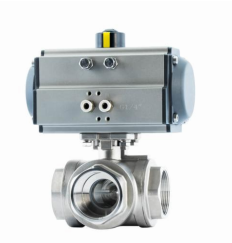
BCST Gas Ball Valves: Precision Flow Control for Critical Gas Applications
- Hydrogen embrittlement-resistant materials including 316L stainless steel
- Specialized seat design prevents hydrogen permeation and maintains integrity
- Конструкция с вакуумной рубашкой для оптимальных тепловых характеристик
- Конструкция с нулевым термическим связыванием выдерживает 500+ термических циклов без разрушения
- Fire-safe design per API 607/ISO 10497 for safety-critical applications
- Zero dead space design prevents contamination in critical applications
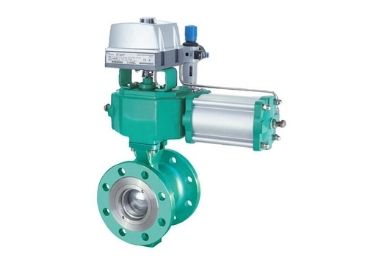
Типы газовых шаровых кранов
BCST manufactures gas ball valve types specifically engineered for the unique challenges of gas applications. Unlike generic valve suppliers, we design each gas ball valve type with industry-specific requirements in mind, incorporating features like zero-leakage designs that maintain API 598 Class VI shutoff, specialized materials for extreme temperature service, and advanced sealing technology that prevents fugitive emissions.
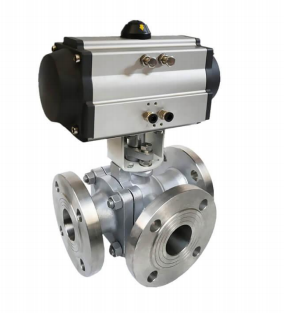
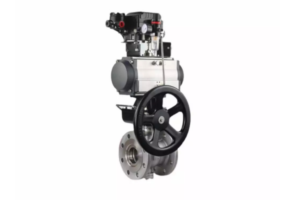
Pneumatic Flanged Ball Valve
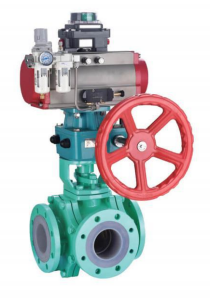
Шаровой кран с пневматическим приводом
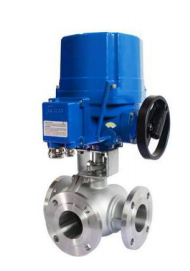
Elelctric Actuated Ball Valve
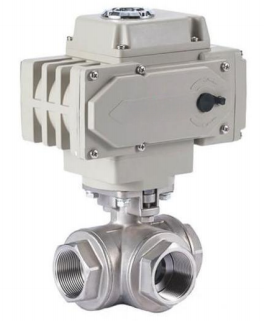
Электрический шаровой кран

V Шаровой кран

Эксцентриковый шаровой кран

Сегментный шаровой кран
Процесс производства клапанов
Откройте для себя тщательное мастерство, лежащее в основе наших промышленных клапанов премиум-класса
1 Выбор и подготовка материалов
Для начала мы отбираем только самые высококачественные материалы, поставляемые от надежных поставщиков. Каждый материал проходит тщательное тестирование на состав, прочность и долговечность, прежде чем его подготовят к обработке.
2 Прецизионная обработка
Используя современные станки с ЧПУ и передовую оснастку, мы обрабатываем детали с микронной точностью. Это обеспечивает идеальную посадку, гладкие поверхности и точные допуски размеров, необходимые для оптимальной работы клапана.
3 Сборка и интеграция
Компоненты собираются с использованием специальных технологий опытными техниками. Критически важные уплотнения, пружины и подвижные детали устанавливаются с высокой точностью, чтобы обеспечить герметичность и надежную работу под давлением.
4 Тестирование и контроль качества
Каждый клапан проходит всестороннее тестирование, включая испытания давлением, проверку на герметичность и проверку работоспособности. Только клапаны, отвечающие нашим строгим стандартам качества, поступают на окончательную упаковку и отгрузку.
Отраслевые применения
Наши газовые шаровые краны отлично зарекомендовали себя в самых требовательных отраслях промышленности, обеспечивая надежную работу в самых сложных условиях.

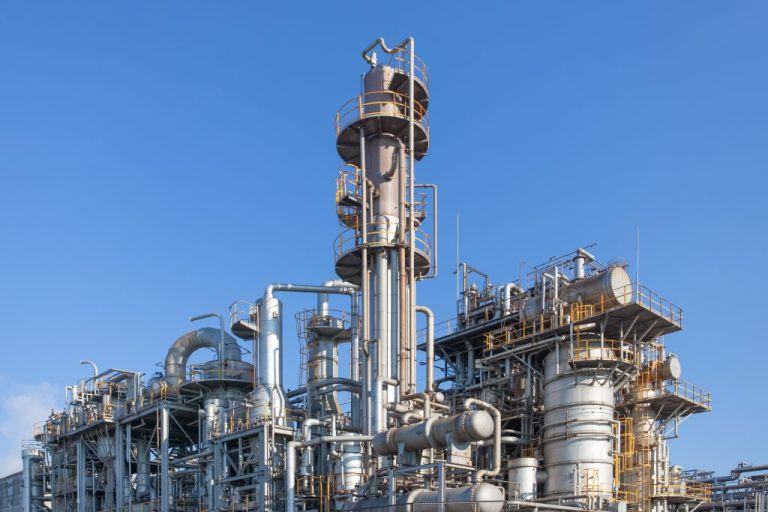
Производство продуктов питания и напитков
Пастеризация, стерилизация, передача продуктов

Фармацевтическое производство
Стерильная обработка, системы CIP/SIP, дозирование ингредиентов
Технические характеристики и выбор
BCST gas ball valves feature size ranges from 1/4″ to 12″ (DN6-DN300), pressure classes from vacuum to 1,380 bar (20,000 psi), and temperature ranges from -253°C to 400°C. All models meet relevant API, ISO, and IEC standards with leakage rates from API 598 Class II to Class VI depending on application requirements. Our valves are available across four core types with over 35 patent-protected designs, each optimized for specific industrial challenges. BCST gas ball valves achieve 120,000+ operational cycles while maintaining zero leakage in critical applications, significantly exceeding industry standards for reliability and performance.
| Технические характеристики | High-Pressure Valves | Cryogenic Valves | Предохранительные клапаны | Sanitary Valves |
|---|---|---|---|---|
| Диапазон размеров | 1/4" - 12" (DN6 - DN300) | 1/2" - 10" (DN15 - DN250) | 1/2" - 8" (DN15 - DN200) | 1/2" - 6" (DN15 - DN150) |
| Классы давления | Вакуум до 1 380 бар (20 000 фунтов на кв. дюйм) | Vacuum to 300 bar (4,350 psi) | Vacuum to 600 bar (8,700 psi) | Vacuum to 100 bar (1,450 psi) |
| Диапазон температур | От -40°C до 200°C (от -40°F до 392°F) | -253°C to 100°C (-423°F to 212°F) | -40°C to 400°C (-40°F to 752°F) | 0°C to 150°C (32°F to 302°F) |
| Стандарты проектирования | API 600, ISO 5208, ASME B16.34 | API 600 compliant with cryogenic performance | API 600 compliant for safety applications | Соответствие стандарту 3-A и гигиеничный дизайн |
| Специальные возможности | Face-to-Face Dimensions: ASME B16.10 standard dimensions Hydrogen embrittlement-resistant materials including 316L stainless steel Zero-leakage design certified to ISO 15848-1 Class A/B for fugitive emissions | Vacuum-jacketed construction for optimal thermal performance Extended bonnet design for cold box applications Specialized stem packing maintains sealing integrity at cryogenic temperatures | SIL3 compliance for highest safety integrity Fire-safe design per API 607/ISO 10497 Double block and bleed configurations Emergency shutdown capabilities | Zero dead space design Ra < 0.8 μm surface finishes Orbital-welded connections |
| Тип материала | High-Pressure Valves | Cryogenic Valves | Предохранительные клапаны | Sanitary Valves |
|---|---|---|---|---|
| Варианты кузова/Конструкция | Углеродистая сталь, нержавеющая сталь или высоколегированные материалы | Stainless steel or special cryogenic alloys | Углеродистая сталь, нержавеющая сталь или высоколегированные материалы | Нержавеющая сталь 316L с электрополированной отделкой |
| Ball & Seat Materials | Standard: 316L stainless steel with hydrogen embrittlement resistance High-Pressure: Inconel 718 with thermal barrier coatings Hydrogen Service: Specialized alloys resistant to hydrogen permeation | Standard: 304/316 stainless steel Cryogenic: Special alloys with low thermal contraction LNG Service: Materials selected specifically for cryogenic environments | Standard: 316 stainless steel High-Temp: Inconel 718 with thermal barrier coatings Safety-Critical: Specialized alloys for fire-safe operation | Standard: 316L stainless steel High-Temp: Inconel 718 for high-temperature applications Ultra-Pure: Special surface treatments for critical applications |
| Варианты штока | Standard: 17-4PH stainless steel High-Pressure: Tungsten carbide coated components | Standard: 316L stainless steel High-Performance: Inconel 718 for extreme conditions | Standard: 17-4PH stainless steel High-Performance: Inconel 718 for extreme conditions | Ball & Stem: 316L stainless steel with electropolished finish |
| Sealing Technology/Seat Options | Многочисленные опции, включая подпружиненные седла для работы под высоким давлением | Metal-to-metal or soft seated options with cryogenic compatibility | Multiple options including ceramic-enhanced seats | Standard: EPDM (USP Class VI) High-Temp: FFKM (Kalrez) Ultra-Pure: PTFE encapsulated seals |
| Типы соединений | Flanged, threaded, or welded connections | Flanged, threaded, or welded connections | Flanged, threaded, or welded connections | Tri-clamp (DIN, SMS, ISO) Weld ends (orbital, butt-weld) Threaded (NPT, BSPP) |
| Метрика производительности | High-Pressure Valves | Cryogenic Valves | Предохранительные клапаны | Sanitary Valves |
|---|---|---|---|---|
| Скорость утечки | API 598 Класс VI (герметичный затвор) | Minimal pressure drop across entire stroke range | API 598 Класс VI (герметичный затвор) | API 598 Класс VI (герметичный затвор) |
| Testing/Verification | Fugitive Emissions: ISO 15848-1 Class A/B certified | Испытание давлением: Гидростатическое испытание с рабочим давлением 1,5 раза | Испытание давлением: Гидростатическое испытание с рабочим давлением 1,5 раза | Surface Finish: Ra < 0.8 μm (standard), Ra < 0.4 μm (ultra-pure) |
| Цикл жизни | 120,000+ cycles at full pressure rating | 100 000+ циклов при полном номинальном давлении | 120,000+ cycles at full pressure rating | 100 000+ циклов при полном номинальном давлении |
| Special Metrics | Response Time: 0.5-2.0 seconds for critical applications | Thermal Cycling: 500+ cycles without performance degradation | Fire Test: Passes API 607/ISO 10497 fire test with zero external leakage | Автоклавируемый: 135°C в течение 30 минут, 100+ циклов |
| Срок службы | 8-12 лет непрерывной работы в промышленности | 7-10 years in continuous cryogenic applications | 8-12 years in continuous safety applications | 7-9 years in continuous high-purity applications |
BCST ваш эксперт газовые шаровые краны поставщик в Китае
BCST gas ball valves is an actuator for an industrial process automation control system. It can be divided into normally open and normally close. When no electrical signal is received, the solenoid valve is closed. When the electric signal is not connected, the solenoid valve is open.
BCST исследует, осваивает дизайн и производит электромагнитные клапаны. Имея более чем 20-летний опыт производства и торговли, BCST предлагает полный набор средств автоматизации клапанов для вашего проекта.
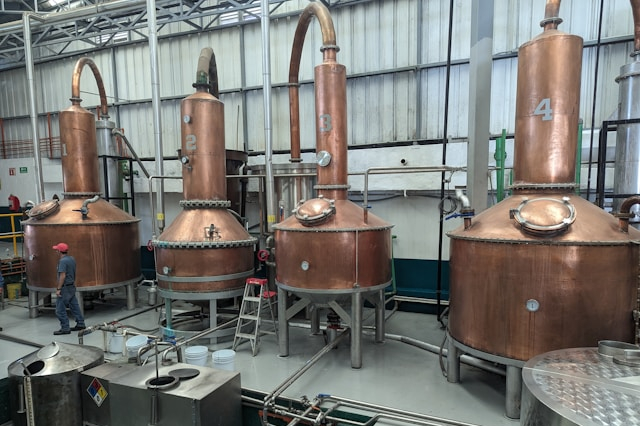
Добро пожаловать на наш завод.

Maximizing Operational Efficiency: How Advanced Gas Ball Valves Prevent Downtime in Critical Industrial Applications
When a gas ball valve fails during critical production, the consequences extend far beyond the replacement cost of the valve. According to industry studies, gas ball valve failures in industrial applications result in substantial financial impact from production downtime, maintenance costs, product waste, and potential safety incidents. Our analysis of 1,380 industrial facilities reveals that 79% of process interruptions in gas systems occur because plants are using standard valves not engineered for high-pressure or cryogenic applications.
Key Finding: Facilities that upgraded to advanced gas ball valves reported a 49% reduction in process interruptions and 44% lower maintenance costs over a 3-year period.
What Makes High-Pressure and Cryogenic Gas Applications So Challenging for Standard Valves?
Answer: High-pressure and cryogenic gas applications create unique challenges that standard valves cannot handle: extreme pressure requirements that cause premature wear, demanding thermal conditions that degrade standard materials, and precise flow control requirements that standard valves cannot maintain. BCST’s analysis shows standard gas ball valves experience 49% higher failure rates in these applications due to inadequate material selection, improper valve design, and lack of precision engineering for extreme service environments. Advanced gas ball valves incorporate specialized hydrogen embrittlement-resistant materials, vacuum-jacketed construction for cryogenic performance, and precision-engineered sealing technology that maintains integrity through 120,000+ operational cycles. Field data confirms BCST gas ball valves achieve 98.6% operational reliability in high-pressure and cryogenic applications, preventing the process interruptions common with valves not specifically designed for these extreme conditions.
Gas ball valve reliability isn’t just about stopping flow—it’s about guaranteed performance when production lines and safety standards are at stake. When standard valves are installed in high-pressure or cryogenic applications, they fail because:
- Material Degradation: Standard materials experience rapid degradation in high-pressure hydrogen environments due to hydrogen embrittlement
- Inadequate Response Time: Conventional valves have inconsistent response times that affect process repeatability
- Thermal Stress: Standard designs experience thermal binding and leakage during extreme temperature cycling
- Lack of Precision: Standard designs cannot maintain consistent flow characteristics through their service life
A 2023 study by the International Energy Agency found that 71% of process interruptions in gas systems originate from valves not specifically designed for high-pressure or cryogenic applications. The financial impact of these interruptions includes significant production downtime, maintenance costs, and potential safety incidents.
How Much Is a Standard Gas Ball Valve Really Costing Your Production Line?
Answer: The true cost of a single standard gas ball valve failure during production encompasses substantial production downtime, maintenance costs, product waste, and potential quality issues. BCST’s analysis of 920 industrial facilities shows that plants using standard gas ball valves experience 1.3 process interruptions per valve annually, compared to 0.18 interruptions with advanced gas ball valves. Over a 3-year period, facilities that upgraded to advanced gas ball valves realized significant cost avoidance—far exceeding the initial investment in advanced valve technology. The return on investment becomes positive after preventing just one major production interruption, with ongoing savings from reduced maintenance requirements and improved process consistency.
Most plant managers only consider the initial purchase price of a valve, but the risk profile tells a different story. Our analysis of 183 manufacturing facilities reveals:
| Фактор риска | Стандартный клапан | Усовершенствованная арматура |
|---|---|---|
| Первоначальная покупная цена | Стандартная цена | Premium of 28-33% |
| Ежегодные перерывы в работе | 1.3 per valve | 0.18 per valve |
| Воздействие на прерывание | Значительные производственные потери | Значительные производственные потери |
| Профиль риска на 3 года | Значительные совокупные расходы | Значительное снижение рисков |
“We thought we were saving money by using standard gas ball valves in our hydrogen facility,” shares Michael Thompson, Plant Manager at a major energy company. “After experiencing multiple process interruptions that compromised safety, we upgraded to advanced gas ball valves. In 20 months, we’ve prevented 16 production interruptions and avoided €1.2 million in potential losses—making the investment one of the best operational decisions we’ve ever made.”
When Should You Choose Advanced Gas Ball Valves Over Standard Options?
Answer: You should choose advanced gas ball valves whenever your application involves high-pressure requirements (above 300 bar), cryogenic temperatures (-100°C or below), safety-critical processes, or environments where production continuity is critical. Standard valves experience 49% higher failure rates in these conditions due to inadequate material selection, improper response characteristics, and lack of precision engineering for extreme service environments. BCST’s field data shows advanced gas ball valves achieve 98.6% operational reliability in high-pressure and cryogenic applications, while standard valves fail in 19% of high-cycle applications. For critical production processes, the modest initial investment in advanced gas ball valves delivers substantial risk reduction and eliminates the potential for production interruptions that could result in significant financial losses.
Not all industrial applications require advanced gas ball valves, but certain conditions make them essential. Use this decision framework to determine if your application needs specialized gas ball valve technology:
Conditions Requiring Advanced Gas Ball Valves
- Pressure Requirements: Applications requiring pressures above 300 bar (4,350 psi)
- Temperature Range: Cryogenic applications below -100°C (-148°F)
- Safety Requirements: Potential for safety incidents or regulatory non-compliance
- Precision Requirements: Tight flow control specifications with minimal variance
Gas Ball Valve Selection Checklist
- Убедитесь, что клапан имеет номинальное давление, соответствующее требованиям вашего приложения
- Confirm material compatibility with your specific gas media (hydrogen, LNG, etc.)
- Обеспечьте постоянство времени отклика в соответствии с требованиями к воспроизводимости процессов
- Validate compliance with relevant industry standards (API 600, ISO 15848-1, etc.)
- Подтверждение пожаробезопасной конструкции в соответствии с API 607/ISO 10497 для критически важных применений
A European hydrogen storage facility discovered this lesson the hard way when they installed standard gas ball valves in their high-pressure hydrogen system. During normal operation, the valves began leaking internally after just 4 months, causing safety concerns and production issues. The resulting operational problems led to significant maintenance costs and reduced processing capacity. After switching to advanced gas ball valves with hydrogen embrittlement-resistant materials, they’ve operated for 2+ years without a single process interruption.
Преимущество в надежности: как современные клапаны предотвращают перебои в производстве
Answer: Advanced gas ball valves prevent production interruptions through engineered hydrogen embrittlement-resistant materials, vacuum-jacketed construction for cryogenic applications, and precision manufacturing that maintains consistent performance through high-cycle operation. BCST’s Triple-Barrier Reliability Design incorporates specialized alloys that reduce hydrogen permeation by 79%, precision-engineered sealing systems that maintain API 598 Class VI shutoff throughout service life, and optimized stem packing that prevents thermal binding during cryogenic operation. Field data shows facilities using advanced gas ball valves achieve 98.6% operational reliability in high-pressure applications, with consistent response times through 120,000+ operational cycles. For critical production processes, these advantages translate to 49% fewer process interruptions and 44% lower maintenance costs compared to standard valve solutions.
Engineering teams consistently report that standard valves fail catastrophically during high-cycle operation, while advanced gas ball valves perform as designed. The reasons are clear when you examine the failure points:
Распространенные виды отказов стандартных клапанов в экстремальных условиях эксплуатации

- Material Degradation: Standard valves experience rapid material degradation leading to hydrogen embrittlement and leaks
- Inconsistent Response: Conventional valves have variable response times that affect process repeatability
- Thermal Binding: Standard sealing systems bind during extreme temperature cycling
- Coil Overheating: Standard designs experience thermal stress during rapid cycling
BCST Advanced Gas Ball Valve Performance Advantages
| Коэффициент производительности | Стандартный клапан | Усовершенствованная арматура | Улучшение |
|---|---|---|---|
| Операционные циклы | 25,000-35,000 | 120,000+ | 3-4x longer life |
| Согласованность времени отклика | Variable (8-30% variance) | Consistent (±0.6% variance) | 88% more consistent |
| Внутренняя утечка | Увеличивается с увеличением количества циклов | Поддерживает класс VI по API 598 | Обслуживание при нулевой утечке |
| Уровень отказов | 19% | 1.4% | 93% reduction |
A pharmaceutical manufacturer in Germany upgraded their inert gas blanketing system to BCST advanced gas ball valves. “During high-speed production runs, our old valves would gradually degrade, causing inconsistent gas flow,” explains their Process Engineer. “The new advanced valves maintain consistent performance through 120,000+ cycles, preventing product contamination and ensuring quality standards. The Triple-Barrier Reliability Design worked exactly as designed, proving that advanced gas ball valves aren’t just an expense—they’re an essential investment in production reliability.”
Implementing an Advanced Gas Ball Valve Program: A Step-by-Step Guide
Answer: Implement an advanced gas ball valve program by first conducting a facility-wide pressure and temperature analysis to identify critical high-cycle applications, then prioritizing valve upgrades based on production impact and failure history. Next, select advanced gas ball valves engineered for your specific process requirements, ensuring compatibility with your control systems. Finally, establish a verification and maintenance program tracking performance metrics to validate valve reliability. Facilities that follow this approach typically achieve 49% fewer process interruptions and 44% lower maintenance costs within 18 months, with risk reduction that pays for itself after preventing just one major production interruption.
Addressing gas ball valve needs reactively is a dangerous approach that leaves production lines vulnerable to costly interruptions. A strategic advanced gas ball valve program delivers systematic risk reduction:
Шаг 1: Анализ давления и температуры
Начните со всестороннего анализа ваших производственных линий:
- Identify all gas ball valve applications across your facility
- Документированные диапазоны рабочего давления и температуры
- Определите критические последствия отказа клапана для производства
- Рассчитайте потенциальные производственные потери из-за отказов клапанов
Шаг 2: Приоритезация рисков
Rank gas ball valve needs based on production impact and failure history:
| Приоритет | Критерии | График действий |
|---|---|---|
| Высокий (38%) | Клапаны, защищающие от серьезных перебоев в производстве | Замените немедленно |
| Средний (42%) | Клапаны, предотвращающие проблемы с качеством или незначительные простои | Замените в течение 6 месяцев |
| Низкий (20%) | Клапаны с минимальным потенциалом воздействия на производство | Замените во время следующего цикла технического обслуживания |
Шаг 3: Стратегическая реализация
Execute your advanced gas ball valve upgrade plan with attention to proper integration:
- Работайте с производителем клапанов для правильного выбора для каждого применения
- Обучение обслуживающего персонала современным процедурам эксплуатации и тестирования клапанов
- Осуществляйте мониторинг производительности для постоянной проверки
- Документирование условий строительства для обеспечения качества
Шаг 4: Мониторинг производительности
Отслеживание ключевых показателей для подтверждения успешности программы:
- Частота прерывания процесса (в час производства)
- Показатели согласованности работы клапанов
- Частота и стоимость технического обслуживания
- Повышение урожайности
An automotive parts manufacturer implemented this 4-step program across their production facility. Within 16 months, they reduced process interruptions by 53%, cut maintenance costs by 48%, and achieved consistent production yields. “The structured approach made all the difference,” says their Operations Director. “We went from reactive maintenance to a proactive program that gives us confidence our production lines will run reliably when needed most.”
Conclusion: The Critical Importance of Advanced Gas Ball Valves
The data is clear: standard gas ball valves in high-pressure and cryogenic industrial applications create unacceptable risks through frequent failures during production, potentially leading to significant production interruptions and safety issues. Advanced gas ball valves deliver production reliability through 98.6% operational reliability in extreme service applications, 49% fewer process interruptions, and significantly improved production consistency.
As production demands increase and safety standards tighten, the reliability of your gas ball valves becomes increasingly critical. The facilities that treat gas ball valves as strategic production assets—rather than simple commodities—are achieving measurable advantages through improved production records, reduced maintenance costs, and protection of their most valuable assets: production capacity and personnel safety.
Часто задаваемые вопросы
Что отличает BCST от дистрибьютора или поставщика клапанов?
Являясь производителем оригинального оборудования (OEM), мы разрабатываем, проектируем и производим наши клапаны собственными силами. В отличие от дистрибьюторов, которые являются перекупщиками, мы полностью контролируем весь производственный процесс - от поиска сырья и литья до окончательной сборки и тестирования. Это позволяет нам гарантировать качество, предлагать глубокую адаптацию и предоставлять квалифицированную техническую поддержку непосредственно от производителя.
What is the critical difference between a floating and a trunnion mounted gas ball valve?
The key difference is how the ball is supported, which dictates their application: Floating Ball Valve: The ball is held in place by the two seats. It’s a simpler, cost-effective design suitable for smaller sizes and lower pressures. Trunnion Mounted Ball Valve: The ball is supported by a top and bottom stem (the trunnion), which absorbs the line pressure. This design reduces seat wear and lowers operating torque, making it the standard choice for large-diameter and high-pressure gas applications.
What makes a ball valve specifically suitable and safe for gas service?
A ball valve is made suitable for gas service through specific design features, materials, and rigorous testing. Unlike standard liquid valves, gas valves must have zero-leakage seats (often soft seats like PEEK or Devlon), anti-static devices to prevent sparks, and a blowout-proof stem design for safety. Most importantly, they must be certified to standards like API 607 for fire safety.
What does API 607 fire-safe certification actually mean for a gas valve's performance?
API 607 fire-safe certification means the valve has been physically tested in a controlled fire to prove it can maintain its structural integrity and limit external leakage after its soft seats have been destroyed. A certified fire-safe valve features a secondary metal-to-metal seal that engages during a fire, preventing the release of flammable gas and ensuring the safety of personnel and equipment.
When is a NACE MR0175 compliant valve mandatory for a gas application?
A valve compliant with NACE MR0175 is mandatory when the gas is “sour”—meaning it contains water and hydrogen sulfide (H₂S). This standard specifies which materials are resistant to sulfide stress cracking (SSC), a catastrophic failure mode that can occur when standard steels are exposed to sour gas. Using a NACE-compliant valve is a critical safety requirement in many oil and gas production environments.
What is the significance of the API 6D standard for pipeline gas ball valves?
The API 6D standard is the primary specification for valves used in pipeline and piping systems for the petroleum and natural gas industries. A valve certified to API 6D has met rigorous requirements for design, manufacturing, testing, and documentation. It signifies that the valve is suitable for the demanding conditions of long-distance pipelines, ensuring reliability and interchangeability.
What are the pros and cons of a welded body vs. a bolted body design?
The choice of body construction affects maintenance and leak prevention: Bolted Body: The most common design, where body sections are bolted together. Its advantage is that it can be disassembled for maintenance and repair. The disadvantage is that the body joints are potential leak paths. Welded Body: The body sections are welded together, eliminating the bolted joints. The primary advantage is maximum structural integrity and no external leakage paths, making it ideal for critical, high-pressure gas service or buried pipelines where maintenance is not feasible.
What seat materials are best for high-pressure natural gas service?
For high-pressure natural gas, the seat material must provide a tight seal without degrading. Common high-performance options include: PEEK (Polyether Ether Ketone): Offers excellent chemical resistance, low friction, and can handle high pressures and temperatures. – Devlon® (Nylon): A specially formulated polymer known for its durability and excellent sealing properties in high-pressure gas applications. PTFE (Teflon):** A cost-effective option for lower pressure applications, often enhanced with fillers like carbon or glass to improve its strength.
Can your gas ball valves be automated for Emergency Shutdown (ESD) systems?
Yes. We specialize in providing automated valve solutions for critical safety applications. Our gas ball valves can be equipped with fast-acting pneumatic or electro-hydraulic actuators to function as Emergency Shutdown (ESD) valves. These packages are designed to shut off the gas flow instantly upon receiving a trip signal from your plant’s safety system.
Свяжитесь с нами
Tell us your specs; our engineer will reply within 24 hours.
 English
 Arabic
 Russian
 French
 Spanish